
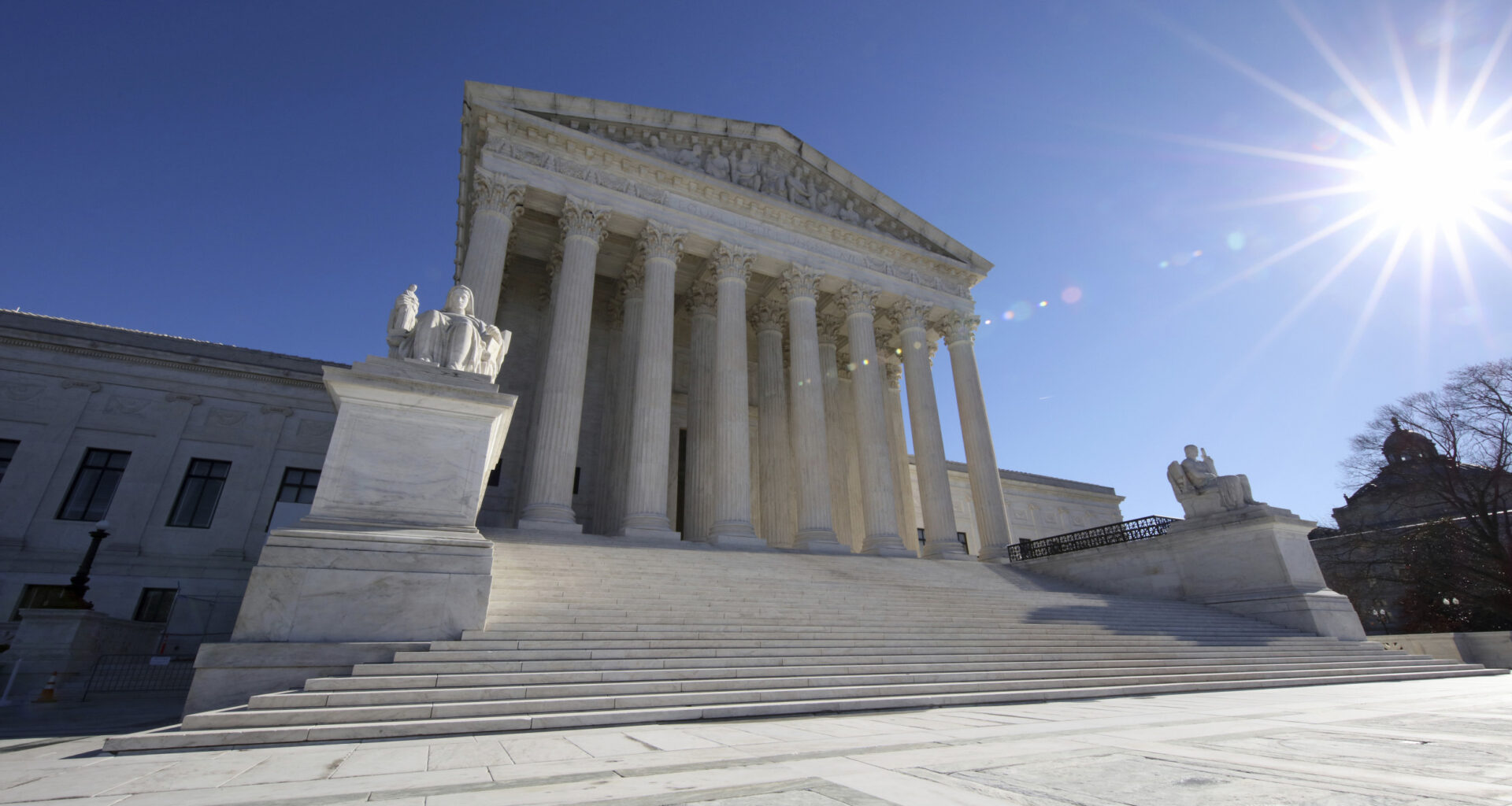
The National Basketball Association (NBA), along with support from the National Football League (NFL), is urging the United States Supreme Court to provide a definitive interpretation of the Video Privacy Protection Act (VPPA), a law enacted in the 1980s to protect consumer video rental and viewing records.
Why It Matters
As digital content and streaming services have redefined the modern viewing landscape, federal courts are divided on whether this decades-old law should apply to those accessing free online content.
The U.S. Court of Appeals for the 2nd and 7th Circuits have ruled that the law does apply to consumers of a videotape service provider’s non-audiovisual goods and services, while the U.S. 6th Circuit Court of Appeals rejected this interpretation.
“Only this Court can resolve the split,” Shay Dvoretzky and Raza Rasheed, attorneys for the NBA, wrote in a brief filed Wednesday.
Newsweek has reached out to the NBA for comment.
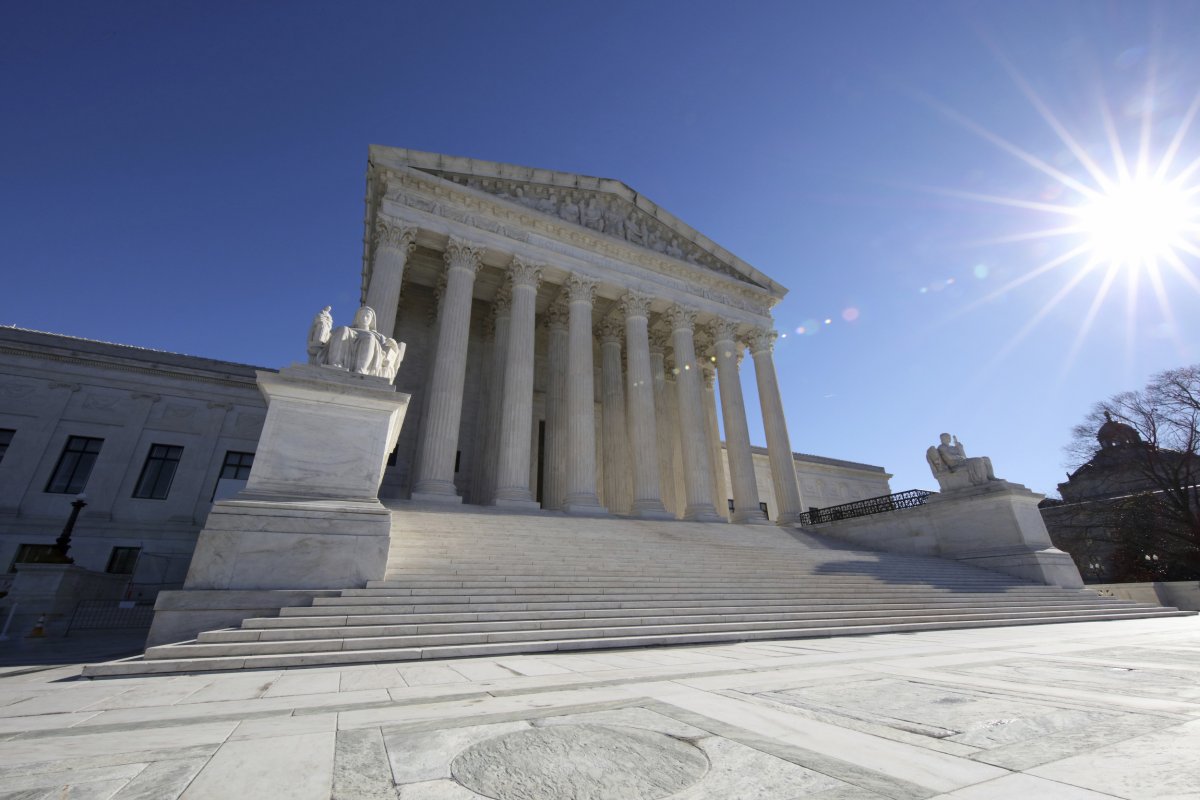
A general overall exterior view of the Supreme Court, on January 1, 2023, in Washington.
A general overall exterior view of the Supreme Court, on January 1, 2023, in Washington.
Aaron M. Sprecher via AP
What To Know
The case centers on Michael Salazar, who in 2022 filed suit against the NBA after subscribing to its free online newsletter and watching complimentary videos on NBA.com while logged into Facebook. Salazar alleges his video viewing history was shared with Meta, Facebook’s parent company, without his consent, via tracking software incorporated on the NBA‘s website.
The NBA argues that Salazar is not protected under the VPPA because he subscribed to the NBA‘s free email newsletter, not its audiovisual content.
In October 2024, the 2nd Circuit ruled that Salazar was a “consumer” under the VPPA because he had exchanged personal information for access to NBA content. The 7th Circuit agreed with the 2nd Circuit’s decision, but the 6th Circuit rejected those decisions, holding that the VPPA’s protections only to those who subscribe to videocassette tapes or similar audiovisual materials.
“This case is an excellent vehicle for addressing both the VPPA split and whether Salazar had standing to begin with,” attorneys for the NBA wrote in a brief.
Salazar’s attorney, Joshua I. Hammack, argues that the Court should not consider the case because a final judgment has not been reached, and two amended complaints have been filed since the NBA petitioned the Court for certiorari.
“This case is far from an ‘ideal’ or ‘perfect vehicle,'” Hammack wrote in a brief.
Newsweek has also reached out to Hammack for comment.
In May, the NFL filed a brief supporting the NBA‘s petition and emphasizing the potential industrywide repercussions.
The NFL argued that Supreme Court intervention is necessary to address a rise in class action lawsuits against content providers under the VPPA.
“Absent the Court’s intervention, sports leagues and other online content providers will continue to face a slew of class actions under the VPPA,” attorneys for the NFL wrote in the brief.
What is the VPPA?
The VPPA was passed by Congress in 1988 and signed into law by President Ronald Reagan. The law is also referred to as the “Bork bill” because it was passed after Robert Bork’s video rental history became public during his Supreme Court nomination.
The law states that a “videotape service provider” who knowingly discloses information about any of its consumers is liable to provide relief.
What People Are Saying
Shay Dvoretzky and Raza Rasheed, attorneys for the NBA, in a brief filed Wednesday: “The parties agree that the petition presents an important, certworthy VPPA question. This case is an excellent vehicle to resolve that question and whether Salazar has Article III standing. The Second Circuit’s decision on both questions was wrong, and it threatens widespread damage to the modern internet economy. The Court should intervene.”
Joshua I. Hammack, attorney for Michael Salazar, in a brief: “Nothing about ‘subscribing’ is unique to audiovisual goods or services. There is simply no basis to rewrite the VPPA’s definition of ‘consumer’ to impose a limitation that appears nowhere in the text.”
What Happens Next
The NBA has filed a petition for a writ of certiorari to the Supreme Court. The Court has yet to decide whether it will hear the case.
Do you have a story that Newsweek should be covering? Do you have any questions about this story? Contact LiveNews@newsweek.com.