
When the Utah Jazz’s season started, it wasn’t clear how things would go. With a starting unit that included veterans like Lauri Markkanen, John Collins, and Collin Sexton, it was hard to know what exactly the Jazz were going to do this season.
What Jazz fans wanted was a clearer direction than what they got in the last two seasons. In both seasons, the Jazz started trying to win games, then pulled the plug at the trade deadline and tanked for the rest of the season. The major sentiment was for the Jazz to pick a direction. Of course, the direction I wanted, and the one established as the most plausible way to add superstars to a team, is by getting a top pick in the draft. The most possible way to do that? Tear it down and rebuild.
But how do you do that when you have established players on your team, including a former all-star in Lauri Markkanen? That sentiment created a summer of trade rumors that saw teams like the Warriors and Kings see if they could pry him away from the Jazz. After endless rumors, the Jazz finally ended up signing Lauri Markkanen, and doing it on a date that meant they couldn’t trade him at the trade deadline because it put his trade eligibility afterwards. It didn’t feel like a move that would allow the Jazz to lose enough games the next season when they would go for Cooper Flagg.
And that’s when a new argument arose. Everyone who felt it was a good idea to give Markkanen a max contract said, “You can still tank with Markkanen.”
We heard that repeatedly from various people. They treated it like some triumphant retort to the idea that you had to trade all your veterans to lose games. Turns out, they were very wrong.
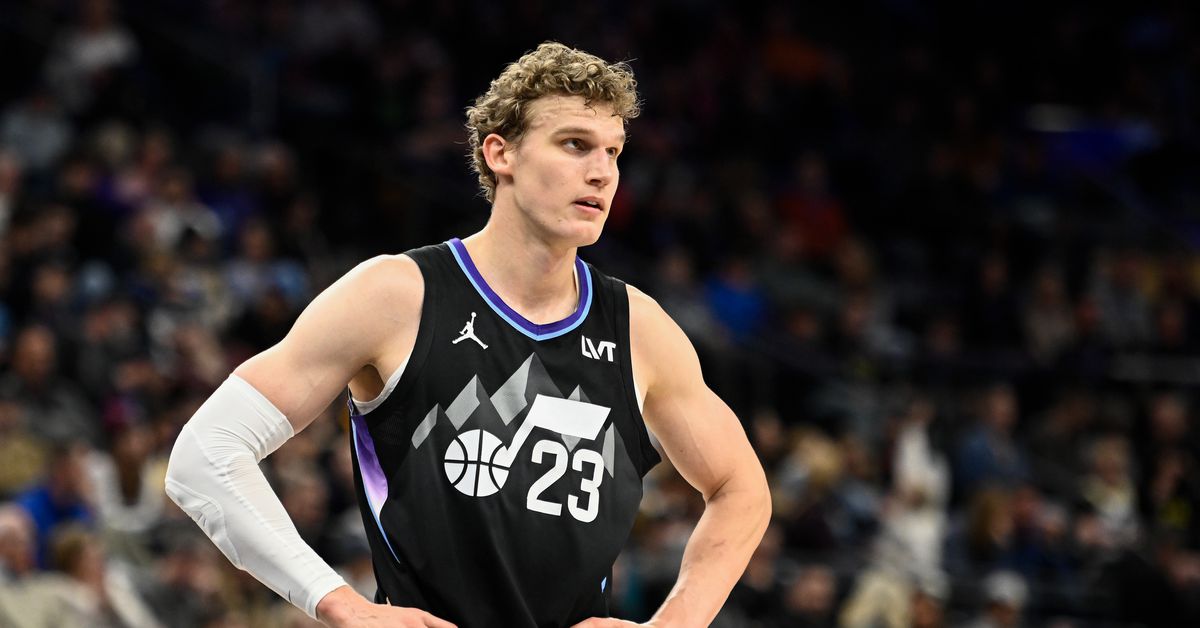
There will still be some that say the Jazz “could tank with Markkanen on the roster” because they’ve ended up with the worst record in the league. But that took some blatant tanking games by not playing Markkanen. In total, Markkanen didn’t play 35 games this season. Of those 35 games that Markkanen didn’t play, 14 were against non-playoff teams, and four were against play-in teams. Of the 47 games Markkanen played, eight were against non-playoff teams. The most interesting part of that? Three of those games were in November against the Spurs, who had Victor Wembanyama playing. The Jazz went 1-2 in those Wembanyama games. The one game the Spurs didn’t have Wembanyama? Markkanen didn’t play. On top of that, Utah also played Markkanen against the Suns 4 times, all of them losses. And this doesn’t even consider that Utah was fined for how many times they rested players.
Utah also rested many of its veterans throughout the season, especially John Collins. Still, Utah had to strategically sit Markkanen all season to make the #1 pick possible.
Even though that’s interesting, and I probably should make the article more about that, I hated the “you could tank with Markkanen on the roster.” With the season over, I’ve thought about that a lot. NBA contracts are becoming more and more difficult to manage with the new CBA, and you have to be careful with how much you are giving to players. Just ask the Phoenix Suns. You can easily find yourself in cap hell if you aren’t prudent with who you give those contracts to.
So Utah could beat the worst teams in the league with Markkanen, but not the good ones. And even if it were true that you could tank enough to get to where the Jazz are now with Markkanen, that should tell you that you should have second thoughts about a huge contract like that. If you’re a non-playoff team, the goal is to build a core surrounding a superstar. You’re in the perfect position to do that. If you are giving a huge contract to Markkanen and then another potentially large contract to Walker Kessler soon, are you putting yourself right back to where you were before this tanking season?
With the most important lottery in Jazz history coming up, Utah has big decisions to make whether they get Cooper Flagg or not. With Markkanen, they’re the best of the worst teams in the league. You add Cooper Flagg to the mix, you’re ceiling is possibly the play-in. To make these decisions even more difficult, Utah will lose its pick next season and any potential pick swap if they are not in the bottom 8 of the league on draft night. If they are pick 9 or higher, that pick goes to the Oklahoma City Thunder. The reason? They still haven’t settled the Derrick Favors trade with Oklahoma City because of a contract they shouldn’t have done back then. These things have consequences, and Utah has to pick a direction again this offseason, likely one that means a Markkanen trade. But now it becomes harder to trade him because of the size of the contract and making the salaries match. If the Jazz want to pair a star from next year with whoever they draft this year, they have no choice but to move Markkanen. Securing a top-8 pick is going to be much more difficult than securing a top-10, especially with next year’s draft being even more loaded than this one.