
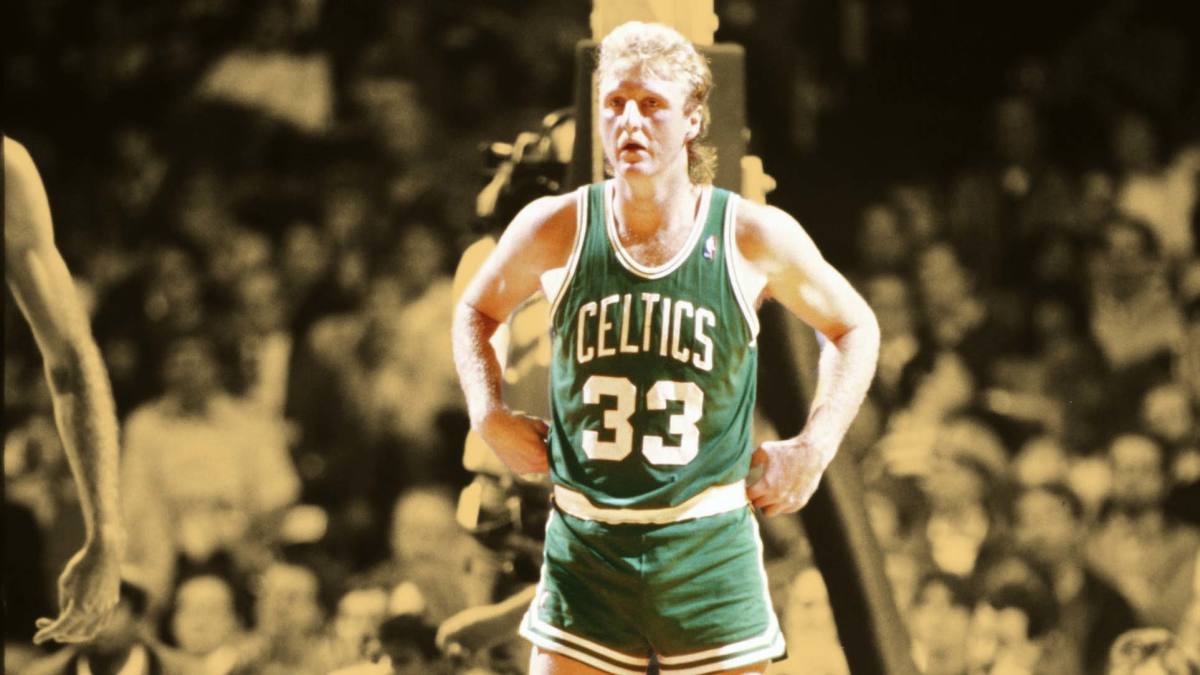
As the Boston Celtics celebrated their 1986 title, little did they know that it would take three decades before they hoisted the Larry O’Brien trophy again.
That Celtics team is considered one of the best in NBA history. Larry Bird was in his third MVP campaign, Kevin McHale was peaking as the most efficient low-post scorer in the league, Robert Parish remained a reliable and durable anchor at center, and Dennis Johnson remained one of the best defensive guards in the game.
Advertisement
On top of that, they had added Bill Walton, who, despite a history of injuries, had managed to stay mostly healthy throughout the year and gave Boston one of the smartest and most effective sixth men in league history.
Everything looked great
The Celtics’ camaraderie and talent helped them to a 67-15 regular-season record. During the season, they lost one game at home. The playoffs were tough, but they stormed over the Bulls, Hawks, Bucks, and Rockets to clinch the title.
Advertisement
From the front office down to the last man on the bench, there was a shared belief that this team had a few more great runs in them. But as Bird would later reflect, it all changed faster than anyone expected.
“After that 1986 championship, everything fell apart,” Bird wrote in his 1999 book “Bird Watching.” “[Bill] Walton stuck around another season, but he was hurt almost all of it, and he retired after playing only ten games in 1987. The Celtics drafted Len Bias that spring, and he died of a cocaine overdose. That was a real shock. I was taking a shower, and my mom came in and told me. I thought it was somebody’s idea of a cruel joke.”
Unfortunately for the Celtic Nation, things quickly went south. Walton‘s injury problems resurfaced, and the starting bigs had to carry a much heavier load during the regular season. But the biggest hit Boston took was the death of their lottery pick, Len Bias.
Advertisement
Two days after the Celtics used the second overall pick to draft him, a high-flying forward from Maryland with superstar potential had died from a cocaine overdose. Bias hadn’t even practiced with the team. His death rocked the entire NBA, but it hit Boston particularly hard because he was supposed to be the bridge to the future.
The roster stayed elite on paper
In 1987, the Celtics made the NBA Finals with a 59-23 regular-season record. They had to fit tooth and nail in the Eastern Conference before meeting and losing to their archrivals, the Los Angeles Lakers.
Advertisement
The signs of the decline were obvious: Walton barely played, and McHale played with a broken foot, which impacted him for the rest of his career. The bench was shallow, and the Celtics had to play their stars much more than they could, which showed in a continuous decline of their health and impact.
That 1986 title wasn’t supposed to be the end of anything. It was meant to be a midpoint. The team was still built around stars in their prime. Bias was supposed to give them an explosive young scorer who could eventually take the pressure off Bird and carry the torch when the older players stepped aside.
Instead, the Celtics spent the rest of the 1980s trying to squeeze one more run out of a group that had already peaked. They made deep playoff pushes but could never return to the top. With McHale and Bird hampered and without Bias the front office was limited in what it could do.
Advertisement
This story was originally reported by Basketball Network on Aug 27, 2025, where it first appeared in the Old School section. Add Basketball Network as a Preferred Source by clicking here.