
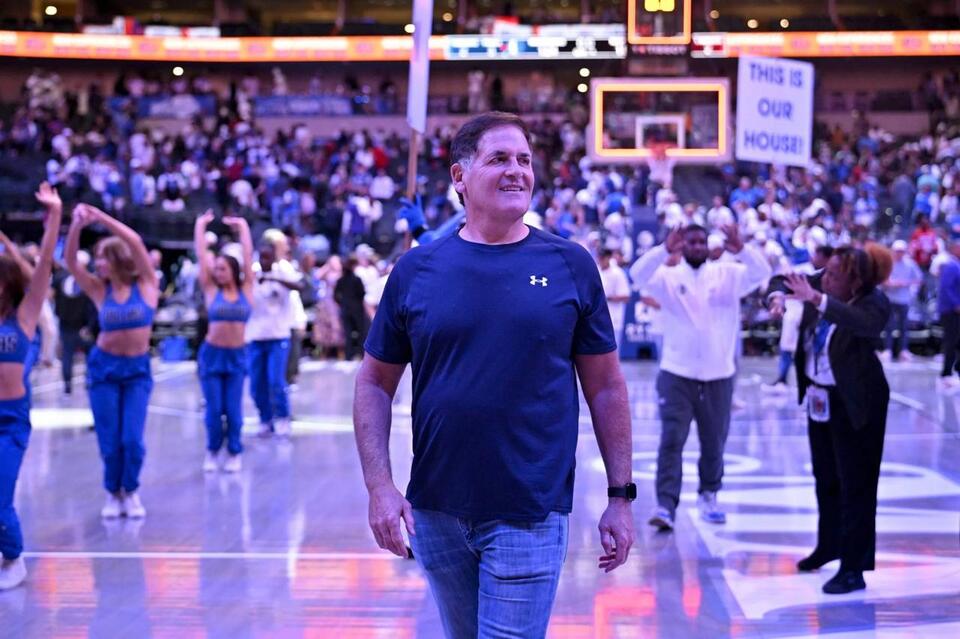
Mark Cuban has always been one to stir up conversation, but even by his standards, his decision to sell his majority ownership stake in the Dallas Mavericks stunned the basketball world.
The man who had been synonymous with the franchise for over two decades shocked everyone when he handed the reins to the Adelson family, creating ripple effects that are still being felt today.
How Did the Mavericks Change After Cuban’s Sale?
Since Cuban sold the Mavericks toward the end of 2023, the team has undergone dramatic changes in a remarkably short period. The franchise led by Luka Dončić reached the 2024 NBA Finals but fell short against the Boston Celtics. However, what happened next caught everyone off guard.
The Mavericks’ upper management appeared to lose faith in their superstar. They traded Dončić to the Lakers in return for Anthony Davis, a move that sent shockwaves through the league. Adding to the dramatic reshuffling, the Mavericks acquired the number one pick in the 2025 draft.
These sweeping changes have transformed the franchise’s entire identity, leaving fans wondering what might have been different under Cuban’s full control.
Does Mark Cuban Regret Selling the Dallas Mavericks?
Selling an NBA franchise carries almost the same weight as purchasing one, and Cuban’s decision raised eyebrows across the basketball community. As a highly successful businessman who built his reputation as one of the country’s leading entrepreneurs, his choice to step away from majority ownership seemed out of character.
During a recent episode of the DALLAS Mavs podcast, Cuban addressed the elephant in the room. When asked to reflect on his decision, he provided a candid response that revealed his true feelings about the process.
“I don’t regret selling the team. I regret how I did it. Would I still sell the team? Yes. For all the same reasons I’ve said a hundred times. Would I do it the same way? Absolutely not… would have put it out to bid, you know, but you know, I didn’t, so it doesn’t matter.”
Cuban’s admission reveals a businessman’s perspective on what could have been a more lucrative transaction. He sold most of his stake in the Dallas Mavericks to the Adelson family for $3.5 billion, though he retained 27% ownership of the team.
The sale wasn’t driven by financial desperation but by strategic considerations. Cuban cited the league’s new focus on real estate development and his desire to prevent the Mavericks from becoming a family business as key factors in his decision.
By putting the team up for competitive bidding through an auction format, Cuban likely could have extracted significantly more value from the sale. Instead, he chose a more direct approach that, while successful, may have left money on the table.
Despite stepping back from his majority role, Cuban continues to support the organization and remains invested in its success, both literally and figuratively.