
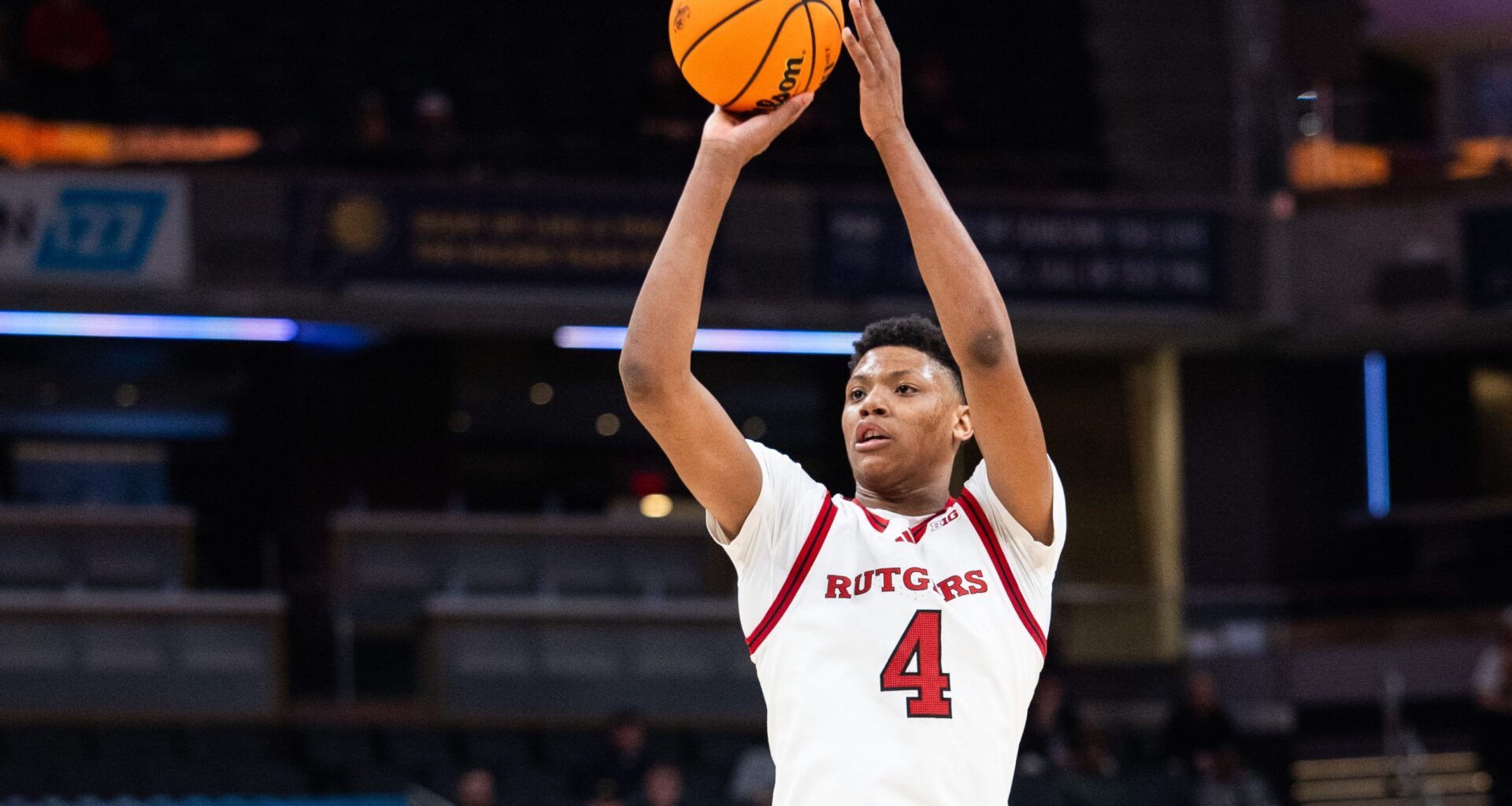
The Utah Jazz have been in dire need of something to excite fans ever since Danny Ainge decided to trade Rudy Gobert and Donovan Mitchell. Now, they believe they’ve found it in the 6-foot-7 wing, Ace Bailey.
Bailey was undeniably the most controversial pick in the 2025 NBA Draft, especially after rumors came out claiming that he was informing teams with a top-5 pick not to draft him. This was solidified when the former Rutgers star declined a workout with Utah.
Ainge and the rest of the front office were aware of his commitment worries, but seemed to believe that his on-the-court talent and potential outweighed any non-basketball-related issues.
Other Additions
While Ace Bailey was by far the biggest story, he was not the only selection the Jazz made. Utah also put together a trade with the Wizards to receive the 18th pick (Walter Clayton Jr.) in exchange for the 21st pick (Will Riley), as well as the 44th (Jamir Watkins) and two future second-rounders (2031 and 2032). Despite this move, the Jazz still had one more available pick in the draft, which they used on John Tonje at No. 53.
What to Look for in Jazz Rookies
Utah is still deep in a rebuild. While this makes it difficult to enjoy Jazz basketball, it’s also the best-case scenario for all three of Utah’s rookies because they will get a chance to play quality minutes.
Expect to see a lot of Ace Bailey this season. He was a top pick for a reason, and the Jazz will be eager to see exactly what kind of talent he brings to the floor. If the Jazz continue to use young players the same way they did last year, expect to see Bailey play 30+ minutes per game.
We can assume a similar approach for Clayton; however, he will likely play fewer minutes than Bailey. Since Clayton is already older than most rookies, he does not have the same kind of superstar potential.
Tonje will likely take a different role on the squad. Utah clearly believes he could be a great addition to the young core—but no one expects him to turn into anything more than a decent role player. Expect to see Tonje play in the range of five to ten minutes per game.
Exciting Opportunities for Ace Bailey
While minutes per game are important, they still don’t tell us the whole story: What are the roles that the Jazz rookies will take when they’re on the court?
Utah is going to have Bailey carry the load offensively. He has proven to be a skilled ball handler and scorer; the Jazz will now want to put those skills to the test at the NBA level.
When playing with the starters, Bailey will essentially be a glorified role player. However, as soon as the bench comes out, Utah will subject him to a trial by fire, fundamentally having him lead the squad and prove he’s as good as a lead-option as they hope he can be.
Other Jazz Rookies’ Roles
Walter Clayton is likely to get similar opportunities to lead, but on a much smaller sample size. While Clayton is also a proven leader, his lower ceiling limits him to a more standard role for Utah. Nonetheless, he is still going to get plenty of opportunity, and will undoubtedly have his number called in the clutch.
As was previously mentioned, Tonje will mostly be playing late minutes in blowout games. Still, the Jazz wouldn’t have picked him if they didn’t have any faith in his ability. In these rare occasions that we do see Tonje playing bigger minutes, he will probably be the second scoring option. The Jazz aren’t going to experiment with him being the first option until he gives them a good reason to.