
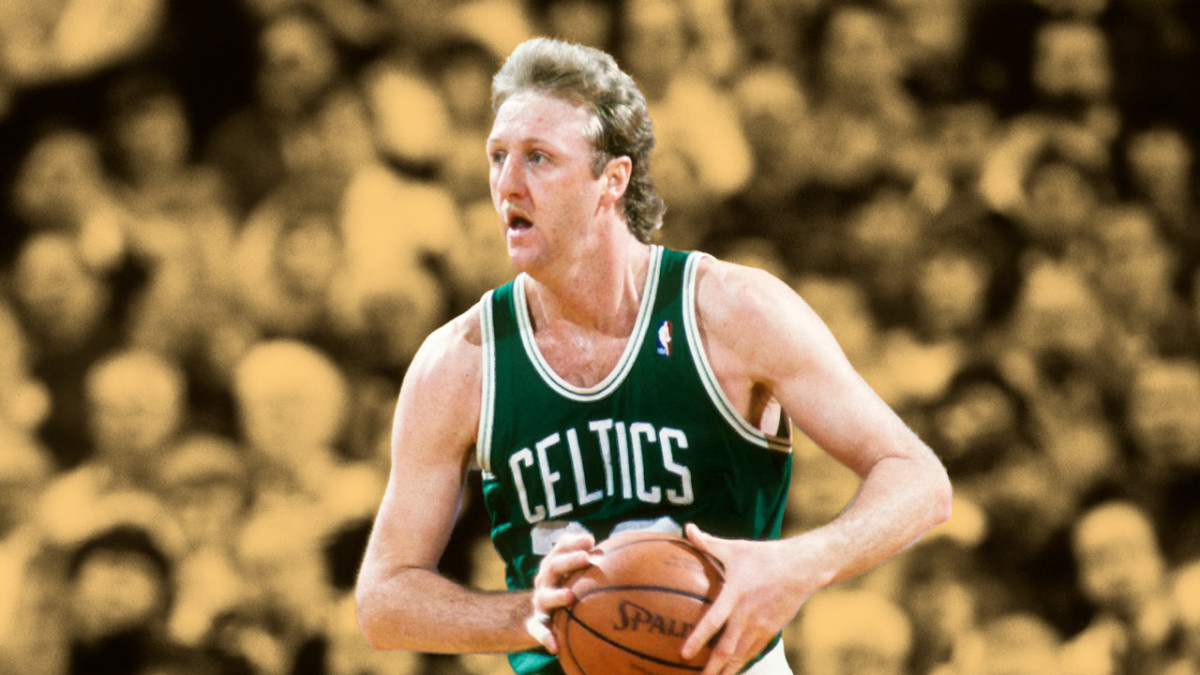
Ever since Larry Bird entered the league as the 6th overall pick in the 1979 NBA Draft, one thing was immediately clear — his competitiveness was unmatched. Any time he stepped on the court, Bird went full throttle, not worrying about the consequences. Whether it was diving for loose balls, fighting through contact in the paint, or chasing every rebound, Bird left it all on the floor. However, this intensity came at a cost.
As his career entered its second half, injuries began creeping in, and they didn’t hold back. When asked whether he could have toned down his all-out style to prolong his career, Bird didn’t hesitate to give a straightforward answer that left no room for misunderstanding.
Advertisement
“Well I remember my first year in the league, we played against Artis Gilmore and he told me I wouldn’t last very long if I keep diving around. Well, it has caught up with me,” Bird admitted in a vintage interview with ESPN.
“You know, I do dive a lot, I do spend a lot of time on the floor, and that’s probably why I do have a lot of injuries. But, that’s the way I play, and I’m not going to stop playing like that,” he concluded.
Bird knew no such thing as rest
Long before today’s era of load management and meticulous preservation of bodies to maximize longevity and monetary gain, players like Bird, Michael Jordan, and Magic Johnson went all out night after night. Whether it was a mere preseason matchup or a do-or-die game in the playoffs, they wanted to win at all costs.
Advertisement
While this might sound overromanticized from today’s point of view, it was very much the reality of that generation. Players battled through bruises, cuts, sprains, and all the physical toll that came with pushing their limits. The excitement for fans was there, no doubt about it, but it came at a personal cost to the athletes themselves.
Larry Legend was the poster boy of that mentality. From a sprained finger to persistent back soreness, Bird played through it all. His toughness and determination weren’t just physical — they were mental. While that approach undoubtedly shortened certain aspects of his career, it made him one of the most iconic figures in the game.
A different level of competitiveness
Tied to that competitiveness, Bird also admitted that his approach wouldn’t exactly be suited for the modern NBA. And no, not because of the physical toll it took on his body, but because of his legendary trash-talking. With all the cameras and social media around, Larry believed his verbal warfare wouldn’t fly.
Advertisement
“I would probably be thrown out of the games now,” Bird said. “The game has changed. Everybody talks about that now, but I don’t really remember a lot of it.”
The legendary Boston Celtics forward’s competitiveness was a double-edged sword — it fueled his greatness but also accelerated the wear and tear.
Bird retired in 1992, leaving behind a career decorated with three NBA championships, three MVP awards, and countless unforgettable moments. Who knows — if he pumped the brakes here and there, fans might have been able to enjoy a little bit more of his basketball artistry. However, looking back, it just wouldn’t be him.
Advertisement
This story was originally reported by Basketball Network on Oct 4, 2025, where it first appeared in the Old School section. Add Basketball Network as a Preferred Source by clicking here.