
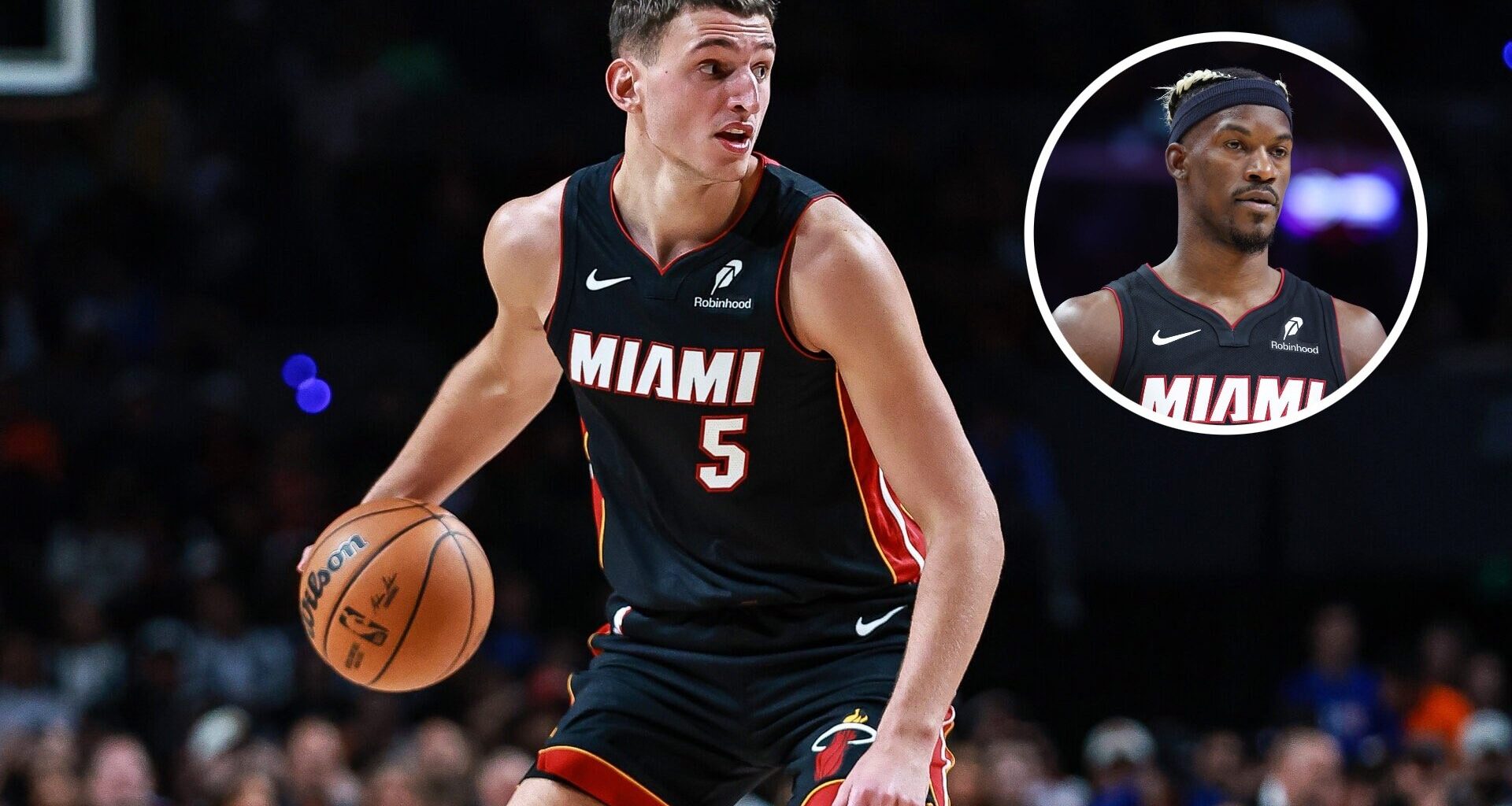
The Jimmy Butler trade to the Golden State Warriors appears to have weakened the Miami Heat on paper.
The common assumption stems from losing their superstar after an early playoff exit last season.
The Heat were swept by the Cleveland Cavaliers in the first round, with stars like Tyler Herro, Bam Adebayo, and Andrew Wiggins failing to elevate the team.
This season, Miami hasn’t added a Butler-level replacement and lost Herro for the season’s start due to injury.
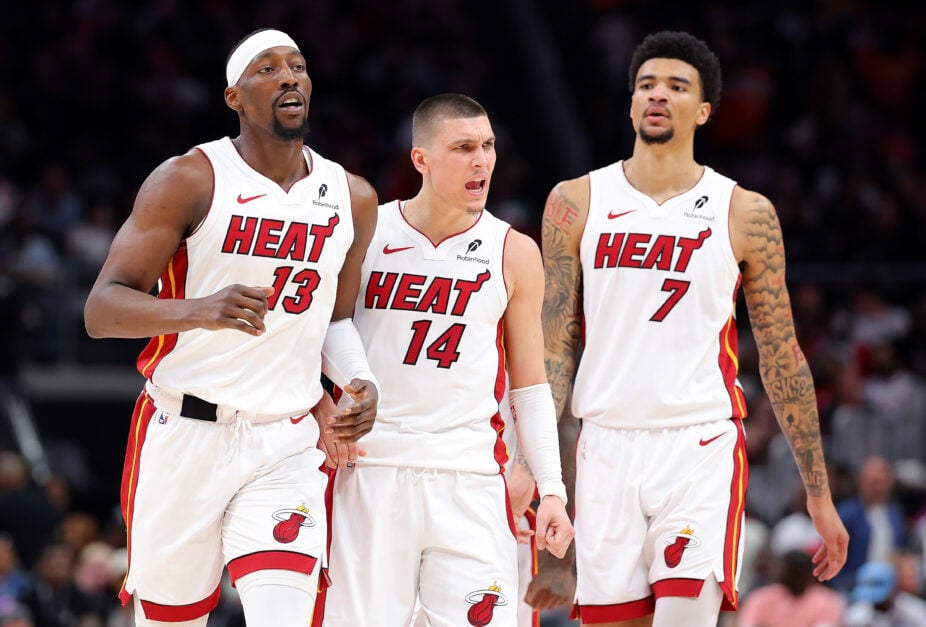 Photo by Kevin C. Cox/Getty ImagesFollowing the Jimmy Butler trade, Nikola Jovic identified collective pace control as an unexpected advantage
Despite the apparent downgrades, Heat forward Nikola Jovic believes playing without Butler provides certain advantages.
Specifically, Miami can now control their game pace more collectively without a dominant ball-handler dictating tempo.
“When you have a ball-dominant player like Jimmy who was here, you have to play at his pace. It was working,” Jovic explained.
“I know basketball in the NBA has transitioned to more transition basketball. But if you have a guy like that who can get you to the top with that pace, you have to play slow.”
Jovic emphasized how Butler’s methodical style, while effective, limited Miami’s ability to embrace modern NBA pace-and-space principles.
“This year, it’s just easier. You don’t have a guy who’s ball-dominant like that. So we just got to find a way to play faster,” he added.
 Photo by Stacy Revere/Getty ImagesYouth-oriented Heat attack led by Nikola Jovic, Davion Mitchell, and Kasparas Jakucionis
The Heat will operate more collectively next season than during the Butler era.
While Adebayo remains, he won’t dominate possession like the guards, allowing for more distributed offensive responsibilities.
With Herro sidelined, Jovic alongside Davion Mitchell, rookie Kasparas Jakucionis, Norman Powell, and Wiggins will form Miami’s offensive core.
This represents a less experienced lineup compared to the Butler era, but the open Eastern Conference provides opportunities.
The Heat could surprise opponents with their new up-tempo approach, capitalizing on collective ball movement rather than relying on individual star power to create offense in half-court sets.