


It raised eyebrows across the NBA world when the Chicago Bulls announced they had signed guard Mac McClung and then waived him just three hours later. At first glance, it seemed like a bizarre case of signing someone only to let them go immediately. But beneath the surface, this move follows a familiar pattern in NBA front-office strategy.
The timing of the move is particularly interesting because Mac McClung recently made NBA All-Star Weekend history by becoming the first player ever to three-peat in the Dunk Contest. His jaw-dropping performances have earned him mainstream attention — and perhaps more popularity than some two-way players currently on NBA rosters.
It wasn’t about McClung’s talent or fit at the NBA level; it was about securing his rights in the G-League, preserving roster flexibility, and positioning the Bulls’ affiliate for developmental potential.
Let’s explain exactly what happened, why the Bulls made the move, and what it means for McClung’s path forward.
What Exactly Happened With Mac McClung And The Bulls?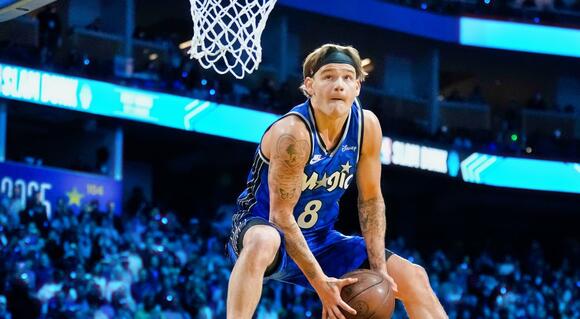
On October 17, 2025, the Bulls signed Mac McClung. Just hours later, the team waived him.
The timeline is startlingly short, unusual enough to invite speculations about a bizarre front-office mistake or instant regret. But the reality is that the move aligns with an NBA strategy often used for players targeted for the G-League affiliate rather than the NBA roster itself.
According to multiple reports, McClung was signed on an Exhibit 10 contract, a short-term deal that allows the signing team to funnel a player to its G-League affiliate while offering a bonus for staying there.
Fans familiar with McClung’s high-flying reputation might recall his insane over-the-car slam that went viral earlier this year — a performance that reaffirmed his status as one of the most entertaining athletes in basketball, even if he’s still fighting for an NBA roster spot.
Why Did The Bulls Essentially “Sign Him To Waive Him”?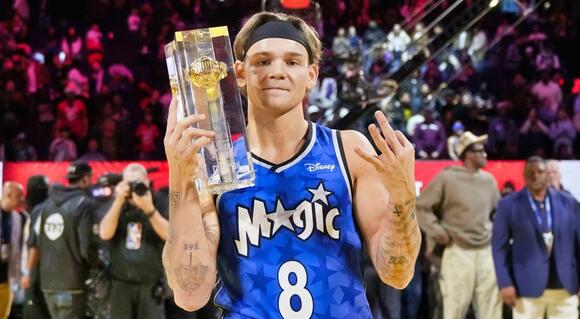
There are three main strategic reasons:
1. Securing G-League rights and affiliation
By signing McClung, the Bulls gained his NBA rights temporarily, then waived him under the Exhibit 10 structure, ensuring his rights can be assigned to their affiliate, the Windy City Bulls. This gives Chicago the first opportunity to develop him in their system.
2. Avoiding burning an NBA roster spot
McClung is not counted as one of the 15 guaranteed spots if he is waived and assigned to the affiliate. With the Bulls’ roster already deep at guard—featuring players like Josh Giddey, Coby White, Ayo Dosunmu, and others—they did not have space for McClung at the NBA level. The move allows them to retain their development rights without sacrificing a spot.
3. Bonus and development incentive structure
Exhibit 10 contracts often include a bonus (up to $50-$100k, depending on structure) if the player spends 60 days with the affiliate. For McClung, this gives a stable path to development—and for the organization, it ties him into their system rather than risking a rival G-League or NBA team signing him.
Final Take
What seemed like a puzzling front-office move by the Chicago Bulls, signing and then immediately waiving Mac McClung, is not a symbolic rejection but a calculated strategic maneuver. The team acquired his rights, assigned him to their G-League affiliate, and sidestepped filling a 15-man roster spot, positioning him for development with bonus incentives.
The post The Real Reason Chicago Bulls Waived Mac McClung Just Hours After Signing Him originally published on Total Pro Sports.