
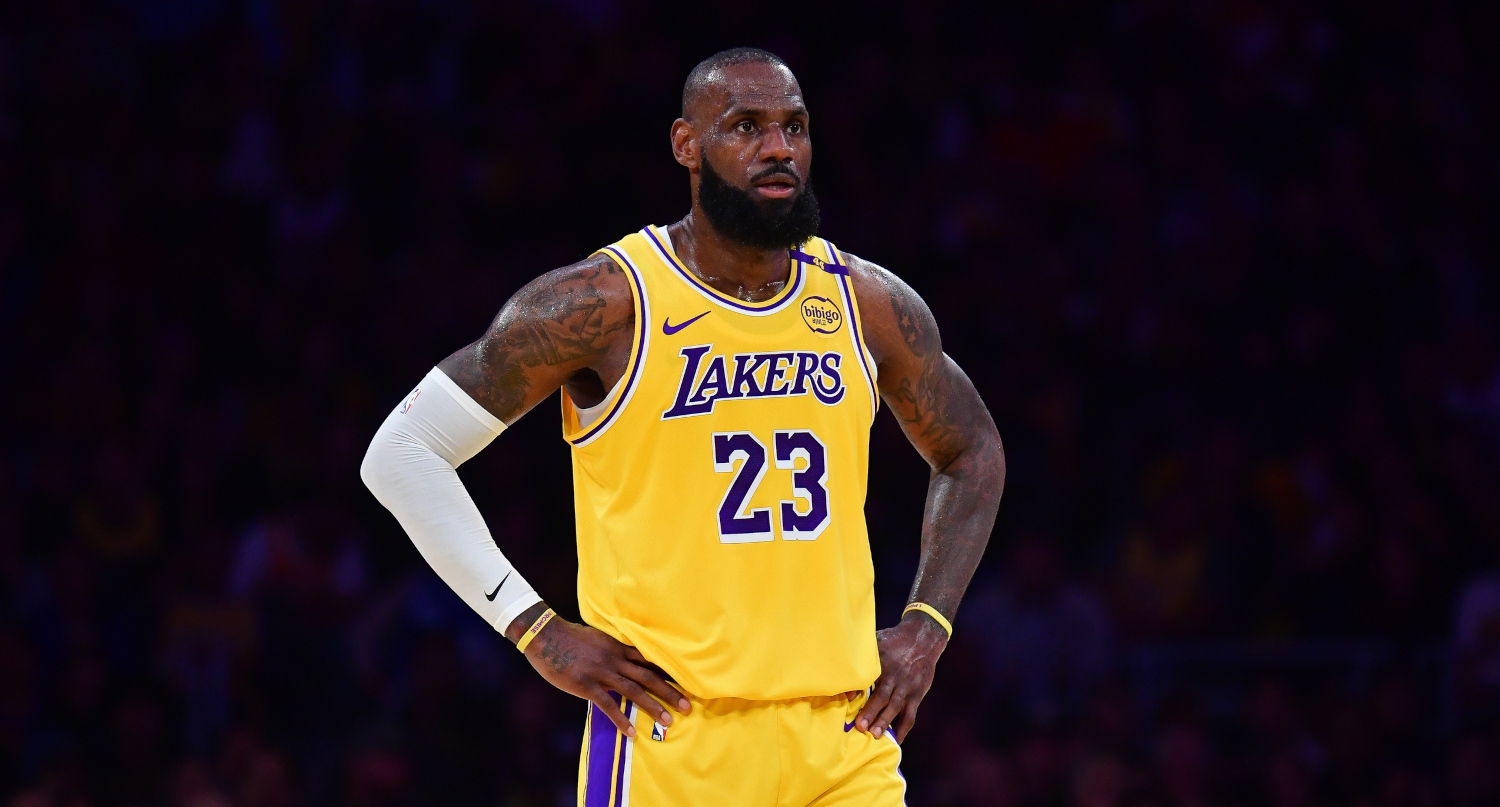
The state of sports documentaries and storytelling has gone through a creatively frustrating period because athletes are becoming more and more resistant and hesitant to engage in media access. And that’s something New Yorker editor David Remnick discovered first-hand from LeBron James.
More and more athletes are taking their messaging direct-to-consumer through their own podcast or even outlets like The Players’ Tribune. And forget about seeing a documentary that’s actually informative and interesting that seek to tell an actual story. The vast majority of pieces that have been made ever since The Last Dance have largely been public relations enterprises that are seeking to enhance the image of the main character involved.
LeBron James has perhaps had as complicated a relationship with the media as any athlete in modern history. And he’s no stranger to doing it himself all the way from The Decision to his own podcast with his now Lakers head coach J.J. Redick.
In an appearance on The Press Box podcast with Bryan Curtis at The Ringer, the former Pulitzer Prize winner and acclaimed author told a story about wanting to do a profile of James. And although he thought the opportunity was going to come to life after he hit it off with the global superstar at a dinner, he quickly had his hopes dashed by the realities of modern media.
Dept. of Thwarted Profiles:
David Remnick wanted to write about LeBron James for the New Yorker. LeBron’s team had other ideas.
Full interview with Remnick in our December Issue: https://t.co/dkAoejkIbL pic.twitter.com/OO8FgsCflo
— Bryan Curtis (@bryancurtis) December 1, 2025
“These guys are way more walled off,” Remnick said. “And so you get a lot of these documentaries that the athletes are in control of their own image and you see these cameramen walking backwards as the great lordly athlete dressed to the nines strides through the bowels of this arena or that. It makes the hagiography of 50s newspaper reporting look utterly, utterly contemptuous. I miss that kind of sportswriting and access.”
“I once had my eyes fixed on for myself to write a profile of LeBron James,” he added. I was really excited about it. And a friend of mine who knew him put me together with him for a dinner. It was an off the record dinner with LeBron and Maverick Carter, somebody else from his team. It was incredibly pleasant. I gave LeBron my Ali book called King of the World and he put it on his Insta stories. I thought, ‘I’m in man! This is happening. I’ll be out in LA really soon, no problem.’”
“Within three days, his comms guy was in my office telling me, ‘We can’t do this. Why would we do this? If we want to get our message out we’ll do social media. And if we want to tell our story we’ll get a ghostwriter and make a big deal with Random House and tell it direct.’ In other words, they don’t want any mediation because it can only go wrong in their view.
Unfortunately, that’s how most of the sports world views the media in this day and age. It’s all about controlling narratives and storylines. In many ways, it’s a full realization of just how much power athletes truly have. And unless the media is willing to play by their rules, they’re usually going to be left on the outside looking in. It’s now up to the folks like David Remnick and others to figure out how to tell those stories without the access that past generations enjoyed.