
Show summary Hide summary
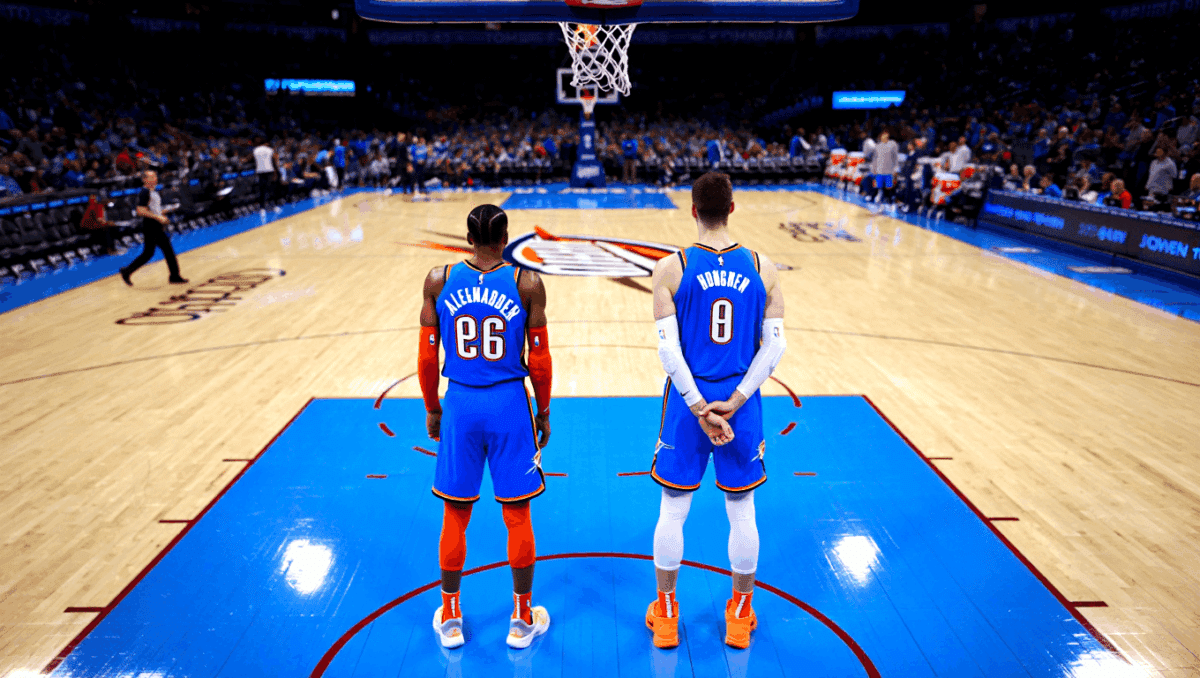
The Oklahoma City Thunder are barreling into the season with a momentum that feels less like a hot streak and more like the start of an era. Their recent dismantling of the Phoenix Suns in the NBA Cup quarterfinals left no doubt: this team isn’t just winning games, it’s staking a claim on the next decade of NBA history.
What makes this run so electrifying isn’t only the scoreboard. It’s the combination of youth, locked-in contracts, savvy front-office maneuvering and a 24-1 start that echoes some of the greatest dynasties the league has ever seen. Below, we unpack how the Thunder have built a foundation that could reshape the championship landscape for years to come.
Where OKC’s surge sits in NBA history and why it matters
The NBA has seen only a handful of stretches where one franchise dominated a decade: George Mikan’s Minneapolis Lakers in the early days, Bill Russell’s Boston Celtics through the 1960s, and Michael Jordan’s Chicago Bulls in the 1990s. In more recent memory, the 2015-16 Golden State Warriors carved out an extraordinary regular-season run en route to a modern dynasty.
The Thunder’s current 24-1 record puts them shoulder-to-shoulder with that Warriors start in historical terms. With the NBA Cup semifinal against the San Antonio Spurs and the potential Cup final looming, a pair of wins would push Oklahoma City to an unprecedented 26-1 if they capture the Cup — a mark no NBA team has recorded in the modern era.
This isn’t simply about matching a win total; it’s about timing and trajectory. Few teams have combined elite production from a franchise cornerstone with affordable, renewable depth and draft flexibility. That mix is exactly what makes the Thunder’s run feel different — and possibly more sustainable.
Core stars, team chemistry, and contract certainty that extend the window
Shai Gilgeous-Alexander is at the center of the Thunder’s revolution, playing at an MVP-caliber level that anchors both offense and identity. Around him, OKC has developed two high-upside co-stars in Jalen Williams and Chet Holmgren. Those three players aren’t short-term projects: the club has extended each through the 2030–31 season, creating a rare continuity.
Comparisons to the 2015–16 Warriors are inevitable: that team had an aging Steph Curry alongside Klay Thompson and Draymond Green in their primes. The Thunder, however, are younger across the board. That youth translates into a longer competitive horizon and fewer immediate cap pressures.
Key points:
SGA’s leadership provides steady elite production on both ends of the floor.
Williams and Holmgren are ascending, and their injuries or absences (like Williams’ early-season missed games) haven’t derailed the club.
Long-term extensions mean roster stability and a clearer path to sustained contention.
Deep draft coffers and smart trades that keep the pipeline stocked
One of the clearest advantages the Thunder possess is their wealth of future draft assets. Oklahoma City’s front office has not only acquired multiple picks but structured protections and swaps that could pay off as other franchises falter or retool.
A snapshot of meaningful upcoming assets includes:
The team’s own 1st-round selections in upcoming drafts.
Philadelphia’s 1st-round pick (protected 1–4), giving OKC upside depending on Philly’s finish.
Utah’s 1st-round pick (protected 1–8), which could slide into lottery territory.
Conditional pieces in 2027 — Denver’s pick (unless top-5), San Antonio’s pick if it lands later than 16, plus a right to swap certain picks with the Los Angeles Clippers.
Those protections and swaps are more than contractual footnotes; they’re engines for long-term competitiveness. A smart general manager has the flexibility to trade picks for talent, absorb contracts to move up, or bank high-upside lottery selections. Sam Presti’s willingness in the past to absorb payroll — most notably taking Derrick Favors’ contract to secure Utah’s pick — exemplifies the kind of forward-thinking moves that keep OKC’s balance sheet clutter-free and its draft board deep.
Prospects, medical comebacks and why patience could pay off
Not every future asset is a draft number; some are players who haven’t yet hit the court. Two recent lottery picks in Nikola Topic and Thomas Sorber represent high-upside potential that has been delayed by health issues. Topic is battling testicular cancer, and Sorber is rehabbing from a torn ACL. Both are expected to join the team once healthy.
Their eventual integration could look like this:
Fresh rotational depth without sacrificing core minutes.
Cost-controlled rookie contracts that preserve payroll flexibility.
Upside to grow into impact contributors, extending the championship window.
That patient approach — drafting for upside, developing through rehab, and not forcing win-now moves — is a hallmark of sustainable contenders.
Culture, national attention and the tipping point to mainstream recognition
Right now the Thunder feel somewhat under the radar, even as statisticians and rival executives adjust their projections. National narratives often lag reality; history’s dominant teams only become universally acknowledged after accruing hardware and consistent dominance.
When pregame chatter turns into late-night television bits and SGA is invited to host major shows, the team will have crossed from “surprise” to mainstream phenomenon. Until then, the Thunder’s combination of a historic start, a youthful and expensive-to-sign core, and a front office that continually replenishes assets positions them to be a defining franchise of the decade — if injuries, development and a few playoff series fall their way.
You might also like:

John Davis is a sports journalist focused on the NBA, NFL, and major global championships. With seven years of live coverage, he breaks down performances and key strategies. His expertise gives you a clear view of every game and its impact.
Give your feedback
★★★★★
Be the first to rate this post
or leave a detailed review