
Dark clouds loomed over the NBA at the time, with the league staring at its fourth lockout ahead of the 2011-12 season. The 2005 CBA (Collective Bargaining Agreement) had expired, with team owners seeking significant changes to the revenue distribution model.
Unfortunately, neither the team owners nor the players were able to reach a common ground. As a result, the league had to suspend its operations indefinitely.
Advertisement
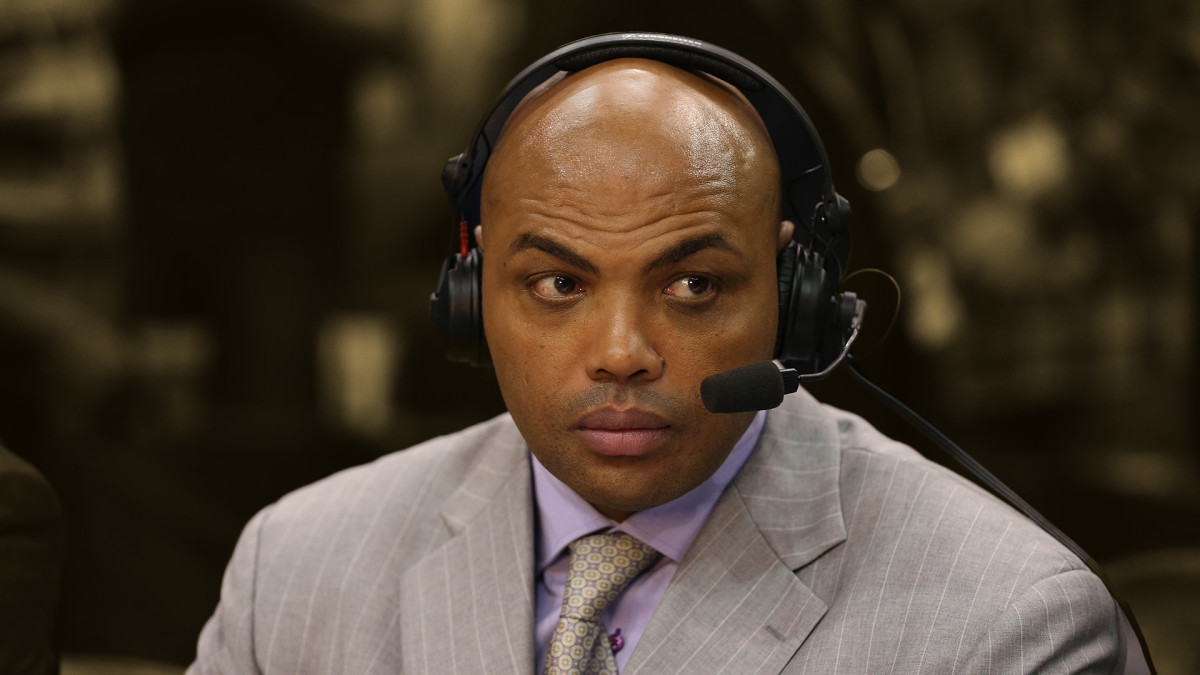
A situation cost the NBA an estimated $800 million, with the entire fraternity bearing consequences, a primary reason former player-turned-broadcaster Charles Barkley was hesitant to accept a salary from TNT. Barkley’s heart went out to those working behind the scenes, be it for the franchises or at the arenas. He felt they would have to bear the maximum brunt of the situation.
“I haven’t told anybody, but I’m actually — believe it or not — I’m leaning toward donating it to charity. I don’t think it’s cool for me to take money I haven’t earned. My decision is either going to be defer it or give it to charity,” he stated.
Barkley had yet to arrive at a concrete decision, keeping in mind that he stood to lose a vast sum if the season were to be shelved entirely. However, he appeared to take a neutral stance on the situation while supporting commissioner David Stern’s long-term vision.
Advertisement
Everyone needed to do a better job
As the NBA dealt with a crisis, Barkley believed all the involved parties needed to do a better job of handling the situation. Addressing how the world was still reeling from a recession, he sensed it was wrong to assume that the owners stood to lose the least financially.
“But we have been in a recession. The only thing that hasn’t gone down are players’ salaries, and players’ salaries are going to continue to go up. So I think that is a legitimate concern. I think everybody who owns a business has been struggling somewhat financially the last three year,” stated the Hall of Famer.
Advertisement
At the same time, he did applaud the late commissioner Stern for his initiative to promote the small-market teams and have a more level playing field. Barkley shared the baseball example in which everyone just wanted to play for either the New York Yankees or the Boston Red Sox.
Key takeaways
The lockout lasted 161 days, from July 1, 2011, to December 8, 2011, reducing the regular season games from 82 to 66. When addressing players’ share of basketball-related income (BRI), a settlement was reached ranging from 49 to 51 percent.
Advertisement
Meanwhile, changes were introduced to the salary cap structure, reducing contract durations and allowing smaller annual increases. The luxury tax bracket was tightened further to prevent big-market teams from exceeding the salary cap and to ensure a competitive balance.
Although the deadlock ultimately came to an end, it was an unfortunate situation, with everyone involved losing in the process. Luckily, the NBA hasn’t faced such a situation under commissioner Adam Silver, and as fans, we hope such scenarios are dealt with maximum cooperation.
This story was originally published by Basketball Network on Dec 20, 2025, where it first appeared in the Off The Court section. Add Basketball Network as a Preferred Source by clicking here.