
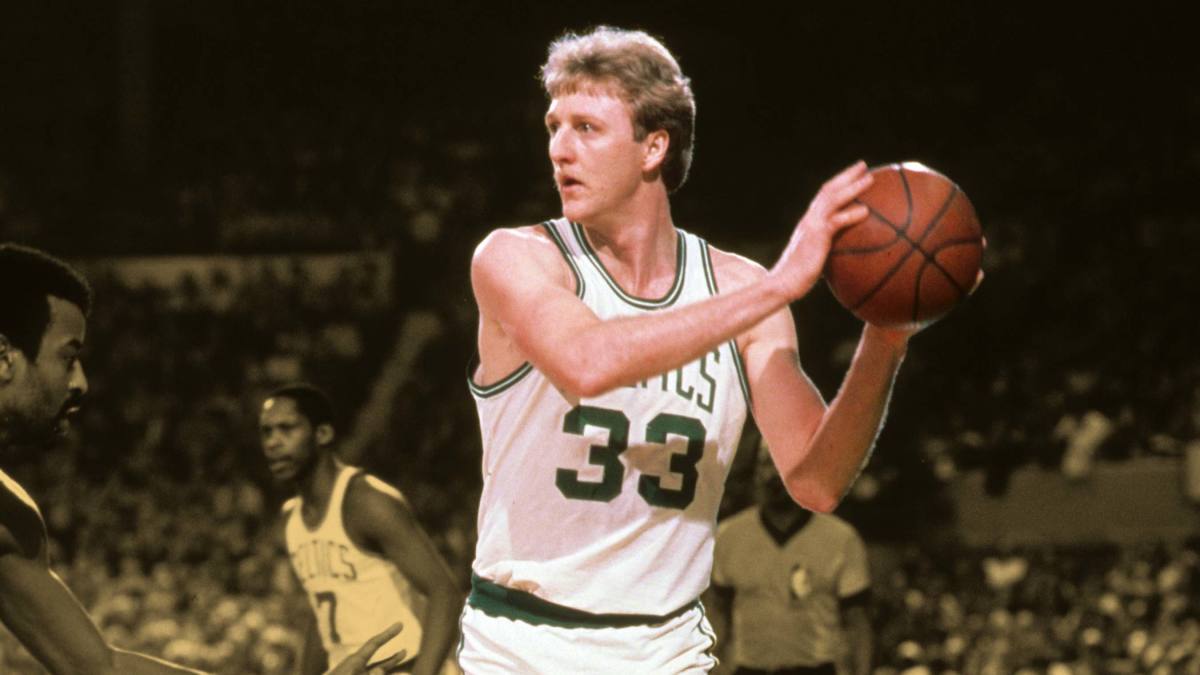
In the summer of 1997, the Boston Celtics found themselves at another crucial juncture. The franchise was still drifting in the post-Larry Bird era, buried in the rubble of the M.L. Carr years and desperate for a figure who could command respect and orchestrate a rebuild.
Team owner Paul Gaston approached Bird, who had long retired as a player but remained a living symbol of Celtics pride, and informed him that the team was ready to move on from Carr as head coach. The legendary forward was asked to compile a list of candidates he believed could restore the C’s to relevance.
Bird frozen out
Among the names Bird believed in, one stood above the rest: Larry Brown.
Advertisement
At that point, Brown was wrapping up a tenure with the Indiana Pacers, a team he had built into an Eastern Conference contender. He had a reputation for discipline, defensive fundamentals and a knack for getting the most out of role players — exactly the traits Boston needed after years of sliding into irrelevance.
“If Larry Brown ended up as the Celtics coach, there was no doubt in my mind he’d get them back on track,” Bird said. “He seemed as if he was the front-runner, but I was guessing. Once I gave the Celtics my list of coaches, I was frozen out. The Celtics weren’t telling me anything.”
It wasn’t just a gut feeling. Brown had transformed teams before — he’d taken the Los Angeles Clippers to the playoffs, won with the San Antonio Spurs and made the Pacers respectable. Bird had seen the results firsthand. With the Celtics mired in mediocrity, Brown’s disciplined style and proven résumé made him a rare, qualified lifeline.
Larry agreed to interview with Boston. Afterward, he called Larry, sounding upbeat. Before long, “Larry Legend” stopped hearing from anyone inside the Celtics organization. There was no follow-up from Gaston, no update from the front office. Brown, puzzled and still hopeful, called again — but Bird had no answers. There was a growing sense that the process had gone dark. Suddenly, Pitino was back in the conversation.
Advertisement
Poor decisions
Bird, once central to the planning of the new head coach, had been cast to the sidelines. One minute, everything was in place and the next it came crashing down.
“Brown interviewed with the Celtics and called me afterward. He sounded excited,” Bird recalled. “He told me, ‘I think I’ve got the job.’ He said Gaston told him he needed just a couple of more days and he’d get back to him with the details. I congratulated him and wished him luck. Next thing you know — boom, Larry Brown is not the next coach of the Celtics.”
Advertisement
Brown never received an official explanation. The same man who’d believed he had the job was now left in the lurch. Not long after, the Philadelphia 76ers — equally desperate for a culture shift — swooped in and hired him.
That summer, Bird was left with a bitter taste. The Celtics had slipped further away from what he believed they could become, and he carried guilt about how things had ended for Brown.
The Celtics, meanwhile, turned to Pitino, who finally agreed to take over in a high-profile deal that made him both president and head coach. It was a power move on Gaston’s part, but it came at the expense of stability. Rick’s tenure in Boston would last just three and a half seasons and include only one playoff appearance.
By the time he left in 2001, the Celtics were no better off than when they started — if anything, they were in a deeper hole — with a 102–146 record under his watch. Bird, on the other hand, moved on to coach the Pacers and, in a twist of fate, led them to an NBA Finals appearance in 2000.
Advertisement
His vision for building a contender had not been misguided. It had just been ignored in Boston.