
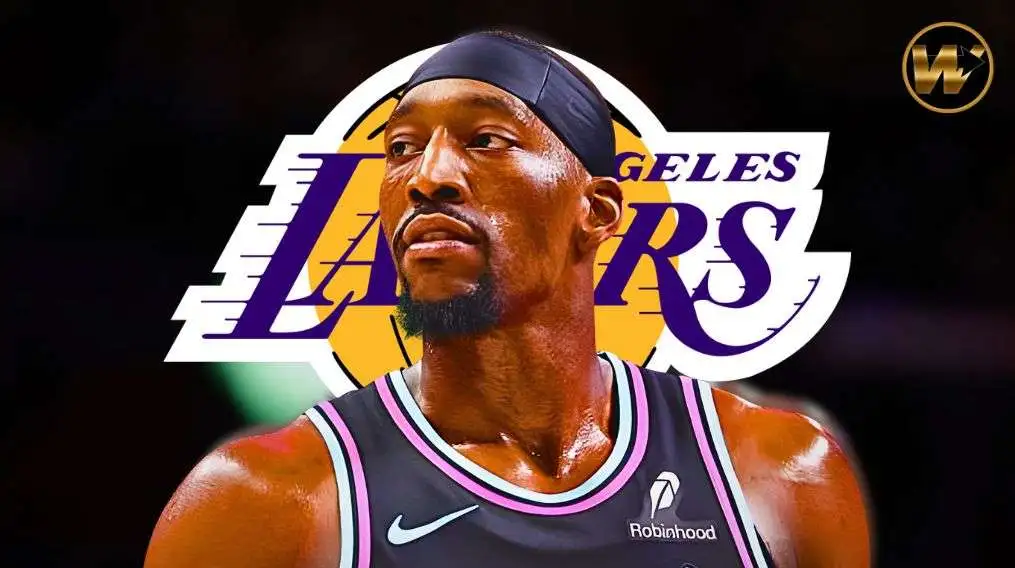
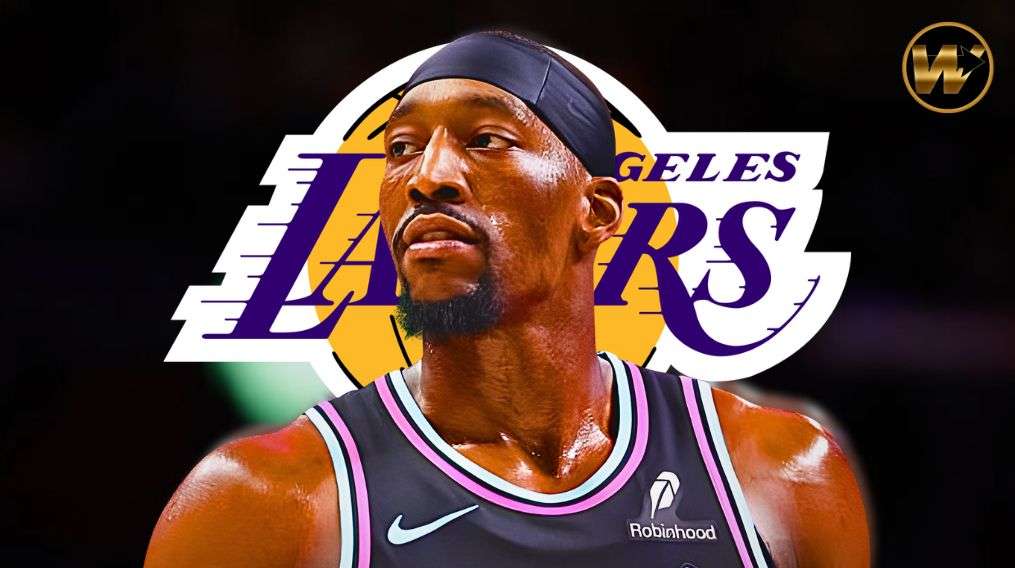
Miami sits in an all-too-familiar spot, uncomfortable and unresolved. By late January, the Heat held the eighth seed in the Eastern Conference at 23–22, staying relevant without feeling safe. The standings aren’t the real problem. The direction is.
After trading Jimmy Butler in February 2025, Miami tried to reshape itself on the fly. The front office leaned into a faster offensive approach, but injuries and constant lineup shuffles derailed the plan. Extended absences from Tyler Herro and Kel’el Ware killed any chance at rhythm, and Erik Spoelstra rarely rolled out the same rotation on back-to-back nights.
Here’s the thing: Miami hasn’t built chemistry. Defensive communication slips too often. The offense flashes in transition, then stalls when games slow into the half-court. Small adjustments only take you so far. Eventually, tougher choices matter.
That’s when Bam Adebayo became the focal point.
More NBA Content from TWSN:
Philadelphia 76ers Trade VJ Edgecombe to the Milwaukee Bucks in Blockbuster Idea
Concerning News on Luka Doncic Ahead of Dallas Mavericks Match
Joel Embiid Traded to the Brooklyn Nets for Nic Claxton Blockbuster Trade Idea
Why Bam Adebayo’s Name Is On the Table For A Trade
Miami shouldn’t treat a Bam Adebayo trade lightly. He has carried this franchise for years, anchoring top-tier defenses and holding the offense together as its most reliable connector. Still, the NBA doesn’t wait for sentiment.
Adebayo remains in his prime, holds real value across the league, and plays a position that contenders are eager to upgrade. If the Heat aren’t close to winning, keeping him out of loyalty risks burning through his best years while postponing an overdue reset.
This conversation isn’t about giving up on Adebayo. It’s about facing a hard reality. Does Miami fully commit to building around him, or do they flip one elite asset into multiple rotation pieces that better fit a retooling timeline?
One team that makes sense in that context is the Los Angeles Lakers.
Potential Trade Idea
Miami Heat Receive: Austin Reaves, Rui Hachimura, Deandre Ayton
Los Angeles Lakers Receive: Bam Adebayo
What Miami Gains in This Deal
Austin Reaves has moved past the “solid role player” label and into high-end starter territory. He no longer relies on star gravity to get looks. He creates offense on his own, and he does it with control and efficiency.
This season, Reaves is putting up 26.6 points, 5.2 rebounds, and 6.3 assists per game while shooting well across the board. He scores at all three levels, reads the floor well, and stays disciplined with his shot selection. He runs pick-and-rolls, hunts mismatches, and stabilizes the offense when possessions stall.
That skill set matters for Miami. Their biggest issue isn’t a lack of talent, it’s offensive stagnation. Reaves gives them a guard who can initiate without forcing shots or over-dribbling. His basketball IQ fits Erik Spoelstra’s system, and even if his defense isn’t elite, his offensive impact changes how Miami functions on that end.
Rui Hachimura Brings Efficient Scoring and Floor Spacing
Rui Hachimura has turned himself into one of the Lakers’ steadiest offensive options, even if it hasn’t drawn much attention. During the 2025–26 season, he averaged 12.0 points per game while shooting better than 50% overall and close to 42% from beyond the arc.
He does his damage without forcing the issue. Hachimura spaces the floor as a catch-and-shoot threat and shows real comfort in the mid-range. That skill set keeps defenses honest when they load up on the primary ball handlers. Miami has often struggled to find forwards who can score efficiently without needing designed touches, and Hachimura solves that problem.
He won’t headline a roster, but he fits the mold of the low-maintenance scorers Miami has relied on in its most successful stretches.
Deandre Ayton Replaces the Center Spot, With Limits
Deandre Ayton complicates this deal more than anyone else. On paper, he fills several holes Miami needs to address right away. He gives them size at seven feet, controls the glass at a high level, and finishes plays as efficiently as almost anyone in the league. This season, he’s shooting a career-best 68.1% from the field, which ranks second in the NBA.
Ayton does his best work on offense as a rim runner and pick-and-roll finisher. He has soft touch around the basket and consistently benefits from playing next to strong creators who can set him up.
Defense and consistency raise the real questions. Ayton has the physical tools to anchor a defense, but his effort and awareness come and go. Miami would be banking on its culture and coaching staff to draw out that upside more reliably than his previous stops have managed.
What the Lakers Get in Bam Adebayo
Bam Adebayo gives the Lakers a defensive answer they’ve lacked for years. He guards every position on the floor, switches comfortably onto guards, battles elite centers, and runs a defense with authority. That versatility immediately patches multiple weaknesses in their system.
On offense, Bam does far more than score. He operates as a hub from the high post, delivers quick reads, sets effective screens, and keeps possessions alive with smart decisions. He’s also added a new layer to his game this season, showing legitimate range and even hitting a career-high six threes in one game earlier this month.
The efficiency hasn’t been perfect. He’s averaging 17.6 points on roughly 45% shooting. But the impact hasn’t slipped. He still controls the glass, posts double-doubles, and raises the floor of any lineup in high-stakes settings.
Put Bam Adebayo next to LeBron James and Luka Dončić, and the Lakers gain the defensive structure and offensive freedom they simply haven’t had in years.
Why This Trade Favors the Lakers
From the Lakers’ side, this trade makes a lot of sense. They turn multiple role players into one elite piece who aligns perfectly with their title window. Adebayo steps in as the defensive backbone and gives them a dependable third scoring option who influences games without dominating the ball.
Losing Reaves stings, no doubt. But teams chasing championships usually trade depth for high-level talent. Ayton puts up numbers, yet he can’t match Adebayo’s defensive impact or versatility. When it matters most, especially in the playoffs, the Lakers come out better where it counts.
Why Miami Should Be Hesitant
For Miami, this is where the deal turns uncomfortable. The package has value, but it doesn’t come close to Bam Adebayo’s two-way influence. Austin Reaves is pushing toward All-Star territory, yet pairing him with Miami’s current guards raises real defensive concerns. Rui Hachimura adds scoring punch, but he fills a supporting role. Deandre Ayton may replace Adebayo on the depth chart, but he can’t replicate what Adebayo actually does on the floor.
Miami would feel the defensive drop immediately. Adebayo switches across positions, organizes coverages, and holds the entire system together. None of that transfers in this deal. In the short term, this move almost certainly makes the Heat worse.
The only real argument lies in flexibility. If Miami believes this core has already topped out, this trade speeds up a reset without forcing a full teardown. From a basketball standpoint, though, it’s a clear step back.
Final Verdict
This trade fits the Lakers’ win-now timeline. For the Heat, it’s a much riskier bet.
Miami would be choosing depth, development, and future options over elite certainty. That’s a dangerous choice when the outgoing player ranks among the league’s best defenders and sets the tone for the franchise.
If the Heat are ready to pivot, this move sends that message loudly. If not, Bam Adebayo remains the kind of cornerstone you build around, not the one you move.