
The Golden State Warriors have yet to find real stability in the 2025–26 season. After 49 games, they sit at 27–22, with 22 losses already on the board. That record keeps them in the playoff picture, but it masks deeper issues.
Turnovers top the list. Golden State coughs the ball up nearly 16 times per game, handing opponents easy transition buckets and draining any rhythm they build. Injuries and constant lineup swings only make things worse. As a result, the Warriors no longer resemble the sharp, disciplined, high-IQ group that defined their best years.
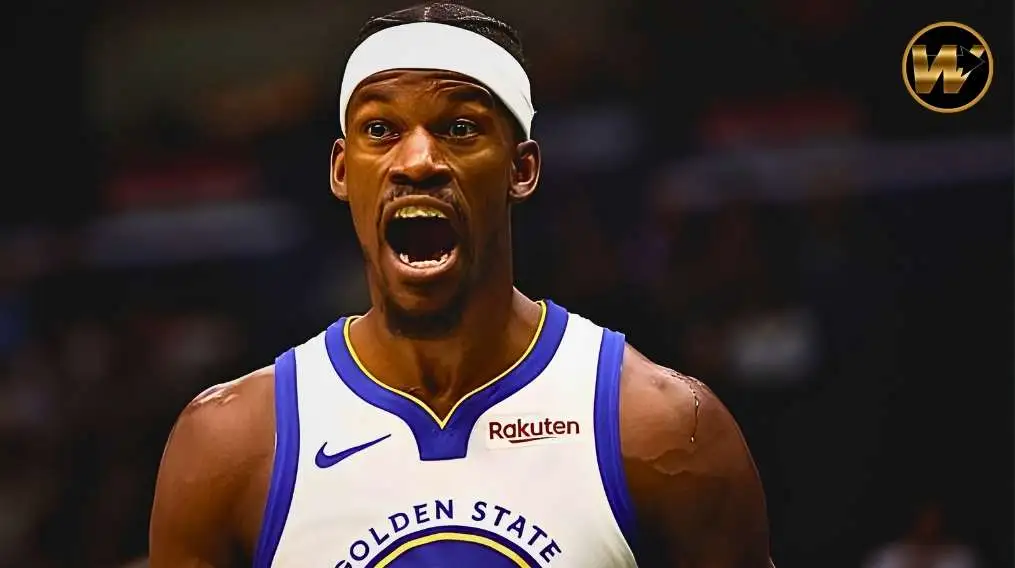
What made matters worse was losing Jimmy Butler for the season.
More NBA Content from TWSN:
Bucks Trade Giannis Antetokounmpo to the Minnesota Timberwolves
San Antonio Spurs Trade Jeremy Sochan to the Chicago Bulls
Cleveland Cavaliers Trade De’Andre Hunter to the Los Angeles Lakers in NBA Trade Deadline Scenario
Potential Jimmy Butler Trade Idea
Warriors Receive: Zion Williamson, Herbert Jones, 2028 first-round pick
Pelicans Receive: Jimmy Butler
Jimmy Butler’s Injury Changed Everything
Butler was never meant to be a short-term fix. Golden State brought him in to steady the offense, defend at an elite level, and ease the burden on Stephen Curry when games tightened. Before the injury, he delivered on all of it.
Across 38 games, Butler averaged 20.0 points, 5.6 rebounds, and 4.9 assists while emerging as the Warriors’ second-leading scorer and most reliable two-way wing. That presence vanished on January 19, 2026, when a torn ACL ended his season.
Without him, Golden State lost its balance on both ends of the floor, and any realistic title hopes faded fast. Now, the Warriors have little reason to chase short-term fixes. What this really means is the franchise has to shift its focus toward reshaping what comes next.
Why Trading Butler Makes Sense for Golden State
Jimmy Butler is past 30 and coming off a significant knee injury. Even at full strength, his style depends on constant physical play, contact, and defensive effort. For a roster that already struggles with health, that risk matters.
If Golden State wants to keep competing around Stephen Curry instead of sliding into a gradual fade, flipping Butler for younger players and future assets makes sense.
That’s where New Orleans comes in.
What Zion Williamson Brings to the Warriors
When Zion Williamson is healthy, he wrecks defenses. He combines size, power, and speed in a way few players can handle, and he gets to the paint whenever he wants. Defenders absorb the contact. Help defenders crash in. Layups and dump-offs come easy.
This season, Williamson is averaging 22.0 points, 6.2 rebounds, and 3.4 assists while shooting 58.3 percent from the floor. He does his best work attacking downhill, finishing through contact, and forcing defenses to rotate, which opens clean looks for shooters.
The concerns remain, though. Injuries have shaped much of his career. His defensive effort comes and goes. He still doesn’t have a dependable jumper, which keeps him a tier below the league’s true top-five players.
Still, the trend matters. Williamson entered the season in better condition and has already appeared in 33 games. That won’t erase skepticism, but it does point to forward momentum.
Put him next to Stephen Curry, and the math breaks for opposing defenses. Collapse on Zion, and shooters feast. Stay attached to the perimeter, and Zion owns the rim. In Golden State, the Warriors’ medical infrastructure and structured culture might finally give him the stability his career has lacked.
Herbert Jones Is the Hidden Gem
Herbert Jones stands out as the most valuable piece in this deal if winning is the priority.
By 2026, Jones has cemented his status as one of the NBA’s elite defensive wings. He earned a spot on the All-Defensive First Team in 2024 and can credibly guard almost every position. He wins possessions with timing, effort, and discipline, using steals and blocks to flip games without ever needing the ball in his hands.
On offense, Jones has taken a real step forward. He has developed into a dependable three-point shooter, sitting around 40 percent from deep. He stays within the flow of the offense, cuts with purpose, runs the floor, and consistently makes the smart pass. He never demands touches, but his presence shows up on the scoreboard.
In Golden State, Jones would instantly anchor the perimeter defense and slide seamlessly next to Stephen Curry and Draymond Green. His age and team-friendly contract only add to his appeal, especially for a franchise trying to compete now while preserving long-term flexibility.
Why the Pelicans Would Do This Deal
From New Orleans’ perspective, this move prioritizes certainty and leadership.
Even after an ACL injury, Jimmy Butler gives the Pelicans what they don’t have: real postseason authority. “Playoff Jimmy” isn’t a nickname built on hype. He has carried teams to the NBA Finals, set the tone defensively, and pushed young rosters into legitimate contention.
Before the injury, Butler averaged 20.0 points, 5.6 rebounds, and 4.9 assists, but the numbers miss the point. His real impact shows up in his decision-making, toughness, and control when games turn chaotic. Those traits could fast-track the Pelicans’ development and bring stability to the locker room.
Butler comes with intensity, and his three-point shooting remains uneven. Still, for a team searching for an identity and playoff credibility, that edge might be exactly what New Orleans needs.
A High-Risk, High-Reward Reset for Golden State
Trading Zion Williamson to Golden State would tilt the league instantly. Pairing Stephen Curry’s shooting gravity with Zion’s constant rim pressure would create one of the hardest offenses in the NBA to contain.
The concerns are real. Availability matters, and Zion’s injury history is part of the equation. Still, the upside is massive, especially alongside Herbert Jones’ defensive consistency and an added first-round pick.
For the Warriors, this move isn’t about caution. It’s about taking a real swing to keep the Curry window alive instead of letting it close quietly.