
The Chicago Bulls’ trade deadline strategy, coupled with their recent play, points to a broader organizational philosophy: the franchise appears to be embracing a tank. Chicago sent eight players packing over the last two weeks and has since dropped six straight games.
Chicago’s future cap flexibility
There’s no defined plan yet beyond the broader tank, but the offseason will offer a clearer look at what Artūras Karnišovas and the Bulls’ brass have in store. What is certain, however, is that Chicago has prioritized salary cap space—a reality underscored by their plethora of trades. Cap flexibility is valuable, yes, but how the Bulls ultimately deploy it remains the million-dollar question.
Considering the relative lack of top-end talent in the upcoming unrestricted free agent class and Karnišovas’ desire to add “experienced young players,” the restricted free agent market is a logical place to spend salary cap space, particularly given the intriguing options it presents.
LeBron James, Norman Powell, and Kristaps Porziņģis headline the 2026 unrestricted free agent class, along with former Bulls Ayo Dosunmu and Coby White. But while the star power is recognizable, the restricted free agent group is sure be more intriguing from Chicago’s perspective.
The restricted free agent market is plentiful
Jalen Duren, Tari Eason, Walker Kessler, Bennedict Mathurin, Peyton Watson, and Mark Williams are among the younger players who could become available—fitting the profile of “experienced young players” Karnišovas has emphasized.
While landing Duren would be extremely difficult, especially with the Detroit Pistons projected to have ample cap space, the other names could prove more attainable, even given their restricted free-agent status.
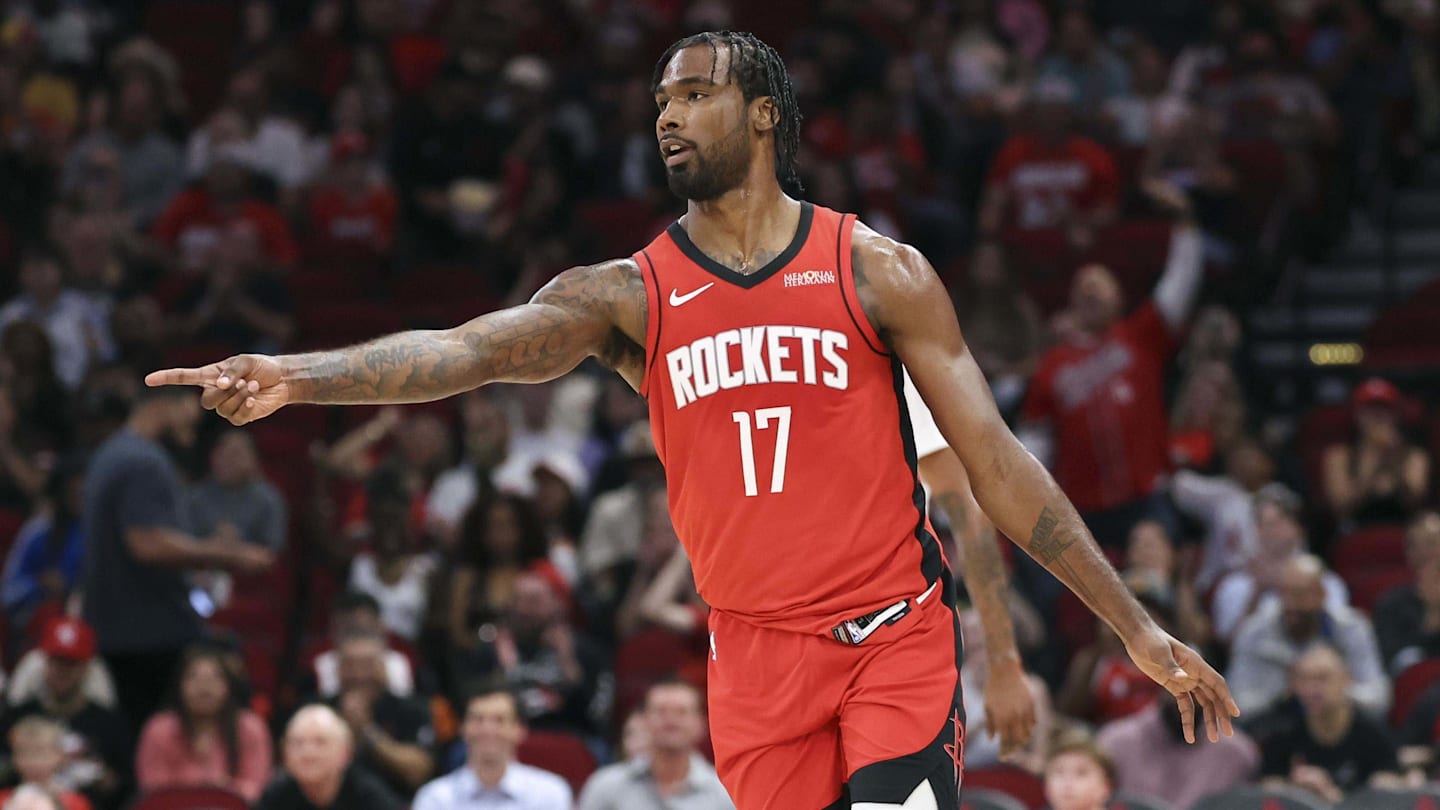
Chicago has already been linked to Eason, who profiles as an ideal fit as a physical, two-way wing entering his prime. The Houston Rockets, however, value Eason highly, and for good reason. The 24-year-old forward is shooting 46.0 percent from three while averaging 1.8 “stocks” per game.
Still, Houston’s financial picture complicates matters. The Rockets have already committed significant money to Kevin Durant and Jabari Smith Jr. on the wing, along with $53 million for Dorian Finney-Smith in a reserve role. Add in Amen Thompson’s looming extension, and Houston could soon face a difficult decision regarding Eason’s restricted free agency.
The Bulls could position themselves to present an aggressive offer sheet that Houston might hesitate to match. A similar scenario could apply to Watson, especially since the Denver Nuggets are already committing roughly $186 million to their starting lineup for the 2026-27 season. Amid a breakout campaign, Watson is likely to command a significant extension this offseason. While Denver has expressed interest in retaining him, a sizable offer sheet could force a difficult financial decision.
Kessler’s contract situation, meanwhile, has been more publicly discussed. Reports have indicated the Utah Jazz are comfortable around $25 million per season, while Kessler’s camp is believed to be seeking a significantly higher figure. If the Bulls believe the 7-foot-2 center is an ideal target, a substantial offer sheet could test Utah’s willingness to continue negotiations at that price.
Restricted free agency is a gamble
Nonetheless, the defining word here is “could.” If each player’s incumbent team is willing to match and retain its restricted free agent, Chicago would be left pivoting to contingency plans, potentially re-signing its own free agents instead.
Chicago has created flexibility. Whether the Bulls can translate that flexibility into talent is the real question. Restricted free agency offers upside, but it is inherently uncertain, and while offer sheets apply pressure, they are all but guaranteed.