
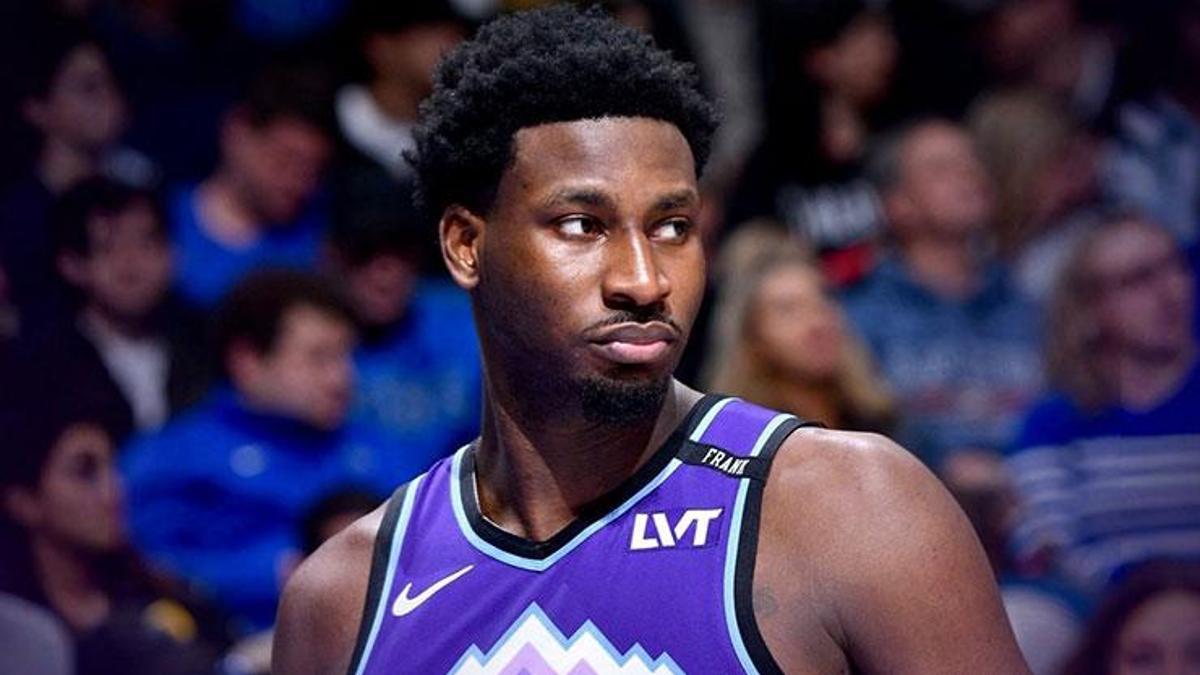
The 26-year-old was acquired by the Jazz from the Memphis Grizzlies in a blockbuster eight-player trade just two weeks ago on February 3. While the injury came as a shock to fans, the growth—specifically identified as a localized pigmented villonodular synovitis (PVNS)—was discovered during a routine post-trade physical. Despite the diagnosis, Jackson appeared in three games for Utah, averaging an impressive 22.3 points and 2.0 steals per contest before the team and his representatives collectively decided that immediate surgical intervention was the best course of action.
Rare PVNS Growth Identified Post-Trade
The condition that sidelined Jackson, known as PVNS, is a rare joint disease that involves a benign but aggressive growth in the lining of the joint. In Jackson’s case, the growth was localized to his left knee and was caught during a mandatory MRI as part of his physical exam upon arriving in Salt Lake City. While PVNS is non-cancerous, medical experts cautioned that if left untreated, it could lead to significant bone damage and early-onset arthritis, which could have jeopardized the remaining four years of Jackson’s $205 million contract.
The discovery has sparked discussions regarding the thoroughness of trade physicals, as Jackson had played 45 games for the Grizzlies this season without any visible signs of distress. However, the Jazz front office emphasized that their priority is the “longevity and health” of their new cornerstone player. By choosing surgery now during the All-Star break, the team aims to have Jackson fully recovered and ready for training camp in the fall of 2026.
A Blow to Utah’s Post-Deadline Aspirations
The loss of Jaren Jackson Jr. is a significant setback for a Jazz team that had hoped to pair him with All-Star Lauri Markkanen to form a formidable frontcourt duo. Jackson’s defensive versatility and shot-blocking prowess were expected to revitalize a Utah unit that has struggled for consistency this season. In his limited three-game sample size, Jackson quickly became a fan favorite, leading the team in scoring in two of those contests and showing an immediate chemistry with young point guard Keyonte George.
With Jackson and center Walker Kessler (shoulder) both out for the season, head coach Will Hardy is now faced with a depleted frontcourt rotation. The Jazz are expected to lean heavily on second-year forward Cody Williams and rookie Kyle Filipowski for the remainder of the schedule. While the injury hampers the team’s immediate competitiveness, it may inadvertently aid their draft lottery odds as they look to secure a top-five pick in a 2026 class featuring generational talents like AJ Dybantsa.
Memphis Rebuild Gains Momentum Following Trade
While Utah deals with the injury fallout, the Memphis Grizzlies are already seeing the fruits of the blockbuster deal. In exchange for Jackson, the Grizzlies received three future first-round picks along with a haul of young talent including Taylor Hendricks and Walter Clayton Jr. The move signals a full-scale rebuild for the Grizzlies, who have also been active in trade talks regarding star guard Ja Morant. Memphis fans, though saddened by the departure of the 2023 Defensive Player of the Year, have embraced the “asset-heavy” strategy of their front office.
Jackson’s legacy in Memphis remains strong, as he departs as a two-time All-Star and the league’s leading shot-blocker in 2022 and 2023. His departure marks the end of an era for the Grizzlies’ “Grit and Grind” 2.0 core, shifting the focus to the development of their newly acquired draft equity. As Jackson begins his recovery in Utah, Memphis is already scouting the college ranks to determine how best to use the picks gained from their former franchise icon.
Jackson Jr.’s Long-Term Commitment to Utah
Despite the season-ending surgery, the Utah Jazz remain fully committed to Jackson as a long-term piece of their puzzle. The former Michigan State standout has three years remaining on the five-year extension he signed last summer, including a massive $53.5 million player option for the 2029-30 season. The franchise has reportedly kept Jackson closely involved in their strategic planning for the 2026-27 season, viewing this medical hiatus as a “necessary detour” rather than a roadblock.
Jackson himself expressed optimism following the surgery, sharing on social media that he is “focused on the process” and eager to support his teammates from the sidelines. The Jazz are planning to integrate him into the team’s leadership meetings and film sessions during his rehabilitation, ensuring he remains a central figure in the locker room culture. For a team in transition, Jackson’s presence—even in a suit—is viewed as a vital component of their rebuilding effort.
Looking Ahead to the 2026-27 Season
The timeline for a full recovery from a PVNS removal typically ranges from three to six months, placing Jackson on track for a return to basketball activities by early summer. The Jazz medical staff will monitor him closely to prevent any recurrence, which is a known risk with this specific condition. If his rehabilitation proceeds without setbacks, Utah anticipates entering the 2026-27 season with one of the most athletic and defensively versatile lineups in the Western Conference.
The 2026-27 season is already being circled as a “reset year” for the Jazz, with a healthy Jackson, a matured Keyonte George, and a potentially high draft pick joining forces. While the current season may feel like a lost opportunity, the front office is betting that the short-term sacrifice of Jackson’s surgery will yield decade-long dividends for the franchise. The “El Bloque” era in Salt Lake City has been delayed, but the team remains confident that its arrival will be worth the wait.