
The Utah Jazz have made their move. And with it, they have sent a seismic message to their fan base and the rest of the NBA: the tank is all but over.
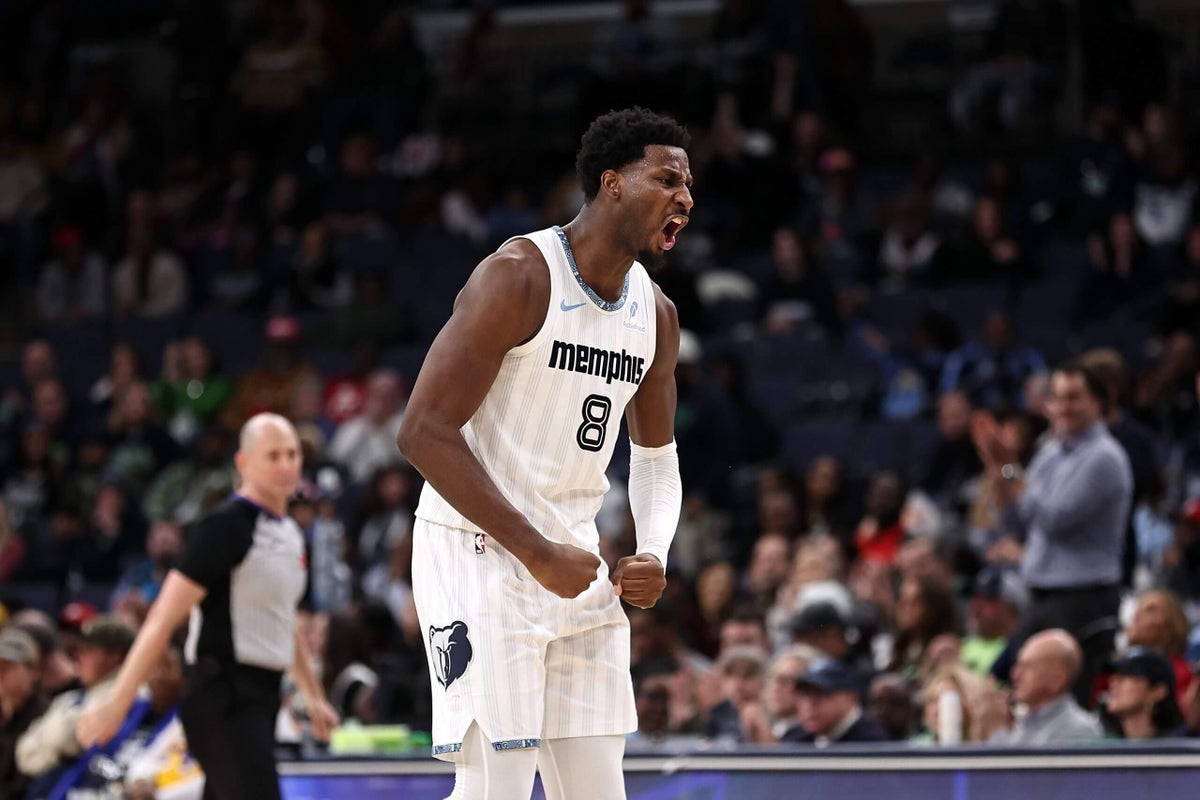
We could say that it’s definitively over. But, the “all but,” according to league sources, comes from Utah’s desire to retain the top-eight protected 2026 first-round pick it owes the Oklahoma City Thunder. So, there is still a bit of losing business that needs to happen as we continue into the second half of this season. But Tuesday’s trade with the Memphis Grizzlies for Jaren Jackson Jr. brings a two-time All-Star and former Defensive Player of the Year to Utah.
The Jazz acquired the 26-year-old in a multi-layered deal that sends out Taylor Hendricks, Walter Clayton Jr. and three first-round picks to the Grizzlies, so the cost isn’t cheap.
As league sources told The Athletic, Utah’s plan is to build a dynamic frontcourt around Jackson, Lauri Markkanen and Walker Kessler, who is currently out for the season recovering from shoulder surgery. Add in point guard Keyonte George, and the Jazz could field one of the more intriguing starting lineups in the league next season.
More than anything, this is Utah’s first big move towards improvement and respectability after years of tearing it down following the trades of Donovan Mitchell and Rudy Gobert. It was something team executive Austin Ainge wanted to make at the behest of owner Ryan Smith since the younger Ainge took over the front office. Most of the league thought the efforts to improve the roster would come this summer, and not at the trade deadline. Instead, Utah moved now.
Clayton Jr. is potentially a long-term starting point guard. Hendricks, if put in a winning situation, could become a valuable role player. Utah also parts with two first-round picks in 2027 and a coveted 2031 first-round pick via the Phoenix Suns. The 2027 NBA Draft class is not seen currently as a particularly strong one, according to many league pundits, but 2031 is an expensive pick to part with because of the potential upside.
That being said, the potential combination of Jackson, Markkanen and Kessler is an enticing one. Jackson is one of the best rim-protecting power forwards in basketball. He is a terrific shooter for a power forward, and he handles the basketball like a guard, which is important if you want to start three 7-footers. He has two major issues though: he fouls way too much, even this deep into his career, and he’s a terrible rebounder for a man of his size, athleticism and talent. But Kessler’s two superpowers — his rim protection and his rebounding — should cover up for Jackson’s deficiency. Markkanen is one of the best scorers in the league, and he’s a walking mismatch at whatever frontcourt position he plays at. It has gotten to the point offensively where scoring 25 to 30 points on the regular feels routine.
To make the lineup work, the Jazz will probably have to move rookie Ace Bailey back to shooting guard. That means Bailey, who is not the greatest ballhandler in the world, will have to work on developing that part of his game over the offseason.
If the Jazz are able to keep their 2026 pick, where does it land among the top eight? There are several dynamic ballhandlers in the top half of the draft who would fit very well in Utah. Kansas star Darryn Peterson and BYU star AJ Dybantsa are the two obvious home-run choice, but Illinois guard Keaton Wagler and Houston guard Kingston Flemings are both terrific talents.
Why act now instead of waiting?
The answer is simple. The Jazz don’t think this free agency class is going to be great. So, they’ve concluded that being a trade team is the way to go if they want to find themselves a major uptick in talent. They surrender the cap space they expected to have this summer, and they obviously surrender the picks. But, even with the picks they gave to Memphis, the Jazz will still have a first-round pick in each draft until the year 2030. So, from this standpoint, they still have assets going forward.
The challenge for the offseason is clear: They need more ballhandling. The frontcourt is unique because there will be three big men who can all step out and shoot the ball. In the case of Jackson and Markkanen, they are two of the most dynamic shooting bigs in the NBA. It will make for an intriguing blend of talent, and it will make for a roster that fits the offense head coach Will Hardy likes to run.
Quietly, Utah also received two other pieces in the deal. Jock Landale is a terrific backup, one who can step in and start games in a pinch. Vince Williams is a versatile guard who can defend, handle the basketball and adds a healthy dose of athleticism. Don’t be shocked if both remain in Utah’s long-term plans. This particularly applies to Williams. The Jazz have been one of the worst defensive teams in the league this season, especially on the perimeter. Williams is one of the better perimeter defenders in the league. On a team that needs that skill, he fills a nice void.
Four years after tearing everything down, the tank appears to be over for the Jazz and Utah has finally chosen a direction.