
I like to think of myself as a rational individual, especially when it comes to how I think about sports. However, at the end of the day, I root with my heart. At least once a month, I dream about what it would mean to see my hometown Blazers win a championship, and what it would mean to the people in my life who’ve believed in that possibility for far longer than I have.
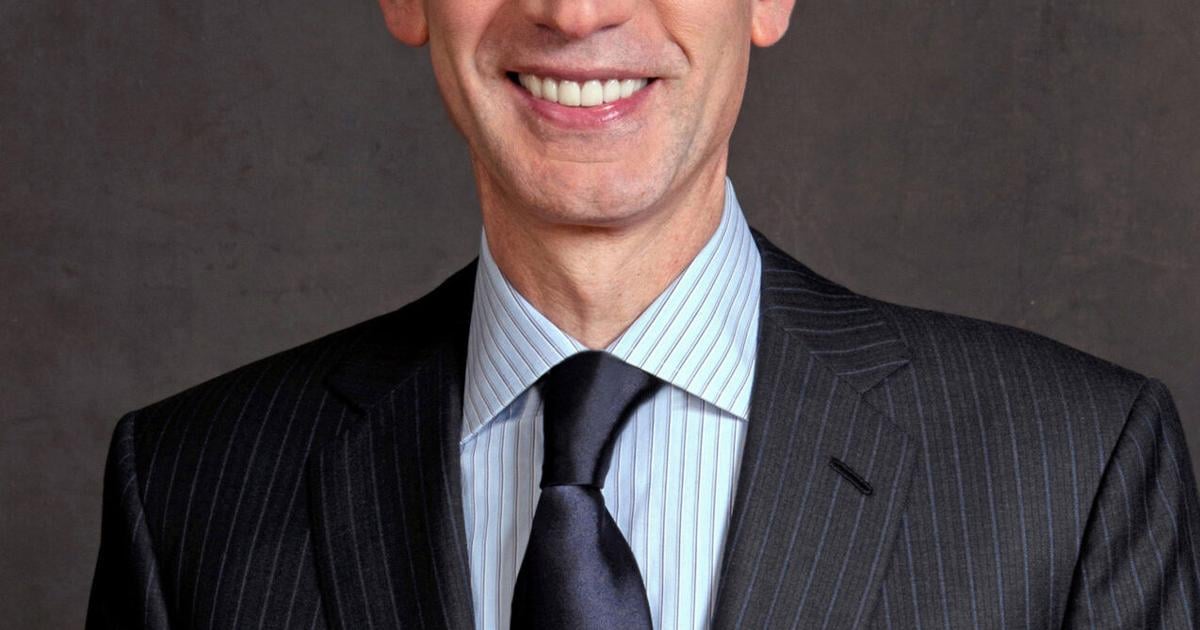
That’s why Adam Silver’s asinine suggestion that the league should abolish the draft and have rookies sign out of college as free agents was legitimately offensive to me. Silver, a commissioner that has previously approved incredibly punitive cap penalties in the name of parity and competitiveness, has now decided that combating tanking is more important than the championship contention of any small-market team.
Don’t try to suggest that removing the draft could work without destroying the league’s competitive balance, because that simply isn’t possible. If you’re in a small market, good luck trying to land a franchise cornerstone. Even if the league’s top 20 markets sign their rookie of choice, that locks a third of the league out of any realistic chance at a foundational piece.
Small-market teams also simply aren’t competitive in free agency. When given the opportunity, guys will almost always choose the bigger market because of the exposure and endorsement opportunities that come along with it. Free agency is an afterthought for fanbases and front offices like Portland and Charlotte, and it can’t become the only option for them.
That’s what makes the draft unique — it’s both the most important roster-building factor and a facet of talent acquisition that isn’t dependent on market size. Franchise-defining talents like Tim Duncan and Anthony Edwards can end up in places like San Antonio and Minneapolis because of the draft. Removing it pushes all of the competitive leverage toward big-market franchises.
Taking away the draft also robs small-market teams of their ability to be competitive in trades, their other option for talent acquisition. This will take five or ten years to truly set in, but once small-market teams aren’t getting valuable assets through the draft, they can’t improve through trades because they don’t have any players — let alone draft picks — available to do so.
Ultimately, this decision would fully price at least a third of the league out of competitiveness. Isn’t that what Silver is trying to prevent with anti-tanking measures?
The unfortunate truth is that tanking is a necessary evil in the NBA. Ideally, teams wouldn’t be doing it before the All-Star break like Utah. But is the alternative, which would turn the league into a slightly (emphasis on slightly) more competitive version of European soccer, any better? I don’t think any fan that lives outside of Los Angeles or New York seriously believes that.
Silver also has far bigger fish to fry in terms of fixing the league’s day-to-day competitiveness and fan interest, which is currently lagging behind the product other sports are putting out. Sure, tanking sucks and makes for some pretty uninteresting regular-season matchups, but that mundanity is predictable and easy to plan for. Fans can generally predict which matchups will be worth their time and money prior to the season.
You know what isn’t predictable? Players in their athletic primes are suffering Achilles and soft-tissue injuries at alarming rates. I believe basketball is at the highest level it’s ever been in terms of both skill and athleticism, but it’s also reached a point where players can’t keep up. It’s unfair to fans that pay money to see superstars that don’t end up playing, and it’s unfair to superstars who need to hit a 65-game award minimum that they can’t meet without getting injured.
Silver should shorten the regular season in response to this. Doing so would increase the importance of regular season games, take the stress off of players’ bodies and improve the overall product of the league. But he won’t, because it’ll take money out of owners’ pockets. That is what Silver has become — a puppet of big-market owners that isn’t willing to make decisions for the benefit of fans and players, the two groups of people that make him the most money.
This isn’t how it used to be, either. Silver’s first action as commissioner was to ban Clippers owner Donald Sterling for life following a series of racist remarks. Did that guy get replaced by a clone? I remember thinking that we were getting an authoritarian like David Stern with the right intentions and concerns. Instead, we have an out-of-touch pushover more focused on the league’s future than its flawed present.
I hate to rely on the “if (insert name here) were still around, he would have done (insert action)” talking point, but I think it’s important here: if Stern was still the commissioner, he would have shortened the regular season because he said so, and it would have happened because he commanded respect from owners and players. Silver hasn’t run the league in a manner that’s commanded respect from anyone for the past half-decade.
The NBA is currently at a major flashpoint as a league. Either it’s going to fix its glaring issues now, or it’s going to end up falling behind the NFL (a media juggernaut) and the MLB (a league that wasn’t afraid to make drastic changes for entertainment). As a fan of the league, I’m afraid that its commissioner simply isn’t prepared to make those decisions. As a fan of a team, I’m afraid that he doesn’t care about my best interest.
Silver doesn’t understand what sports mean to people. He can talk all he wants about the league’s viewership numbers and the game’s global outreach, but he’s ignoring what fans actually care about: watching a good product and feeling like their team has an opportunity to win a title each year.
If Silver wants to make a decision that prices fans out of experiencing something meaningful that they’ve waited their entire lives for, I’ll be distraught, but I won’t be surprised. It’d be right in line with the callous and robotic way he’s always operated the NBA.