
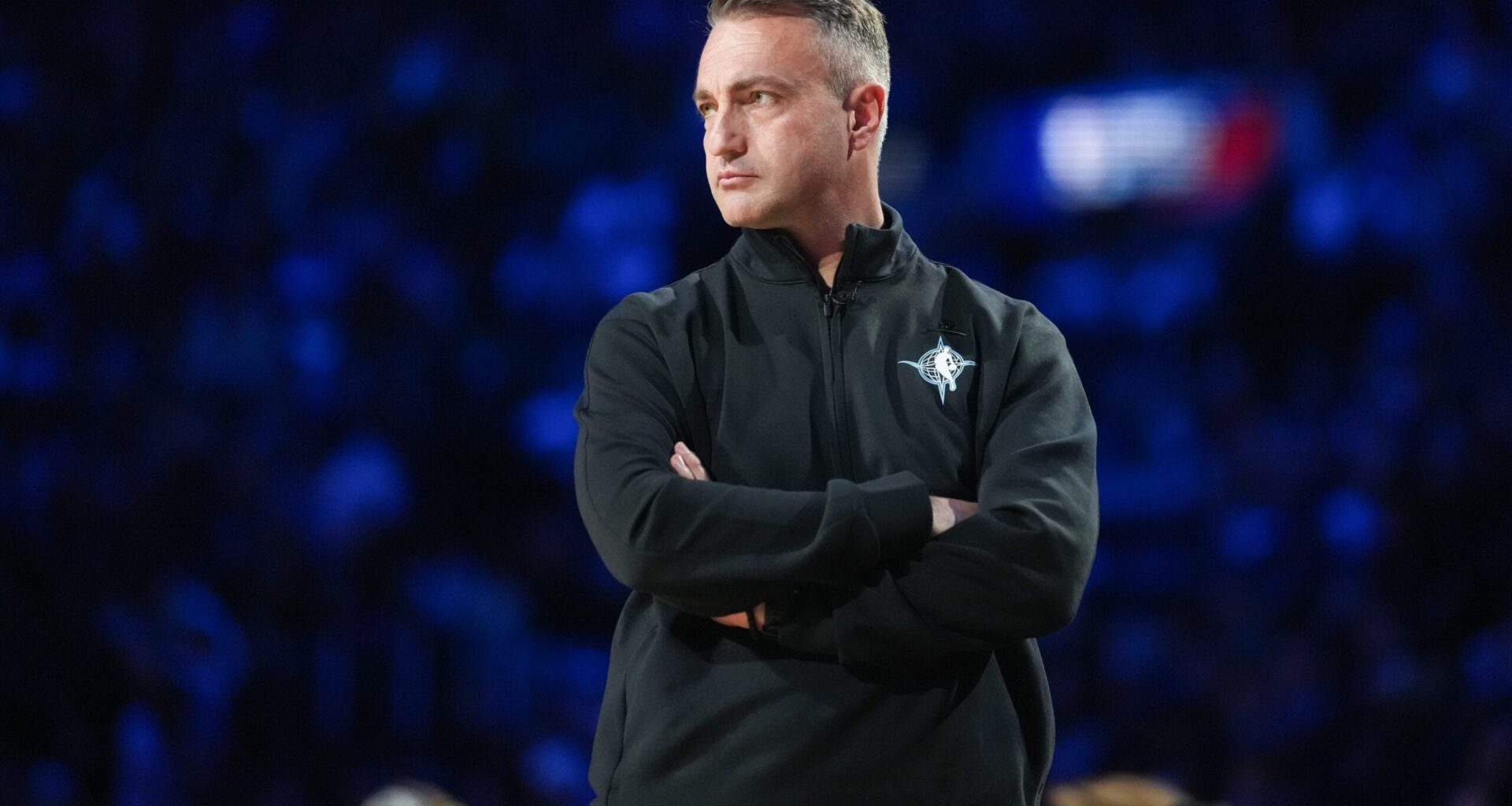
The Toronto Raptors have shown flashes of progress this season, but inconsistency continues to surround the team. While roster changes, injuries, and development cycles all play a role, some observers have begun to ask a broader question: Is coaching becoming a concern for Toronto? Head coach Darko Rajaković was brought in to lead a new era for the Raptors that is focused on development, ball movement, and culture. In many ways, he has delivered on those promises. However, as the Raptors continue navigating a competitive Eastern Conference, questions about rotations, late-game adjustments, and overall structure have started to surface.
Is Darko Rajaković’s Coaching Becoming A Concern For The Raptors?
Development Has Been A Clear Success
One of the biggest positives under Rajaković has been player development. Several young Raptors have shown meaningful improvement during his tenure.
Scottie Barnes has taken another step as a leader and two-way presence, while players like Jamison Battle and Jamal Shead have found ways to contribute within the system. The team’s emphasis on ball movement and spacing has also created more opportunities for role players to impact games.
Rajaković’s developmental approach was one of the main reasons Toronto hired him in the first place. The organization wanted a coach capable of building long-term habits rather than chasing short-term fixes. In that sense, the Raptors have largely stayed aligned with their original vision. Still, development alone does not always translate directly to wins.
Rotations Continue To Raise Questions
Another topic frequently discussed around the team has been lineup consistency. Certain players have seen fluctuating roles throughout the season, sometimes disappearing from the rotation for stretches before returning later. That type of instability can make it harder for young players to find rhythm.
For example, shooting specialist Gradey Dick has experienced stretches with limited minutes despite previously playing a larger role in the offense. Meanwhile, other young contributors have rotated in and out depending on matchups.
Some of these decisions may be situational, but when rotations change too frequently, it can create confusion regarding player roles. Teams often perform best when players clearly understand when and how they will be used.
Late-Game Execution Has Been Inconsistent
An additional area where coaching often comes under scrutiny is late-game execution. The Raptors have had several competitive games this season that ultimately slipped away in the final minutes. While players share responsibility for those outcomes, coaching decisions—timeouts, play calls, defensive matchups—often become part of the discussion.
Toronto’s offensive sets late in games have occasionally relied heavily on isolation scoring from players like Brandon Ingram or Barnes. While both are capable shot creators, predictable late-game offense can make it easier for defenses to adjust. Improving structure in these moments could help the Raptors convert close games into wins more consistently.
Defensive Identity Still Developing
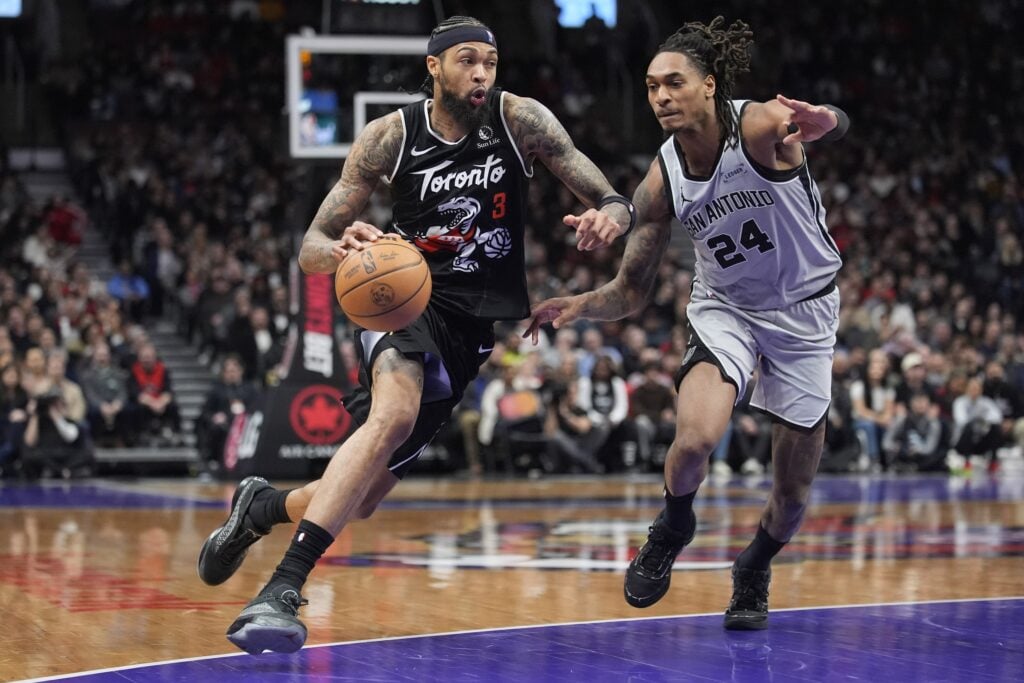 Feb 25, 2026; Toronto, Ontario, CAN; Toronto Raptors forward Brandon Ingram (3) drives to the basket against San Antonio Spurs guard Devin Vassell (24) during the second half at Scotiabank Arena. Mandatory Credit: John E. Sokolowski-Imagn Images
Rajaković arrived with a reputation for emphasizing defensive discipline and team effort. At times, the Raptors have shown exactly that. When fully healthy, lineups built around Barnes and versatile defenders can generate pressure, switch across positions, and create transition opportunities. However, maintaining that defensive identity has not always been consistent. Opposing teams have occasionally taken advantage of breakdowns in communication or physical matchups, particularly against stronger, more physical opponents. Building a reliable defensive foundation often takes time, especially with a young roster. However, as the season progresses, consistency in that area becomes increasingly important.
Context Matters For Toronto’s Timeline
Despite the questions surrounding certain decisions, it is important to remember where the Raptors currently stand as a franchise. Toronto is not operating with a veteran roster designed solely to contend immediately. Instead, the team is balancing development, chemistry building, and roster evaluation. Coaching a group in that phase can be more complex than leading an established contender.
Rajaković’s job is not only to win games but also to build a sustainable system that allows players to grow together. That process naturally involves experimentation with lineups, minutes, and roles. Because of that, some of the decisions being questioned today may ultimately benefit the team long term.
The Verdict: Concern or Growing Pains?
At this stage, it may be premature to label Rajaković’s coaching as a serious issue. The Raptors are still building around a relatively young core, and development has clearly been one of the team’s priorities. That said, the conversation surrounding rotations, late-game execution, and consistency is understandable. As the roster continues to mature and expectations rise, those areas will likely receive closer attention.
For Toronto, the coming stretch of games could provide a clearer picture. If the team begins converting close games into wins and solidifies its identity on both ends of the floor, many of these concerns may fade. Until then, Rajaković’s coaching will remain one of the more interesting storylines to watch as the Raptors continue shaping their next competitive window.
Featured Image: Kirby Lee-Imagn Images