
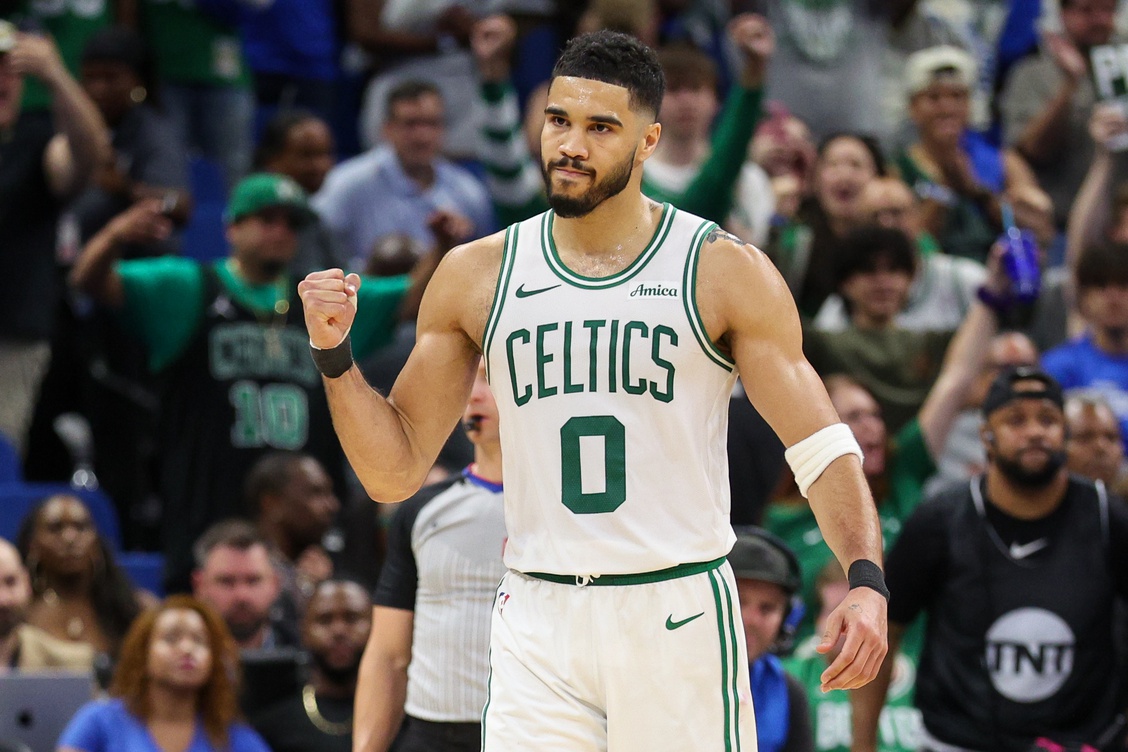
The Celtics host the Mavericks at TD Garden on Friday, March 6, at 7:00 PM ET.
The Celtics are 41-21 and second in the East, while the Mavericks are 21-41 and 12th in the West. Home and road context matters here: the Celtics are 20-10 at home, and the Mavericks are 7-21 on the road.
The Celtics last played Wednesday and lost 118-89 to the Hornets, and the Mavericks arrive after a 115-114 loss to the Magic on Thursday. These teams have met once this season, with the Celtics winning 110-100, so they lead the series 1-0.
Jaylen Brown is delivering 28.9 points, 7.2 rebounds, and 5.0 assists for the Celtics, while Derrick White contributes 17.3 points, 4.4 rebounds, and 5.7 assists.
For the Mavericks, Cooper Flagg puts up 20.4 points, 6.6 rebounds, and 4.1 assists, and P.J. Washington adds 14.2 points and 7.0 rebounds per game.
Jayson Tatum is expected to return, and everything around the Celtics suggests his season debut is coming tonight, while Cooper Flagg came back after his multi-game absence last night, and now makes his first trip to his hometown since entering the league.
Injury Report
Celtics
Jayson Tatum: Questionable (right Achilles repair)
Mavericks
Kyrie Irving: Out (left knee surgery)
Dereck Lively II: Out (right foot surgery)
Brandon Williams: Out (left quadriceps contusion)
Marvin Bagley III: Out (neck sprain)
Moussa Cisse: Out (G League – Two-Way)
Why The Celtics Have The Advantage
The Celtics’ foundation is still defense. They allow 107.1 points per game, best in the league, and opponents are at just 52.1% effective field goal percentage against them, third-best. That level of efficiency control is why they can win games even when the offense is uneven.
The paint numbers are the clean matchup lever. The Celtics give up only 40.3 points in the paint per game (1st) and hold opponents to 50.5% on twos (2nd). The Mavericks want to live inside with 53.5 points in the paint per game (4th), so this is strength-on-strength, and it’s the kind of clash that usually favors the elite defense over time.
On the other end, the Celtics manufacture shot volume with threes. They attempt 42.4 threes per game (2nd) and make 15.4 per game (3rd), and they’re also top-three in field goal attempts at 90.9 per game (3rd). That matters against a Mavericks defense allowing 94.0 opponent shot attempts per game (30th), which is how favorites create separation without needing a perfect shooting night.
Second chances can tilt it further. The Celtics rank sixth in offensive rebounds at 12.8 per game and fifth in offensive rebound rate at 29.6%. The Mavericks sit 28th in opponent offensive rebounds allowed (12.3), so missed shots can turn into extra threes and extra possessions, which is a tough way for an underdog to survive.
The one thing the Celtics do not do is live at the line. They are 30th in free-throw attempts per game (18.2) and 30th in free-throw rate. That’s why their best path here is simple: defend the paint, rebound, and let the three-point volume do the work.
Why The Mavericks Have The Advantage
The Mavericks’ best scoring identity is still about pressure, not finesse. They’re fifth in fastbreak points (17.9) and fifth in free throw attempts per game (25.9), and they’re also top-four in points in the paint at 53.5 per night. If they’re going to keep this close, it has to look like that: pace, rim attacks, and trips to the line.
Defensively, the Mavericks can at least aim at the Celtics’ main weapon. They allow the lowest opponent three-point percentage in the league at 34.1% (1st), and they’re second in opponent free-throw rate. Against a Celtics team that shoots a ton of threes and rarely gets to the line, that combination gives the Mavericks a clear plan: contest the arc and avoid cheap fouls.
Rebounding gives them a chance to stay on the floor with the Celtics’ volume. The Mavericks are seventh in total rebounds (55.2) and third in defensive rebounds (34.6). If they can finish possessions cleanly, it prevents the Celtics from stacking second-chance threes, which is where the game can break open.
The other matchup point is that the Mavericks can win the “one-shot, get back” profile when they’re locked in. They’re eighth in opponent effective field goal percentage at 53.4%. If that holds and they keep the Celtics from turning misses into extra possessions, it forces the Celtics to beat them with shot-making rather than math.
The issue is margin for error. The Mavericks are 22nd in opponent points per game (117.6) and 30th in opponent shot attempts allowed (94.0), so even a decent defensive night can still turn into a long scoreboard fight if they give up too many looks.
X-Factors
Payton Pritchard is the Celtics’ pace-setter when lineups shift. Pritchard brings 16.8 points, 4.1 rebounds, and 5.3 assists, and his job in this matchup is keeping the offense organized when the Mavericks try to turn it into a physical, rim-heavy game. If he’s getting the Celtics into early actions and creating clean threes, it keeps the pressure on a defense that already gives up a lot of attempts.
Sam Hauser is the spacing hinge. Hauser averages 9.2 points and 3.8 rebounds, and his minutes matter because the Mavericks’ plan starts with contesting the arc. If Hauser hits a couple early threes, it makes the Mavericks guard wider, which opens lanes for cuts and second-chance kickouts.
Neemias Queta is the possession swing big. Queta posts 9.9 points and 8.2 rebounds while shooting 64.3% from the field, and this game asks him to win the glass against a team that wants to keep the Celtics to one shot. If Queta creates extra possessions, it feeds directly into the Celtics’ volume advantage.
Naji Marshall is the Mavericks’ engine wing. Marshall is producing 15.4 points, 4.9 rebounds, and 3.1 assists on 53.1% from the field, and the Mavericks need him to turn broken possessions into points with physical drives and quick decisions. If he can keep pressure on the rim without turnovers, it’s the cleanest way to keep the game from becoming a half-court shooting contest.
Daniel Gafford is the interior finisher who can keep the Mavericks’ paint offense alive. Gafford is at 8.2 points and 6.4 rebounds while shooting 62.0% from the field, and his role is finishing through contact and competing on the defensive glass when the Celtics go five-out. If he wins those minutes, the Mavericks’ offense has a steadier floor.
Max Christie is the perimeter swing. Christie contributes 13.1 points, 3.5 rebounds, and 2.2 assists, and his value here is simple: hit open shots created by Flagg’s gravity and punish over-help. If Christie is making the Celtics pay for rotating, it becomes harder for the Celtics to keep loading up on paint touches and rebounds.
Prediction
I’m taking the Celtics. The defensive baseline plus the shot-volume profile is the kind of combination that usually beats a short-handed team over 48 minutes. With Jayson Tatum coming back and the Mavericks aiming for a lottery position, the Celtics are poised for a big win.
Prediction: Celtics 114, Mavericks 104