
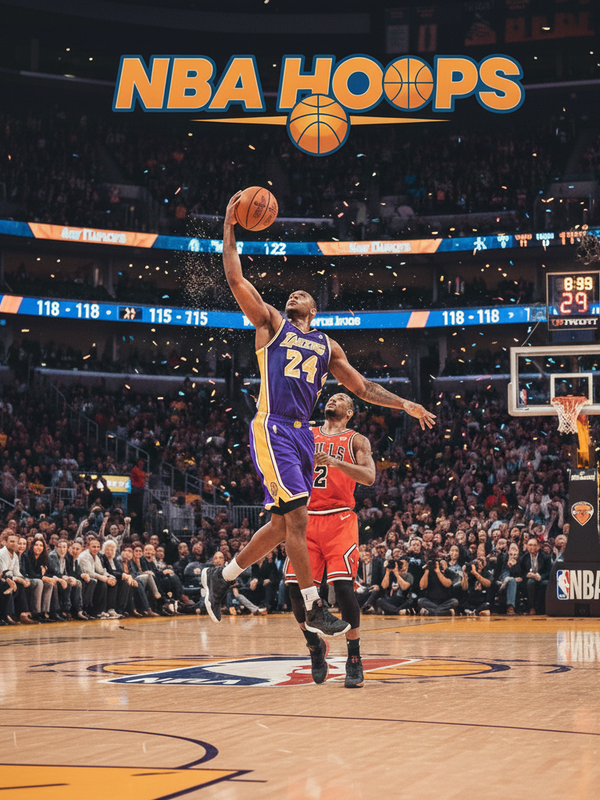
The NBA Standings tightened again as the Celtics and Nuggets flexed, while LeBron’s Lakers and Steph Curry’s Warriors fight for seeding drama. All the latest scores, player stats, and playoff picture at a glance.
The NBA standings took another twist over the last 48 hours, with the Boston Celtics and Denver Nuggets tightening their grip on the top, while LeBron James and the Los Angeles Lakers scrap for every inch of ground and Stephen Curry’s Golden State Warriors try to keep their playoff hopes alive. Between clutch threes from downtown, late-game defensive stands, and a handful of monster box scores, the playoff picture looks more volatile than ever.
[Check live stats & scores here]
Across the league, contenders are locking in like it is already late April, while bubble teams are treating every possession like a season-saver. The current NBA standings do not just tell you who is on top; they reveal which teams are peaking at the right time, who is sliding the wrong way, and where the pressure is starting to break rosters and rotations.
Last night’s drama: contenders flex, pretenders exposed
Every night at this point of the season feels like a mini playoff slate. The top seeds sharpen their habits, while teams on the fringe of the Play-In scramble for survival. Over the last 24 to 48 hours, that dynamic was on full display, with statement wins, crunch-time heartbreakers, and a few surprising no-shows.
In the East, Boston once again looked every bit like the team to beat. Their offense hummed with its usual five-out spacing, and their defense closed like a vice in the fourth quarter. Jayson Tatum and Jaylen Brown traded star turns, but what jumped off the screen was their balance: drive-and-kick threes, paint touches, and a defense that funneled everything into help. It felt like a controlled scrimmage until the opponent tried a late push, and Boston answered with a 10–2 spurt powered by Tatum’s shot-making and Derrick White’s relentless rim pressure.
Milwaukee, chasing Boston in the NBA standings, leaned on Giannis Antetokounmpo as a one-man wrecking crew. He stuffed the box score with a classic stat line heavy on points in the paint, free throws, and transition dunks. But what mattered more was the way he anchored the defense after halftime: walling off drives, contesting everything at the rim, and triggering break after break. It was not always pretty, but it was the kind of grind-it-out win that shape a top seed’s identity.
Out West, Nikola Jokic authored another MVP-level performance for Denver. His fingerprints were everywhere: orchestrating from the elbow, punishing switches in the post, and dissecting doubles with no-look dimes. The Nuggets closed out a hard-fought game with textbook late-game execution. Jamal Murray hit big jumpers in crunchtime, but every possession ran through Jokic’s brain and hands. The result: another win that keeps Denver locked near the top of the Western Conference and sends a reminder to everyone else that playoff basketball runs through their rhythm.
On the other end of the urgency spectrum, LeBron James and the Lakers played like a team painfully aware that a slow week could drop them a couple of lines in the standings. LeBron toggled between point forward and power finisher, carving up defenses in pick-and-roll and bullying smaller wings on post-ups. Anthony Davis, when active and aggressive, gave them a championship-level floor with rim protection and interior scoring. Yet their margin of error remains thin; every turnover in the backcourt and every blown rotation on defense echoed like a threat to their Play-In positioning.
Steph Curry’s Warriors have been living on a similar knife’s edge. When the ball is humming and Curry draws two bodies 30 feet from the basket, they can still blitz opponents with a flurry of threes and backdoor cuts. But over the last couple of nights, their inconsistency has been glaring: hot stretches from downtown followed by cold droughts, defensive lapses against cutters, and rebounding issues that give opponents too many second chances. The result is a group fighting not just the opponent, but its own habit of letting go of the rope for a few possessions too many.
Box score headliners and man-of-the-match performances
Nights like these are built on singular performances that swing games and maybe, just maybe, the playoff race.
Nikola Jokic delivered another video-game line, the kind of triple-double that feels almost routine by his standard. He anchored Denver on both ends, blending high-efficiency scoring with elite playmaking. Whenever his team looked stuck, he found something: a mid-post fade, a kick-out three, a short-roll floater. His impact stretches far beyond the raw numbers, but the numbers scream anyway.
Jayson Tatum did what top wings now have to do in the NBA: seamlessly shift from scorer to playmaker. He racked up points on step-back threes, strong drives, and transition finishes, but he also kept the ball moving, reading doubles and hitting shooters in the corners. The Celtics’ offense looked its most dangerous when Tatum threatened to score and still trusted his spacing.
LeBron James, deep into his third decade in the league, continues to turn in stat lines that would be career nights for most players. He mixed power drives with pull-up threes, especially in crunchtime when defenses sagged to cut off the paint. His assist numbers reflected how often he bent the defense, drawing help and spraying the ball to open shooters. Still, the Lakers’ season feels like a tightrope: LeBron’s heroics are a necessity, not a luxury.
Steph Curry remains the definition of gravity. Even on nights when his shot is not perfectly calibrated, the fear he instills opens the floor for everyone around him. When he finds the rhythm, though, it becomes a fireworks show. Deep pull-ups from well beyond the arc, quick-release threes off handoffs, and tough fadeaways in the lane have kept Golden State within striking distance in most games. The question is whether the supporting cast can hold up defensively and on the glass long enough to let Curry’s scoring avalanche matter.
One of the more intriguing developments is the rise of role players stepping into bigger shoes. Sharpshooters on the wing are putting up career highs in made threes, bigs off the bench are stacking double-doubles with energy and offensive boards, and young guards are learning how to close NBA games against elite defenders. These breakout nights might not dominate the headline line, but for teams battling for seeds 6 through 10, they often decide wins and losses.
Current NBA standings: who is in control and who is chasing?
The NBA standings right now draw a clear dividing line: genuine contenders have locked into a two-way gear of top-10 offense and defense, while bubble teams are still trying to solve one side of the ball. At the top, Boston’s depth and two-way balance have them firmly entrenched in the conversation for home-court advantage throughout the Eastern bracket. Milwaukee, with Giannis at full throttle, is not far behind, though their defense has fluctuated depending on personnel.
In the West, Denver continues to look every bit like a reigning powerhouse, with Jokic dictating tempo and spacing. Oklahoma City and Minnesota hover as dangerous upstarts or fully-realized threats, depending on how much you trust their halfcourt offense in tight playoff games. Meanwhile, the Lakers and Warriors live in the chaos zone: dangerous enough to scare a top seed, inconsistent enough to slip into a tough Play-In matchup with one bad week.
Here is a compact snapshot of how the top of each conference, along with the key Play-In lines, shape up right now based on the latest official listings from NBA.com and cross-checked with ESPN:
East RankTeamRecordTrend1Boston CelticsBest-in-conferenceSteady at top2Milwaukee BucksWithin striking distanceChasing hard3New York KnicksTop tierSurging with defense7Miami HeatPlay-In zoneInconsistent O8Philadelphia 76ersPlay-In zoneHealth-dependentWest RankTeamRecordTrend1Denver NuggetsNear topLocked-in, Jokic MVP form2Oklahoma City ThunderTop-3 WestYoung and fearless3Minnesota TimberwolvesTop-3 WestDefense-first identity9Los Angeles LakersPlay-In mixFighting for seeding10Golden State WarriorsPlay-In edgeOn the bubble
Exact win-loss records are shifting nightly, but the tiers are clear enough. Boston, Milwaukee, and Denver fit the profile of established title threats. The next wave – OKC, Minnesota, the Knicks, and a couple of other East risers – play with the hunger of teams that have tasted just enough postseason pain to know what is required. Then you have the scrappers: Lakers, Warriors, Heat, and whoever rides the health rollercoaster the best down the stretch.
Every game matters now. A two-game winning streak can vault a team from the back end of the Play-In into a position to dodge the sudden-death chaos. A week-long skid can drop a team from a comfortable top-6 slot into a scenario where one cold shooting night sends them home early.
Playoff picture and Play-In tension
The Play-In era has changed how front offices and coaching staffs manage the final month. Instead of shutting it down, teams in that 7–11 range tend to push, hoping to avoid the miseries of single-elimination. That desperation is written all over the way the Lakers and Warriors are playing – leaning heavy minutes on their stars, shortening rotations, and hunting lineup combinations that can survive playoff-level defense.
For LeBron and the Lakers, the calculus is simple. If they can nudge up a line or two in the NBA standings, they reduce the chance of facing a buzzsaw in the first round. That means winning the games they are supposed to win and stealing a couple from teams above them. Their defense has to be cleaner at the point of attack, their defensive rebounding sharper, and their offensive spacing more consistent. Anthony Davis needs to live in that 25 points and 12 rebounds, anchors-the-backline zone.
Golden State’s path is even narrower. The Warriors are at their best when they run, cut, and trust the system that made them a dynasty. But the league around them has gotten bigger, longer, and more physical. Playoff-style officiating plus their turnover tendencies can be a nasty combo. To avoid a do-or-die Play-In scenario on the road, they will need one sustained stretch of high-level defense and enough health in the frontcourt to compete on the glass.
Back east, the Heat and Sixers sit right in that danger zone. Miami, with Jimmy Butler and Bam Adebayo, is always a threat to drag games into the mud and steal series with discipline and late-game shot-making. Philadelphia’s outlook hinges on the health and conditioning of Joel Embiid; when he is on the floor, they can look like a top-3 seed, but every missed game swings their season-long numbers and their seeding prospects.
Meanwhile, teams like the Knicks and Thunder – who have climbed out of the Play-In realm and into top-4 territory – are trying to hold the line. For them, every regular-season win is not just a number; it is about locking in home court for a young core and reinforcing the habits that make playoff series winnable.
MVP race and star power: Jokic, Giannis, Tatum and the chasing pack
The MVP race is reaching that stage where narratives harden and every big national TV performance feels like another closing argument. Right now, the front line is shaped by Nikola Jokic and Giannis Antetokounmpo, with Jayson Tatum, Luka Doncic, Shai Gilgeous-Alexander, and a few others making their presence felt.
Jokic’s case might be the most straightforward. He drives winning for Denver with a combination of efficiency and control that is almost unprecedented. High-scoring triple-doubles, elite advanced metrics, and the eye test all agree: the Nuggets look different the second he sits. His passing unlocks shooters, his touch at the rim is elite, and he has become a more reliable deterrent on defense, using positioning and quick hands to negate his lack of vertical pop.
Giannis is the force-of-nature candidate. Nightly lines featuring around 30 points, double-digit rebounds, and playmaking out of transition or short roll, all powered by relentless rim attacks. Milwaukee’s offense is often at its best when they let Giannis be the engine and surround him with enough shooting to punish help. His MVP viability will hinge on the Bucks’ final record and whether their defense stabilizes around him.
Tatum’s candidacy lives in Boston’s dominance and his two-way versatility. He may not always lead the league in raw points, but his scoring volume, efficiency, and defensive impact on a team with the league’s best record present a classic best-player-on-best-team argument. When the Celtics buckle down, Tatum is often taking the toughest wing assignment while still carrying a huge shot-creation load on the other end.
LeBron James, Steph Curry, and others still have the ability to drop MVP-caliber performances on any given night, but their teams’ positions in the NBA standings make it an uphill climb for the award itself. That said, their influence on the playoff picture and the overall shape of the conference races is enormous. A stretch of scorching shooting from Curry or a week of vintage LeBron dominance could swing seeding for multiple teams.
Player stats and who is rising, who is slipping
Beyond the headliners, the story of this stretch of the season lives in the player stats columns that hardcore fans refresh every morning. Scoring leaders jostle for the top spot, but the more telling indicators live in efficiency and context. Guards who were early-season surprises are now facing defensive game plans designed around them, and their numbers reflect whether they are the real deal or a hot streak now regressing.
Bigs who quietly pile up double-doubles off the bench are swinging second units. Two-way wings who average modest points but guard the opponent’s best scorer every night are changing win probabilities even when their box score line looks tame. Assist-to-turnover ratios, on-off differentials, and shooting splits from three and at the rim reveal who can keep their production when defenses tighten in April.
On the flip side, a few former All-Star-level names are having rough seasons by their standards. Dips in three-point percentage, nagging injuries, and defensive slippage have turned some one-time cornerstones into question marks. On teams fighting for Play-In survival, those slumps become magnified. Front offices will spend the summer deciding whether this is just a down year or the start of a permanent decline.
Injuries, rotations and the hidden battle behind the box scores
No discussion of the current NBA landscape is complete without acknowledging injuries and rotation chaos. Star players have missed stretches, key role players have been in and out, and coaches are adjusting on the fly. The standings, in many ways, are a reflection of who has stayed healthiest and who has found real depth.
For teams like the Lakers and Warriors, even short-term absences of starters or key bench contributors can be the difference between hosting and traveling in the Play-In. Soft-tissue tweaks, ankle rolls, and back-to-back management decisions are all part of the wide-angle picture. Coaches keep describing this phase as a balancing act between winning now and staying fresh for the postseason grind.
The teams at the top have used this window to tinker. Boston has experimented with different small-ball and double-big looks. Denver continues to search for frontcourt and backcourt combinations that keep them afloat when Jokic sits. Milwaukee is still installing tweaks around Giannis to maximize his driving lanes while patching their defense on the perimeter.
On the rumor front, front offices across the league are already looking toward the offseason, but there is not much left they can do right now beyond buyout-market flyers and two-way contract tweaks. The groundwork for future trades, however, is being laid in real time. How players respond in these pressure weeks – whether they embrace a reduced role, defend at a higher level, or fade – will shape how aggressively their teams shop them in the coming months.
Game highlights that felt like playoff previews
Some of the last night’s and recent games carried a distinct playoff feel. You could hear it in the crowd noise, see it in the rotation decisions, and feel it in how slowly the ball moved in the halfcourt. Coaches shortened benches earlier than usual, giving key wings and bigs longer runs. Fouls were contested with extra emotion, and every no-call sparked animated conversations with the officials.
Possessions that might have been quick pull-up threes in November turned into deliberate pick-and-rolls, post-ups, and multiple-actions sets designed to generate the cleanest look possible. Teams hunted mismatches, isolated weak defenders, and switched more coverages. It was a preview of how the same rosters will look under the glare of playoff lights, with scouting reports deep enough to dictate every action.
Fans tuning in were treated to classic sequences: a star isolating at the elbow with the clock under 10, a trapped ballhandler firing a pass to a short-roll big who hits a shooter in the corner, a defensive ace jumping a passing lane to ignite a fast break. Even when games did not end with a buzzer beater, the intensity told you this was not just another random weeknight in the regular season.
What the numbers say about real contenders
Analytics departments around the league are sifting through the same mountain of data that fans now have in their pocket: offensive rating, defensive rating, net rating, clutch performance, and on-off splits. The teams sitting near the top of the NBA standings share common traits – top-10 offense, top-10 defense, and lineups that win most of their minutes when the stars are on the floor.
Boston’s combination of high-volume three-point shooting, switchable defense, and elite wing play puts them in elite statistical company. Denver leans on Jokic to generate top-tier offense while staying just good enough defensively to overwhelm most opponents. Milwaukee, Oklahoma City, and Minnesota each have a version of a heliocentric star supported by long, versatile defenders who can switch schemes mid-game.
Then there are the teams whose point differentials scream “better than their record” or “worse than their record.” Some bubble squads, thanks to early-season injuries or a fluky crunch-time record, sit lower than their advanced numbers suggest they should. Others have stolen just enough close games to float above water despite shaky underlying metrics. When the postseason hits, those underlying numbers tend to resurface, which is why coaches and advanced scouts pay such close attention now.
What to watch next: must-see matchups and shifting tides
The runway to the playoffs is short and full of turbulence. Over the next few days, fans should keep a close eye on matchups that pit direct competitors against each other. When the Lakers face fellow Play-In hopefuls, or when the Warriors see another bubble team across from them, the tiebreaker stakes are enormous. Out East, every clash between the Celtics, Bucks, and other top seeds will serve as a measuring stick.
Games featuring Denver against other West heavyweights will test just how sustainable their current form is, especially when Jokic has to battle through size and physicality. Matchups involving the Knicks, Heat, and Sixers will hint at which style – bruising defense, top-heavy star power, or balanced attack – might carry the most weight in a seven-game grind.
Expect more late scratches for minor injuries, more load-management debates, and more frenzy from coaches trying to steal rest for their primary guys without punting crucial games. Every night brings another twist in the NBA standings, another MVP statement from a star, and another breakout performance from a role player stepping out of the shadows.
For fans, the to-do list is simple: lock in, follow the live scores, track the shifting playoff picture, and enjoy the stretch run chaos. The margins are thin, the narratives are sharp, and from LeBron’s Lakers to Curry’s Warriors to Jokic’s Nuggets and Tatum’s Celtics, the league’s biggest names are about to crank everything up another notch.
The only guarantee is that the current NBA standings will not look the same a week from now. One hot shooting streak, one cold spell, one injury, or one career night from a rising star can redraw the bracket lines overnight. Stay tuned; the real sprint is just beginning.