
Want more ways to catch up on the latest in Bay Area sports? Sign up for the Section 415 email newsletter here and subscribe to the “Section 415″ podcast wherever you listen.
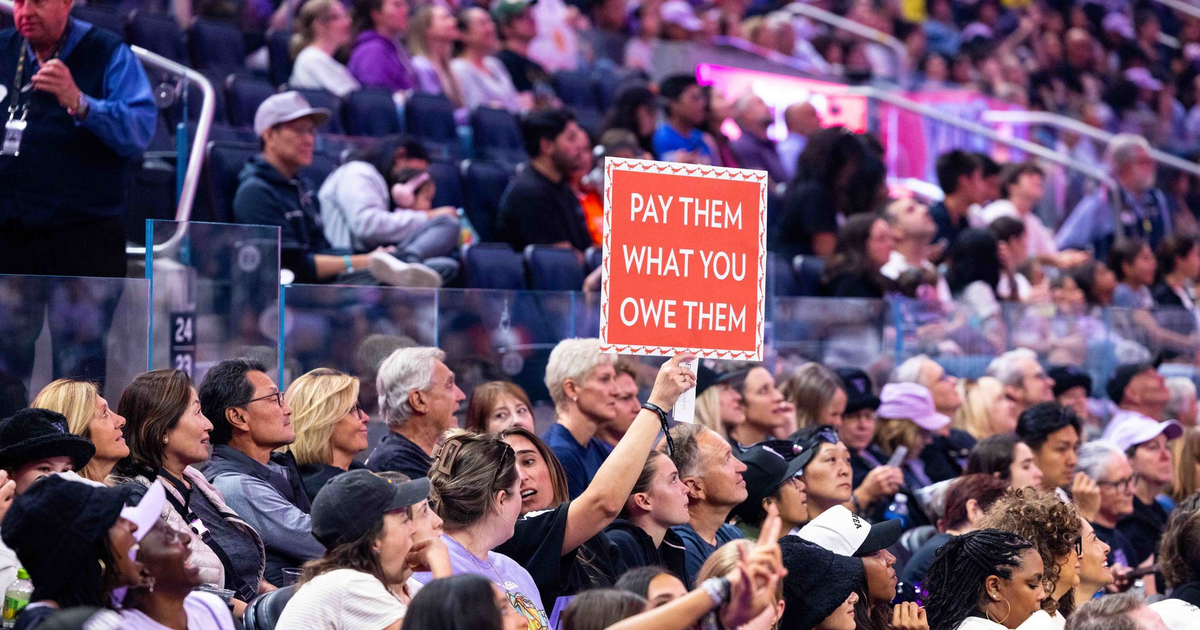
After selling out all 22 home games and becoming the first expansion team to reach the playoffs in their inaugural season, the Valkyries can finally look ahead to Year 2.
WNBA players and owners verbally agreed to a landmark collective bargaining agreement on Wednesday that reflects the league’s staggering growth. According to ESPN (opens in new tab), the salary cap will jump from $1.5 million to $7 million and the average player salary will increase from $120,000 to around $600,000 this year.
With the season slated to start in just over seven weeks, commissioner Cathy Engelbert told reporters that despite extended CBA negotiations, the WNBA Draft will still be held on April 13, training camp will open April 19, and the league’s opening night will be May 8.
The Valkyries’ debut season ended with a first-round playoff loss against the Minnesota Lynx at SAP Center in September, but general manager Ohemaa Nyanin and the reigning WNBA Coach of the Year, Natalie Nakase, haven’t been able to formulate detailed plans for 2026 because they couldn’t forecast how a new CBA might change their approach to building a roster.
Traditional offseason activities, including free agency, were paused and the WNBA will now prepare for the 2026 season with a condensed timeline. An expansion draft for new franchises – the Toronto Tempe and Portland Fire – must be held and it’s unclear when free agency will begin.
The Golden State Warriors and owners Joe Lacob and Peter Guber were awarded an expansion franchise in October, 2023, amid a national surge in interest in women’s basketball. The WNBA hadn’t introduced a new team since the Atlanta Dream joined the league in 2008, and the addition of the Valkyries marked the first step in the league’s aggressive growth plans.
The Valkyries exceeded expectations last year with a roster built largely of role players and castoffs, but thrived thanks to the emergence of All-Star Kayla Thornton, point guard Veronica Burton, and a mix of veterans and youth that combined to form one of the league’s best defenses.
After the Valkyries posted a 23-21 regular-season record, Lacob has indicated the team plans to pursue top talent in free agency and believes the appeal of playing in front of sellout crowds at Chase Center will offer Golden State an advantage in recruiting elite talent.
Today

4 days ago

Tuesday, Mar. 10

Last summer, Sportico valued the Valkyries at $500 million (opens in new tab), which is 10 times greater than the $50 million expansion fee Golden State paid to enter the WNBA. In December, Forbes omitted the Valkyries from a list of the most valuable women’s sports teams (opens in new tab), but said that the franchise expected to generate more revenue in 2025 than any women’s team in any league ever had in a single year.
Lacob told The Standard’s Tim Kawakami last June that the Valkyries were projected to pull in first-season revenues “in excess” of $55 million.
The WNBA’s new CBA was made possible in large part because of the soaring interest in stars such as Caitlin Clark, but also because of the fan interest in markets such as the Bay Area. The Valkyries had more than 10,000 season-ticket holders in their first year in a league in which many teams struggled to draw more than a few thousand fans at games for the first two decades of its existence.
The Valkyries’ overnight success coupled with the Bay Area’s immediate embrace of a pro women’s basketball franchise has turned Golden State into a foundational pillar for a league that now has a blueprint for the next expansion franchises to follow.