
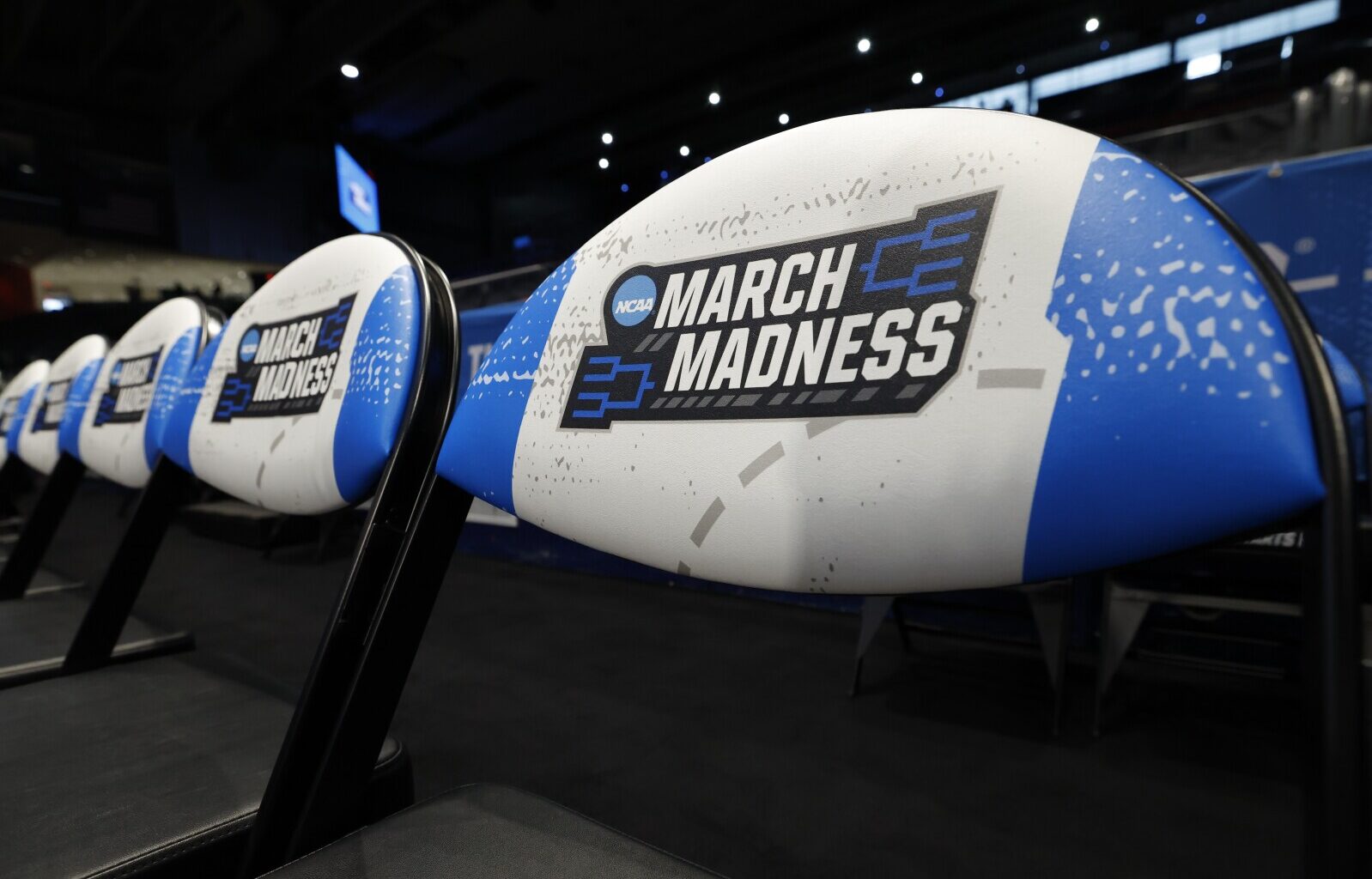
The NCAA Division I men’s basketball tournament, popularly known as
, originated in 1939. This single-elimination tournament begins with 68 teams and progresses through seven rounds until a national champion is determined. The Final Four is the well-known name for the penultimate round, when only four teams remain.
Selection Sunday is the day the Selection Committee announces the full NCAA tournament bracket, detailing all participating teams and their seeding.
The NCAA Committee assigns numerical rankings, called “seeds” (1 through 16), to the 68 participating teams based on their performance throughout the season. These rankings indicate the team’s strength and determine their position within the tournament bracket, with the strongest teams receiving a 1 seed and the weakest a 16.
The original
March Madness tournament in 1939 featured only eight teams, resulting in Oregon’s 46-33 victory over Ohio State for the championship. The field expanded to 16 teams by 1951, continuing to grow until the current 64-team format was established in 1985. The addition of the Mountain West Conference to Division I, granting it an automatic bid, temporarily increased the total to 65 teams and required a single preliminary game before the first round. In 2011, the tournament expanded further with the inclusion of three more teams, creating the “First Four” round with three additional games.
The
states, “March Madness was first used to refer to basketball by an Illinois high school official, Henry V. Porter, in 1939, but the term didn’t find its way to the NCAA tournament until CBS broadcaster Brent Musburger used it during doverage of the 1982 tournament. The term has been synonymous with the NCAA Division I men’s basketball tournament ever since.”
Teams can secure a bid to the NCAA tournament in one of two ways. One path is through an automatic bid. Each of the 31 Division I conferences grants an automatic bid to the team that wins its postseason conference tournament. These teams, called automatic qualifiers, earn a spot in the NCAA tournament regardless of their regular season performance, as long as they are eligible for postseason play.
Following the completion of all regular season and conference tournament games, on what is known as Selection Sunday, the selection committee meets. Their task is to determine which 37 teams—those that did not automatically qualify—possess the necessary credentials to be granted an invitation to the tournament.
The NCAA Men’s Division I Basketball Committee is tasked with the selection, seeding, and bracketing of the NCAA tournament field. Its members are school and conference administrators who are nominated by their respective conferences. They serve five-year terms and are chosen to represent the diversity of the Division I membership.
The Selection Committee considers a variety of statistics and rankings when deciding which teams will receive an at-large bid. However, there is no fixed formula for determining if a team earns such a bid.
After team selection, each team receives a seed and is assigned to one of four regions. This regional placement dictates their initial matchups and outlines their route to the championship.
According to
, the modern tradition of betting on March Madness brackets is believed to have begun in 1977 in a Staten Island bar. Jody Haggerty organized the pool and it started with 88 entries at $10 each. This set the stage for widespread bracket pool betting today.
The official NCAA Bracket Challenge Game launches on Selection Sunday, immediately following the announcement of the tournament field by the committee. Participants must submit their brackets before the first game of the first round begins, as betting locks at that time.
The NCAA states that the likelihood of a perfect bracket is approximately 1 in 9.2 quintillion (9,223,372,036,854,775,808) for someone simply guessing. However, if you have some basketball knowledge, the odds improve to about 1 in 120.2 billion.
You can watch March Madness on TBS, TNT, TruTV, or CBS. Streaming is also available via
.
March Madness betting is frequently the most popular, high-volume betting event in the United States, often exceeding the total legal betting handle of the Super Bowl. This event generates massive engagement, with
projecting over $3 billion will be legally wagered in 2026.
Do you participate in March Madness betting, or do you just prefer to watch? Or maybe you don’t engage with March Madness at all. Leave a comment!

Adria Peters began her position with Forum Communications Company as Audience Engagement Specialist in June 2024. Readers can reach Adria by email at adria.peters@forumcomm.com.