
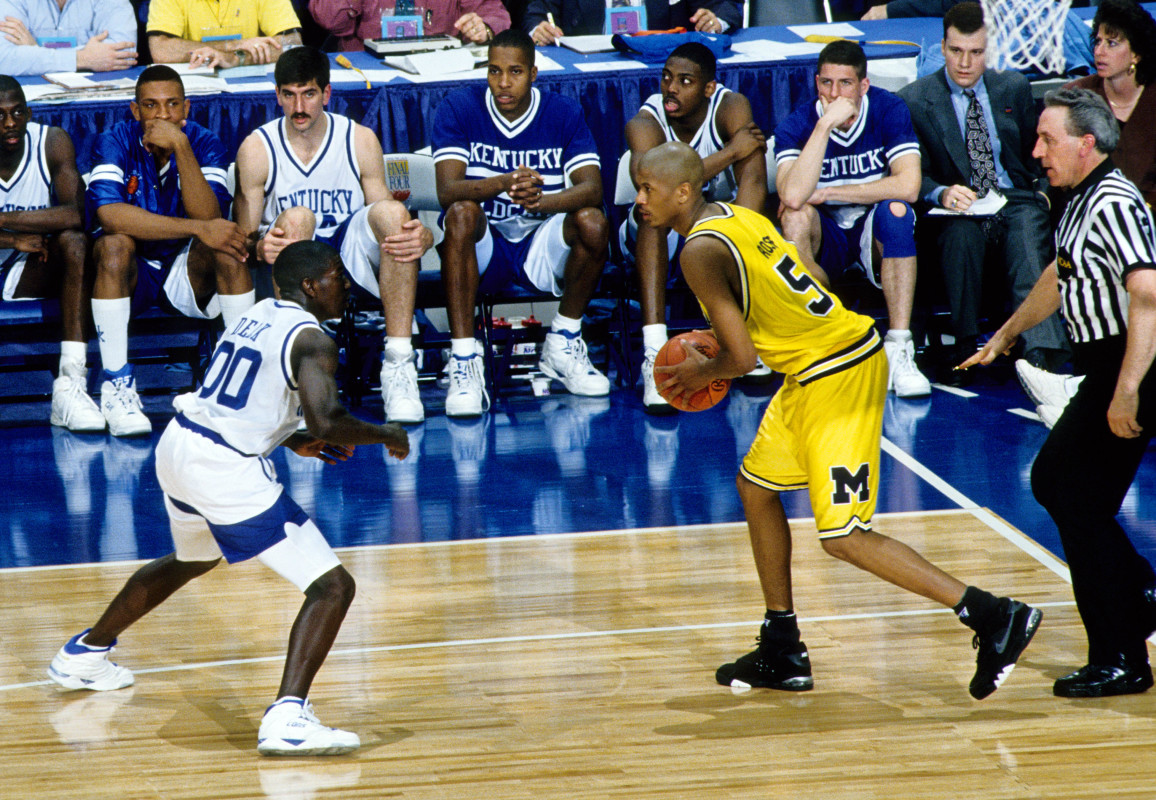
Thirty years ago, college basketball gave us one of those teams that didn’t just win, they took over the sport for an entire season. On April 1, 1996, the Kentucky Wildcats finished what felt inevitable for months, cutting down the nets and claiming their sixth national championship. But what made that team unforgettable wasn’t just the title.
It was the feeling that nobody could touch them when they were at their best. Every game carried this sense that something overwhelming was coming, like once Kentucky got rolling, there was nothing you could do to slow it down. They weren’t perfect every night, but they didn’t need to be.
They were deeper, faster, and more relentless than everyone else. And by the time March turned into April, the only real question left wasn’t if they would win it all. It was how they would finish it.
This Team Was Built Differently From The Start
From the outside, you could see the talent immediately. But when you watched this group closely, it felt like something more than that. Rick Pitino had put together a roster that didn’t just have stars; it had waves of players who could all beat you in different ways.
Tony Delk was the leader, the steady presence who could take over a game when things got tight. Around him, there was no shortage of firepower. Antoine Walker could score and rebound. Derek Anderson brought versatility. Ron Mercer added another explosive scorer. Bigs like Nazr Mohammed and Mark Pope gave them size and physicality.
What really separated them, though, was how hard they pushed each other. Practices were intense, competitive, and sometimes chaotic. Nobody’s role was guaranteed. Nobody could coast. That kind of environment doesn’t always work, but with this group, it brought everyone together. By the time they stepped onto the court, they trusted each other completely.
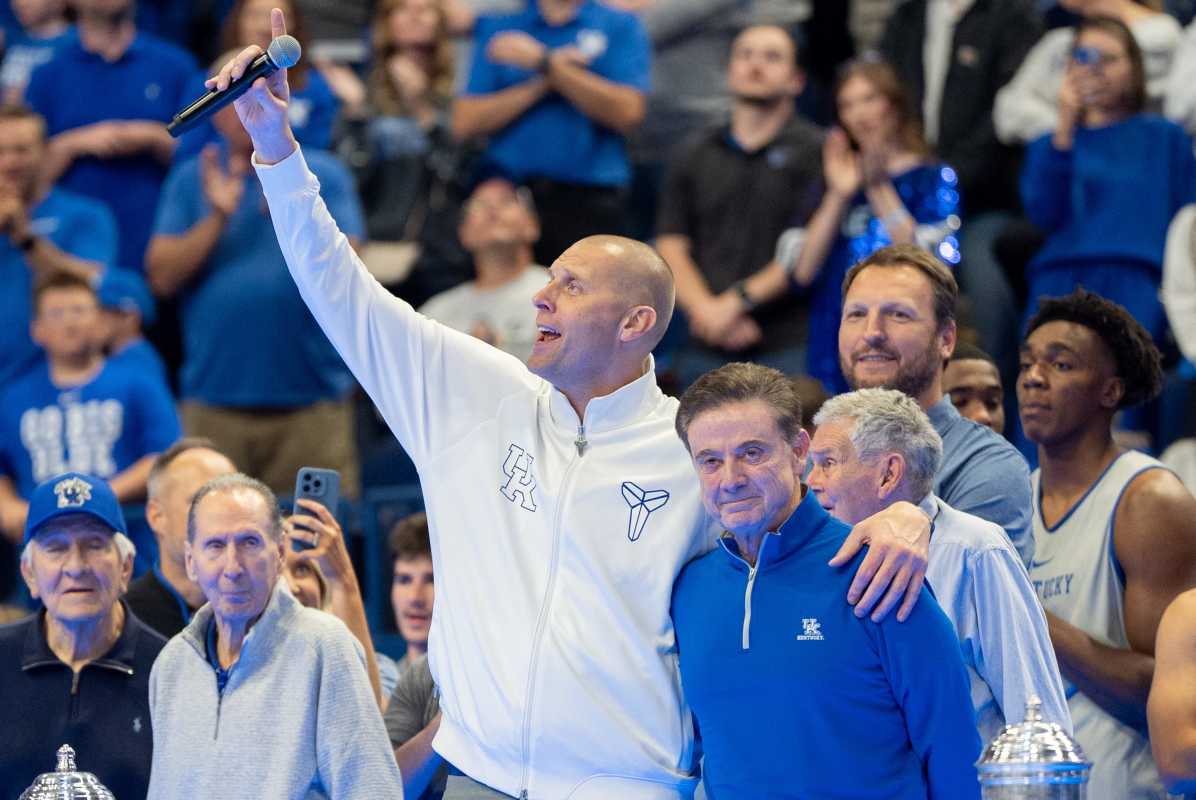
Mark Pope and Rick Pitino © Clare Grant/Courier Journal / USA TODAY NETWORK via Imagn Images
(© Clare Grant/Courier Journal / USA TODAY NETWORK via Imagn Images)Kentucky Didn’t Just Win Games They Overwhelmed Teams
There are great teams that win close games and survive. Then there are teams like this one that make you feel like the outcome was decided long before the final buzzer.
Kentucky went 34–2 and ran through the SEC with a perfect 16–0 record. But the record only tells part of the story. The way they won is what stuck with people. They pressed full court, forced turnovers, and turned defense into instant offense. One run could turn a competitive game into a blowout in a matter of minutes.
There were nights where they scored in bunches, nights where they locked teams down defensively, and nights where they did both at the same time. Opponents didn’t just have to beat Kentucky; they had to survive them.
And yet, even with all that dominance, everyone knew how this would be judged, not by what they did in January or February, but by what happened in March.
The Pressure Only Grew As March Madness Began
Being that good comes with a different kind of pressure. Every opponent plays you like it’s their biggest game. Every mistake gets magnified. Every close moment feels heavier.
But this Kentucky team never looked rattled by it. If anything, they looked like they had been preparing for it all season.
They rolled through the early rounds of the NCAA Tournament, showing off the same depth and energy that defined their regular season. But the deeper they went, the tougher the tests became. In the Final Four, they ran into a talented UMass team that wasn’t intimidated by the moment.
For stretches, that game got uncomfortable. The pace slowed. Shots didn’t always fall. But Kentucky stayed composed. They trusted their system, trusted their depth, and found a way to close it out. That’s when it really hit. This wasn’t just a dominant team. It was a complete one.
They Figured It Out When It Mattered Most Against Syracuse
The final step came against the Syracuse Orange, led by Jim Boeheim and anchored by a zone defense that had already frustrated teams throughout the tournament.
For a while, you could feel that tension creeping in. The rhythm wasn’t as smooth. The game slowed down. Syracuse made them think, made them adjust. And that’s exactly what great teams do.
Kentucky didn’t force anything. They worked the ball, found their shooters, and let their talent take over in the right moments. Delk led the way, knocking down shots and bringing a calm confidence to the offense. Others stepped in when needed. That balance showed up again, just like it had all season.
Once Kentucky found its rhythm, you could feel the game slipping away from Syracuse. By the final minutes, it wasn’t about whether Kentucky would win. It was about the moment finally arriving.
They closed it out 76–67, and just like that, the season everyone expected ended exactly the way it was supposed to.
That Team Still Feels Untouchable Decades Later
Thirty years later, that Kentucky team still comes up anytime people talk about the best teams in college basketball history. Not just because they won, but because of how they made people feel watching them.
They played fast, they played hard, and they never let up. They had stars, but nobody needed to dominate the spotlight every night. They had depth that wore teams down and a mentality that never really wavered.
For Rick Pitino, it was the championship that put everything together. For Kentucky, it was another banner, but one that still stands out because of how complete that team was from start to finish.
Some champions are remembered for a single moment. A buzzer-beater. A miracle run. This one is remembered for something different. They just felt better than everyone else. And 30 years ago today, they proved it.
Related: 35 Years Ago Today, Historic College Basketball Program Won its First NCAA Title
This story was originally published by Athlon Sports on Apr 1, 2026, where it first appeared in the College Basketball section. Add Athlon Sports as a Preferred Source by clicking here.