
Latrell Wrightsell Jr. is a member of an exclusive fraternity of college basketball players: the ones who, once upon a time, could not be paid, and simultaneously the ones who had every opportunity to capitalize on a brand new marketplace.
It wasn’t all that long ago that the Alabama senior guard was a 19-year-old freshman combo guard for Cal State Fullerton, cutting his teeth in the mid-major universe to hopefully turn heads of power-conference programs. After three years with the Titans, Wrightsell transferred to Tuscaloosa, where he became a vital piece to the Crimson Tide’s burgeoning men’s basketball program.
In the NIL era, where athletes are either compensated directly by the schools they play for or via third-party endorsement deals, players are seeing more and more zeroes on the end of paychecks on a yearly basis. Veterans like Wrightsell, now 24, want to make sure that young players don’t take such hefty amounts of money as an annual guarantee.
“I try to tell some of the younger guys when they first get in … they’re buying the Louis Vuitton and all the designer stuff, and they see us doing it,” Wrightsell told The Athletic. “Well, I’ve been in college for a while, so I’ve saved up a ton of my money in terms of not just spending it right away.”
The opening weekend of the 2026 NCAA men’s basketball tournament was the most-watched in March Madness history. St. John’s coach Rick Pitino said the quality of play this season is the best he’s seen in his 50 years as a college basketball coach. But there is an undercurrent of worry from current and former coaches that NIL deals today may be hindering players from reaching their full potential.
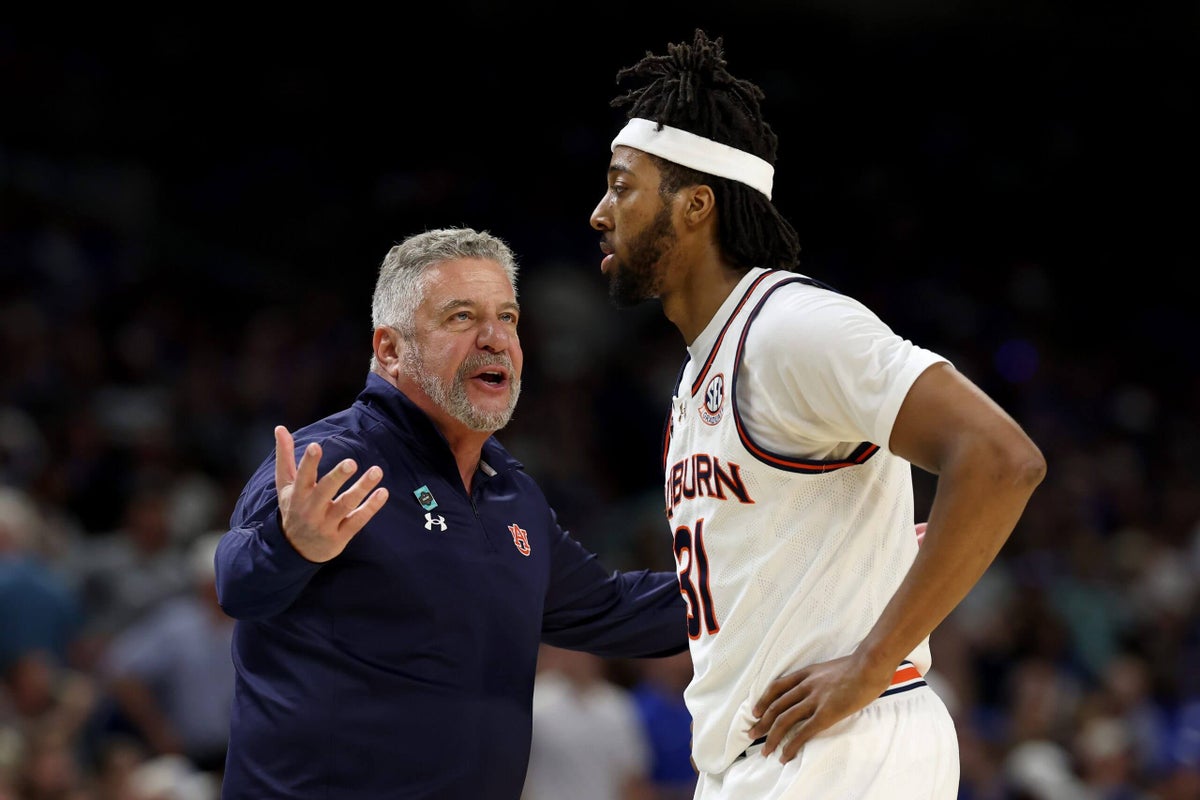
Less than a year removed from his sudden retirement in September after leading the Auburn Tigers to a Final Four appearance and the best record in school history at 32-6, Bruce Pearl has spent much of his time as a TV studio analyst gauging concerns from Power 4 head coaches, assistant coaches and AAU coaches across the country alike.
There is a common theme.
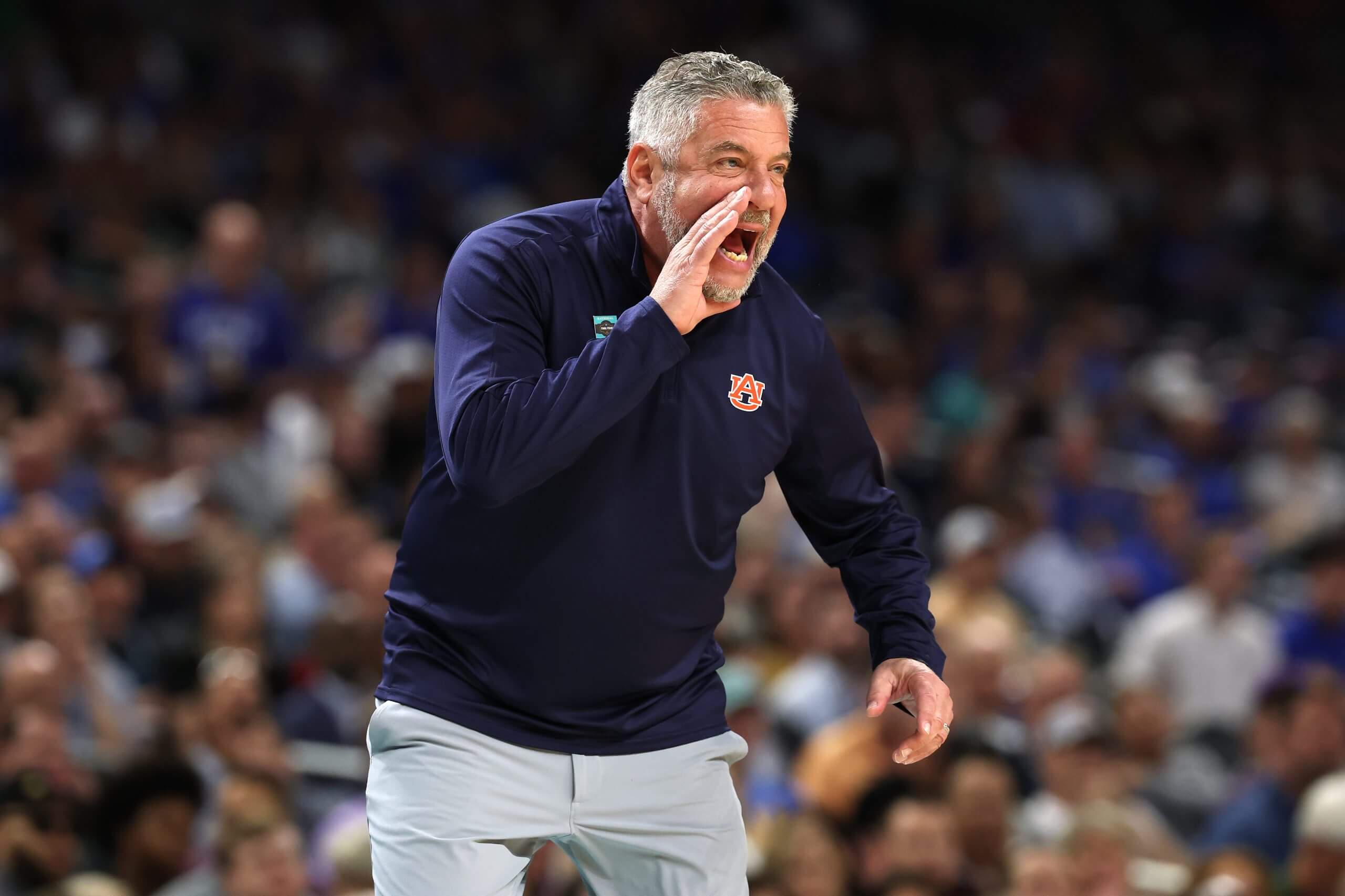
Bruce Pearl said he noticed a change in drive and demeanor when his former players started being compensated. (Jamie Squire / Getty Images)
“They’re worried that players are just making too much, too fast,” Pearl told The Athletic.
It’s not that players are more difficult to coach in an era where their annual salaries come close to — or in very rare cases reportedly exceed — that of their own head coach. Instead, there are concerns that so much money is masking the realities of the future. Contrary to what some detractors of Pearl might assume, he wants to see players paid.
In fact, Pearl, now 65, said when television media rights deals exploded in the last two decades and allowed coaches — himself included — to be paid guaranteed money in the millions hand over fist, the players should’ve had a cut long ago.
Some, like Pearl, are worried there has been an overcorrection in the marketplace. That NIL salaries have bloated to untenable levels. That players in college basketball believe that these types of lucrative contracts will always be obtainable because of the current unregulated marketplace.
Pearl doubled down on how he’s not that cranky former coach shaking his fist at the sky, reminiscing about the good old days. He says it’s a “good challenge to have” for those associated with the sport, but one that cannot be allowed to spiral.
Last year’s Final Four Auburn team, according to Pearl, was a $4 million roster. Most competitive Power 4 rosters a year ago cost between $4 to $6 million prior to the start of the rev-share model, Pearl estimated.
This year’s star-studded freshman class, highlighted by BYU’s AJ Dybantsa, Kansas’ Darryn Peterson, Duke’s Cameron Boozer and North Carolina’s Caleb Wilson, among others, are all reportedly making as much, if not half, of what entire competitive rosters cost a year ago.
Michigan star forward Yaxel Lendeborg recently told The Associated Press that last offseason, Kentucky offered him a deal ranging anywhere from $7 million to $9 million. He told The Athletic that most players know what others are making.
“There’s people finding it out and making it public and stuff like that too, so there’s no way to run or hide from it,” Lendeborg told The Athletic last week in Chicago. “It’s pretty much public knowledge to everybody.”
Kentucky coach Mark Pope pushed back on Lendeborg’s claim, which provided a glimpse into a power dynamic that can be teetering in one way for the first time in decades.
Pearl said it was never a challenge to coach his players after NIL began, but he says he noticed a change in drive and demeanor when his former players started being compensated. And that’s been relayed to him from other coaches this year more than any other.
“When I was coaching and they weren’t making any money, there was a level of hunger, desperation, commitment and a willingness to be coached hard, because the pot of gold was at the end of the rainbow,” Pearl said.
UCLA coach Mick Cronin, another outspoken voice in college basketball, said that after NIL was put into place in the summer of 2021, he bumped into future Hall of Fame point guard Chris Paul at the same Southern California country club where both are members. Paul, who recently retired after 21 seasons in the NBA, told Cronin then that big contracts were going to potentially derail players from reaching their apex.
“It’s going to distract guys from putting in the work to maximize who they can become as a player and as a person,” Cronin recalled Paul telling him. “Young people are going to be distracted and spend money on things that aren’t healthy for them, and it’s going to kill their development.”
Cronin said coaching players as rigorously as he was once able to prior to NIL isn’t an issue. He prioritizes proper investment education for his players.
“It’s not what you make,” he said, “it’s what you keep.”
Michigan junior guard Elliot Cadeau said one of coach Dusty May’s team rules is for players not to speak publicly about how much they’re making in NIL. In addition, they’re not even supposed to talk to each other about how much they’ve signed for. Cadeau, who started his career at North Carolina, has the same type of approach with younger teammates as Wrightsell — the opposing starting guard he faced in the Sweet 16.
“I’ve asked everybody on the team younger than me, ‘You have investments, right? Do you have stocks?” Cadeau said. “All of them said yes. If they said no, I would definitely try to help them out with that.”
Tennessee point guard Ja’Kobi Gillespie is quick to remind the current generation of players how fortunate they are to be able to have a slice.
“I’ve told some of our freshmen they’re lucky — I made zero dollars when I was at Belmont my freshman year,” he said. “It keeps going up.”
BYU head coach Kevin Young spent all of his coaching career in the NBA’s Development League or on NBA coaching staffs before taking the Cougars’ position in April 2024. He said coming from the league has made him more cognizant of educating players on simply spending and saving.
“It’s a lot, no question, but it’s not an endless supply,” Young told The Athletic. “What these guys don’t get is, basically every year you’re in a contract year. So if you don’t play well, it’s not guaranteed you’re going to go get another good NIL or rev-share deal the next year.”
Some coaches have voiced their frustrations about the financial state of the game. Arkansas coach John Calipari went on a diatribe in December about how older players are sticking around in college basketball to earn a living. In February, UAB head coach Andy Kennedy rued a bunch of missed layups after a home loss to Tulane, and in his postgame press conference, said his players make more money than the journalists in the room.
Pearl said what Paul voiced to Cronin a few years ago is starting to play out this year. Some coaches have told him that players view NIL deals as a lock on a yearly basis.
“A lot of guys don’t understand that until they’re out of it and then (they’re) saying, ‘I need more money, I need more money,’” Wrightsell said.
Around 1 percent of college players make it to the NBA, and Pearl said he anticipates at least half of these current college stars will not cash in on that much-desired second NBA contract. It’s not the top-end lottery picks expected to fill out this year’s hyped draft class he’s thinking about — it’s the hundreds of other great college players who are at risk for falling victim to living too much in the moment.
“I worry this is going to be the last time they get a paycheck like this,” he said.
Pearl has ideas on how to elongate the amount of money allocated in NIL deals. Rather than a one-time lump sum, he suggests looking into structured annuities for players where they are guaranteed to get a certain amount of money over a certain period, like a pseudo-post playing career package.
For decades, college basketball coaches held all the cards. Now, the power dynamic has shifted as college athletics still search for ways to implement guardrails in this evolving existence.
“The money equation never comes into how hard I can or can’t coach a guy,” Young said. “I learned this a long time ago when I was in the NBA: If you’re coaching out of fear, you’re going to get fired anyway.”
— Ira Gorawara contributed to this story.