
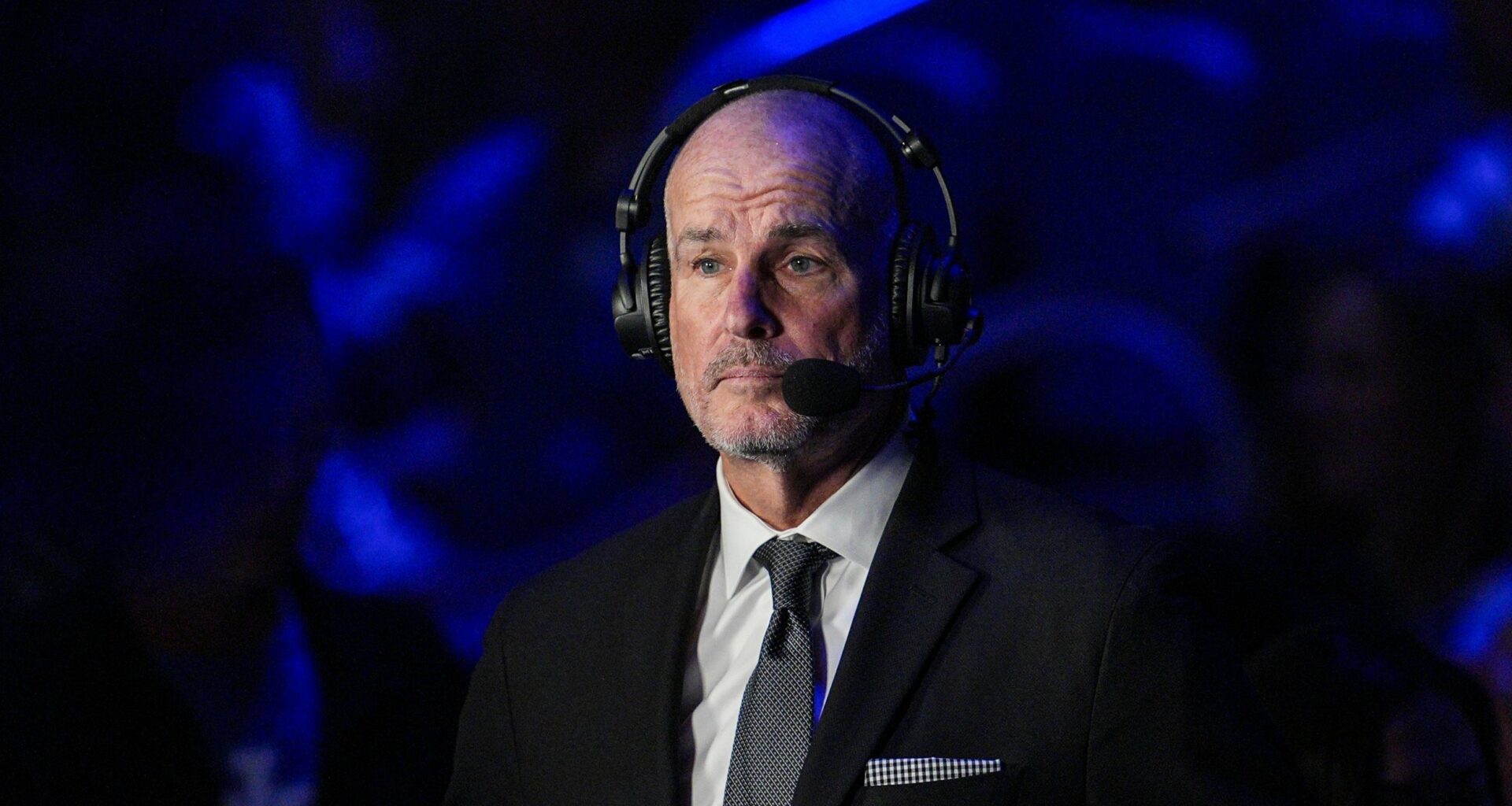
Before North Carolina went outside the box and hired Michael Malone as its next head men’s basketball coach, the school’s search was following a familiar pattern — one that ESPN’s Jay Bilas cannot believe the NCAA still allows.
When the Tar Heels fired Hubert Davis, names immediately trickled out from the top echelon of the NBA and college basketball: Dusty May, Tommy Lloyd, Billy Donovan. These coaches then address the reports publicly, and each school’s fanbase crosses its fingers collectively in hopes that their guy doesn’t leave.
In many cases, even if a given coach is interested in a prominent opening, they can use the rival program’s interest to negotiate a better contract for themselves in their current job. Of course, some are not interested in moving at all and play along just for their own financial interests.
The whole routine is an invention of agents and the media designed to drum up a market and put more money in coaches’ pockets. And Bilas wants it to end.
In an appearance Tuesday on The Dan Patrick Show, Bilas called for a new NCAA rule prohibiting tampering with under-contract coaches. Rather than devote resources to players being poached in the transfer portal, Bilas suggested, the NCAA should be devoting far more energy toward stopping the silly coaching cycle from dominating headlines and screwing programs each spring.
“This would never happen in the NBA or the NFL. A job’s open, and coaches are mentioned, contacted, and they squeeze more money out of where they are. And they leverage it. As they should, because that’s just smart business,” he said.
“But I can’t imagine why the NCAA doesn’t have a rule that says there’s no tampering with coaches. We talk about tampering with players who are not under contract and have a transfer portal. That’s not tampering. There’s tampering with coaches. These guys are under contract. But everybody accepts it, because if somebody takes my coach, then I’m going to go take somebody else’s coach, and I want to be able to do that. And the domino effect of that affects a lot of people’s lives, including a lot of players’ lives. And we continue to do this.”
Bilas noted that this is a problem in both basketball and football at the college level, but he may be off-base in suggesting it is not a problem in the pros. Plenty of coaches mutually part ways or resign from their jobs in the NBA or NFL, only to quickly sign with a new franchise. One can only assume that back-channel conversations are happening through these processes.
Still, Bilas’ general point that schools are allowed to openly tamper with coaches while college basketball decision-makers cry wolf about tampering with players is sound. It is just one of the many hypocrisies that Bilas has found himself calling out as the NCAA and the rest of college sports tries to figure out how to regulate NIL, pay-for-play, and the portal.