
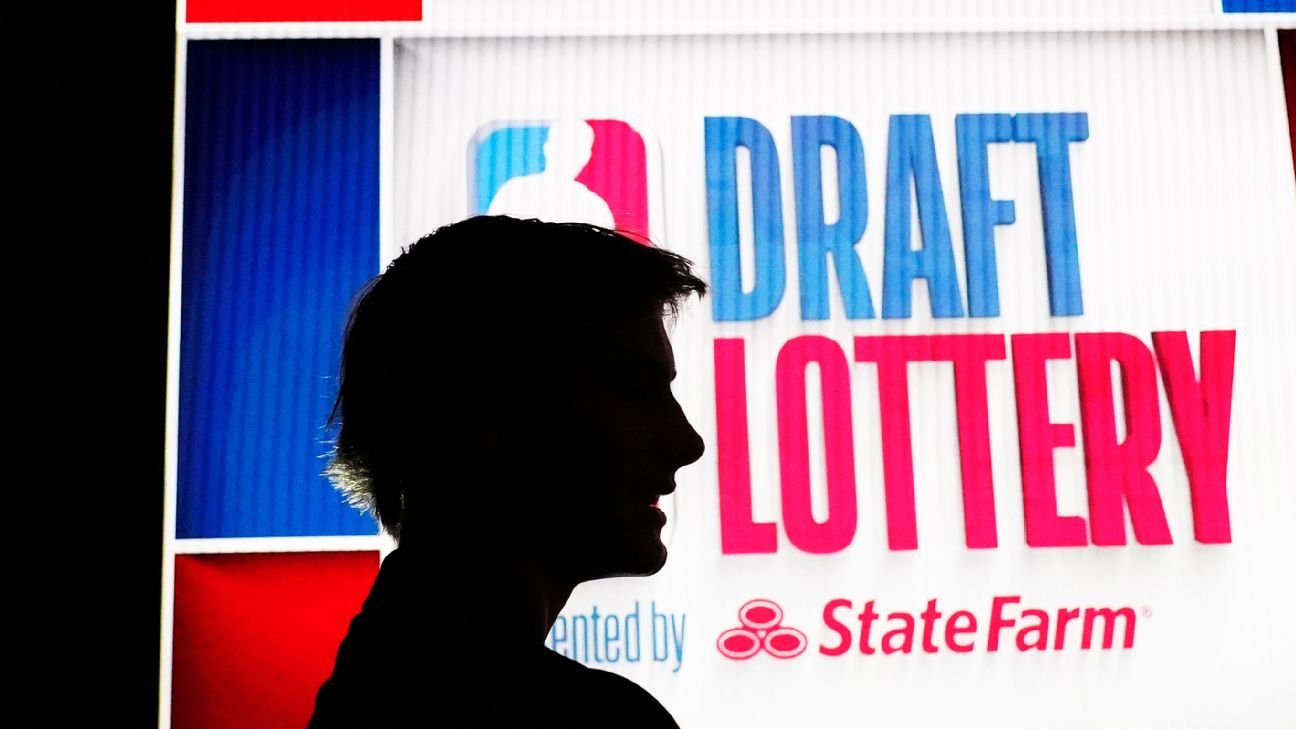
The 2026 National Basketball Association Draft Lottery has rapidly evolved from a routine procedural television event into a high-stakes corporate thriller, with the immediate future of the Los Angeles Clippers hinging precariously on the unpredictable bounce of numbered ping-pong balls.
According to senior NBA analysts, the magnitude of this year’s lottery is severely amplified by a staggering concentration of elite draft prospects and a complex, interwoven web of traded draft capital. The Clippers, despite having absolutely no representatives positioned on the Chicago stage, are inextricably tied to a dramatic coin-flip scenario originating from the convoluted Ivica Zubac trade: facing a 48 percent chance of acquiring a franchise-altering pick from the Indiana Pacers, against a 52 percent chance of walking away entirely empty-handed.
The Architecture of an NBA Rebuild
The pursuit of generational talent remains the most ruthless endeavor in professional sports. Over the past six months, a staggering third of the league—approximately nine separate franchises—engaged in varying degrees of systematic tanking. Front offices deliberately degraded their own rosters, trading away capable veterans and sitting healthy contributors, all to mathematically optimize their chances of securing the top overall selection. The prize justifying this organizational self-sabotage is a 2026 draft class considered by international scouts to be the most top-heavy in recent memory.
Prospects like AJ Dybantsa, Darryn Peterson, and Cameron Boozer are not viewed merely as excellent basketball players; they are evaluated as multinational corporate assets capable of reviving dormant fanbases and generating hundreds of millions of dollars in franchise equity. Consequently, the desperation inside the drawing room in Chicago is palpable. The impending alterations to the NBA lottery format, which will drastically penalize intentional losing starting next season, makes this specific Sunday the final chaotic land grab in the modern era of tanking.
The Clippers’ Multimillion-Dollar Coin Flip
The defining drama of the evening centers entirely on the Los Angeles Clippers, a franchise attempting to execute a delicate retrofit following the departures of Ivica Zubac and James Harden. The conditions of their previous transaction with the Indiana Pacers dictate that if the Pacers’ pick falls exactly within the fifth to ninth slots, the asset transfers to Los Angeles. If it lands in the top four, Indiana retains the prize.
This sliding-doors moment will fundamentally dictate the operational parameters of the Clippers’ front office for the next half-decade. Securing a top-tier prospect allows the organization to inject explosive, cost-controlled youth into an aging, expensive roster, extending their competitive window in the brutal Western Conference. Conversely, losing the pick forces the front office to navigate the treacherous waters of free agency with heavily restricted salary cap flexibility, potentially triggering a prolonged era of irrelevance in their new billion-dollar arena.
Evaluating the Top-Tier Talent Pool
The financial and strategic implications of securing a high lottery pick ripple through every department of an NBA organization.
A top-five pick operates on a cost-controlled rookie scale contract, providing massive salary cap relief compared to signing equivalent veteran talent.The arrival of a star rookie guarantees an immediate surge in season ticket renewals, premium suite sales, and local broadcast viewership.Drafting an elite talent shifts the franchise’s timeline, heavily influencing whether the front office trades future assets to compete immediately or hoards capital for a deeper rebuild.Players of Dybantsa’s caliber attract high-level free agents who recognize the mathematical advantage of pairing with young, ascendant superstars.The Ripple Effects Across the Global Hoops Ecosystem
The intricate mechanics of the NBA Draft Lottery are no longer exclusively consumed by American diehards; they are scrutinized globally. In East Africa, where the NBA has aggressively expanded its digital footprint, sophisticated fanbases in cities like Nairobi track the minutiae of pick protections and salary cap implications with astonishing precision. The globalization of the sport means that a transaction executed in Indiana has direct ramifications on the viewing habits and merchandise purchases of consumers thousands of miles away.
For Kenyan basketball enthusiasts, the draft represents the ultimate intersection of human drama and corporate strategy. Understanding the complex maneuvering required to build a championship roster elevates the consumption of the sport beyond mere entertainment, transforming it into an intellectual exercise in asset management and probability theory.
In the relentless arms race of the modern NBA, championships are frequently forged not just in the practice gym, but in the sterile, sequestered drawing rooms where mathematical probability and sheer luck violently collide. For Los Angeles, a single random number sequence will dictate the trajectory of the franchise for an entire generation.