
2 players Pistons must trade after 60-win season ends in disappointing playoff defeat appeared first on ClutchPoints. Add ClutchPoints as a Preferred Source by clicking here.
The Detroit Pistons authored a wonderful regular season in 2025-26. Sadly, the cruel reality of playoff basketball exposed exactly how fragile that breakthrough truly was. After a dominant 60-win campaign ended with a humiliating Game 7 collapse against the Cleveland Cavaliers, Detroit now enters an offseason that feels far more complicated than celebratory. The Pistons proved they are for real. However, they also learned the hard way that regular-season dominance does not automatically translate into postseason sustainability. President of Basketball Operations Trajan Langdon now faces the difficult task of turning a feel-good story into a legitimate title blueprint. As painful as it may be, two key roster decisions look to stand above the rest.
Advertisement
Magical regular season, playoff flaws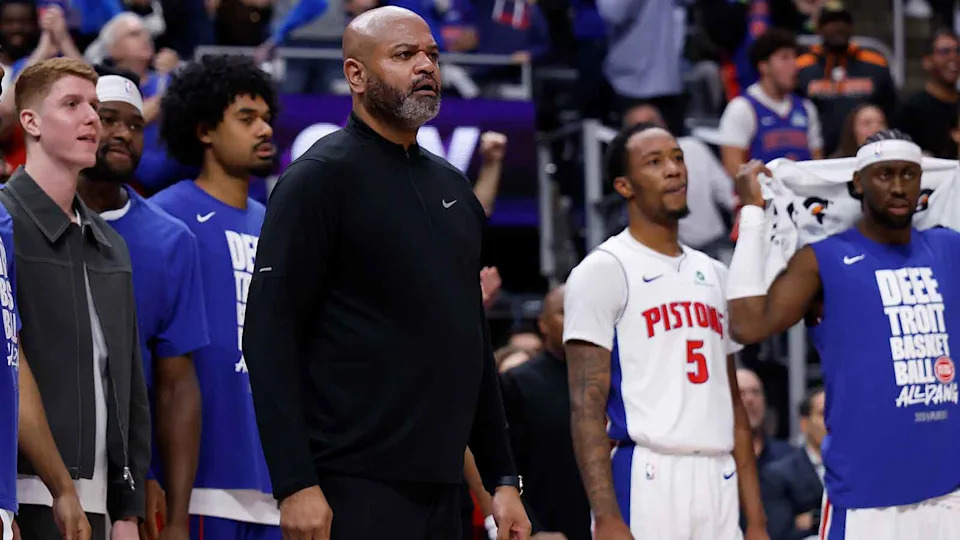
Rick Osentoski-Imagn Images
Detroit’s regular season was nothing short of astonishing. The Pistons exploded to a 60-22 record. They secured the No. 1 seed in the Eastern Conference while capturing their first Central Division title since 2008. Under head coach JB Bickerstaff, Detroit transformed into one of the league’s nastiest defensive teams. They bullied opponents nightly behind the NBA’s second-ranked defense. The Pistons became the first franchise ever to jump from a 60-loss season to a 60-win campaign within two years. They established themselves as one of basketball’s biggest success stories.
The internal development was equally impressive. Star guard Cade Cunningham evolved into a full-fledged superstar. He could control games with maturity and composure, collecting multiple Eastern Conference Player of the Month honors. Even when a late-season lung injury sidelined him temporarily, Detroit still went 13-4 during his absence. That showcased impressive depth and buy-in across the roster.
Advertisement
However, the postseason revealed the danger of relying too heavily on regular-season habits. Once opponents slowed the game down and dissected Detroit’s half-court offense, the cracks became impossible to ignore. The Pistons struggled to generate clean perimeter looks. Spacing collapsed under playoff pressure. Several key contributors became liabilities in high-leverage moments.
With that, here are a couple of players that they could perhaps consider trading (or signing then trading) in the near future.
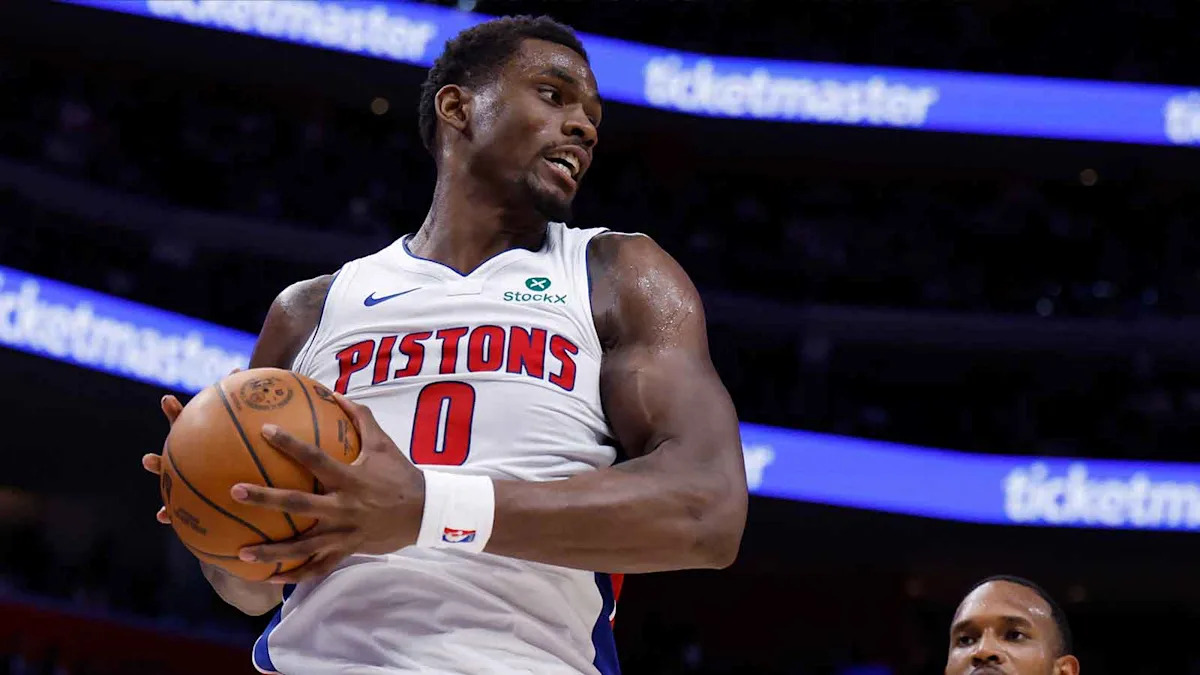
The most difficult decision Detroit faces centers around Jalen Duren. During the regular season, Duren looked every bit like a cornerstone interior force. He earned his first All-Star selection while averaging dominant double-double numbers and anchoring Detroit’s physical identity in the paint. Unfortunately for the Pistons, the postseason completely flipped the narrative.
Advertisement
Against Cleveland, Duren’s limitations became glaring. The Cavaliers consistently packed the paint. They dared him to operate outside his comfort zone while clogging Cunningham’s driving lanes. His inability to stretch the floor or consistently punish defensive switches allowed Cleveland’s defense to dictate every possession. Worse yet, Detroit’s offense became painfully predictable whenever Duren shared the floor with non-shooters.
The financial implications only intensify the urgency. Duren’s impending restricted free agency could command a deal worth upward of $30-35 million annually. Under the NBA’s new restrictive salary cap environment, paying premium money to a traditional center who struggles in playoff spacing situations is an enormous gamble. With Cunningham’s designated rookie extension set to balloon to over $50 million annually, Detroit simply cannot afford a massive overpay that cripples roster flexibility.
This is precisely why the Pistons must aggressively explore sign-and-trade possibilities while Duren’s market value remains strong. Detroit can target either a floor-spacing big man or an elite secondary creator who eases the burden on Cunningham. Standing still would be dangerous. The Pistons cannot afford emotional loyalty over strategic roster-building.
The second move feels less emotional but equally necessary. Detroit must capitalize on Duncan Robinson’s contract value before it becomes an obstacle.
Advertisement
To Robinson’s credit, he played an important role during the regular season. His shooting gravity gave Detroit much-needed spacing.. However, playoff basketball is about versatility. Robinson’s limitations became increasingly difficult to hide once Cleveland began targeting him defensively.
Detroit finished the postseason ranked dead last among playoff teams in both three-point production and efficiency. That was despite Robinson’s presence. His elite shooting alone could not fix the team’s larger spacing problems. In addition, his defensive vulnerabilities forced Bickerstaff into uncomfortable lineup decisions late in games.
Financially, Robinson becomes incredibly valuable precisely because of his contract structure. His partially guaranteed $15.9 million salary next season makes him one of Detroit’s most attractive mid-sized trade chips. For rebuilding teams, Robinson still carries legitimate value around the league.
Do not progress with completion
Ken Blaze-Imagn Images
Detroit’s 60-win season deserves genuine respect. The culture shift is real. Cunningham looks like a franchise superstar. Bickerstaff has clearly established an identity. That said, playoff collapses have a way of revealing truths that regular seasons can temporarily hide.
Advertisement
If Detroit wants this era to become more than a regular-season feel-good story, the front office must make difficult choices now rather than later. Trading Jalen Duren and Duncan Robinson would not erase what they contributed during this breakthrough season. Instead, it would acknowledge that the next step toward contention requires a roster better built for May and June, not just October through April.
Related: 3 best Kyrie Irving trade destinations if Mavericks want to move on after firing Jason Kidd