
The 2025-26 Big Ten basketball season is still more than four months away. Given the summer months of June and July bring next to nothing when it comes to college basketball-related headlines, it’s time to take a unique look at the Big Ten Conference.
That is, a focus on the Big Ten landscape that differs from our latest power rankings, which were updated after the NBA draft early-entry decision deadline.
Our first look: An updated ranking of the conference’s 18 basketball venues.
Related: Ranking all 18 Big Ten basketball uniforms from worst to first
The Big Ten’s landscape predictably changed with its additions of USC, UCLA, Oregon and Washington entering the 2024-25 season. UCLA headlined that group, bringing one of the sport’s richest histories, including 2,025 all-time wins (fifth in NCAA history) and 11 national titles. The Bruins contended immediately upon joining the conference, finishing tied with Wisconsin for fourth in the regular-season race, bolstered by an impressive 8-2 record at home at Pauley Pavilion.
That arena is part of the story. It is now added to a top tier of Big Ten venues that includes some of the sport’s best. With that inclusion in mind, here is an updated ranking of the conference’s 18 basketball venues.
18. Bryce Jordan Center (Penn State Nittany Lions)
Capacity: 15,261
The Bryce Jordan Center is on the newer side, having opened in 1996. It lacks a distinctive atmosphere, due to the seats being set somewhat far back from the court. The Big Ten does not have any bad basketball arenas. This one just isn’t a destination. It blends in with many others across the sport.
Get more (Penn State) news, analysis, and opinions on Nittany Lions Wire
17. Galen Center (USC Trojans)
Capacity: 10,258
All indications are that the Galen Center, which opened in 2006, is a beautiful facility and a great place to watch a basketball game. But in the same city as UCLA’s Pauley Pavilion, a destination arena, it’s hard to give it major props for being a newer construction.
Get more (USC) news, analysis, and opinions on Trojans Wire
16. Value City Arena (Ohio State Buckeyes)
Capacity: 18,809
Ohio State’s Value City Arena is the largest in the Big Ten. That leads to a downgrade, as 19,000-seat arenas can eliminate the feel of a college game. This is more of an NBA arena than a college venue, which explains its low ranking.
Get more (Ohio State) news, analysis, and opinions on Buckeyes Wire
15. Pinnacle Bank Arena (Nebraska Cornhuskers)
Capacity: 15,500
Pinnacle Bank Arena will host its 13th season of Nebraska basketball in 2025-26. It is a good venue by all accounts. However, it leans closer to a professional arena than a more intimate college setting. That leads to a minor downgrade.
Get more (Nebraska) news, analysis, and opinions on Cornhuskers Wire
14. Welsh-Ryan Arena (Northwestern Wildcats)
Capacity: 7,039
Northwestern gets major credit for a unique venue. While it is the size of some high school gymnasiums, it punches above its weight in the atmosphere department. The No. 14 ranking has more to do with the conference’s terrific collection of arenas.
13. Williams Arena (Minnesota Golden Gophers)
Capacity: 14,625
Minnesota’s Williams Arena, or “The Barn,” is one of the most underrated arenas in the Big Ten. The issue is that Minnesota hasn’t reached the NCAA Tournament since 2019 and hasn’t finished with a winning record in conference play since 2016-17. A winning team will properly display what is a fantastic basketball venue.
12. Jersey Mike’s Arena (Rutgers Scarlet Knights)
Capacity: 8,000
Jersey Mike’s Arena gets points for its atmosphere, which will be specifically ranked in a future article. The stadium itself is unique, which is a bonus. However, its design can make the game challenging to watch for anybody seated past the first 20 rows.
11. Alaska Airlines Arena (Washington Huskies)
Capacity: 10,000
Alaska Airlines Arena is one to circle in the coming years, especially if Washington takes major steps forward under coach Danny Sprinkle. While on the smaller side, it checks the boxes of college feel and fan proximity to the court.
Get more (Washington) news, analysis and opinions on Huskies Wire
10. Matthew Knight Arena (Oregon Ducks)
Capacity: 12,364
Oregon’s arena itself is among the best in the Big Ten. The court, however, leads to a significant downgrade. A normally designed court, without the eye-catching designs, would send the arena rocketing up the rankings.
Get more (Oregon) news, analysis and opinions on Ducks Wire
9. State Farm Center (Illinois Fighting Illini)
Capacity: 15,544
Illinois’ State Farm Center is second-to-none when it comes to in-game atmosphere. Again, those rankings will be unveiled later next week. The arena receives props for its unique feel and its placement of the student section. The stadium’s only knock is that it’s a bit outdated (opened in 1963).
8. Carver-Hawkeye Arena (Iowa Hawkeyes)
Capacity: 14,998
Carver-Hawkeye Arena begins the top tier of our rankings. It is one of several arenas that, even if the large Hawkeye at center court is hidden, viewers would know exactly what venue they’re watching. It has a unique college feel and atmosphere that doesn’t exist at larger, more professional venues.
Get more (Iowa) news, analysis and opinions on Hawkeyes Wire
7. Xfinity Center (Maryland Terrapins)
Capacity: 17,950
Xfinity Center is one of the toughest places to play in the Big Ten when Maryland is good. While it seats nearly 18,000, which is on the larger side, it consistently creates a terrific environment. The court’s bordering and design add to its high ranking.
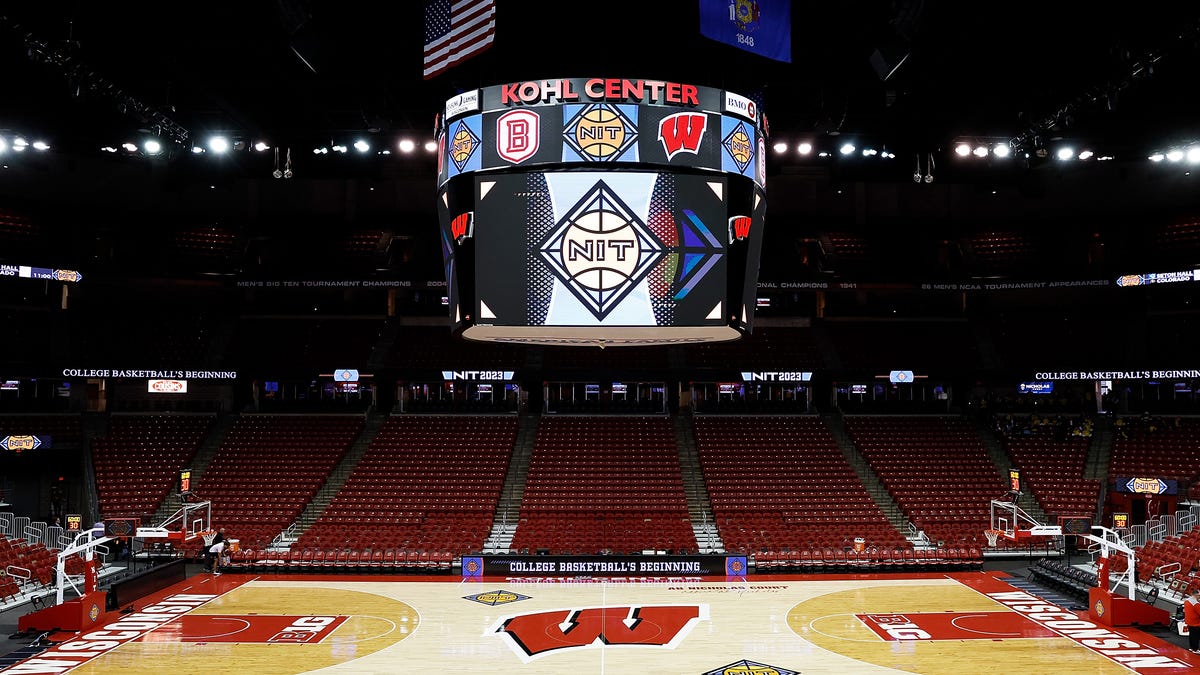
6. Kohl Center (Wisconsin Badgers)
Capacity: 17,287
The Kohl Center has become one of the Big Ten’s classic venues. It is designed like a professional arena, which would typically be a knock. But Wisconsin fans, partially thanks to a successful team, ensure that it maintains a college atmosphere. It’s a fantastic place to watch a basketball game.
5. Crisler Center (Michigan Wolverines)
Capacity: 12,707
Michigan’s Crisler Center begins the true top tier of Big Ten venues. The 13,000-seat arena is the perfect size for a college venue. Plus, like other top-ranked arenas, it positions its student section around a portion of the court. Any newly constructed arenas should use this one as a blueprint.
Get more (Michigan) news, analysis, and opinions on Wolverines Wire
4. Breslin Center (Michigan State Spartans)
Capacity: 14,759
The Breslin Center narrowly edges the Crisler Center, though it ranks in the top tier due to similar reasons. Most importantly, its student section design is second to none. That creates an in-game atmosphere that is unmatched.
Get more (Michigan State) news, analysis and opinions on Spartans Wire
3. Pauley Pavilion (UCLA Bruins)
Capacity: 13,800
Pauley Pavilion holds this ranking due in part to its history, having opened in 1965. It has housed 10 NCAA champions and countless college and NBA Hall of Famers. While different than some of the Midwest’s best arenas, Pauley Pavilion should be added to any Big Ten fan’s must-visit list.
Get more (UCLA) news, analysis, and opinions on UCLA Wire
2. Mackey Arena (Purdue Boilermakers)
Capacity: 14,240
Mackey Arena is the perfect college basketball venue. It is an ideal size at 14,000 seats, importantly also with a distinct feel. The arena deserves credit for the atmosphere it creates, even with the Boilermakers consistently ranked among the best in the conference (which helps). The gold-and-back color scheme is simple, but it is far superior to some arenas that paint all the seats the same color.
1. Assembly Hall (Indiana Hoosiers)
Capacity: 17,220
Assembly Hall’s top position shouldn’t come with much argument. It is unlike any other venue in the sport. When Indiana is good, which it hasn’t been as of late, it could be the best place in the country to watch a basketball game.
Contact/Follow @TheBadgersWire on X (formerly Twitter) and like our page on Facebook to follow ongoing coverage of Wisconsin Badgers news, notes and opinion