
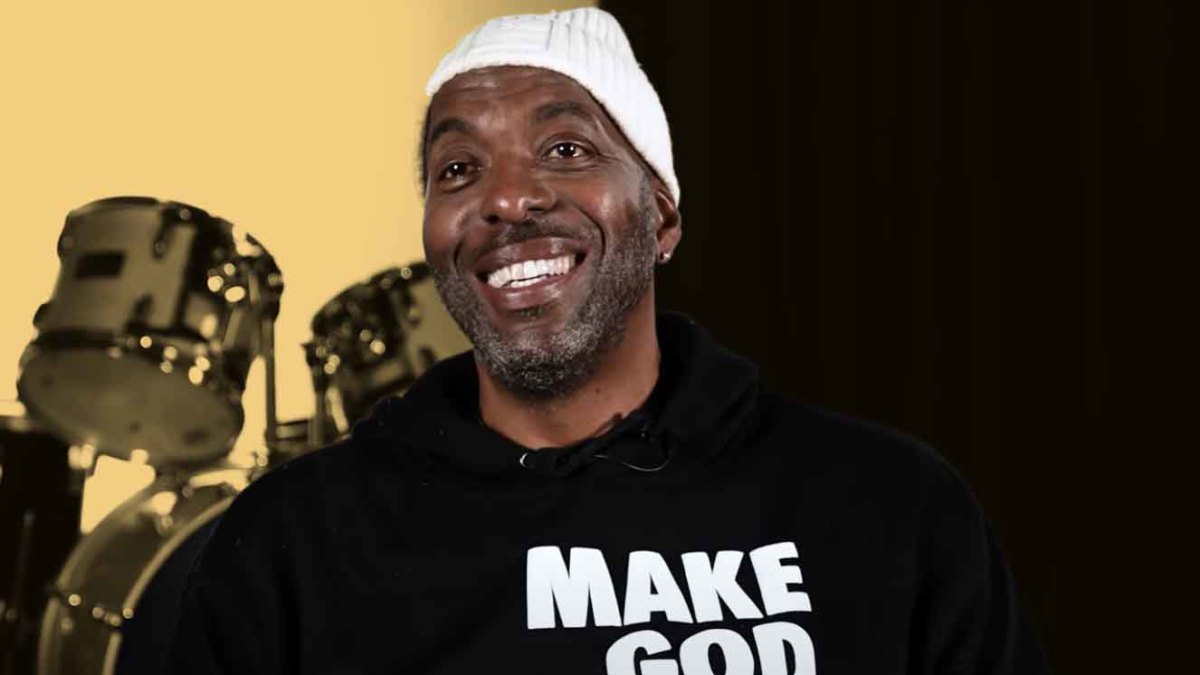
“We toughened him up, he got stronger because of us” – John Salley argues the Bad Boy Pistons don’t get enough credit for making Jordan a superstar originally appeared on Basketball Network.
The Chicago Bulls dynasty didn’t erupt until the 1990s, and a huge reason for that was the Detroit Pistons. No other team in that era dictated the tempo, tone or toughness of playoff basketball quite like the Bad Boys. They weren’t simply a hurdle on Michael Jordan’s path to greatness.
Advertisement
They were the fire that pushed him. Sometimes to the brink.
For three straight seasons, Detroit snatched away Jordan’s hopes of a Finals appearance, knocking the Bulls out in ‘88, ‘89 and ‘90. Each year, the matchup grew more heated. Chicago’s brightest star shone, but the Pistons made sure it wasn’t enough.
Toughening Jordan
The Pistons doubled up on Jordan; they hit him, bruised him. They boxed him at the elbow, challenged him in the lane and dared him to meet resistance with resilience. However, according to former Pistons star John Salley, it helped the Bulls icon.
“We were essential to Michael Jordan becoming Michael Jordan,” Salley said. “That’s the way we look at it. We toughened him up, he got stronger because of us. Once you get through us, you get ready. That’s how we handled it all.”
Advertisement
In 1988, Detroit sent the Bulls packing in five games. In 1989, they did it again, this time in six. By 1990, with Jordan growing into his prime, Chicago pushed it to seven games. Still, Detroit stood tall. In those years, Jordan was extraordinary, but isolated.
The Jordan Rules collapsed the floor around him — force left, trap baseline, no free runs to the rim.
They played him like a system, not a superstar. The result was endless frustration, fatigue and repeated exits. It wasn’t until 1991, when Jordan arrived with 15 pounds of muscle and a fresh philosophy of trust, leaning on Scottie Pippen, Horace Grant and Phil Jackson’s triangle, that the Bulls finally broke through. They swept Detroit in the Eastern Conference finals that year, ending the Pistons’ reign and starting their own.
The Bad Boys effect
The Pistons were deliberate in all they did.
Advertisement
Aggression was their philosophy, not a flaw. And in the late ‘80s, it was rewarded. Between 1987 and 1990, Detroit went 46–13 in playoff games. They did just about everything, from hand-checking, bodying guards or contesting every layup. That was the NBA then.
But history tends to glorify winners, and with Jordan’s six championships came a reframing of that rivalry. The Bad Boys became villains in retrograde, antagonists in a narrative told by their eventual victim. Lost in the retelling is what Salley and his Pistons teammates always understood.
The pain they inflicted didn’t diminish Jordan’s greatness.
It was essential to it.
Advertisement
“We played basketball the way basketball is played,” Salley said. “They [the Bulls] came in and changed the way. Think about it, so many rules are in place because of Detroit and we played exactly to the law.”
But with time came revision. The league’s evolution into a perimeter-heavy, freedom-of-movement product began partly in response to that Pistons era. The rulebook bent — defensive three seconds, flagrant fouls, the hand-check ban in 2004 — and the league began promoting flow over force. The same tactics that won Detroit two championships and three Finals appearances would rack up fines and flagrant calls today.
That shift may have benefited Jordan in the long run — the space to soar, the protection to dazzle — but it also underlines how much he had to adapt before the league adapted to him.
Salley’s perspective doesn’t demand revisionist praise. It simply asks for recognition. Without Detroit, the mythos of Jordan may not have hit the same.
Related: Michael Jordan shows off his $115 million luxurious superyacht in Croatia
This story was originally reported by Basketball Network on Jul 6, 2025, where it first appeared.