
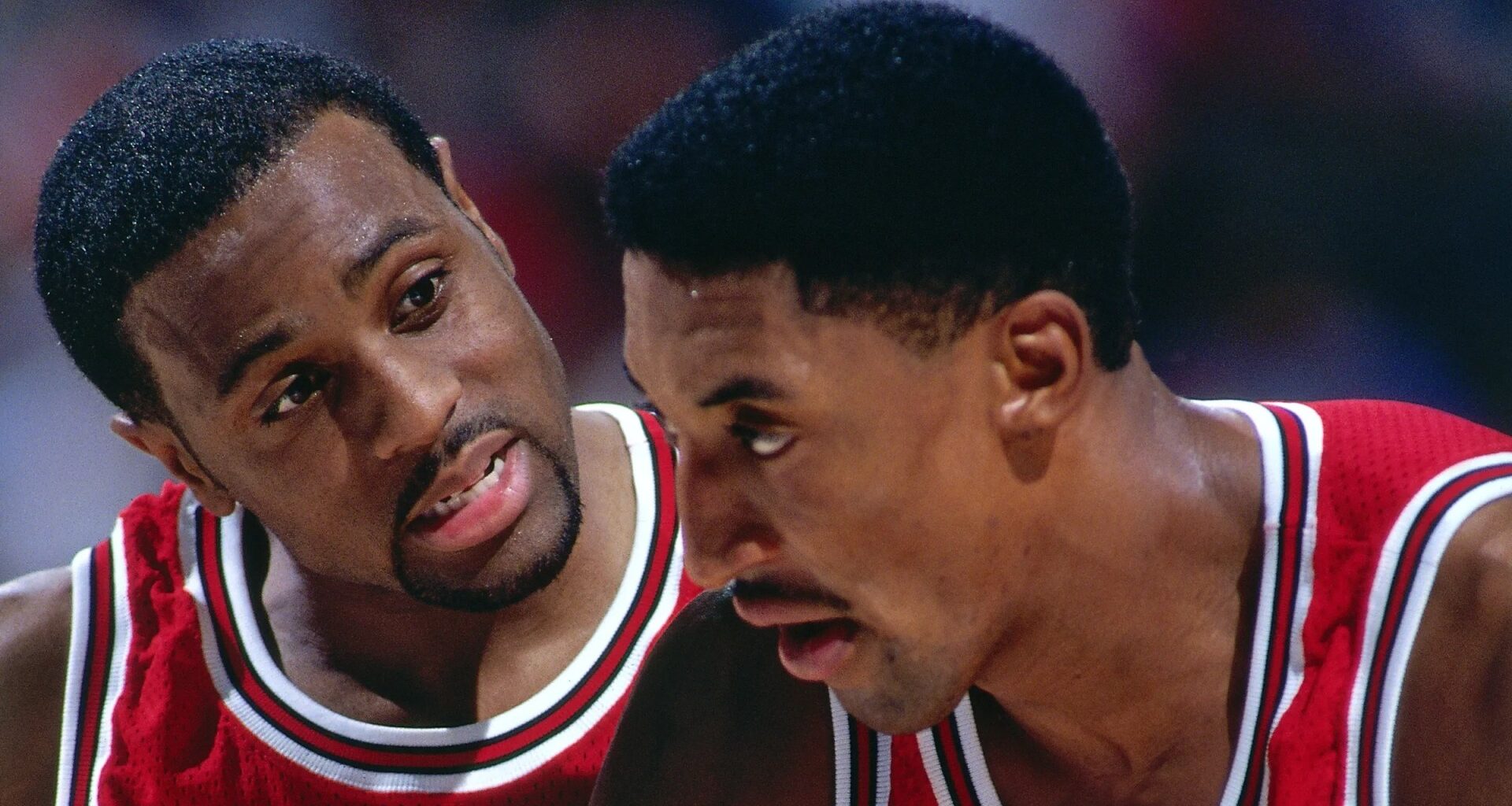
Randy Brown lived the dream of every Illinois native.
Brown was selected with the 31st overall pick in the 1991 NBA Draft by the Sacramento Kings but returned to his hometown of Chicago for the 1995 season, just in time for three remarkable years.
6
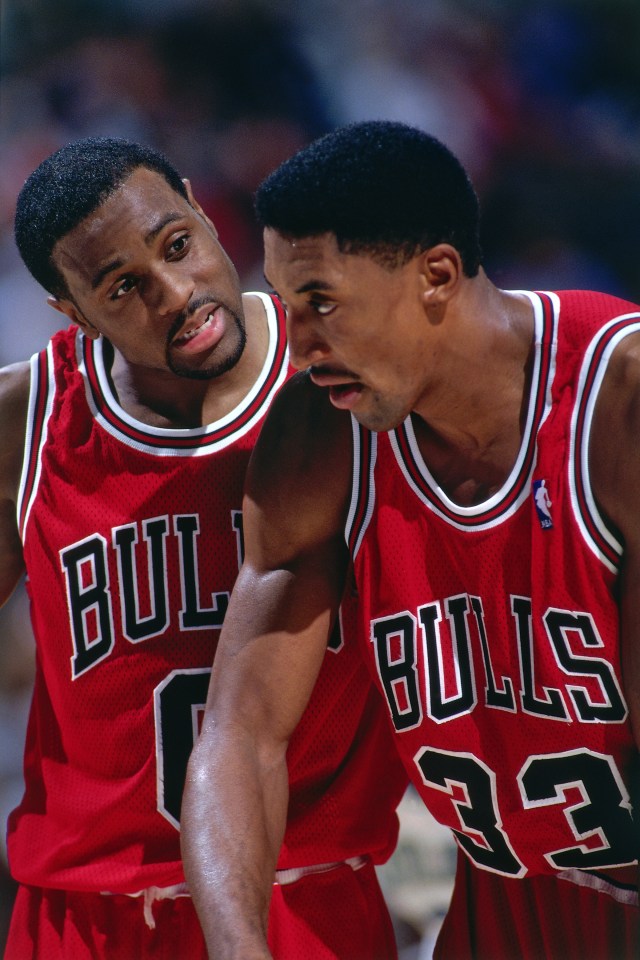
Brown joined his hometown Bulls in 1995Credit: GETTY
The 6ft 2in guard provided valuable energy and aggressiveness off the bench during the Bulls’ second three-peat between 1996-1998.
“I signed up as a free agent at the right time,” Brown said.
“Michael had just come back, the Bulls had just lost a playoff game to Orlando Magic, so he was upset that they lost a playoff game to Orlando.
“I came at the right time, Michael Jordan, Scottie Pippen, Dennis Rodman and Toni Kukoc were all in their prime and we were hungry.”
Brown’s three championships rewarded him with three priceless rings, a piece of jewelry that should serve as a lifelong reminder of his achievement.
However, just over ten years later, Brown would lose everything, including his three coveted rings.
In 2009, the former Bulls guard filed for Chapter 7 bankruptcy after being fired by the Sacramento Kings as assistant coach.
Brown, who retired in 2003, was forced to sell his trio of championship rings as part of the bankruptcy proceedings.
Despite earning over $15 million as a player and earning a decent salary as the Kings’ assistant, Brown reportedly lost a lot of his wealth through bad investments in restaurants and real estate.
Bidding for Brown’s rings took place in May 2009, with the starting price beginning at $19,000.
6
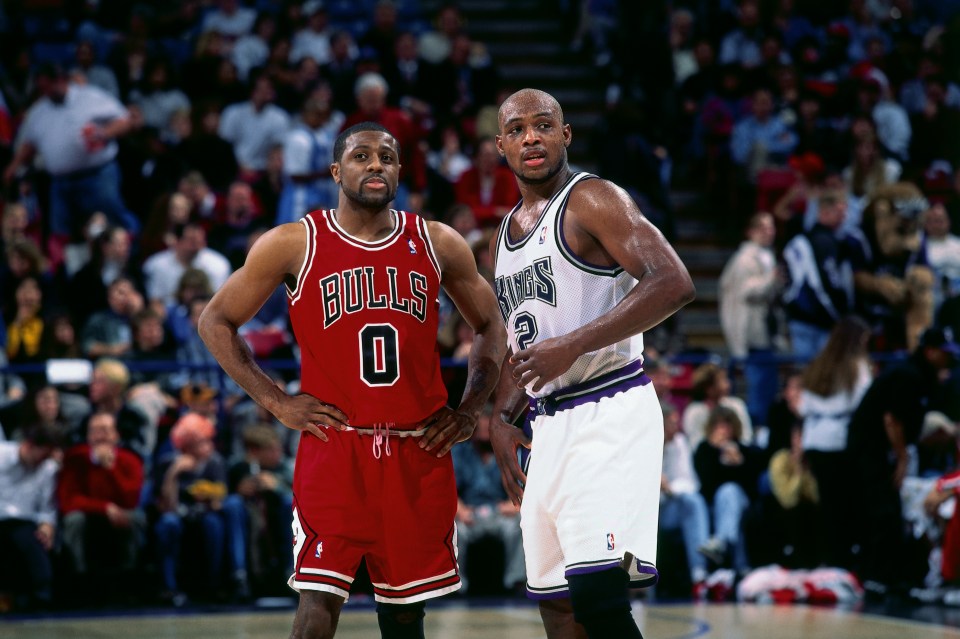
Brown’s fortunes (left) changed after his career endedCredit: GETTY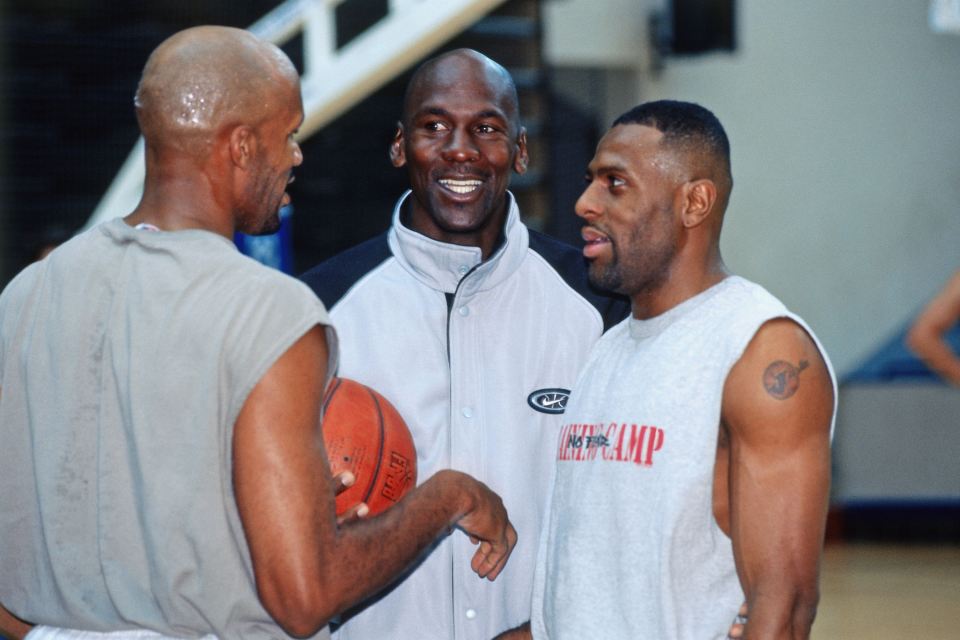
6
Brown (right) was stunned by the Bulls’ practice sessionsCredit: GettyHow much did Randy Brown’s championship rings sell for?
Officials said at the time that all three rings sold for a total $53,833.
West Auctions, which handled the sale, said the bidding was won anonymously.
The anonymous individual beat two other unknown bidders and a fourth person identified as Estee Portnoy, a longtime publicist for Brown’s former teammate, Air Jordan
Portnoy refused to say whether she was bidding on Jordan’s behalf
“I didn’t have any special motivation,” she said at the time. “I’m just disappointed I didn’t win.”
Brown also revealed his disappointment at the auction.
6
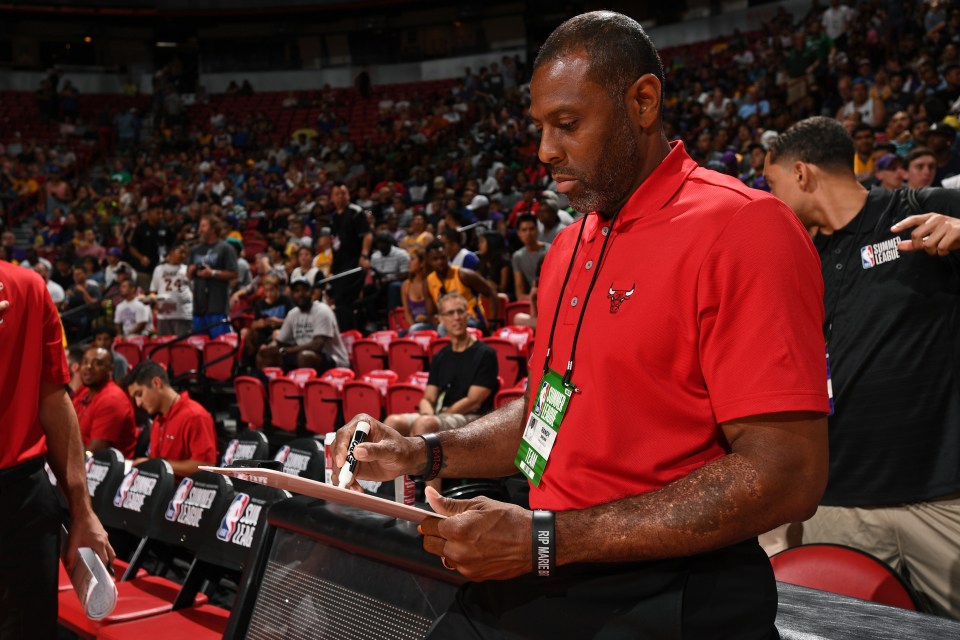
Brown took a job with the Bulls in July 2009Credit: GETTY
“People figure that here’s this guy … he’s played in the NBA, he just got fired (as a coach), he’s broke, and here he is giving up his championship rings,” he told reporters in 2009.
“That hurt me because those (rings) mean a lot to me.”
Despite parting ways with an important part of his Bulls career, Brown would get a second chance with the franchise.
In July 2009, he was hired by the Bulls as their director of player development.
The next year, he was named special assistant to the general manager, before becoming the assistant general manager in 2013.
Why did Randy Brown leave the Chicago Bulls?
Brown would leave the Bulls in December 2018, after resigning when Jim Boylen became head coach and asked him to take a diminished role in the team and move away from the staff bench.
“Coach Brown didn’t think that was something he wanted to do, and he thought it was best for him and his family that he move on,’’ Boylen said. at the time
“I’m disappointed. I wanted coach Brown on our staff, but I understand. He’ll be missed, but a guy’s got to do what a guy’s gotta do, and he’s going to move on and we’re going to move on.
“We got games to play, and we’ve got players to develop. We’ve got a franchise to uphold.”
Brown hasn’t been involved in basketball since, but hasn’t shied away from speaking about his time at the Bulls, specifically when he was a player during their historic three-peat.
6
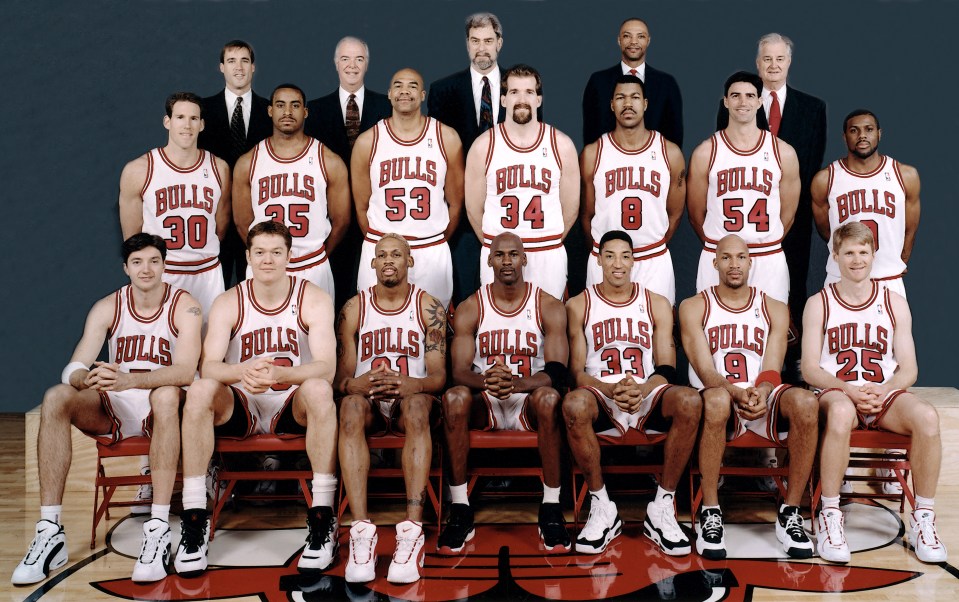
The 1995-96 NBA roster would begin the Bulls’ second three-peatCredit: GETTY
Brown revealed what it was like practising with the likes of Jordan, Pippen and the rest of the legendary Bulls roster.
“We were destined for a championship, and I really didn’t understand what I was getting myself into from day one. Those guys were like machines,” he reflected.
“Those guys WORKED, and I had to get on their level. I wasn’t prepared for the intensity level that came with just practice with Michael, Scottie, Dennis and even the likes of Ron Harper and Steve Kerr.
“I was surprised that all these guys practice all the time.
Brown was not the most integral cog in the Bulls’ winning machine, but he more than played his part.
He received minimal airtime in the hit documentary The Last Dance, but did briefly appear when asking Jordan for tickets to a game.
Brown really came into his own during the 1998 season, particularly in the playoffs.
6
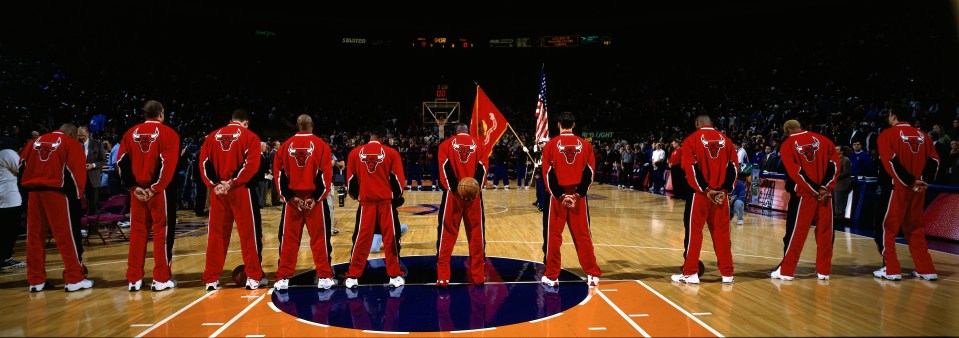
Brown was part of the 1998 championship winning Bulls teamCredit: GETTY
In the 1998 Eastern Conference Finals, Brown played in five games, going 3-2 in those games. In Game 1 against the Indiana Pacers, Brown had four points and an assist to help the Bulls win 85-79.
Brown played two games during the 1998 NBA Finals against the Utah Jazz with the Chicago Bulls going 1-1 in those games.
In Game 1, he played 2 minutes, 25 seconds with one rebound. Brown played 5:22 in Game 3 with two points, one rebound and one steal, and his basket came with 1:15 remaining to put the Bulls up 94-52.
The Bulls ultimately beat the Jazz in the 1998 Finals, securing the repeat three-peat and their place in history.
It would be the Bulls’ final glory as the team broke apart amid the latter stages of the owner-induced lockout.
Phil Jackson’s contract was expiring, the pending departures of Scottie Pippen and Dennis Rodman were looming, and former Bulls general manager Jerry Krause wanted to rebuild the Bulls and go in a younger direction.
Jordan retired for the second time in January 1999, and Brown was one of the few veteran players who stayed with the team after the 1998–99 lockout.
Brown would end up leaving the Bulls in 2000, and since their championship in 1998, the franchise hasn’t won another title.