
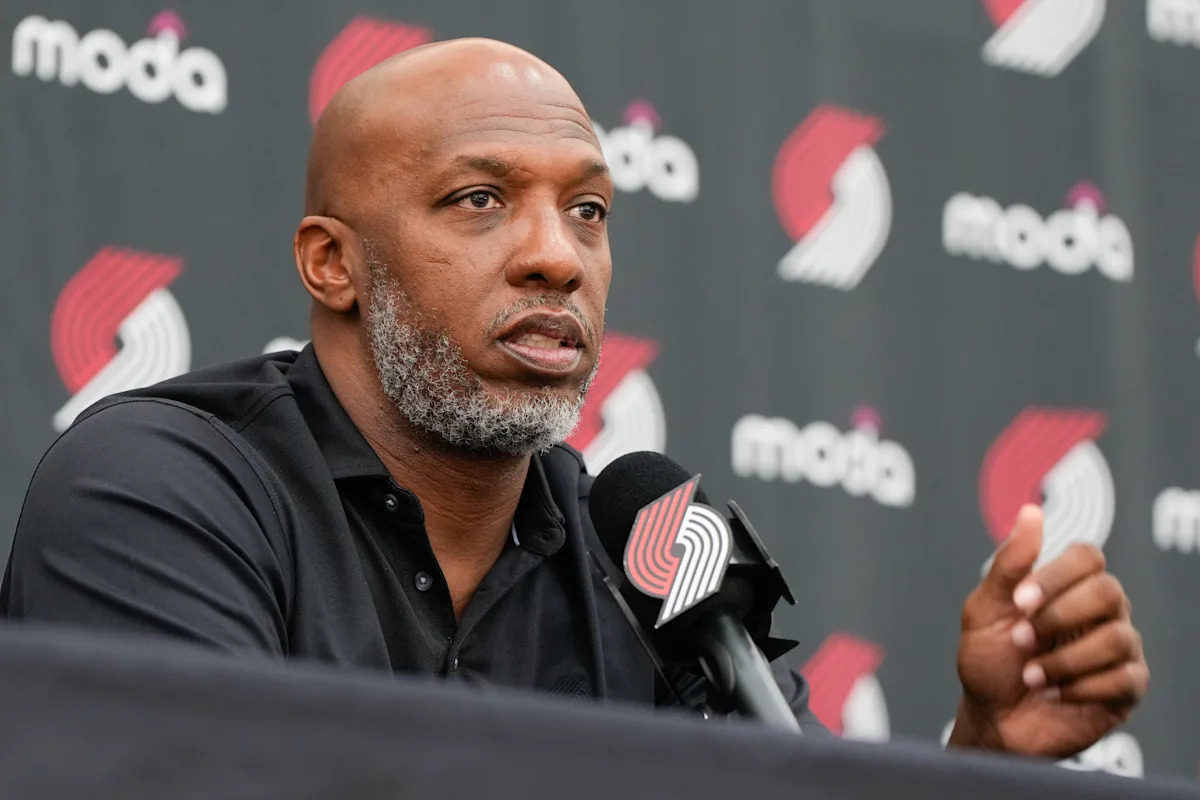
On March 24, 2023, the Portland Trail Blazers played the Chicago Bulls in a game that was all but irrelevant for both teams. But the game appears to be a centerpiece of a sprawling new federal sports betting indictment involving multiple NBA players and organized crime figures. Within the indictment is the implication that other significant NBA figures were involved, and that virtually meaningless late-season Blazers-Bulls game is a foundational event.
At the time of the game, the Blazers were 32-40, soon to miss the playoffs, and the Bulls were 34-38, on their way to the Eastern Conference play-in game.
Advertisement
It’s at this point that the federal indictment zeroes in on this specific game, noting that prior to the game an individual identified as “Co-Conspirator 8” told one of the defendants, Eric Earnest, that “the Trail Blazers were going to be tanking (i.e. intentionally losing) to increase their odds of getting a better draft pick in the upcoming NBA draft.”
Co-Conspirator 8 informed Earnest, prior to the news becoming public, that several of the Blazers’ best players would not be playing. According to the indictment, Earnest gave the inside information to Marves Fairley, another defendant, for the purposes of betting on the game. Fairley promised to pay Earnest at least $5,000 if the bets paid off.
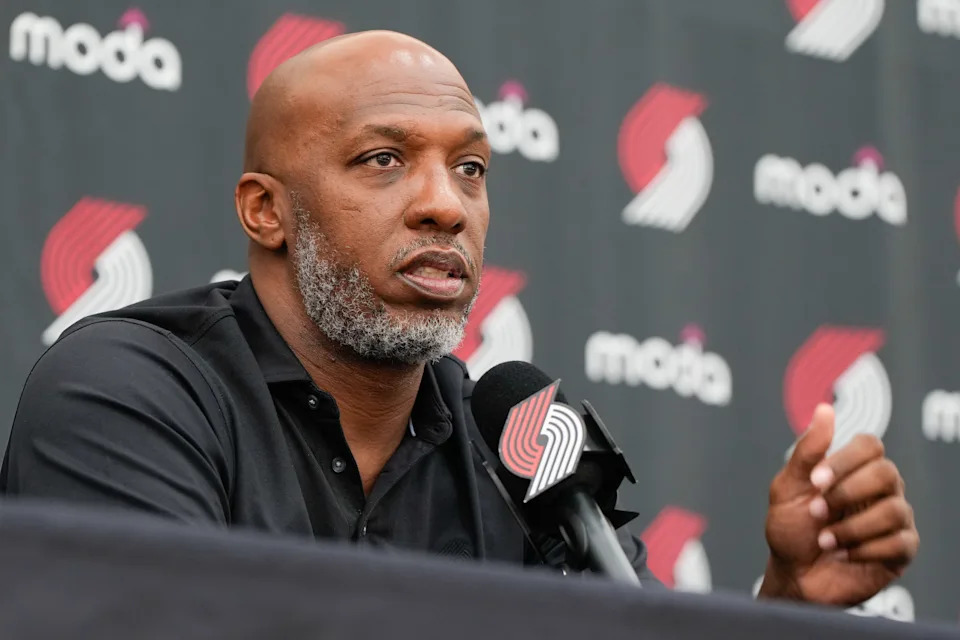
Portland Trail Blazers head coach Chauncey Billups was arrested Thursday in connection to a federal investigation into an alleged illegal poker ring. (AP Photo/Jenny Kane)
(ASSOCIATED PRESS)
Fairley and another defendant, Shane Hennen, along with another individual termed “Co-Conspirator 1” who was an NBA player at the time, then placed approximately $100,000 worth of bets against the Blazers.
Advertisement
The Bulls won the game decisively, 124-96, as many of the Blazers’ best players, including Damian Lillard, did not play. The Blazers’ four highest per-game scorers of the season — Lillard, Anfernee Simons, Jerami Grant and Jusuf Nurkic — did not play that game.
Lillard, the Blazers’ leading scorer that season, had scored 30 points, and Nurkic 20 points, just two nights before against the Utah Jazz. Both Lillard and Nurkic were shut down for the season starting with the March 24 game. The Blazers would end the season with the fifth-best odds to win the 2023 draft lottery, and ended up with the third pick in the draft topped by Victor Wembanyama.
A question looming over this game: Who is Co-Conspirator 8?
The indictment identifies Co-Conspirator 8 as “a resident [of] Oregon” and “an NBA player from approximately 1997 through 2014, and an NBA coach since at least 2021.”
Advertisement
Chauncey Billups played in the NBA for multiple teams from 1997 through 2014. He has been the head coach of the Portland Trail Blazers since 2021. Billups was named in another federal criminal indictment also unsealed Thursday morning involving an illegal poker ring. Per the illegal poker ring indictment, Billups and Earnest both “participated in these Rigged [poker] Games.”
Billups was arrested Thursday in connection to the illegal poker ring. He faces charges of money laundering conspiracy and wire fraud conspiracy. In the wake of the indictment and his subsequent arrest, Billups, who coached the Blazers in their season opener Wednesday night, has been placed on “immediate leave” by the NBA. He made his first court appearance Thursday in Portland and was ordered to surrender his passport and not travel beyond Oregon or Colorado before he’s due to appear on Nov. 24 at the federal courthouse in Brooklyn, New York.
Advertisement
Why would a co-conspirator not be named in the indictment? There are multiple possible reasons which may or may not apply in United States v. Earnest et. al. To start, simply naming an individual a “co-conspirator” helps bolster the government’s case that a conspiracy exists. A “Co-Conspirator” may also be cooperating with prosecutors, receiving immunity in return for their testimony.
“This is the kind of case where there are definitely going to be people cooperating,” L.A.-based attorney Daniel Perlman told Yahoo Sports. “At this level, almost anybody involved in this can do themselves a favor in terms of working with the government. … The government’s always happy to hear from the charged individuals if there’s information they can share that helps them with this or some other criminal case.”
A “Co-Conspirator” also could be charged at some point in the future, though that’s unlikely in FBI cases, Perlman said.
“If LAPD gets probable cause for a crime, they make the arrest and then they do the rest of their investigation. By and large, local law enforcement, that’s how they operate,” Perlman explained. “But the FBI and other federal agencies, unless reacting to something dangerous, take often months or years before you’ll know that there’s an investigation against you. Sometimes it’s two, three, four years that the FBI has been working on a case before they ever show up on your doorstep. So they probably feel like they have a complete case, and they’re not going to worry about superseding this indictment with new charges. … It’s possible, but it’s probably not that likely.”
Advertisement
The March 24, 2023, game appears a focal point for the government’s case against a range of individuals, along with games between the Hornets and Pelicans on March 23, 2023, and the Magic and Cavaliers on April 6, 2023, among others. The bettors and at least one player and one coach involved in these games — Charlotte’s Terry Rozier and Cleveland assistant Damon Jones — have already been charged.