
The franchise to which a player is drafted plays a crucial role in the trajectory of their career. Imagine this: had Michael Jordan been selected by the Portland Trail Blazers or Kobe Bryant by the Charlotte Hornets, would their legacies be the same? While we will never know the answer, one thing is for sure: where a player ends up can significantly impact their chances of success.
For former NBA big man Samaki Walker, his time with the Dallas Mavericks was an eye-opener, but not in the least bit positive.
Advertisement
A dysfunctional franchise
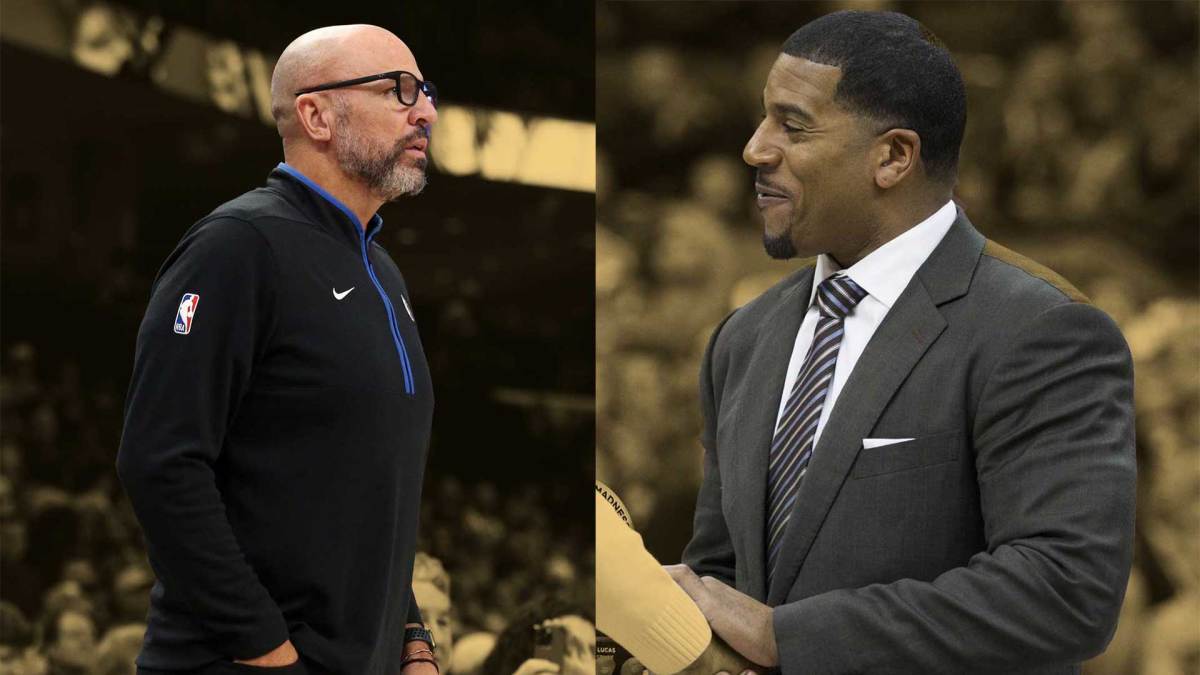
The 1990s were bleak for the Mavericks. After making it to the first round of the NBA Playoffs in 1990, they would spend the next 10 seasons out of the postseason. Despite having a trio of talented players, Jason Kidd, Jimmy Jackson and Jamal Mashburn, they still weren’t able to gain headway in the Western Conference.
So in the 1996 NBA Draft, they selected Walker with the ninth pick, hoping he could help turn things around. However, as he recalled during his appearance on the “Byron Scott’s Fast Break” podcast, that franchise was hopeless during that time.
Advertisement
“I get there, and I’ll be honest, it was one of the most dysfunctional times of my life,” he declared. “I walked in, it was a real dysfunctional locker room. Nobody was talking to each other.”
Samaki said he was aware of rumors involving famous R&B singer Toni Braxton, Jackson and Kidd. However, he didn’t think there was any more to it until he saw its impact on the Mavs’ locker room.
“Supposedly, you know, Toni invited the team. They went to Atlanta, to the studio. And the rumorwas that Jimmy snuck out and went and left everybody and did his own thing with T-Brax, right?” Samaki disclosed. “And so it got real dysfunctional. The relationship between him and Jason got real toxic. It was really toxic.”
Advertisement
Jimmy said it was all made up
Walker tried to get to the root of the issue and asked Jackson about it directly. To his credit, the latter denied the rumors, saying jealous agents fabricated them to create turmoil and make him look bad.
“At that time, that’s what he explained. He said, ‘Only thing I can tell you is that this was made up by the agents because of my impact in Dallas,'” Walker recalled.
Advertisement
Samaki stressed that getting an explanation for the chaos in the locker room didn’t provide him with much clarity. He still had to play in the league, and with nobody taking him under their wing, he had to navigate the murky waters of the NBA on his own.
“It was toxic. I didn’t have nobody to talk to,” he continued. “It’s like everybody doing their own thing, because the energy in there, the dysfunction, nobody knew how long they was going to be there.”
Walker’s rookie season saw him play in 43 games and average 5.0 points and 3.4 rebounds in 14 minutes a game. He played much better in his sophomore season, thanks to the trust given to him by Don Nelson, who took over the head coaching duties from former coach Jim Cleamons. In what would be one of his best seasons, Samaki averaged 8.9 points and 7.4 rebounds as a key reserve for the Mavericks.
Advertisement
This story was originally published by Basketball Network on Dec 16, 2025, where it first appeared in the Off The Court section. Add Basketball Network as a Preferred Source by clicking here.