
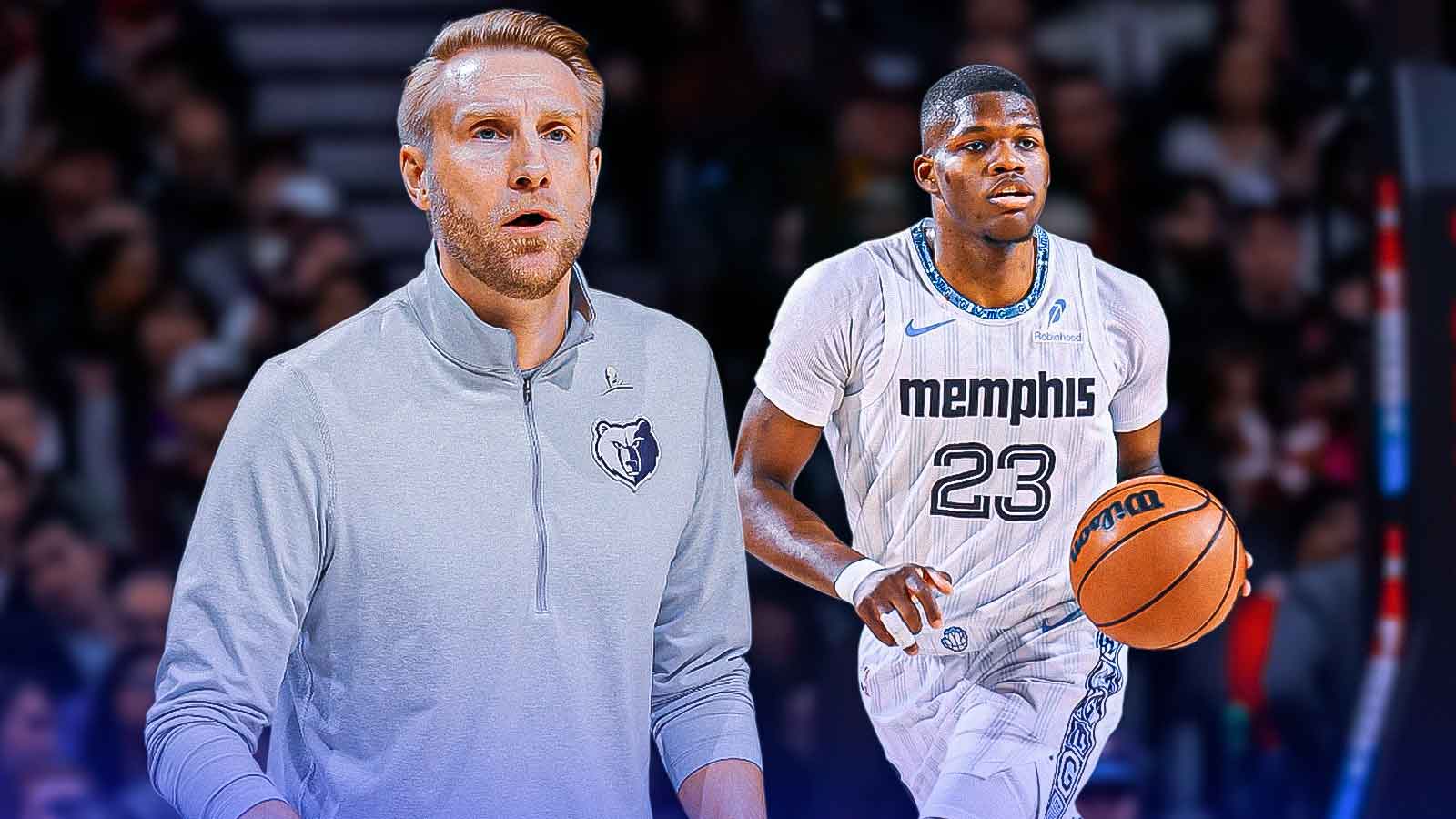
In the high-stakes world of NBA drafts, teams often weigh talent against risk, especially when injuries enter the equation. For the injury-riddled Memphis Grizzlies, selecting a promising rookie who underwent shoulder surgery just a year ago during his college days might have seemed like a gamble. But as the Grizzlies prepare to face Anthony Edwards and the Minnesota Timberwolves without key stars Ja Morant and Zach Edey, Cedric Coward’s story reveals why EVP/GM Zach Kleiman was more than comfortable with the bet.
For most prospects, such an injury represents a fork in the road where doubt and determination collide. The timeline becomes uncertain, the future clouded. Yet speaking with Grind City Media’s Michael Wallace, the rookie revealed the mindset that made him worth the risk.
“I did (think the NBA would happen), but to be truthful, I can’t tell you I thought a year later (after the shoulder surgery) it would happen,” Coward admitted. “But I did see this happening.”
Coward’s honesty was refreshing in an era of rehearsed athlete-speak. He acknowledged that while he believed in his dream, the acceleration of that timeline surprised even him. The path from operating table to professional contract compressed into twelve months, a journey that would have broken lesser competitors.
But Coward saw it coming, even when the destination seemed distant.
“You know, I’m blessed. Very grateful for the position I’m in, for the team I’m a part of and everyone around me,” Coward explained. “Especially going through what I went through a year ago to now, just being able to play basketball feels great.”
That confidence wasn’t manufactured or delusional. It was earned through daily repetition and supported by an infrastructure of belief that extended beyond his own mind.
Grizzlies call Cedric Coward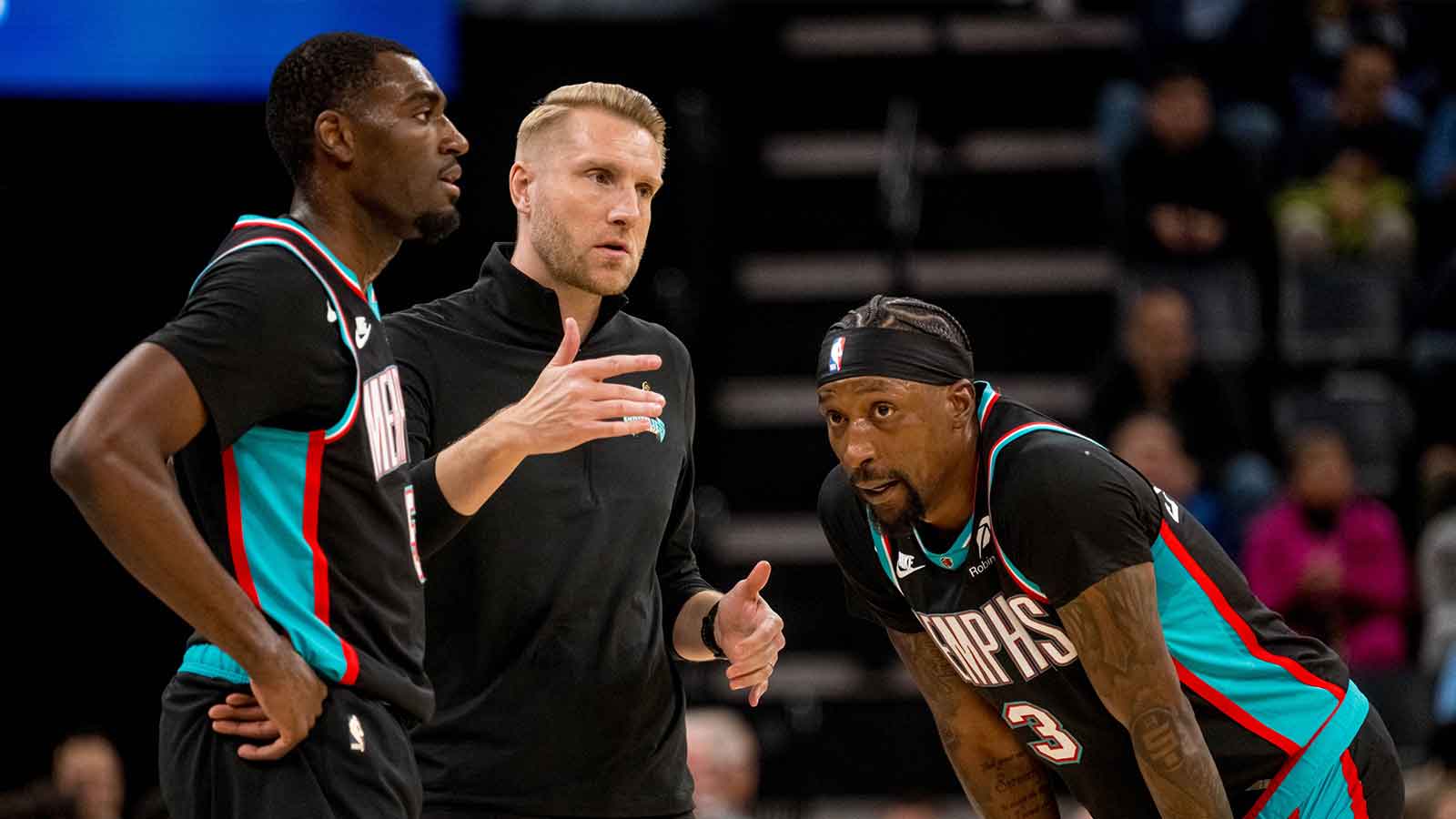 Matthew Smith-Imagn Images
Coward emphasized the ecosystem that sustained him through a grueling rehabilitation process.
“I have really great people around me,” noted Coward. “My agents are great. My parents, my family all supported me. My teammates in college were supportive, my coaches especially. I kept staying in my faith and believing in my goals. Reaching the end goal, it felt so far away. It was actually closer than I thought it was. So it just kept me driving every day, kept me going, trying to get myself better each and every day.”
With Ja Morant and Zach Edey sidelined ahead of a matchup against Anthony Edwards and the Minnesota Timberwolves, Coward’s role becomes less about potential and more about readiness. His focus remains narrow and deliberate.
“You dive into the film, forget the last game, and you move onto the next one,” Coward replied. “I think today (versus the Minnesota Timberwolves) is a really big test in being able to be consistent in who you’re guarding to play defense as good as possible.”
Organizations can teach players defensive rotations and offensive sets. They can develop shooting mechanics and conditioning programs. What they cannot manufacture is the internal drive that pushes someone through the loneliest moments of rehabilitation, when progress feels invisible, and doubt whispers loudest.
“You know you’re not gonna hold the great ones down,” shrugged Coward. “At the same time, it’s just trying to make it really tough for them. It’s gonna be a great challenge for our team, and for me especially, in making sure I’m consistent on the defensive end by just making their life tough.”
A year ago, Cedric Coward was facing down a reality that ends many collegiate basketball dreams: major shoulder surgery. The path to the NBA, never a guarantee, seemed littered with new obstacles—rehabilitation, lost development time, and the silent doubt that creeps in during lonely recovery sessions. For many teams, that moment would have moved Coward’s name to a different category on the draft board, from prospect to medical question mark.
Yet, here he is now, a rookie preparing to guard Anthony Edwards on a night his team needs him. The Grizzlies, an organization familiar with weathering adversity, saw past the medical report. Their gamble wasn’t on a pristine physical specimen, but on something less quantifiable and ultimately more foundationally sound.