
NBA success is rarely linear. A team can fall short of preseason expectations and still find value in an unexpected breakout. In some cases, that breakout becomes leverage.
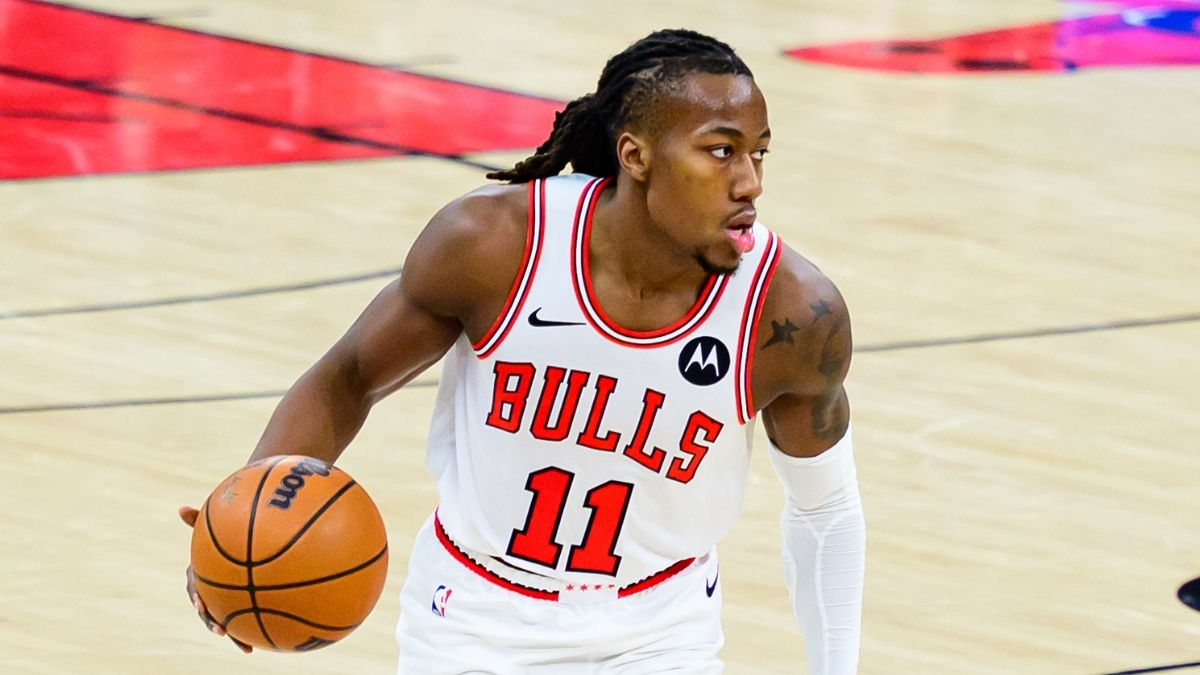
That is the position the Chicago Bulls find themselves in this season. Chicago remains outside the Eastern Conference playoff picture, sitting ninth despite modest improvement in overall play. Yet amid another middling year, Ayo Dosunmu’s production has quietly shifted the conversation around the franchise’s direction.
The Houston Rockets, meanwhile, are winning—but not quite in the way many anticipated. At 27–16, Houston owns a strong record and sits fourth in the Western Conference. Still, expectations were higher. After aggressive offseason moves, the Rockets were viewed by some as a potential challenger near the top of the conference rather than a step below the Thunder, Spurs, and Nuggets.
That gap raises a question worth exploring: could Dosunmu help close it?
Houston Rockets Land Ayo Dosunmu in NBA Trade Proposal
Chicago Bulls Receive:
Houston Rockets Receive:
Why the Chicago Bulls Do the Deal
Chicago is under no obligation to move Dosunmu. His skill set complements Josh Giddey, and he fits cleanly alongside Coby White in spurts. However, the reality is that the Bulls are guard-heavy, and clarity may be required sooner rather than later.
Dosunmu signed a three-year, $21 million deal using Early Bird rights in 2023, a contract that runs through the end of the 2025–26 season. He will become an unrestricted free agent at age 26. Chicago can extend him through June 30, but failing that, the Bulls face a familiar choice: pay market value or risk losing a productive player outright.
In that context, extracting a lightly protected first-round pick matters. In a buyer’s market, that level of draft equity is difficult to secure—particularly for a non-All-Star guard. This deal would also ease the backcourt logjam while adding flexibility to build around Giddey, Matas Buzelis, and a future lottery pick.
Dorian Finney-Smith factors in as optionality. He has struggled since returning from injury this season, but his contract and defensive profile still carry value. If he rebounds next year, Chicago could either retain him as a rotation piece or flip him for additional assets.
The underlying question for Houston is whether they are comfortable letting that upside reappear elsewhere.
Why the Houston Rockets Do the Deal
Houston’s roster construction has created an imbalance. The signings of Finney-Smith and Clint Capela raised eyebrows, given the team’s existing depth at forward and center. When Fred VanVleet missed time, the concern became tangible: the Rockets lacked reliable guard depth and on-ball defense.
Dosunmu directly addresses that issue. He provides point-of-attack defense, secondary ball-handling, and floor spacing—areas Houston has struggled to stabilize. He is shooting 45.9 percent from three this season and averaging 14.4 points, 3.6 assists, and 2.7 rebounds in 38 games while maintaining efficiency across the board.
That production is not cheap, but it is cost-controlled through the season. For a team attempting to convert regular-season success into postseason credibility, surrendering a protected future first-round pick may be a reasonable price.
The Bigger Picture for Ayo Dosunmu
Both teams sit at inflection points.
Chicago, ninth in the East, lacks long-term certainty beyond a small core. Accumulating draft capital aligns with where the roster actually stands, not where it hopes to be.
Houston, fourth in the West, has already reached the phase where picks matter less than fit. With Kevin Durant now in the fold and a deep young roster behind him, the Rockets’ priority has shifted from asset collection to optimization.
This framework reflects that divergence. Chicago gains flexibility and future value. Houston gains a player who can help now.
Neither outcome guarantees success. But in a season where expectations and reality have drifted apart, both franchises may benefit from choosing direction over inertia.
Latest NBA News & Trade Rumors