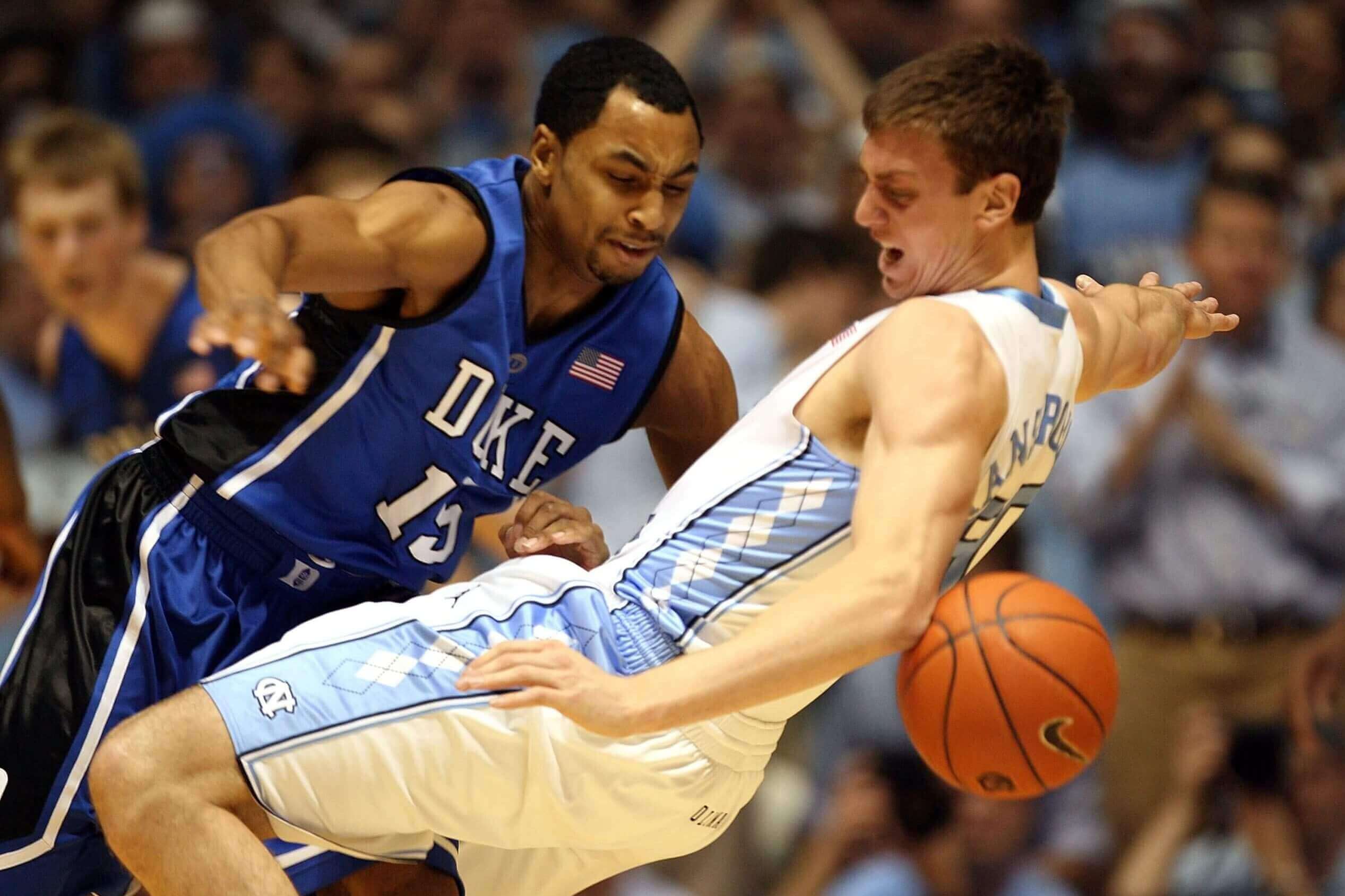
For every shining moment college basketball celebrates from the beginning of March through early April, the groundwork was laid by teams notching signature victories against their biggest rivals.
This week, The Athletic is shining a spotlight on the feuds that sustain the sport, starting with a collection of college basketball’s 50 greatest rivalries. The top of the list features some expected pairings — Duke-North Carolina, Indiana-Purdue, Cincinnati-Xavier — while also recognizing series that have outgrown their neighborhoods in importance, such as Kansas-Iowa State and Tennessee-Kentucky, and mid-majors that regularly battle for territory within their city (Belmont-Lipscomb) or state (Wofford-Furman).
So how were the 50 chosen?
Many of the best power-conference rivalries offer storylines that resonate beyond the fan bases involved. The number of ranked matchups and games with championship implications wasn’t as much of a prerequisite for inclusion as it is for evaluating football rivalries, but sometimes it helped separate one series from another.
Sustained relevance also matters. If the teams no longer compete in the same conference, have they attempted to keep the rivalry alive? Within the conference, does this rivalry endure beyond a single era of mutual success or a coaching tenure?
And, of course, there’s subjectivity. We won’t agree, and that’s the beauty of this exercise.
Quick thoughts on building the top 50
Toughest omission: UCLA-Notre Dame. It was a signature cross-country clash from the early 1970s through the 1990s, but it has vanished over the last 30 years.
On the rise: Houston-Texas Tech. In the new-look Big 12, look for these programs to play meaningful games against one another for years to come.
On the decline: Duke-Maryland. When these teams were ACC foes, this arguably was a top-12 rivalry. Now going on a decade-plus without a game, the series has almost completely vanished.
Most difficult rivalry to place: Indiana-Kentucky. When they played one another annually, it was a signature nonconference series. Now that the schools are under contract to play regularly again, Indiana-Kentucky returns to its perch near the top tier.
Surprisingly high: Illinois-Iowa. Outside of perhaps Kansas-Missouri, no two programs have a spicier history than these foes, mixing great games with off-court sizzle.
Surprisingly low: Texas-Oklahoma. Beyond a few moments in the early 2000s, it just doesn’t carry the same gravity or history as its football counterpart.
Mid-major that shines: Penn-Princeton. Through 254 meetings, the Ivy League’s most successful programs are tied at 127-127. Their historical prowess is something to behold.
Blue-blood dilemma: Kentucky-Duke was only non-organic series that made the top 50. Every time the teams play, it conjures up memories of the 1992 Elite Eight. Other regular games among blue-blood programs provide great theater but aren’t considered rivalries.
Click each rivalry below to expand for more information.

Loading
Try changing or resetting your filters to see more.
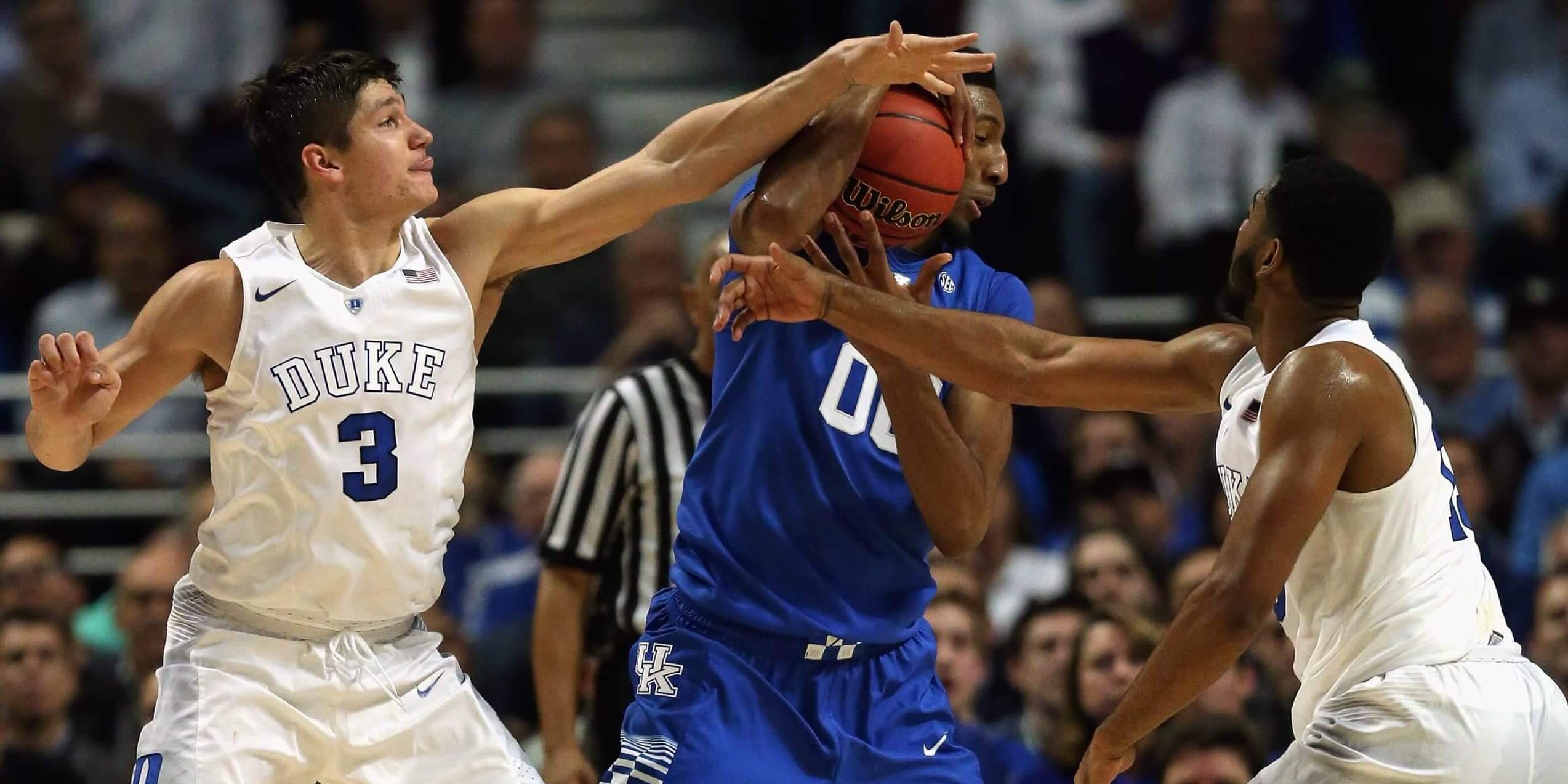
Why it’s here: When Big Blue Nation battles the Blue Devils, people pay attention. Of all the non-regional pseudo-rivalries involving elite programs, this one stands above the rest.
The schools were once in the Southern Conference together and went their separate ways when the SEC formed in 1933. But when they meet in the NCAA Tournament, it’s magic: They’ve faced off five times in March, including four in the Elite Eight or later. The Wildcats beat the Blue Devils 94-88 to win the 1978 NCAA title. Duke gained some revenge in 1980 with a Sweet 16 victory. In 1988, Kentucky rallied from 17 points down inside the final 9:30 to beat Duke in a regional final. The Wildcats’ Final Four win in 1966 set the stage for one of college basketball’s most famous moments when Kentucky lost the championship to Texas Western. But one game stands above the rest.
Biggest game: In an NCAA regional final on March 28, 1992, No. 6 Kentucky held a one-point lead in overtime as the top-ranked Blue Devils took the ball out from under their own basket with 2.1 seconds left. Forward Grant Hill launched a baseball pass to national player of the year Christian Laettner at the opposite free-throw line, where he caught the ball above his head, faked right, turned left and shot an 18-footer. The ball hit nothing but net, capping a 104-103 Duke victory in which Laettner scored 34 points and did not miss a shot. Any list of college basketball’s greatest games begins with this one.
Photo:
Jonathan Daniel / Getty Images

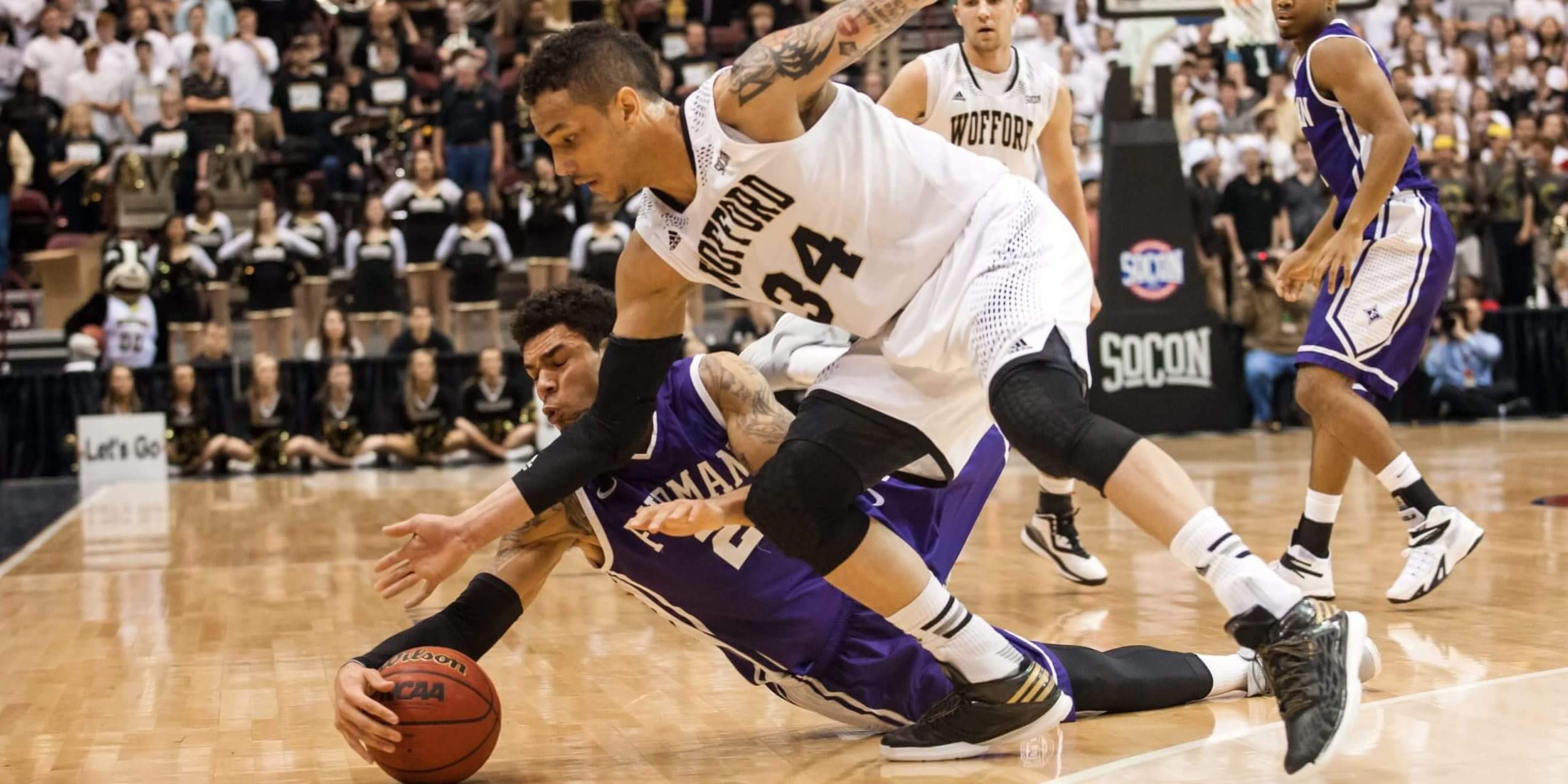
Why it’s here: Known as the I-85 Rivalry, Wofford and Furman are separated by just 30 miles and have played as Southern Conference rivals for 29 seasons. Their series has endured conference shifts and Wofford’s move to Division II in 1988 then up to Division I in 1995. As SoCon members, they’ve played three times in the conference tournament, including twice in the final for an NCAA Tournament bid. In 2014-15, top-seeded Wofford stopped No. 10 seed Furman’s miracle run with a 67-64 title game win.
Biggest game: In perhaps the most important game in series history, the Paladins and Terriers faced off for the Southern Conference tournament title last March. Wofford led by eight points with 6:53 left before Furman rallied with a 14-2 run to take a four-point lead inside the final three minutes. Wofford then outscored Furman 13-2 to earn the automatic NCAA Tournament bid.
Photo:
Jeremy Brevard / Imagn Images
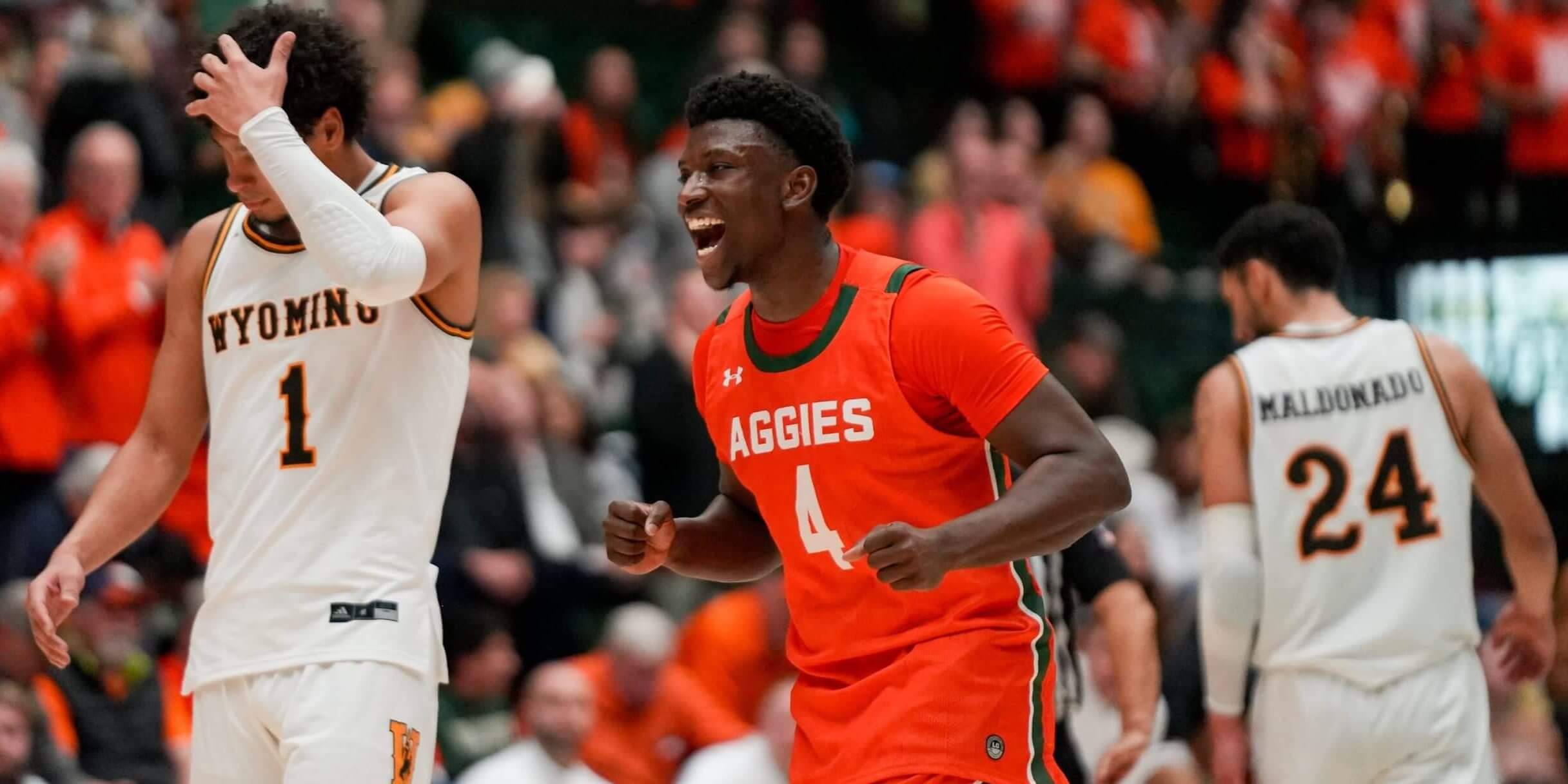
Why it’s here: Only 65 miles separate these two longtime rivals, and they’ve played in every season but two (1923, 1944) since the Border War first tipped off. Streaks define the history of this rivalry, with Colorado State winning the first 11 matchups and 16 of the first 17. Then Wyoming dominated the series, going 59-2 from 1925 to 1951 including a 31-game winning streak. The teams have met six times in either the Western Athletic Conference or Mountain West tournaments.
Biggest game: On Valentine’s Day in 1987, Wyoming edged Colorado State 81-77 in triple overtime in a game extended multiple times by last-second 3-pointers. Fennis Denbo scored a game-high 26 points and iced the contest with two free throws.
Photo:
Lucas Boland / The Coloradoan / USA Today Network via Imagn Images
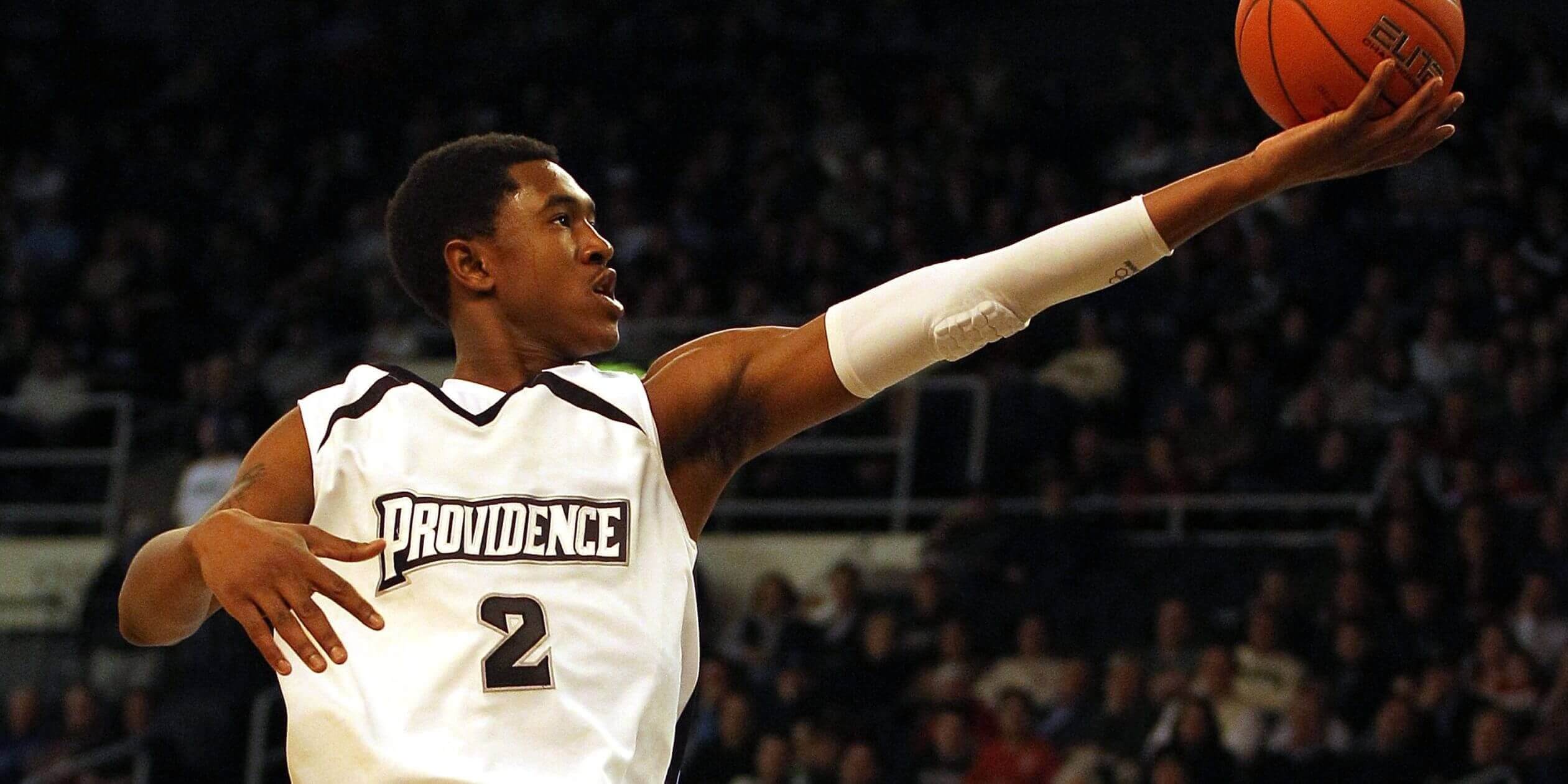
Why it’s here: No matter which league these teams compete in, they have kept the Ocean State Rivalry intact. Outside of World War II and the 2020 pandemic, these teams have played every season since 1935. They survived Providence becoming a charter member of the Big East in 1979 and Rhode Island joining the Atlantic-10 in 1980. As recently as 1955, Rhode Island had an 18-game series lead, but the Friars won 22 of the next 26. Rhode Island has handed Providence four of its five most lopsided losses in program history.
Biggest game: On Dec. 8, 1992, Providence led by as many as 14 points only for the Rams to rally and force overtime. In a strong coaching matchup between Rhode Island’s Al Skinner and Providence’s Rick Barnes, the game came down to Rhode Island’s Mike Brown driving the lane for a layup with 10 seconds left to take an 81-79 lead. Providence missed a 3-pointer at the top of the key as time expired, and the Rams prevailed.
Photo:
Chris Chambers / Getty Images
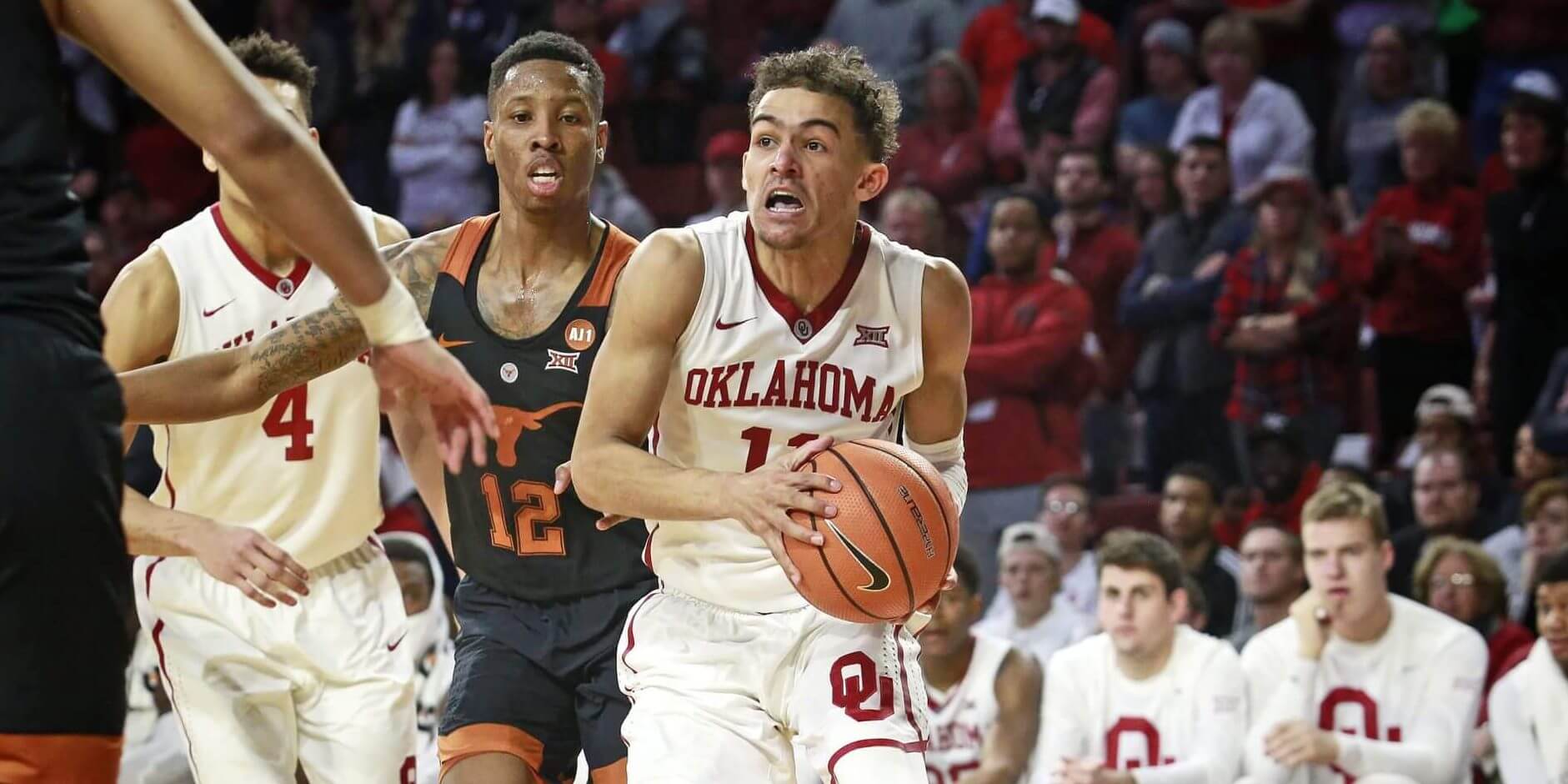
Why it’s here: This series doesn’t carry the same history or pageantry as its football counterpart. The programs started competing annually in nonconference play in 1989. Their basketball rivalry took off when their conferences merged to become the Big 12 in 1996. Now, they battle in the SEC.
Texas-Oklahoma became a true basketball rivalry with a series of high-impact games in the early 2000s. Oklahoma beat Texas 54-45 to clinch the 2001 Big 12 tournament title. The next year the Sooners won an overtime shootout 85-84 during a season that ended with a 2002 Final Four run. The year after that, Texas won a pair of top-six showdowns ahead of its own Final Four trip.
Biggest game: Their biggest matchup took place nearly 50 years before they competed in the same conference, in the Final Four on March 22, 1947 in Kansas City, Mo. Oklahoma led Texas by four points with a minute left, but Texas tied the game with two field goals and Al Madsen put the Longhorns ahead by one point with a free throw. Oklahoma’s Ken Pryor scored the game winner with six seconds left to push the Sooners to the NCAA title game with a 55-54 win.
Photo:
Brett Deering / Getty Images
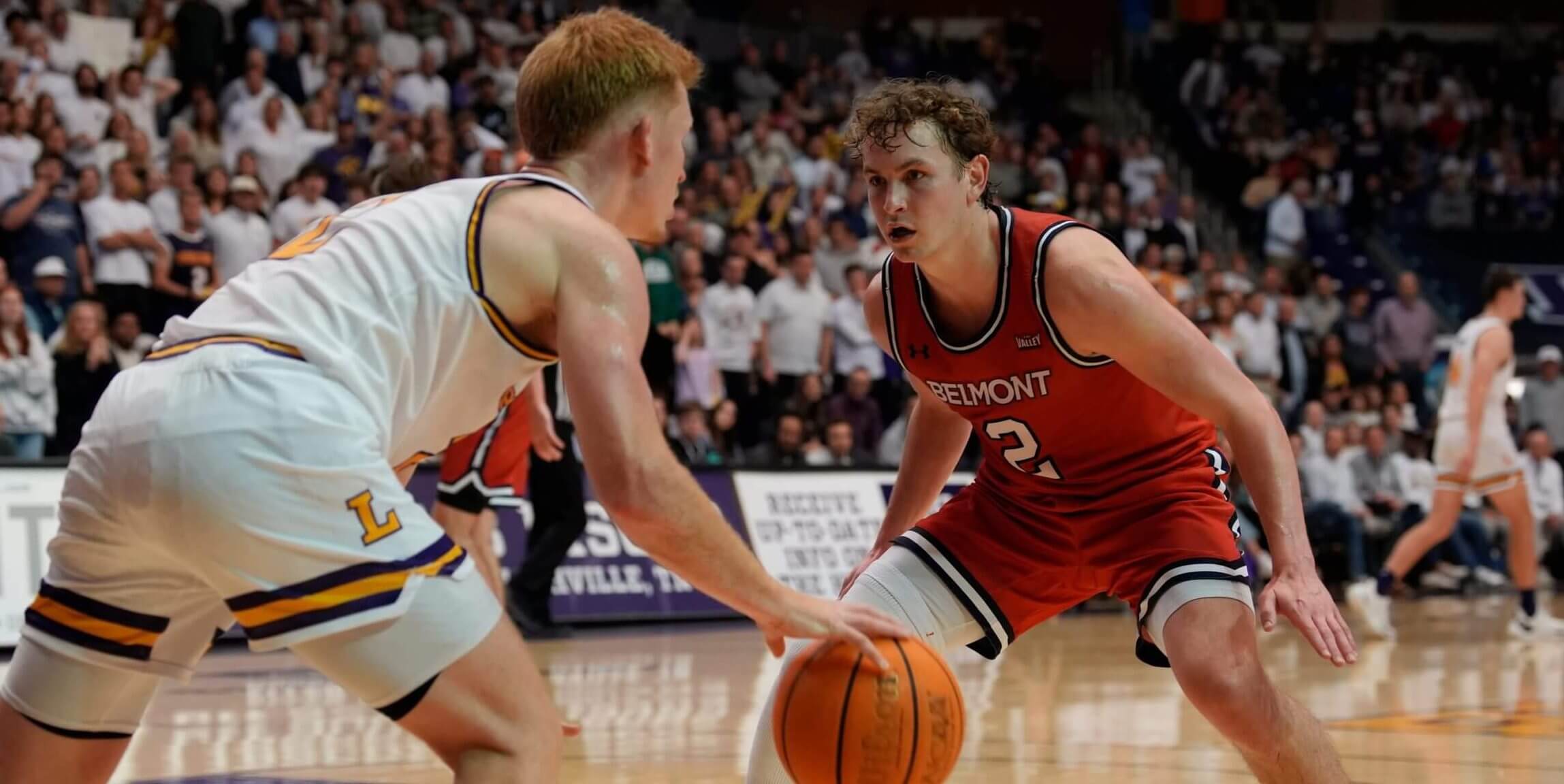
Why it’s here: The Battle of the Boulevard features two Nashville teams with campuses located just three miles from one another. They competed annually until 1997 when Belmont moved up to Division I, then resumed their series in 2004 when Lipscomb made the jump. On March 4, 2006, they met in the Atlantic Sun tournament finals, and Belmont claimed the NCAA bid with a 74-69 victory. They have played in different conferences but maintained their familiarity since 2012.
Biggest game: It’s difficult for a regular-season game to top a winner-take-all matchup for an NCAA invitation, but the teams’ Feb. 17, 1990 battle was hardly a normal affair. With an NAIA-record crowd of 15,399, the game moved to Vanderbilt University for a matchup of No. 1 Lipscomb and No. 9 Belmont. Lipscomb knocked down 62.7 percent of its shots from the field in a 124-105 victory.
Photo:
Nicole Hester / The Tennessean / USA Today Network via Imagn Images
Why it’s here: The Capital City Classic — once known as the Black & Blue Classic — is one of the few rivalries in which the teams have played every season since the series tipped off. Less than seven miles separate the schools, and nearly every game is sold out. They have met six times in conference tournaments, with four coming in the Atlantic-10. No one could predict that one of their few nonconference matchups would be a crossing of paths on their way to the most important seasons in school history.
Biggest game: In 2010, Richmond dominated from start to finish and ended a six-game losing streak to VCU with a 72-60 win on Dec. 11, but this game is memorable for what the cross-town foes accomplished later that season in stunning March runs. Richmond won the A-10 tournament and then beat Vanderbilt and Morehead State to advance to its second Sweet 16 ever. VCU qualified for the First Four as an at-large, beat USC to reach the field of 64, then sealed its place in NCAA Tournament legend by beating Georgetown, Purdue, Florida State (in overtime) and top-seeded Kansas to qualify for the Final Four, where it lost to Butler.
Photo:
Joe Sargent / Getty Images
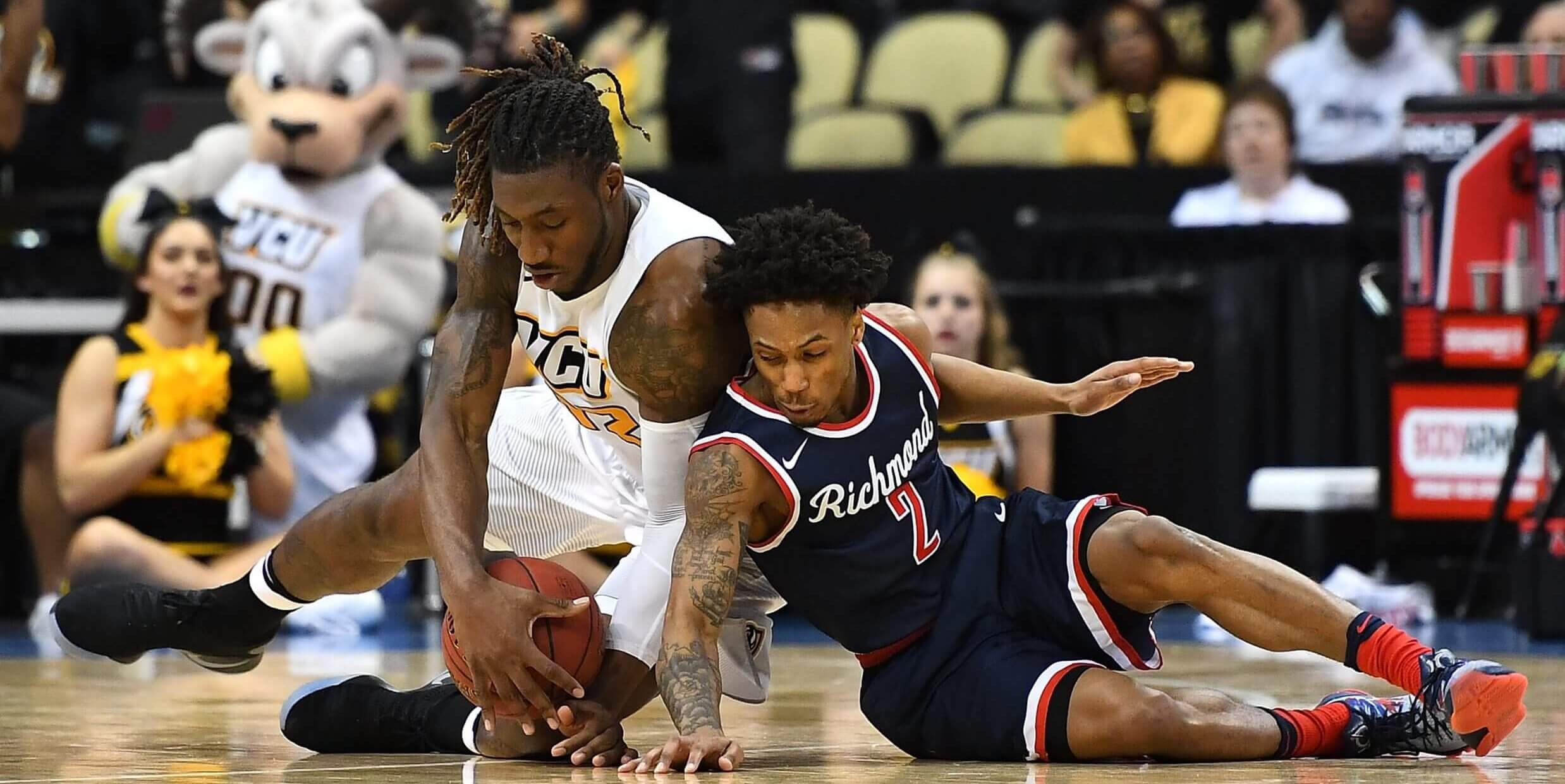
Why it’s here: Despite not playing in the same league for most of their existence, the in-state foes have kept their Rio Grande Rivalry going with multiple games scheduled each season until 2024.
They’ve played 14 overtime games and 34 one-score games (not including several three-point outcomes before the introduction of the 3-point shot). In 2022, both games were cancelled after New Mexico State player Mike Peake was lured to the New Mexico campus, where he was shot. Peake then shot and killed his assailant, 19-year-old UNM student Brandon Travis. The teams resumed their series in 2023.
Biggest game: In 1968, the teams met twice in the regular season and both qualified for the NCAA Tournament, which was played in Albuquerque. After losing their first-round games, the Aggies and Lobos met again in an NCAA consolation game. In a back-and-forth game, New Mexico State’s Jimmy Collins iced the game with four free throws in the final 10 seconds for a 62-58 Aggies’ win.
Photo:
Nathan J Fish / Sun News / USA Today Network
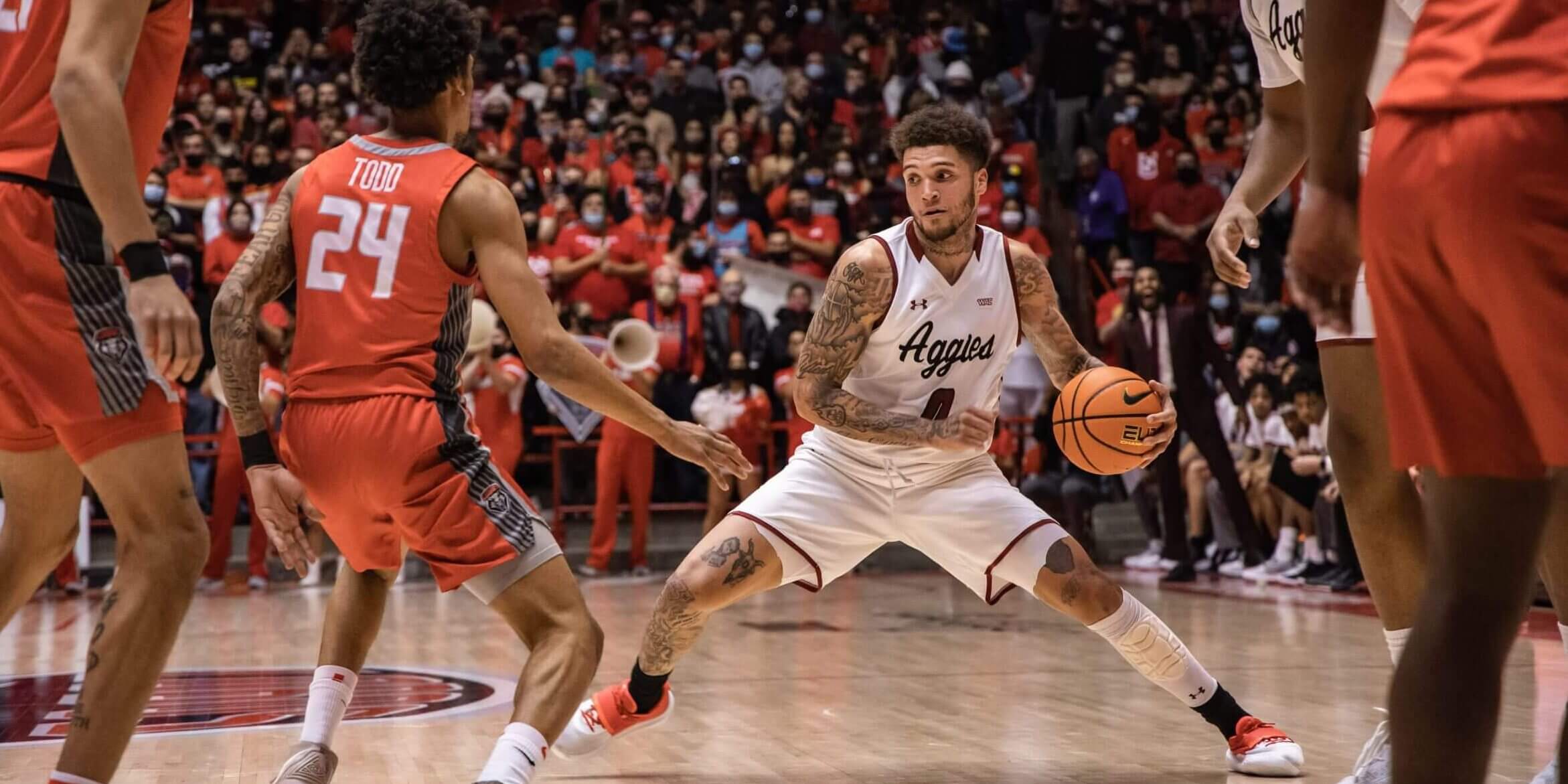
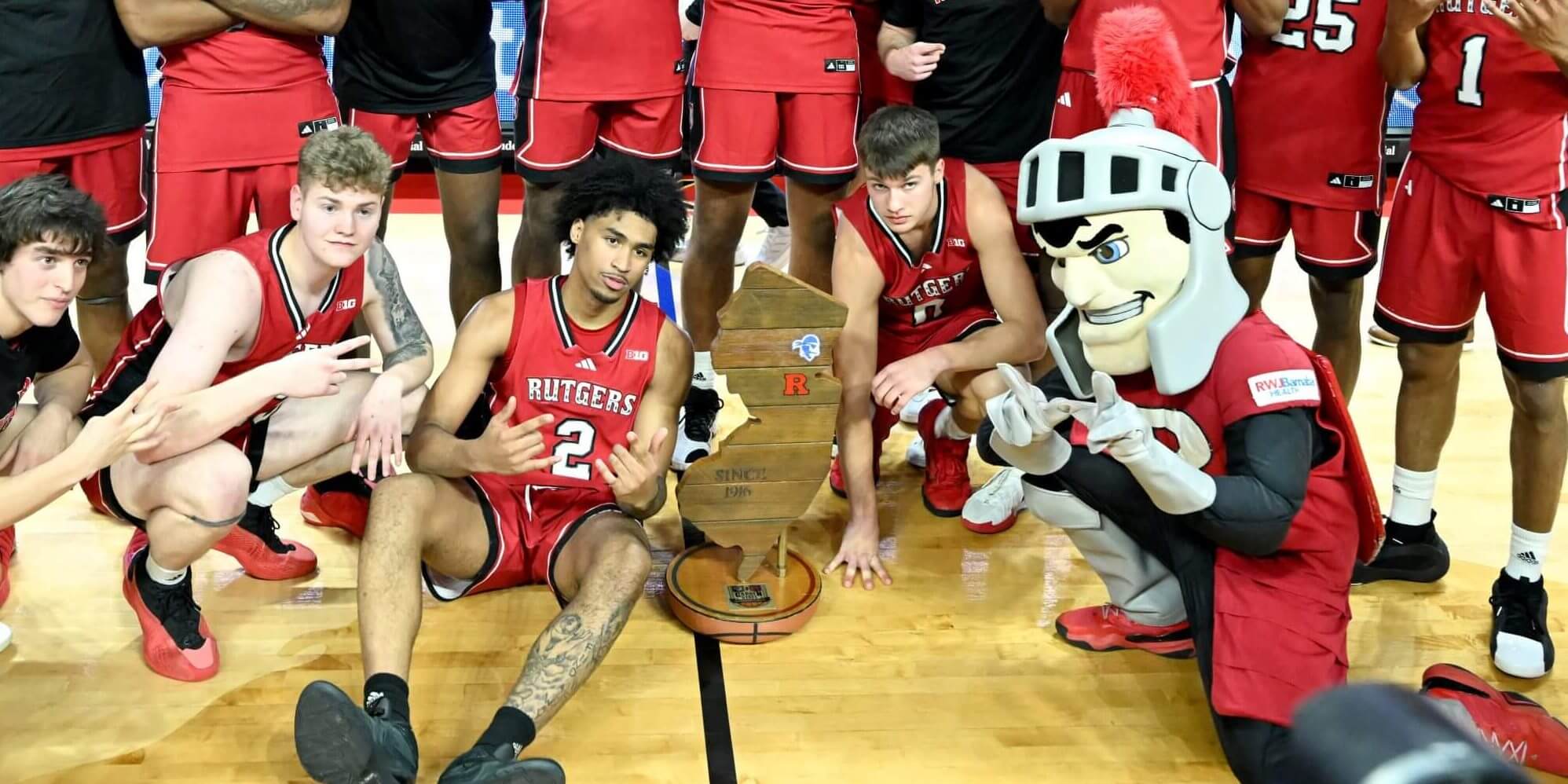
Why it’s here: Only 27 miles separate these New Jersey power-conference foes, who created the Garden State Hardwood Classic in order to continue playing after realignment left them in different conferences. The winner receives the Boardwalk Trophy. This rivalry doesn’t quite get enough attention outside of state lines. Of their last 31 meetings, 21 have been decided by six points or less, and five went into overtime.
Biggest game: In 2000, the teams played before a sellout crowd in Piscataway. Rutgers took an eight-point lead with 2:20 left in overtime, but a series of critical errors — including a called timeout when the Scarlet Knights had none — allowed Seton Hall to rally and pull out a 65-63 win.
Photo:
Greg Fiume / Getty Images
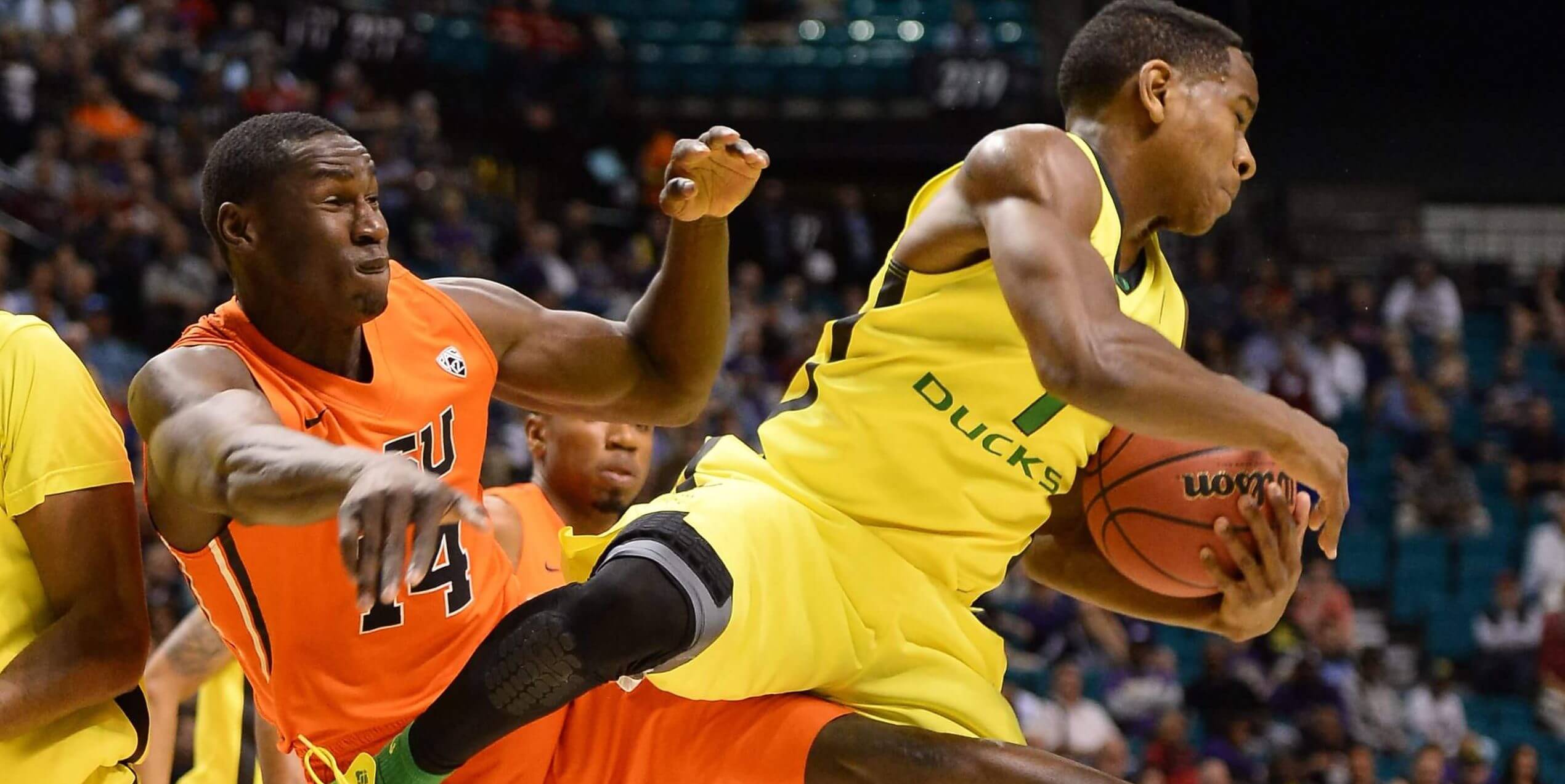
Why it’s here: No two teams have faced off as often as the Beavers and Ducks, who have played nearly 50 more games than runner-up series Oregon-Washington. From the 1929-30 season through 1971-72, the programs played four times each season, then three times a year until 1979. After Oregon moved to the Big Ten, they have met in singular nonconference games the last two seasons, and the Ducks have won nine in a row.
Biggest game: Oregon State was picked to finish last in the Pac-12 entering the 2020-21 season but put itself on the NCAA Tournament bubble ahead of a conference tourney semifinal against Oregon, the league’s regular-season champion. The Beavers built a 19-point lead midway through the second half, saw Oregon cut the deficit to five points, then stretched the lead back to double figures and won 75-64. The Beavers claimed the Pac-12 tournament title and the conference’s automatic NCAA berth the following day.
Photo:
Ethan Miller / Getty Images
Why it’s here: Only five rivalries made up of teams in current power conferences have at least 120 wins apiece, and just two of those series take place east of the Rocky Mountains: Ole Miss-Mississippi State and Duke-North Carolina. Before 1959, the Rebels and Bulldogs would play at least three times a season and often as many as six, helping their in-state clash become the SEC’s most-played rivalry. They didn’t meet in a ranked matchup until last season.
Biggest game: On Jan. 18, 2025, No. 21 Ole Miss trailed No. 15 Mississippi State by 14 points in Starkville but rallied to force overtime. The Bulldogs led by five points with four seconds left, but the Rebels weren’t done. They connected on a pair of free throws, then attempted a last-second 3, but Mississippi State held on 84-81. The Bulldogs swept the season series with an 81-71 win in Oxford the next month.
Photo:
Kevin C. Cox / Getty Images
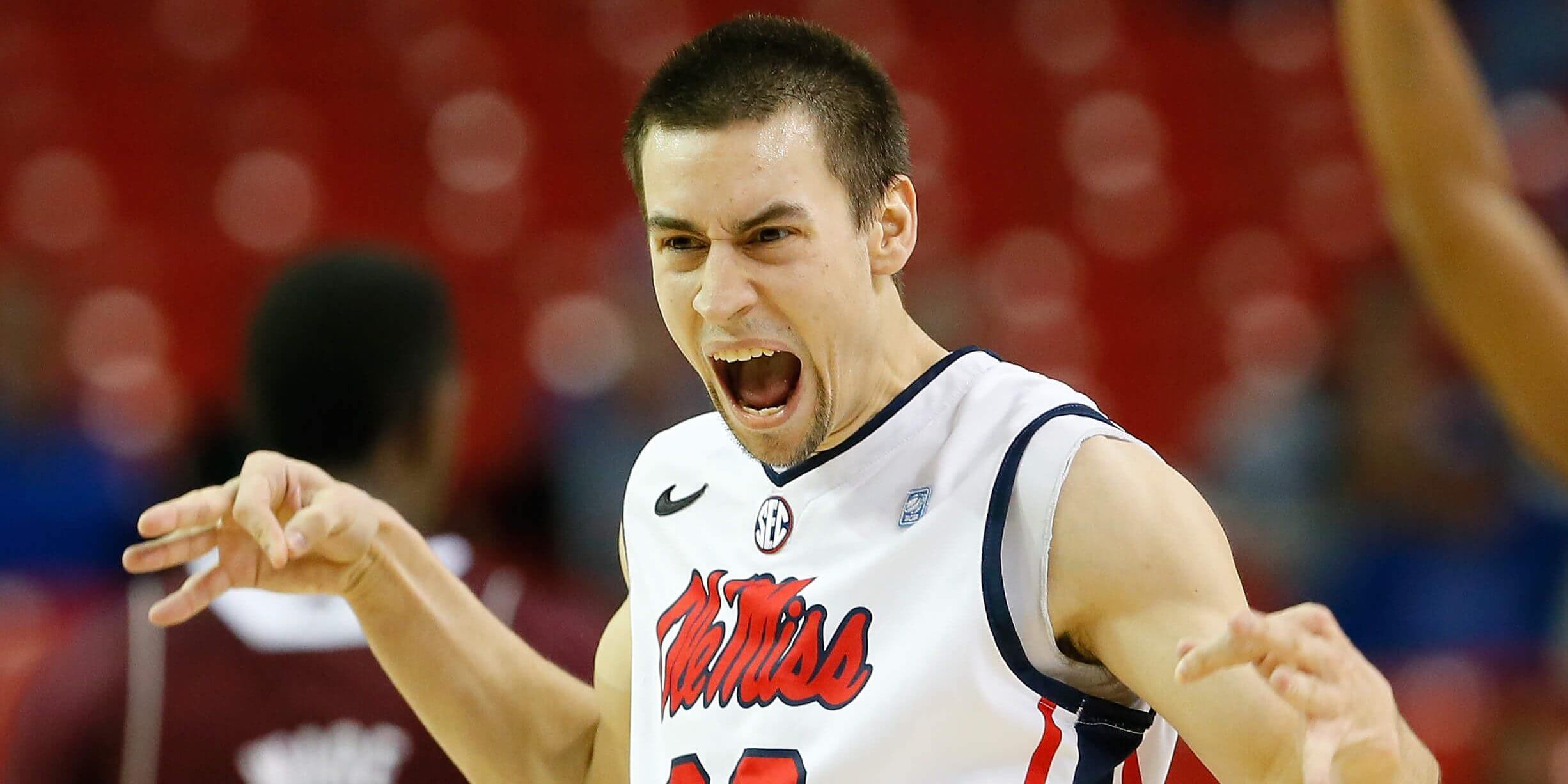
Why it’s here: The distance between Purdue and Illinois is the second-closest (90 miles) among the Big Ten’s old guard, and both are historically basketball-first programs. That has led to some amazing battles, both on the court and in high school prospects’ living rooms, starting with accomplished coaches Lou Henson in Champaign and Gene Keady in West Lafayette.
For all of their history — 43 combined Big Ten championships — the Boilers and Illini didn’t play a ranked vs. ranked battle until 1984. Since then, they’ve faced off 13 times as ranked foes, with Purdue winning nine.
Biggest game: In 1987, the rising “Flyin’ Illini” played two overtime classics against the eventual Big Ten co-champion Boilermakers. In West Lafayette, Purdue’s Doug Lee drilled a 3 at the buzzer to send the game into overtime. With a half-second left in overtime, Kip Jones hit one of two free throws to give the No. 9 Boilermakers an 87-86 lead. Purdue’s players streamed onto the floor, which resulted in a one-shot technical foul for the No. 5 Illini. But top free-throw shooter Doug Altenberger’s shot bounced off the rim, preserving the win for Purdue. The Boilers beat Illinois again a month later, 76-75.
Photo:
Jonathan Daniel / Getty Images
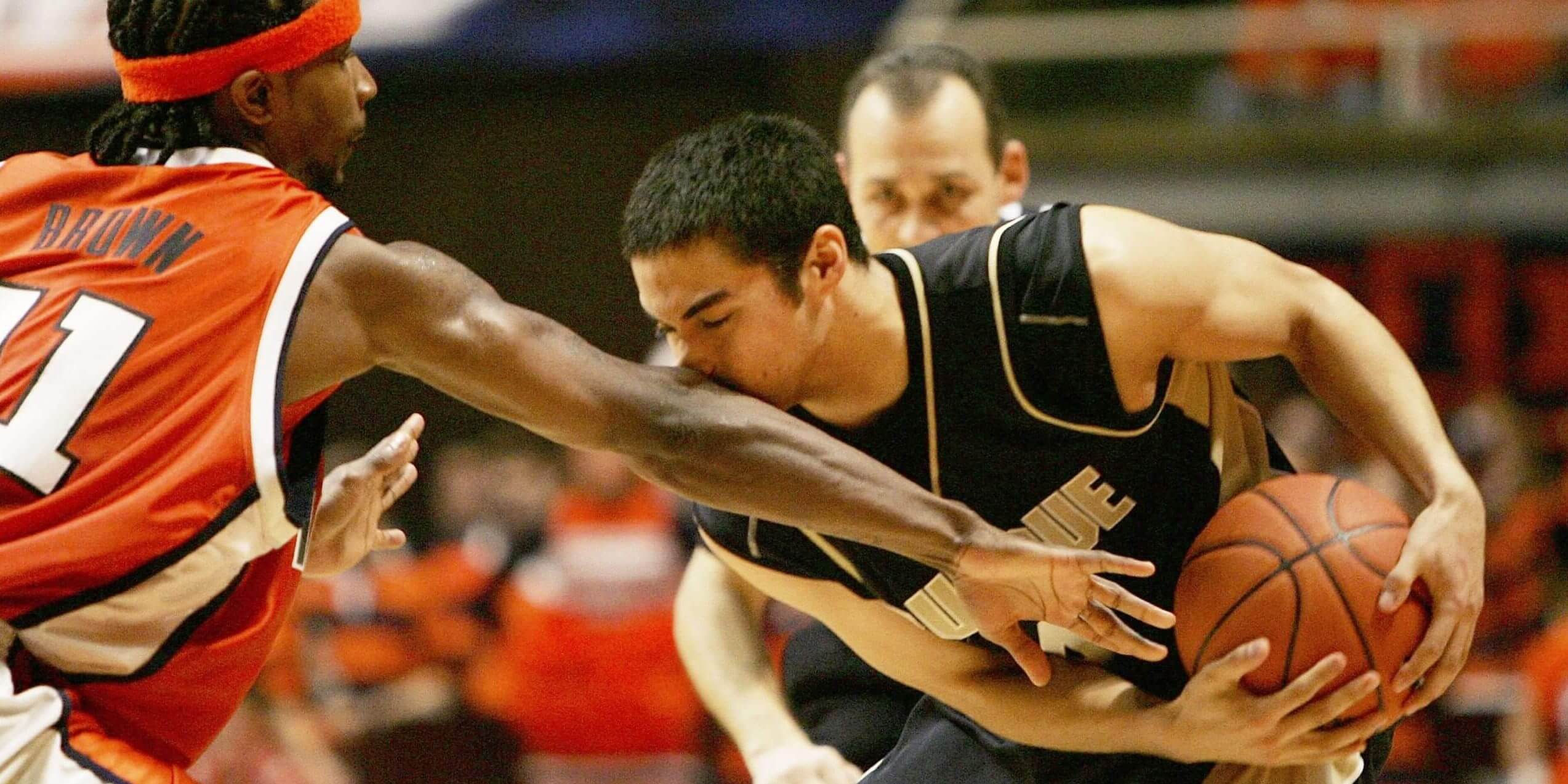
Why it’s here: Only 130 miles separate these former ACC foes in what still is Maryland’s most-played rivalry and remains No. 2 for Virginia. After playing one-offs as part of the ACC-Big Ten Challenge, the schools agreed to a new four-year series that began in December. When they were in the ACC, they faced off 13 times as ranked foes (Maryland had a 7-6 lead in those) and saw 13 games go to overtime. One oddity: The teams didn’t meet in the ACC tournament for their final 20 years in the same league.
Biggest game: No. 5 Virginia traveled to Maryland in 2014 for the Terps’ final ACC regular-season tilt. A last-second UVA jumper sent the game into overtime, but it only delayed Maryland’s celebration. Fans rushed the floor after the Terrapins’ 75-69 victory, while Virginia still won the ACC regular-season title outright.
Photo:
Ryan M. Kelly / Getty Images
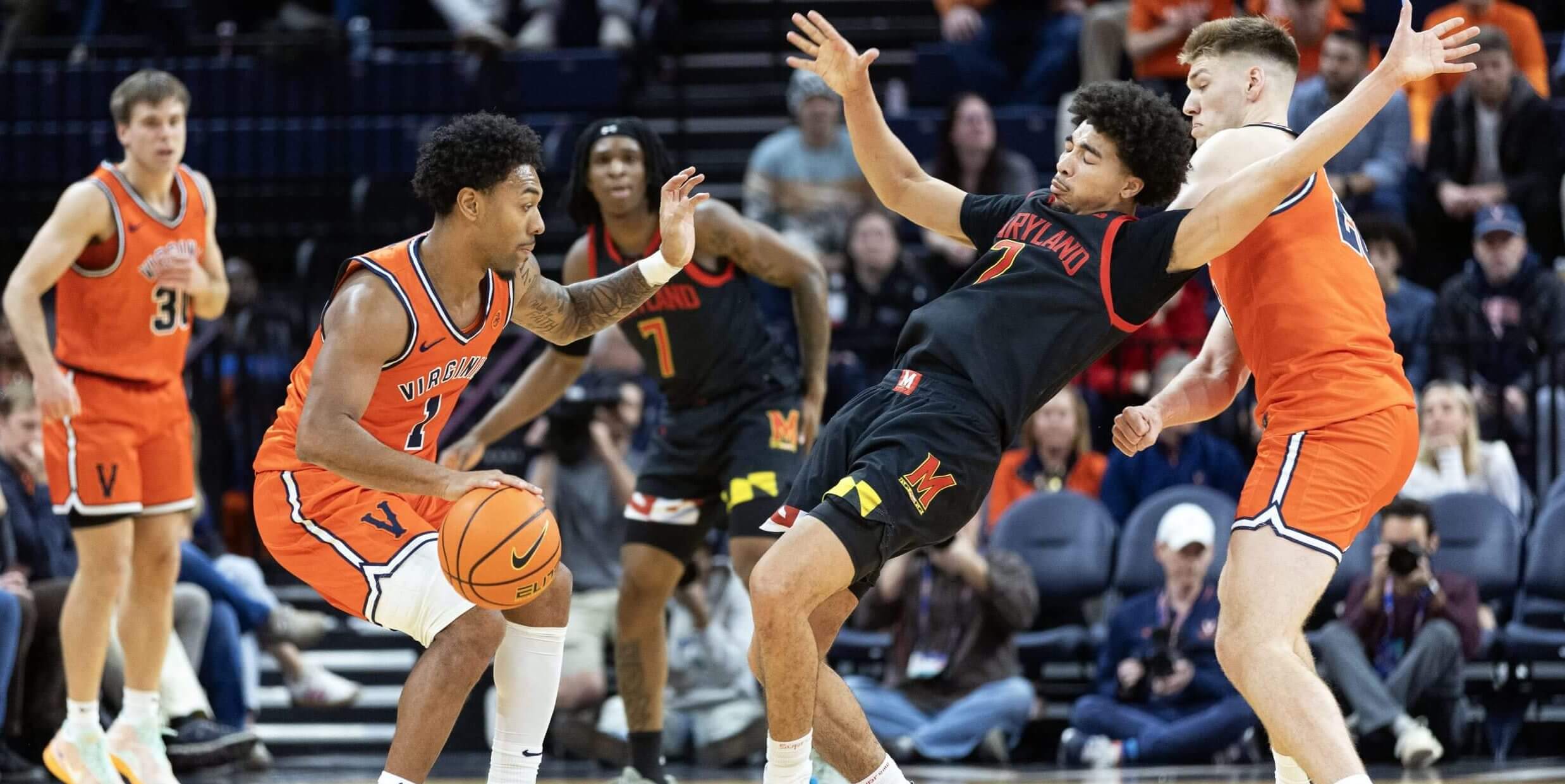
Why it’s here: This was one of the top series in the old Big Eight but dwindled in importance when the league merged with the Southwest Conference in 1996. But there were still more ranked matchups between these teams than any other two Big Eight programs.
The Big Eight championship often went through these two programs (along with Missouri) in the 1980s and 1990s, and that led to some high-flying matchups. In 1990, No. 5 Oklahoma beat top-ranked Kansas, then moved up to No. 1 and beat No. 2 Kansas in the rematch. In the most exciting game between the teams, top-ranked Kansas outlasted No. 2 Oklahoma 109-106 in triple overtime in 2016. For most rivalries, that would rank as the biggest game. But there’s one more ahead of it.
Biggest game: Oklahoma had a coronation awaiting it in Kansas City entering the 1988 national championship game against Kansas, a team the Sooners had already beaten twice. But “Danny (Manning) and the Miracles” were a team of destiny. In a game in which neither team led by more than six points, Manning’s 31 points and 18 rebounds were too much for the Sooners in an 83-79 Jayhawks victory.
Photo:
Jamie Squire / Getty Images
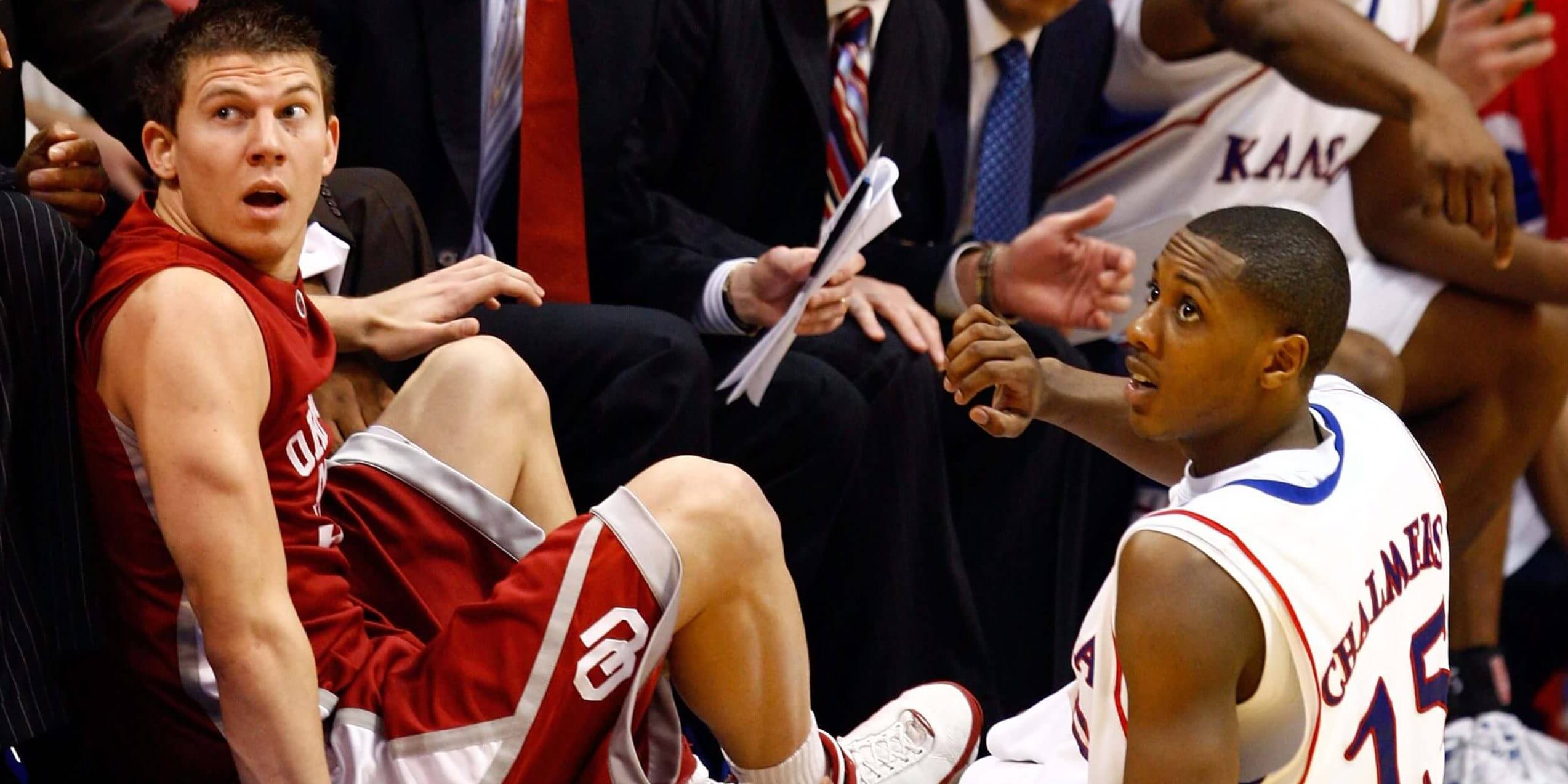
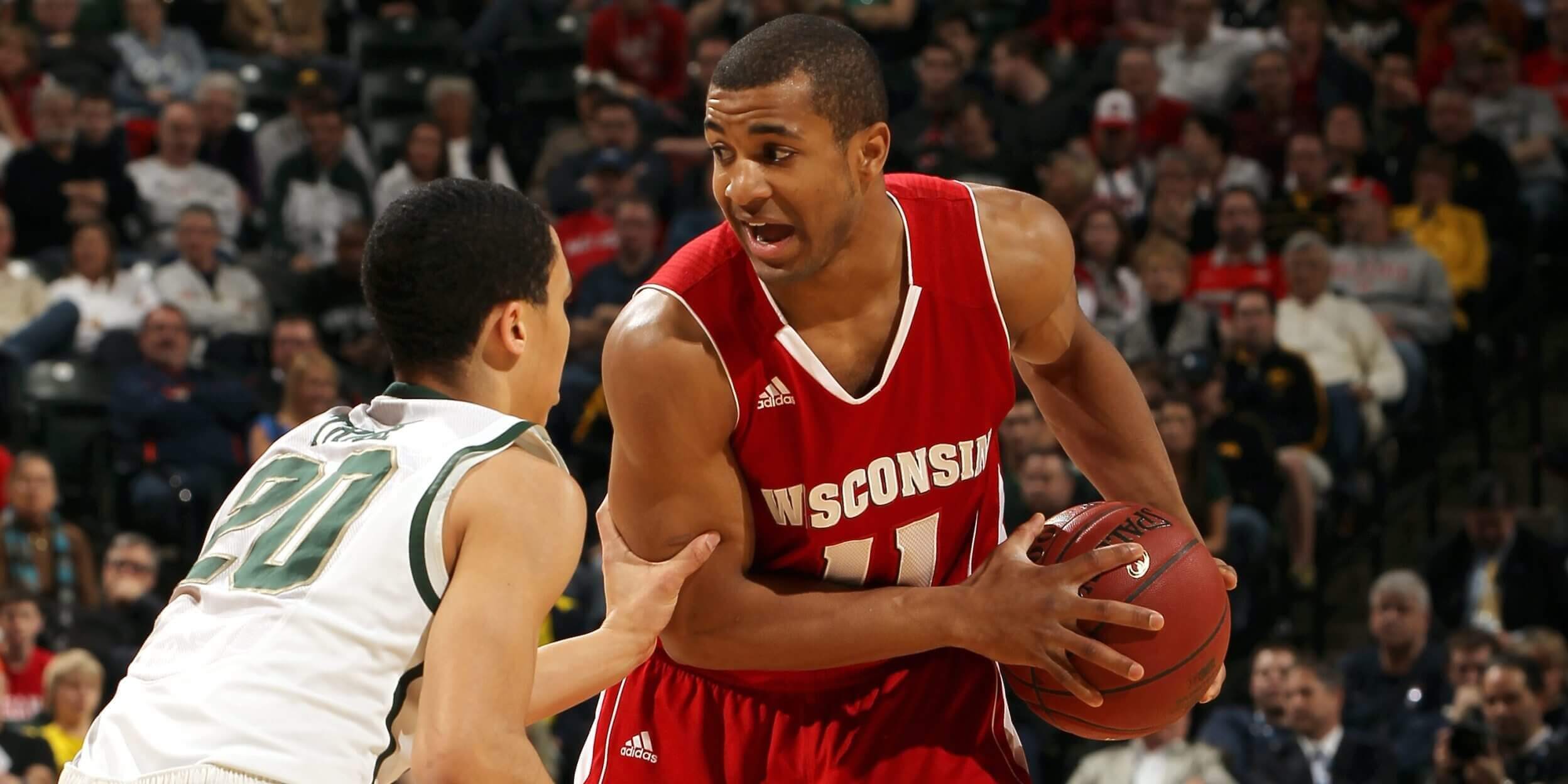
Why it’s here: While Wisconsin’s conflicts with Minnesota and Marquette and Michigan State’s battles with Michigan and Ohio State rank as more true “rivalries,” the Badgers and Spartans have played several important matchups over the last quarter-century. Since 2001, the teams have played 50 times, with each team winning 25.
Bo Ryan won six straight against Tom Izzo to open his Wisconsin career, and the coaches combined for seven Big Ten regular-season and five Big Ten tournament titles over their 15-year rivalry. Despite the intensity of their matchups, there was one moment of cordiality at the 2015 Final Four. After the Spartans lost in the opener to Duke, Michigan State’s band played “On Wisconsin” as the Badgers took the floor to face Kentucky.
Biggest game: The most important game in series history took place before Ryan joined the Badgers. In 2000, the teams squared off in the Final Four, with Izzo in his fourth season and Dick Bennett leading Wisconsin. The Badgers dictated the tempo, but the Spartans had too much talent and won 53-41 en route to the Big Ten’s most recent national title.
Photo:
Jonathan Daniel / Getty Images
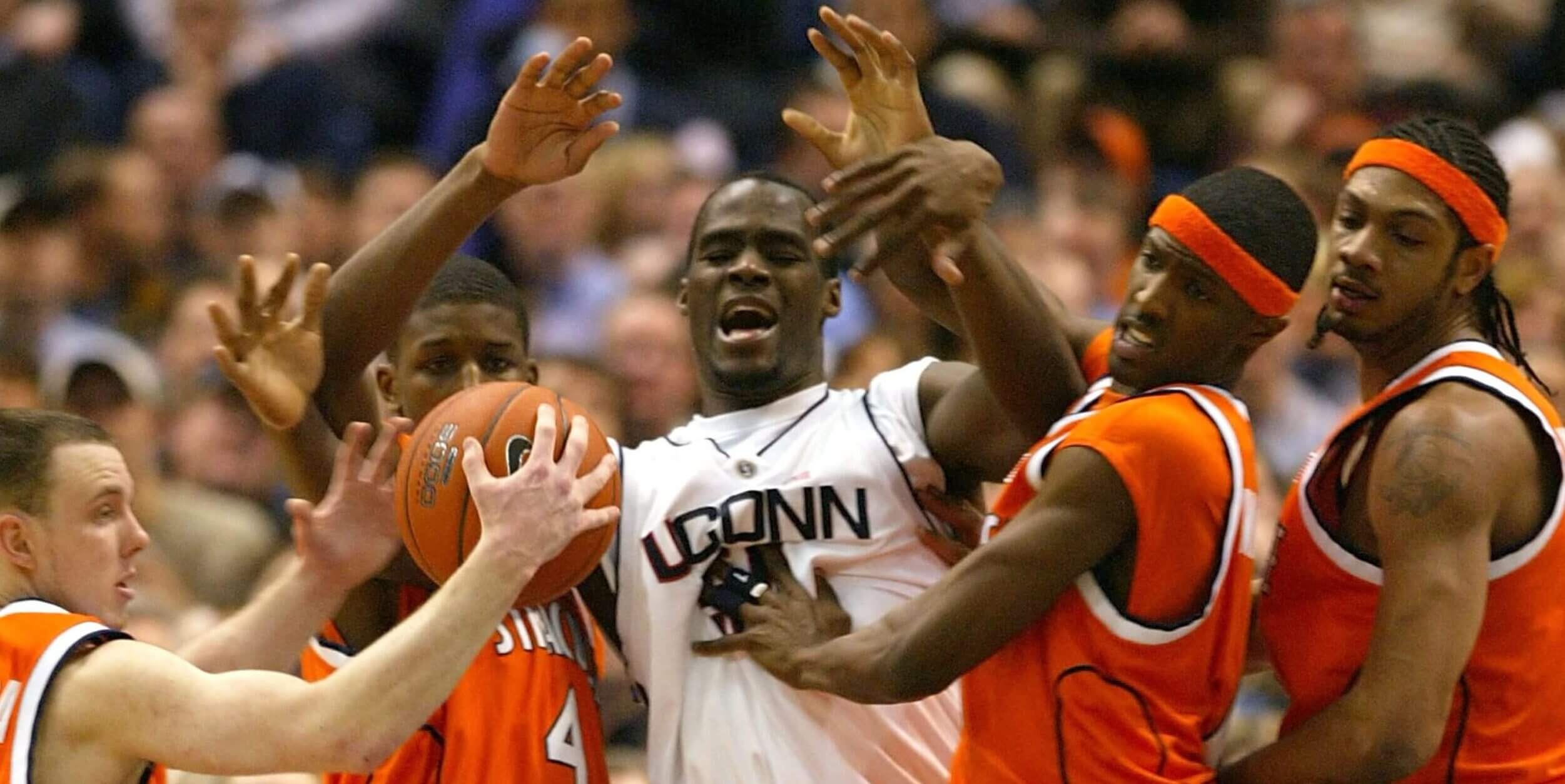
Why it’s here: UConn and Syracuse rarely played one another before the Big East debuted in 1979-80, but by the 1990s, the duo had developed into league powerhouses.
For 26 years, two of the sport’s coaching titans faced off in this game. UConn’s Jim Calhoun and Syracuse’s Jim Boeheim fittingly finished 27-27 against one another, each winning at least one NCAA title over that span. When Syracuse left for the ACC in 2013, the schools were interested in continuing their series as nonconference opponents, but they haven’t played since 2018.
Biggest game: The greatest game in Big East tournament history began on March 13, 2009 and ended on March 14. In a dramatic if sloppy quarterfinal, Syracuse outlasted UConn 127-117 in six (six!) overtimes over nearly four hours at Madison Square Garden, a test of endurance that set a standard by which all conference tournament games are measured. The Orange, who were paced by Jonny Flynn’s 34 points, didn’t lead until the sixth overtime period.
Photo:
Ezra Shaw / Getty Images
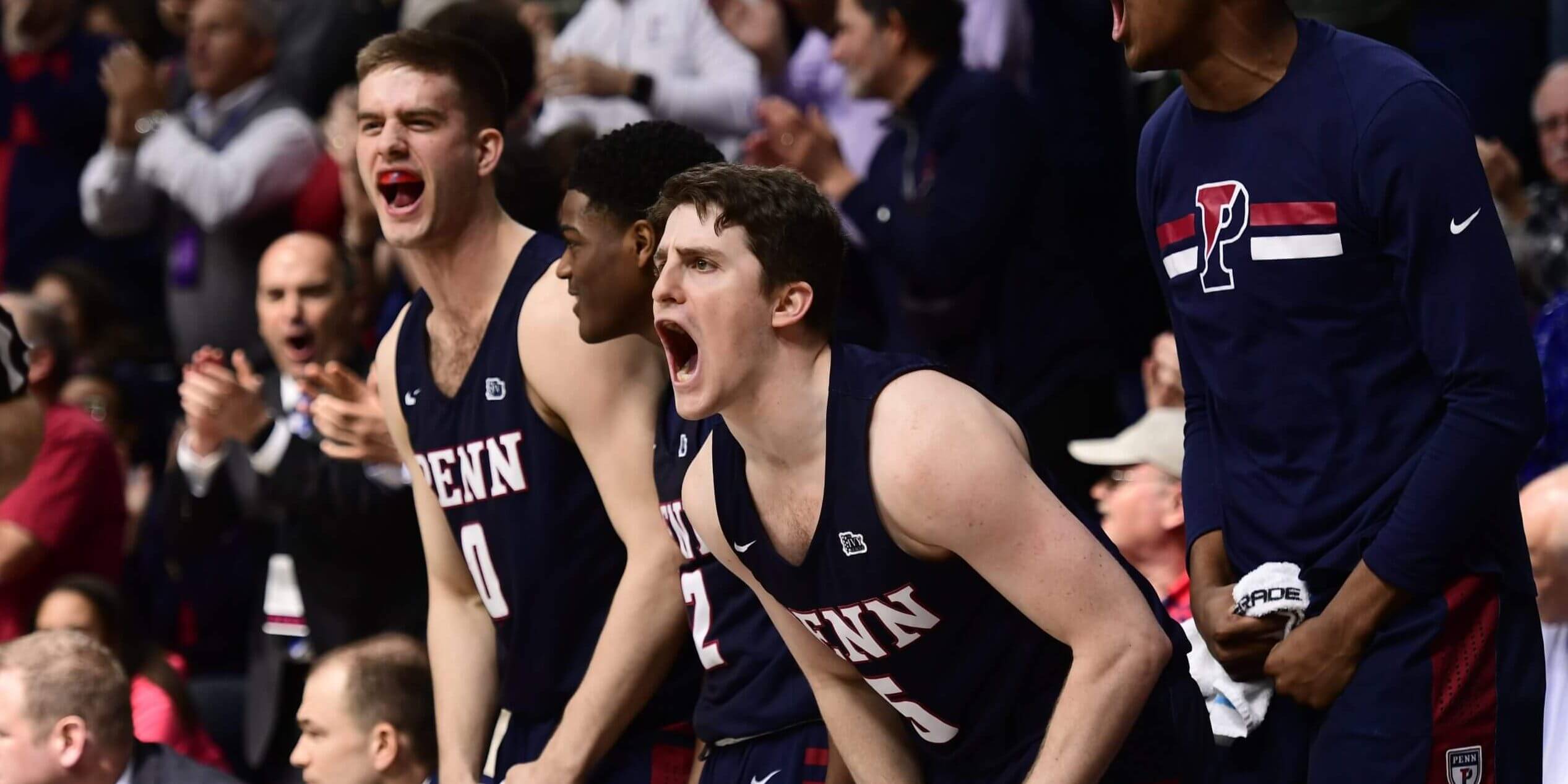
Why it’s here: Princeton and Penn are the Ivy League’s most successful programs, with 24 NCAA Tournament appearances each and a combined 56 championships (Princeton 30, Penn 26) in 81 seasons. In only two years between 1963 and 2007 did neither Penn nor Princeton win at least a share of the Ivy League title. One of the most famous games took place in 1999, when Penn scored 29 consecutive points and took a 40-13 halftime lead. In the second half, Princeton outscored the Quakers 37-9 and won 50-49.
Biggest game: In 1996, before the conference added a postseason four-team tournament, the Tigers and Quakers battled in a one-game playoff for the Ivy League’s NCAA bid. Penn had won eight straight in the series, including both regular-season meetings, but Princeton led by 13 points in the second half, only for Penn to force overtime. The Tigers pulled out a 63-56 overtime win, and longtime coach Pete Carril said he planned to retire after the NCAA Tournament. A few days later, Princeton shocked defending national champion UCLA 43-41 in the first round.
Photo:
Corey Perrine / Getty Images
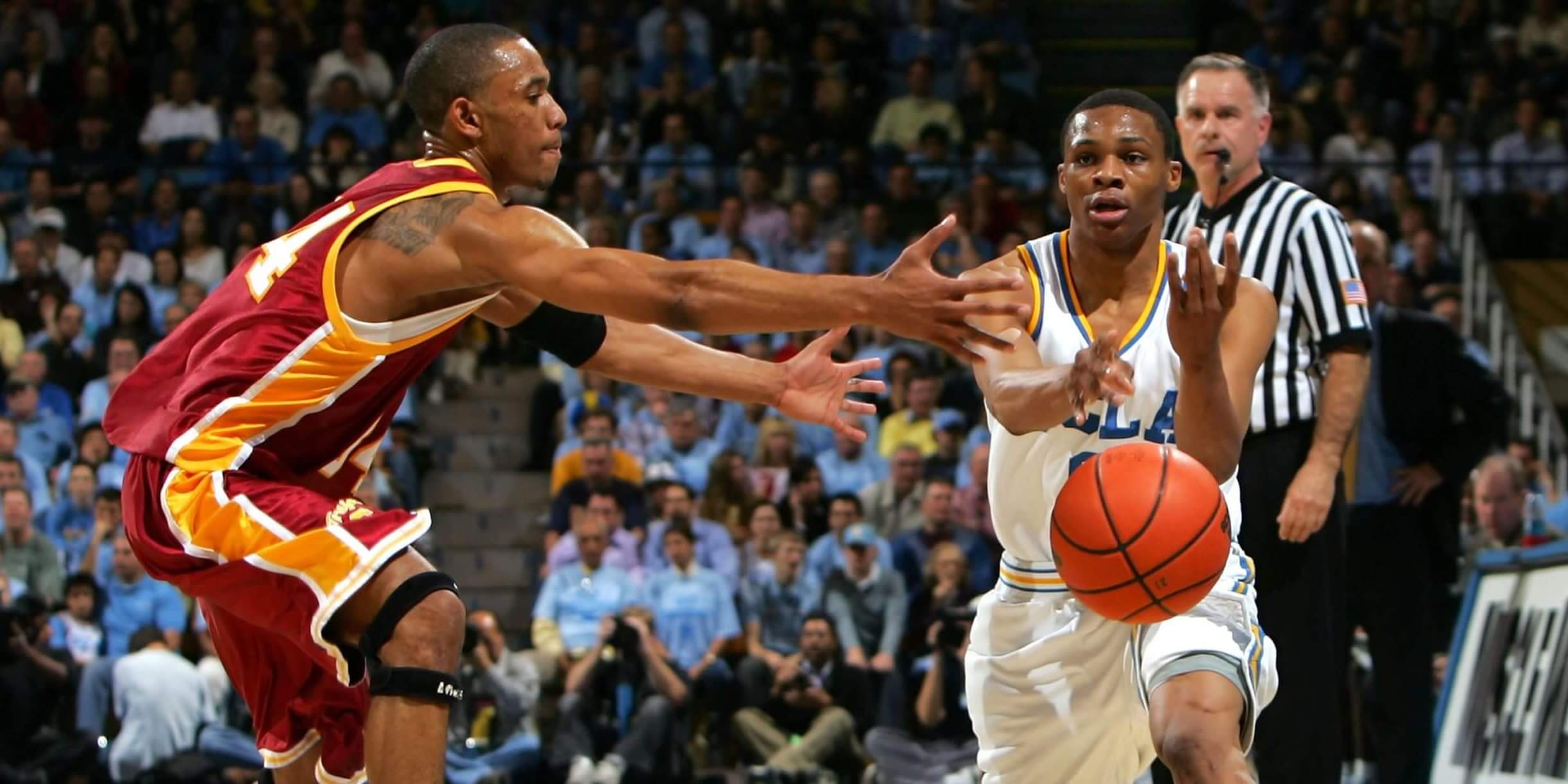
Why it’s here: UCLA has the historical edge on just about every team it faces, but this battle of Los Angeles is a much closer — and passionate — series than casual fans tend to know.
USC owned the early days of this series, winning 41 straight games against the Bruins from 1932 until 1943, when the teams regularly played four times per season. But UCLA took control of the rivalry, at one point winning 40 of 42. Over the last decade, the teams have split their last 24 games.
Biggest game: In 1971, the teams faced off twice while ranked in the top three. At USC, the No. 3 Bruins rallied from a nine-point deficit to beat the No. 2 Trojans 64-60. With the Pac-8 title and the league’s sole NCAA tournament slot at stake in the regular-season finale, top-ranked UCLA beat No. 3 USC 72-63, then went on to win the national title.
Photo:
Jeff Gross / Getty Images
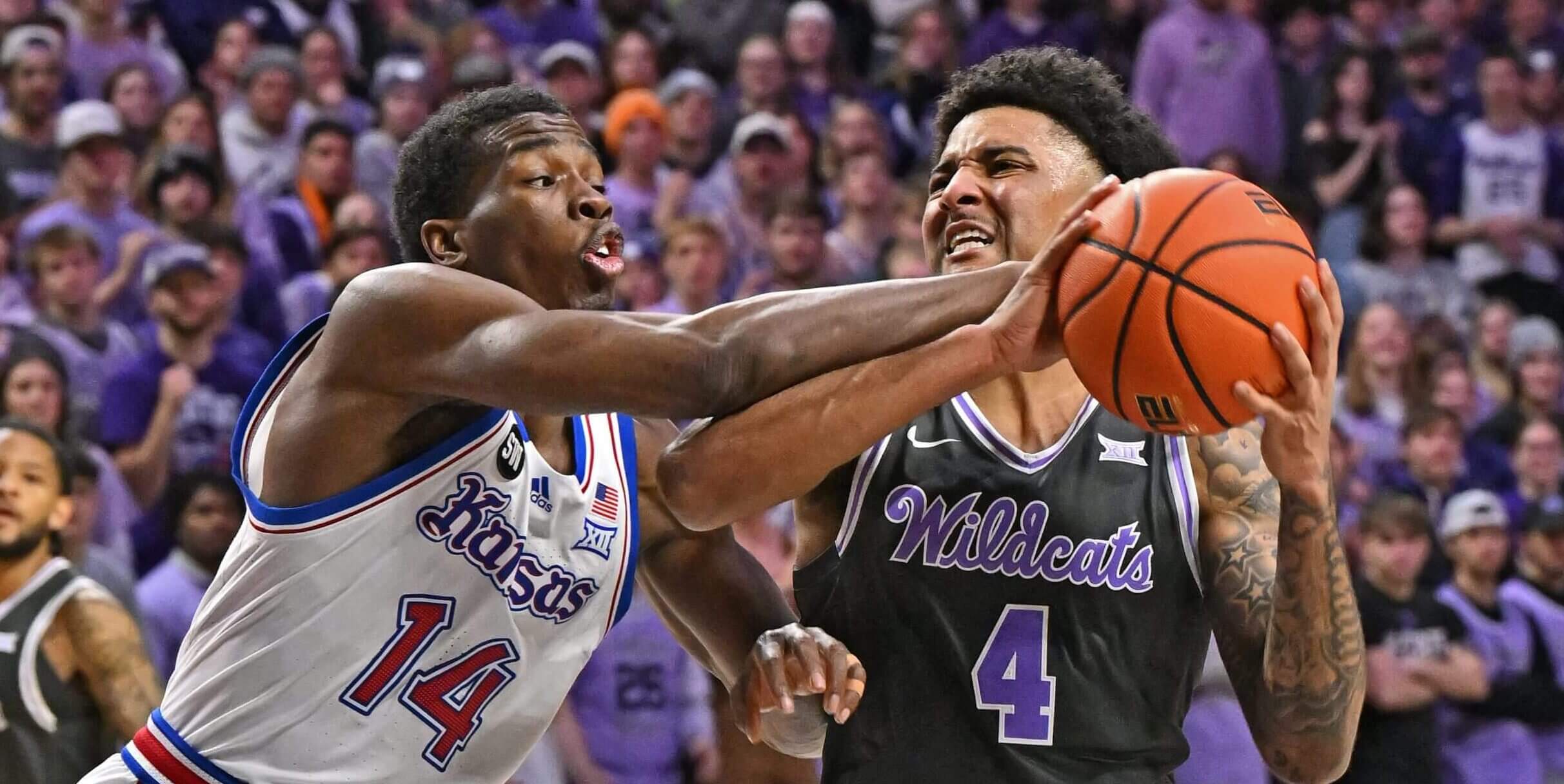
Why it’s here: The Sunflower Showdown fluctuates in importance depending on the state of Kansas State’s program. But it always matters to Kansans.
This rivalry has two great competitive eras separated by a half-century of Jayhawk dominance. The teams had battled 10 times as ranked opponents by 1958 but didn’t play again with both teams in the Top 25 until 2008; since then there have been 12 such matchups. The Jayhawks have beaten top-ranked K-State twice, and in 1957-58, all three of their games were top-10 collisions, including two No. 2 vs. No. 3 battles. But the most important Sunflower Showdown took place when only one team was ranked.
Biggest game: In 1988, sixth-seeded Kansas took advantage of two higher-seeded teams losing early-round matchups to reach the Elite Eight. On the opposite side of the region was fourth-seeded Kansas State, which had upset No. 1 seed Purdue in the Sweet 16. K-State had won two of the previous three meetings that year, including a Big Eight tournament semifinal by 15 points. In the Pontiac Silverdome, the teams battled back-and-forth until Kansas put together a 26-10 run on its way to a 71-58 victory.
Photo:
Peter Aiken / Getty Images
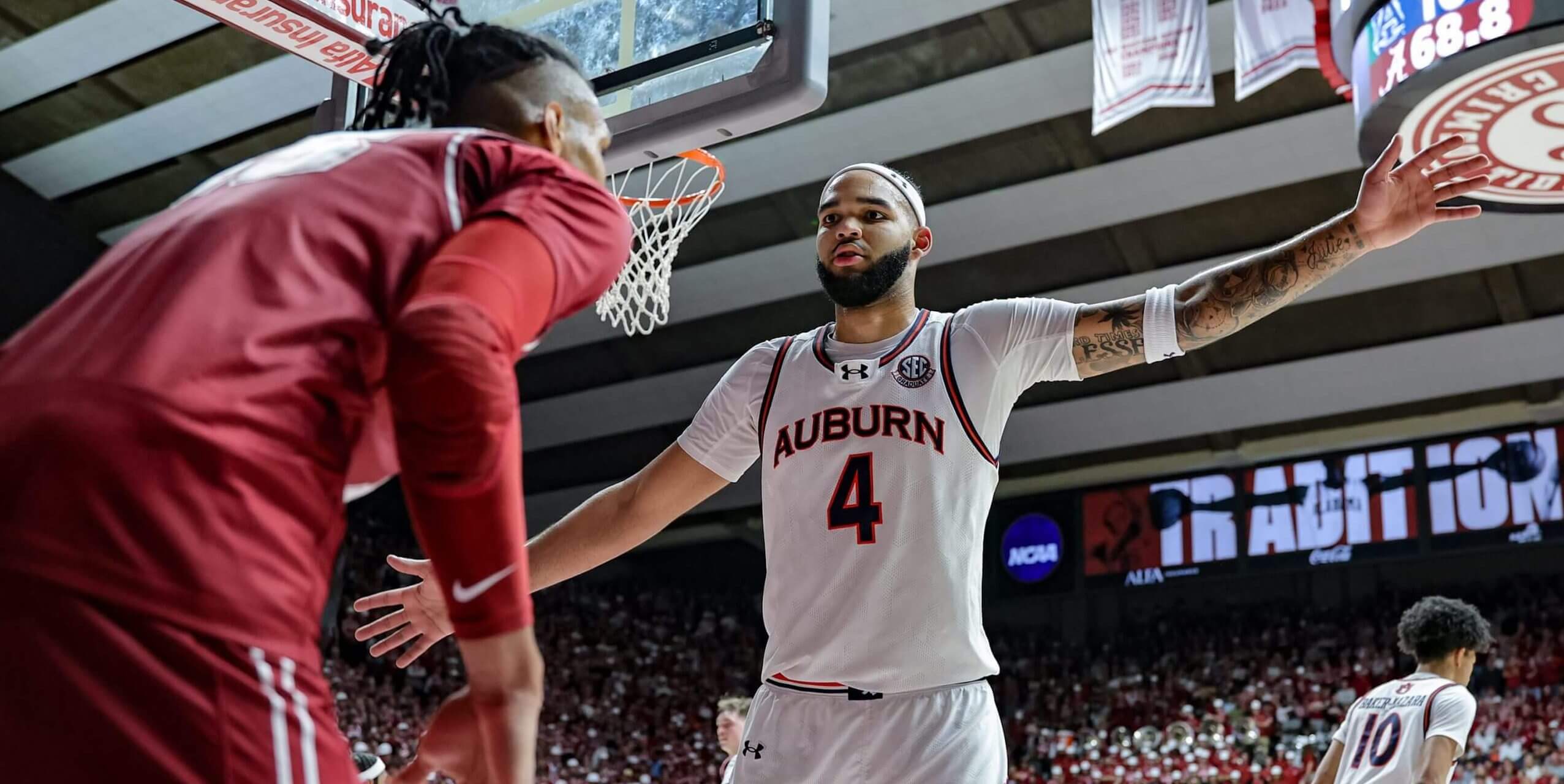
Why it’s here: The Iron Bowl needs no introduction in college sports, in football or otherwise. Auburn and Alabama’s hardwood rivalry has seen its profile grow nationally in recent years. During the 2024-25 season, they played a pair of ranked matchups, including the first No. 1 vs. No. 2 clash in SEC men’s basketball history. They have eight combined ranked battles historically, with the Tide holding a 5-3 edge.
Biggest game: It’s not a cop-out to suggest both 2025 meetings carried equal importance. In their first matchup as No. 1 and No. 2, Auburn’s nine-point halftime lead proved too much for Alabama to overcome in a 94-85 Tigers’ victory in Tuscaloosa. Three weeks later in the regular-season finale, Crimson Tide guard Mark Sears’ 10-footer at the buzzer elevated No. 7 Alabama to a 93-91 overtime win at No. 1 Auburn.
Photo:
Brandon Sumrall / Getty Images
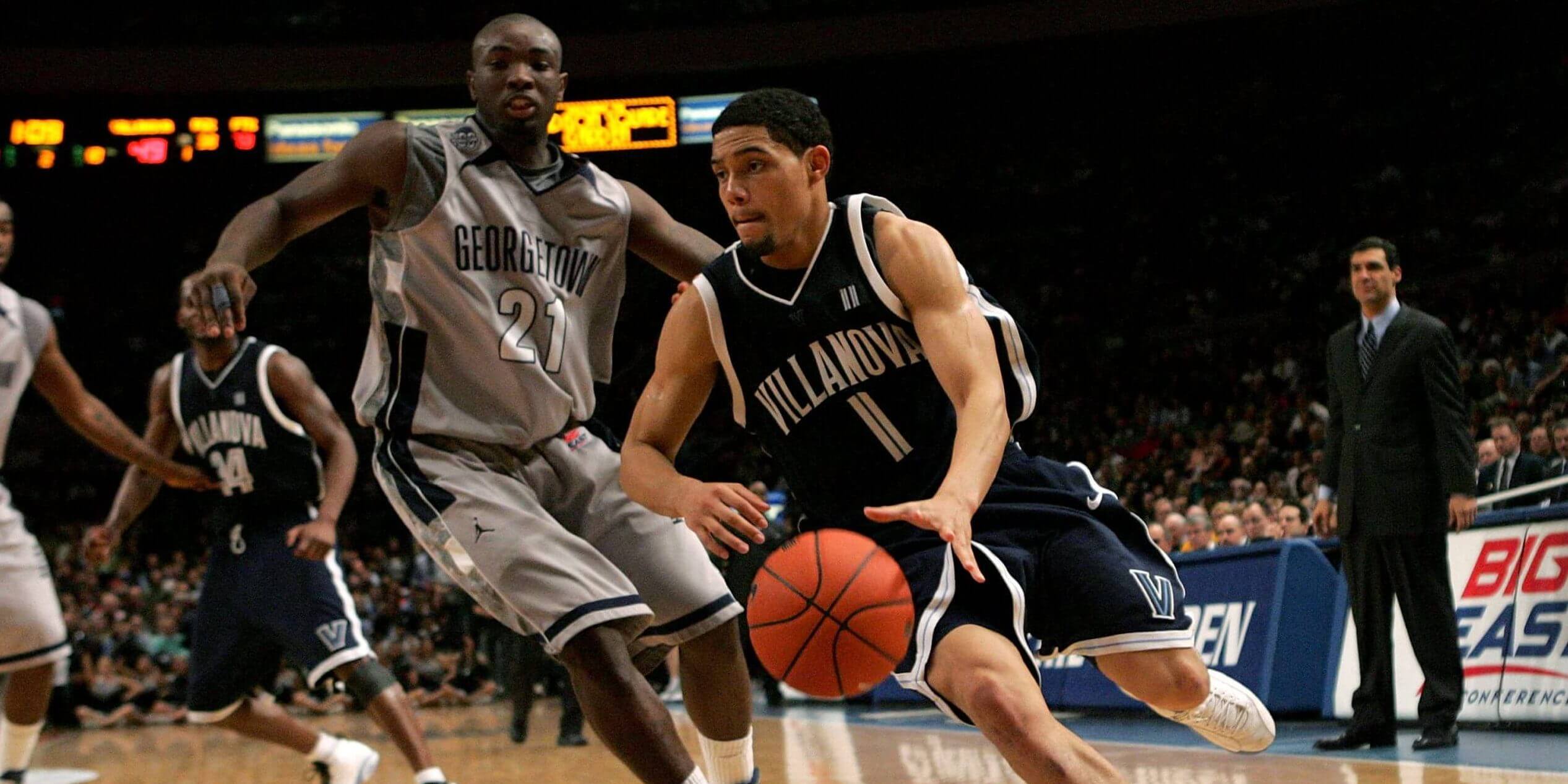
Why it’s here: Once the Wildcats joined the Big East in 1981, this turned into one of the league’s strongest rivalries. Georgetown dominated their early Big East days, winning 21 of 28 league matchups, but Villanova turned the tables under former coach Jay Wright and has won 25 of the last 30.
Biggest game: The Big East took center stage at the 1985 NCAA Tournament with three Final Four teams and Villanova-Georgetown for a national title. The top-ranked Hoyas were heavy favorites, but that didn’t faze the Wildcats. In what’s considered one of the biggest upsets in NCAA history, Villanova shot nearly 79 percent from the field, including 90 percent in the second half, to shock the defending champs 66-64.
Photo:
Jim McIsaac / Getty Images
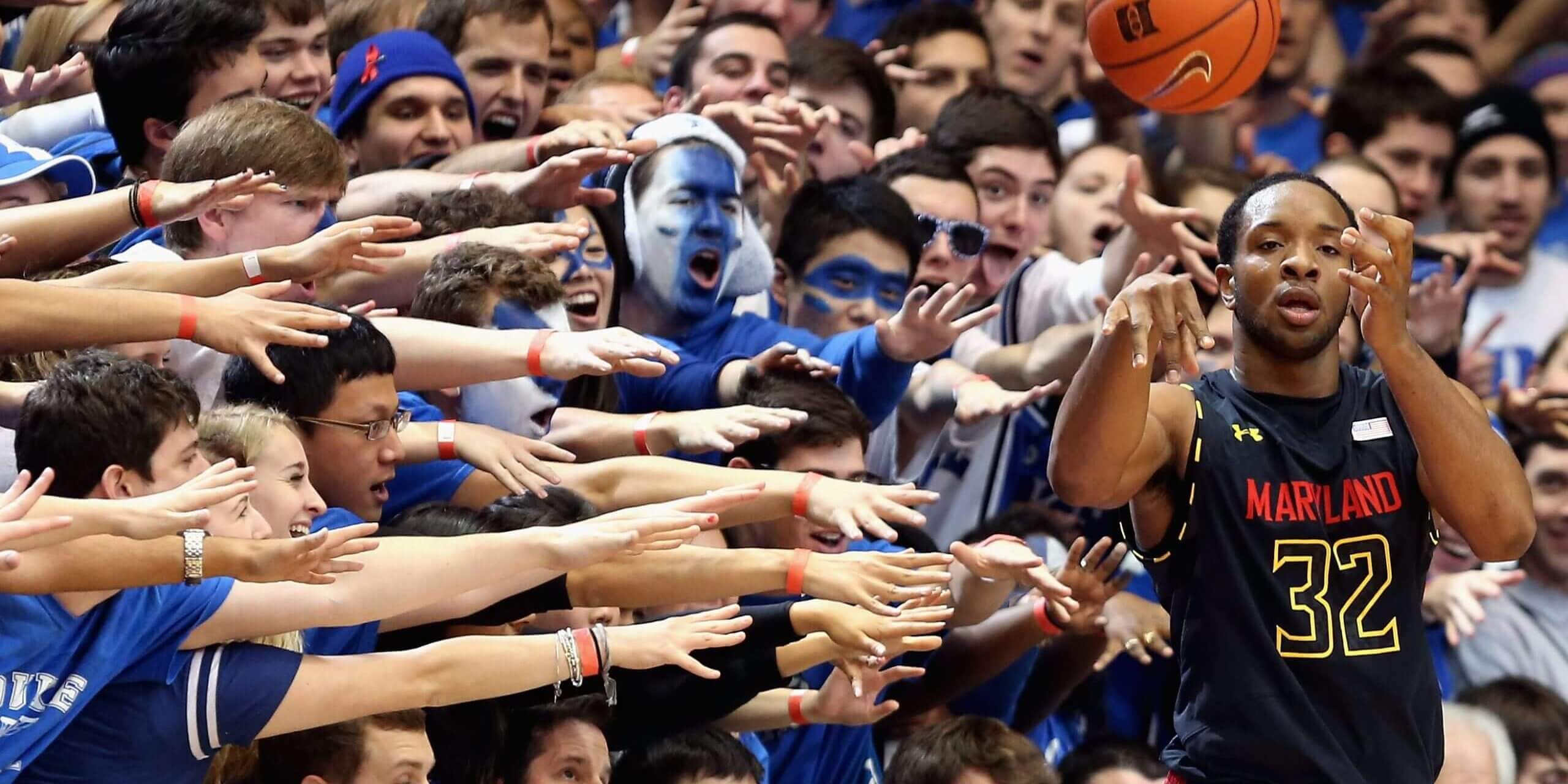
Why it’s here: Like many great basketball rivalries, Duke-Maryland died at the hands of football realignment. The Terrapins joined the Big Ten following the 2013-14 season, but when they were ACC members, this rivalry was a top-15 series nationally.
Duke-Maryland featured 25 matchups of two ranked teams, and in five of those games, Duke was ranked No. 1; Maryland won two of them. Resentment over Maryland’s departure led the ACC to not send Duke (or North Carolina or NC State) to College Park in the Terps’ final season as a league member. The teams have not played since the Blue Devils’ 69-67 victory in Durham on Feb. 15, 2014.
Biggest game: In 2001, the teams played four times, and the winner trailed by double digits in each contest. At Cole Field House, Maryland led by 10 points with 54 seconds left, only to lose in overtime. The Terps got revenge at Cameron on Duke’s senior night. The Blue Devils prevailed 84-82 in an ACC tournament semifinal when Maryland star Juan Dixon’s half-court heave at the buzzer bounced off the rim. Then they squared off in the Final Four. Maryland led by as much as 22 in the first half, but Duke cut the deficit to 11 by halftime, took the lead with 6:53 left and pulled off a 95-84 victory on the way to a national title.
Photo:
Streeter Lecka / Getty Images
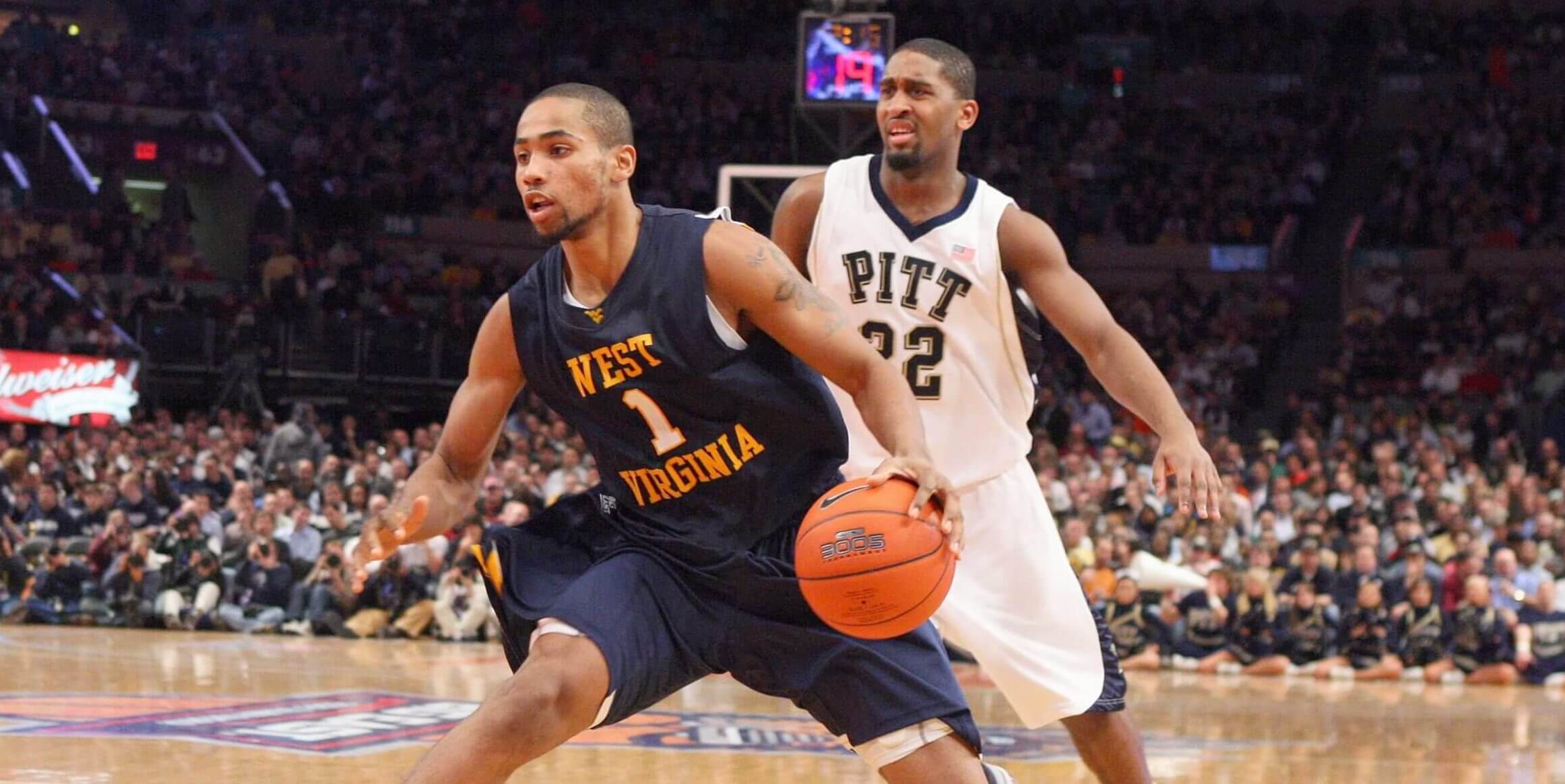
Why it’s here: The Backyard Brawl is one of college football’s great local rivalries, and the men’s basketball series has the same moniker with similar wild results. Despite competing in the same league only off and on, the teams faced off every year from 1917-18 through 2011-12, when Pitt (ACC) and West Virginia (Big 12) left the Big East. They have appeared on one another’s schedules in eight of the last nine seasons. Pitt has won four of the series’ six ranked matchups, and 25 meetings have been decided by two points or less.
Biggest game: On Feb. 12, 2010, No. 5 West Virginia traveled to No. 25 Pittsburgh and led by seven points with 45 seconds left. Pitt stormed back to tie the game and send it into overtime. A buzzer-beating 3 forced a second overtime, and a missed 3 sent things to a third, where the Panthers prevailed 98-95.
Photo:
Jim McIsaac / Getty Images
Why it’s here: Realignment has ruined some rivalries — especially in the Big 12 — but it has created others. Houston and Texas Tech have a chance to become perhaps the best basketball rivalry in Texas now that they play annually. This is a series on the rise.
The teams competed with one another in the old Southwest Conference from 1976 through 1996, then reunited in the Big 12 in 2024. In the interim, they played only five times. But both programs have been ranked in all seven battles since 2020. The last four matchups were decided by five points or less.
Biggest game: In their first matchup of the 2024-25 season, No. 22 Texas Tech ended No. 6 Houston’s 33-game home winning streak with an 82-81 overtime victory, thanks to a pair of free throws from Texas Tech’s Chance McMillian. The Red Raiders played nearly the entire game without coach Grant McCasland, who was ejected in the first half along with star JT Toppin. Three weeks later, Houston evened the season series with a 78-73 win.
Photo:
Jay Biggerstaff / Getty Images
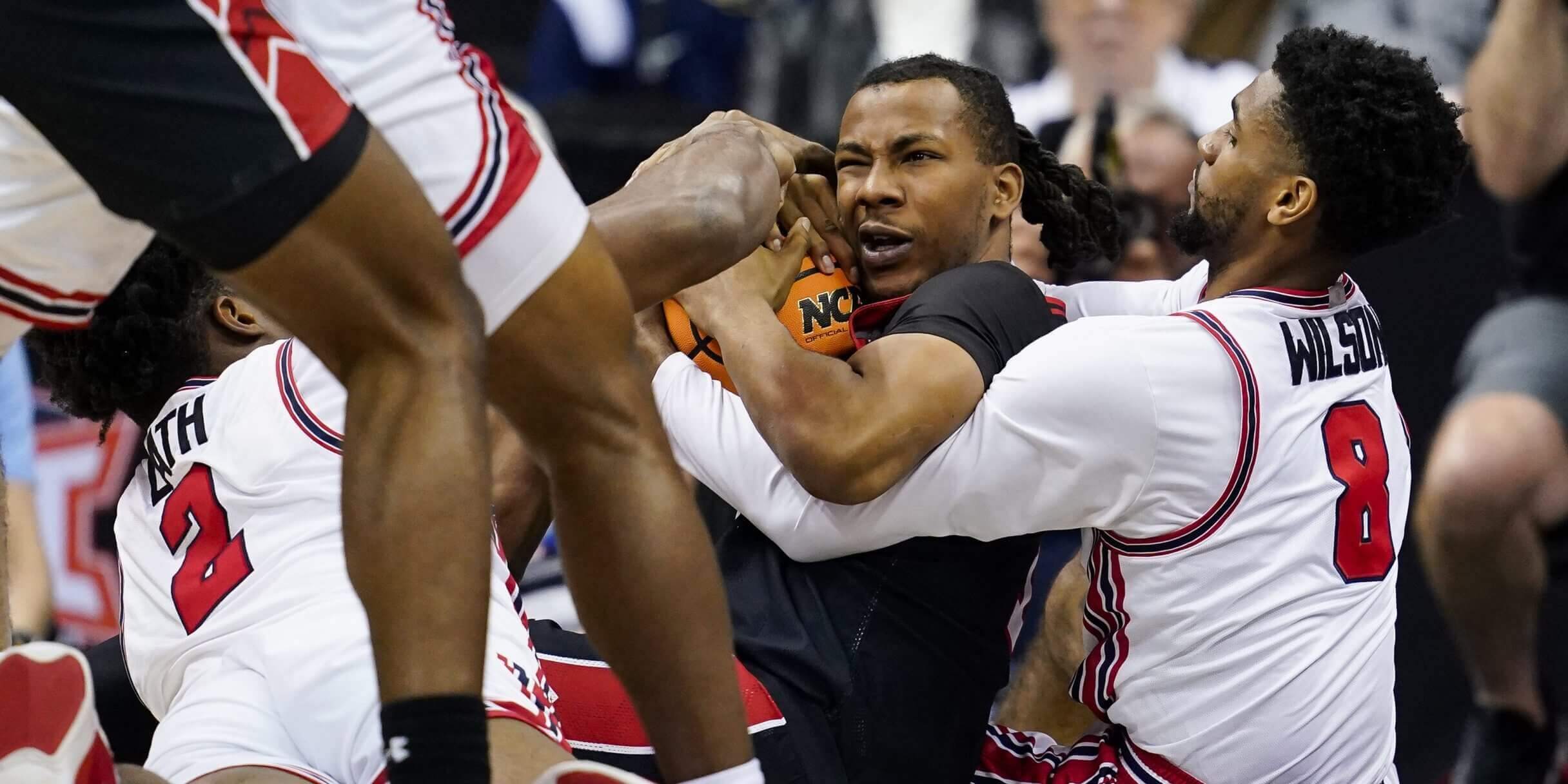
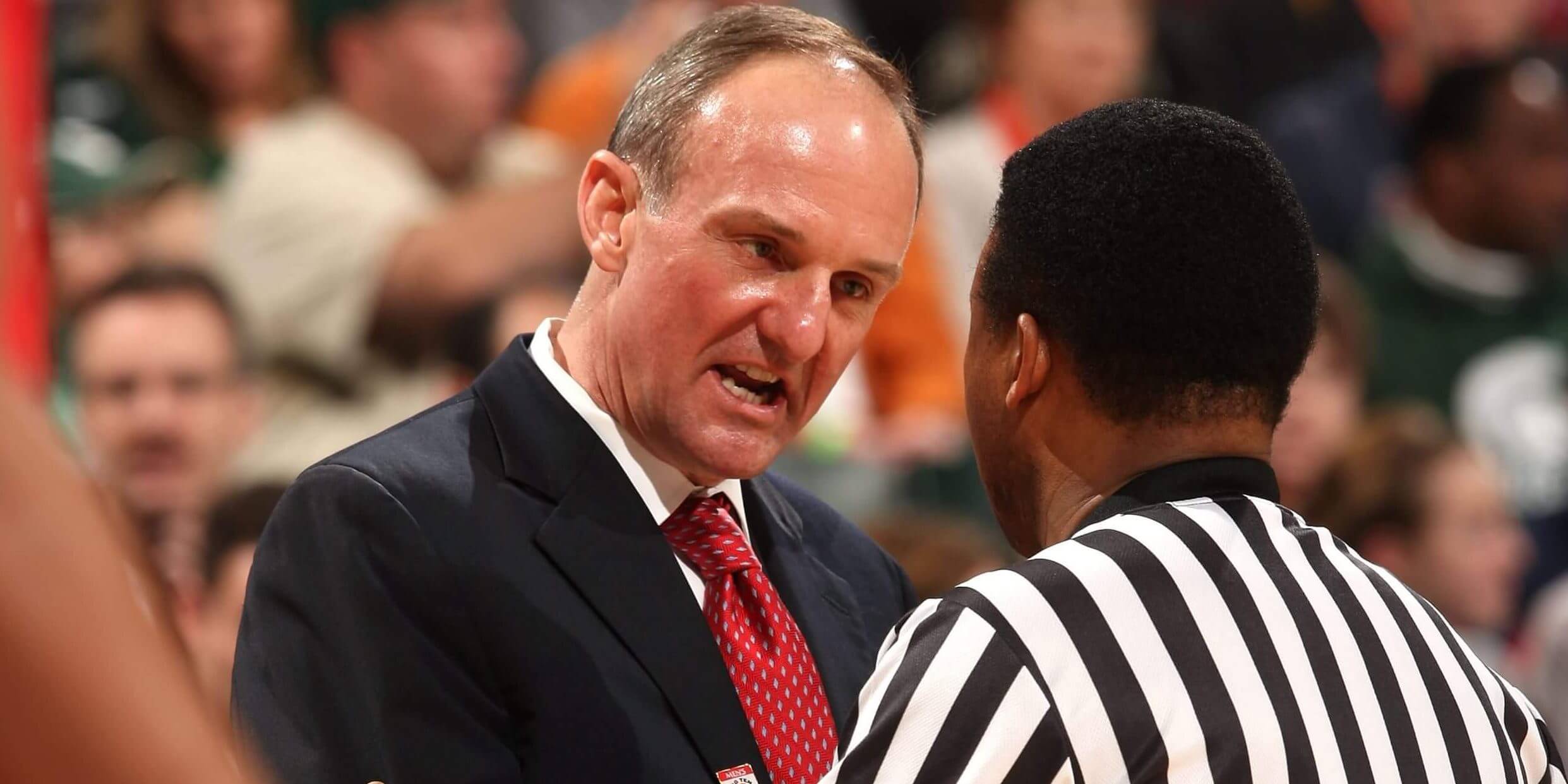
Why it’s here: Many Big Ten basketball rivalries fluctuate in intensity based on the conference standings. With Tom Izzo leading Michigan State and Thad Matta guiding Ohio State, Spartans-Buckeyes took center stage often.
From 2005-06 through 2015-16, Ohio State or Michigan State were a part of six Big Ten regular-season and seven conference tournament championships, each making multiple Final Four trips over that span. Their six games over the 2011-12 and 2012-13 seasons were all ranked battles, and three involved top-10 matchups.
Biggest game: In the 2012 regular-season finale, Ohio State’s William Buford drilled a jumper with 1 second left to beat the Spartans 72-70 at Breslin Center, and the teams shared the regular-season crown. With the Big Ten tournament on deck, Izzo told reporters, “We’re going to go win our championship back.” The teams reached the championship game, and Draymond Green earned most outstanding player honors in lifting Michigan State to a 68-64 win.
Photo:
Jonathan Daniel / Getty Images
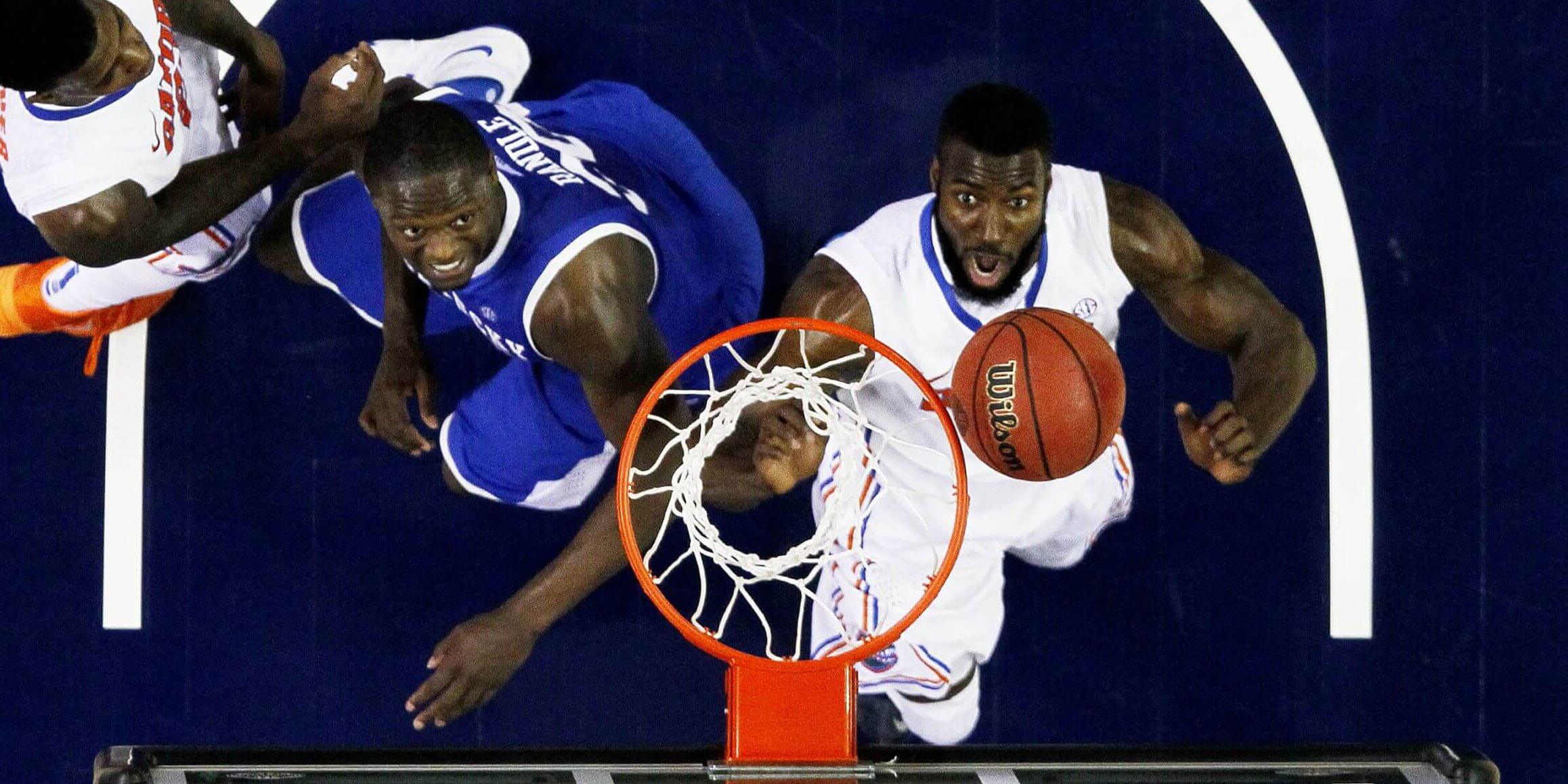
Why it’s here: Over the last 30 seasons, Kentucky and Florida are the SEC’s most successful programs, combining for five national championships. The Wildcats have won 11 regular-season conference crowns and 12 tournament titles in that time, while the Gators have claimed six SEC titles and five tournament championships. In 2003, top-ranked Florida fell 70-55 before a record crowd at Rupp Arena. Since 2004, they’ve met four times in the SEC tournament final, with each team winning two.
Biggest game: In 2014, Florida finished the SEC regular season unbeaten in league play and cruised to the SEC tournament final against second-seeded Kentucky. The Gators led by 15 points halfway through the second half, but the Wildcats went on a 14-0 run to close within one point. Kentucky had one last chance to take the lead, but a floor slip led to a mad scramble for the ball as time expired, and Florida held on 61-60. Both teams made the Final Four, and the Wildcats reached the national title game.
Photo:
Kevin C. Cox / Getty Images
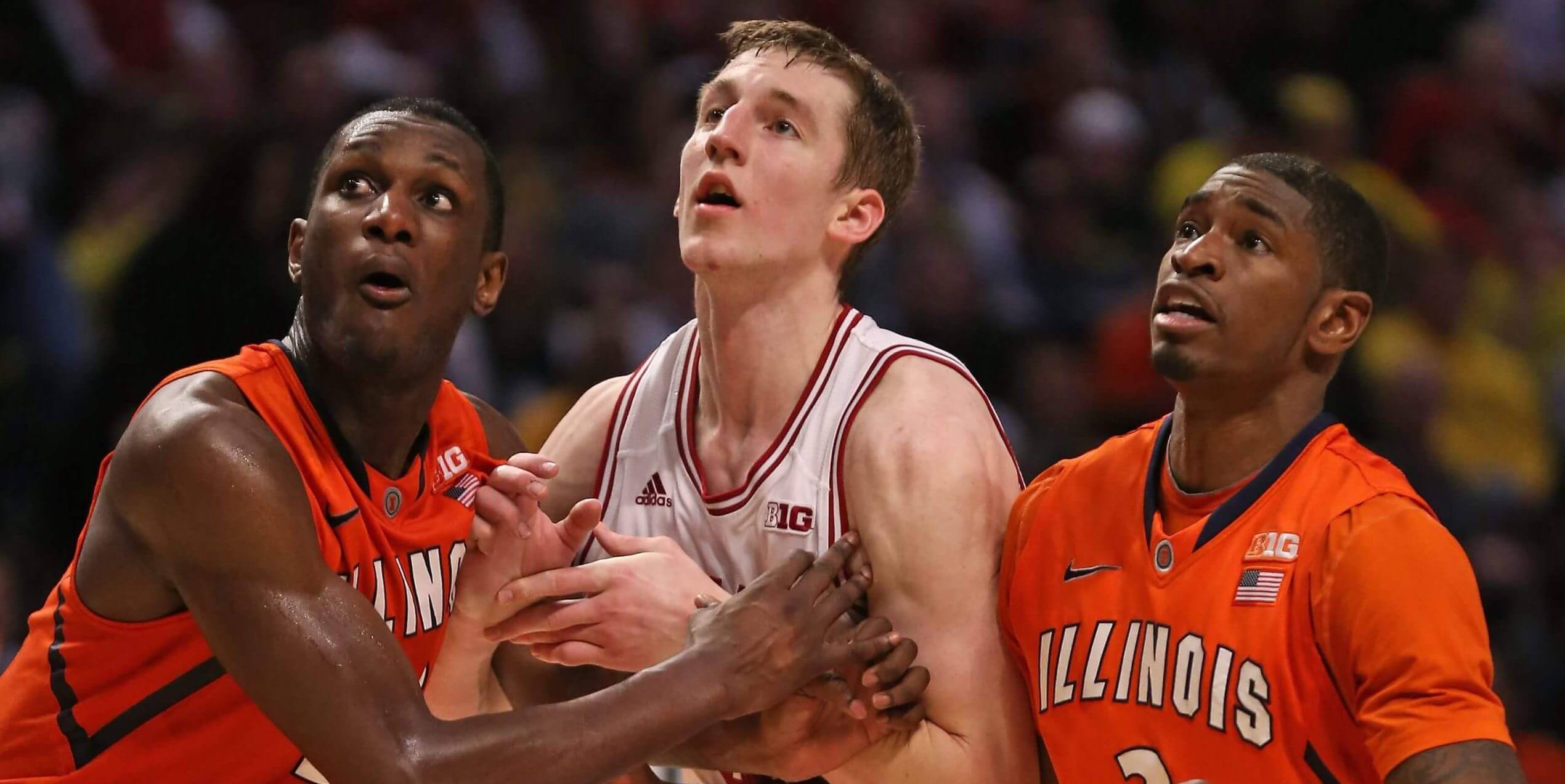
Why it’s here: There’s no long-standing rivalry in the Big Ten more evenly matched than these two programs. This series can run red-hot with upsets and recruiting feuds (see: Eric Gordon) that are as combative as any in the Midwest.
In 1991, Indiana’s Bob Knight and Illinois’ Lou Henson were reprimanded by the Big Ten following a profane screaming match outside the locker rooms. Knight sarcastically ripped Illinois’ program in a news conference diatribe, and Henson called him “a classic bully” who “runs over everyone in his path.” The border foes have also had some incredible games: They’ve played 10 overtime games and seen each other nine times in the Big Ten tournament.
Biggest game: On March 5, 1989, No. 3 Indiana hosted No. 8 Illinois in a classic Big Ten slugfest. With two seconds left, Indiana’s Jay Edwards knocked down a high-arcing jumper to tie the score. Illinois’ Stephen Bardo launched an inbounds pass to Nick Anderson about 30 feet from the basket. Anderson soared high above Edwards and drilled a 3 at the buzzer for a 70-67 win. Indiana still won the Big Ten title, but Illinois would go on to reach the Final Four.
Photo:
Jonathan Daniel / Getty Images
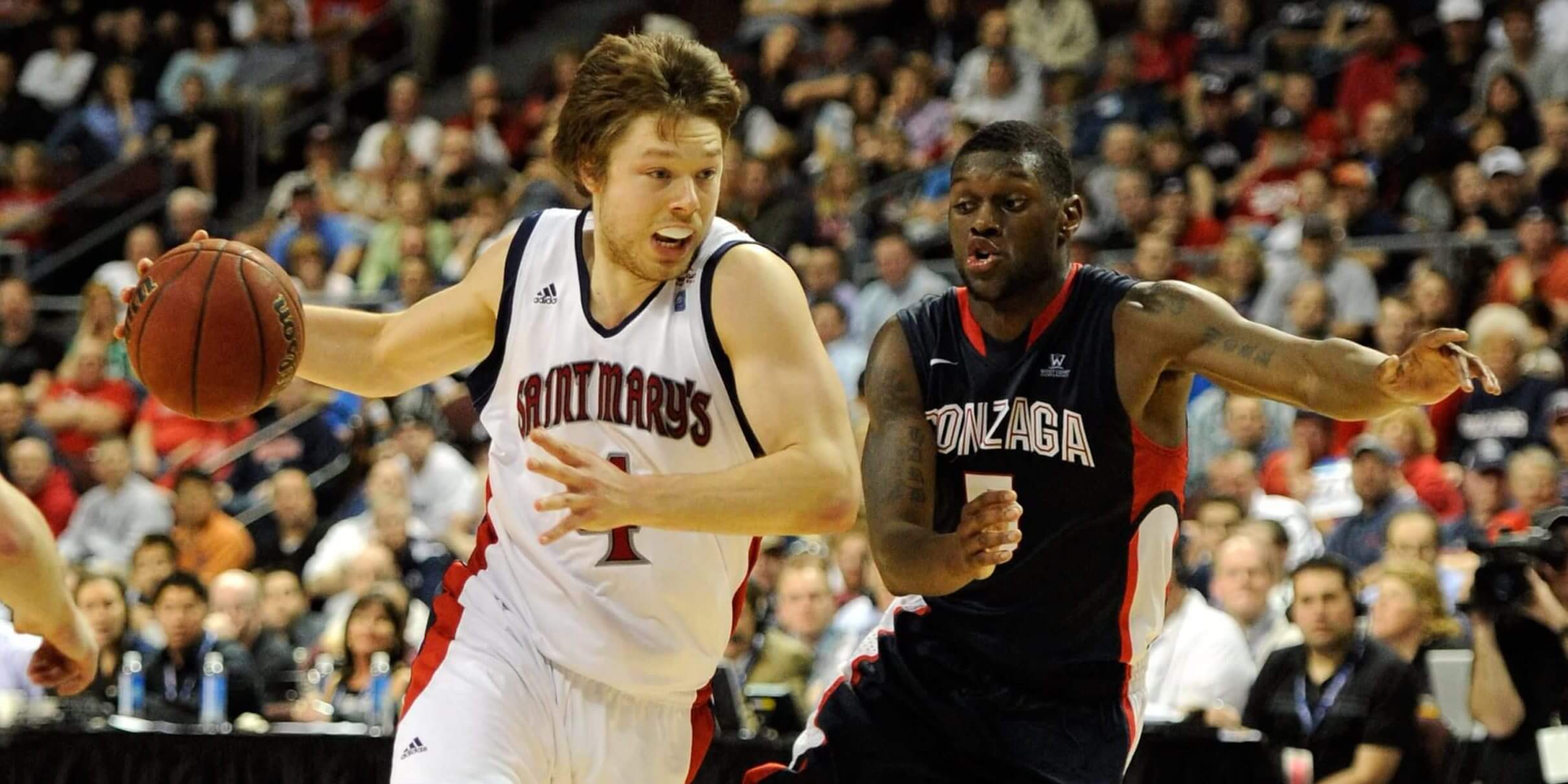
Why it’s here: Gonzaga-Saint Mary’s has developed into the West Coast’s best basketball rivalry, turning many basketball fans in the Eastern and Central time zones into bleary-eyed work zombies thanks to their late-night West Coast Conference tipoffs, especially their conference tournament battles. They have combined to win 26 of the last 30 WCC championships, including the last 16, and since 1994, at least one of them has played in every WCC tournament final. Saint Mary’s has twice upset No. 1 Gonzaga in the championship game, but the Zags are the league’s heavyweight, with 21 WCC tourney titles over the last 30 years to Saint Mary’s five. The dynamic will change dramatically in July when Gonzaga joins the Pac-12.
Biggest game: The 2012 WCC tourney final featured No. 18 St. Mary’s against No. 24 Gonzaga, and both likely were headed to the NCAA either way, but their efforts suggested nothing was more important than the game that night. Gonzaga scored the final five points of regulation in the last 14 seconds to force overtime, but St. Mary’s guard Matthew Dellavedova hit four big free throws to clinch a 78-74 win.
Photo:
Ethan Miller / Getty Images
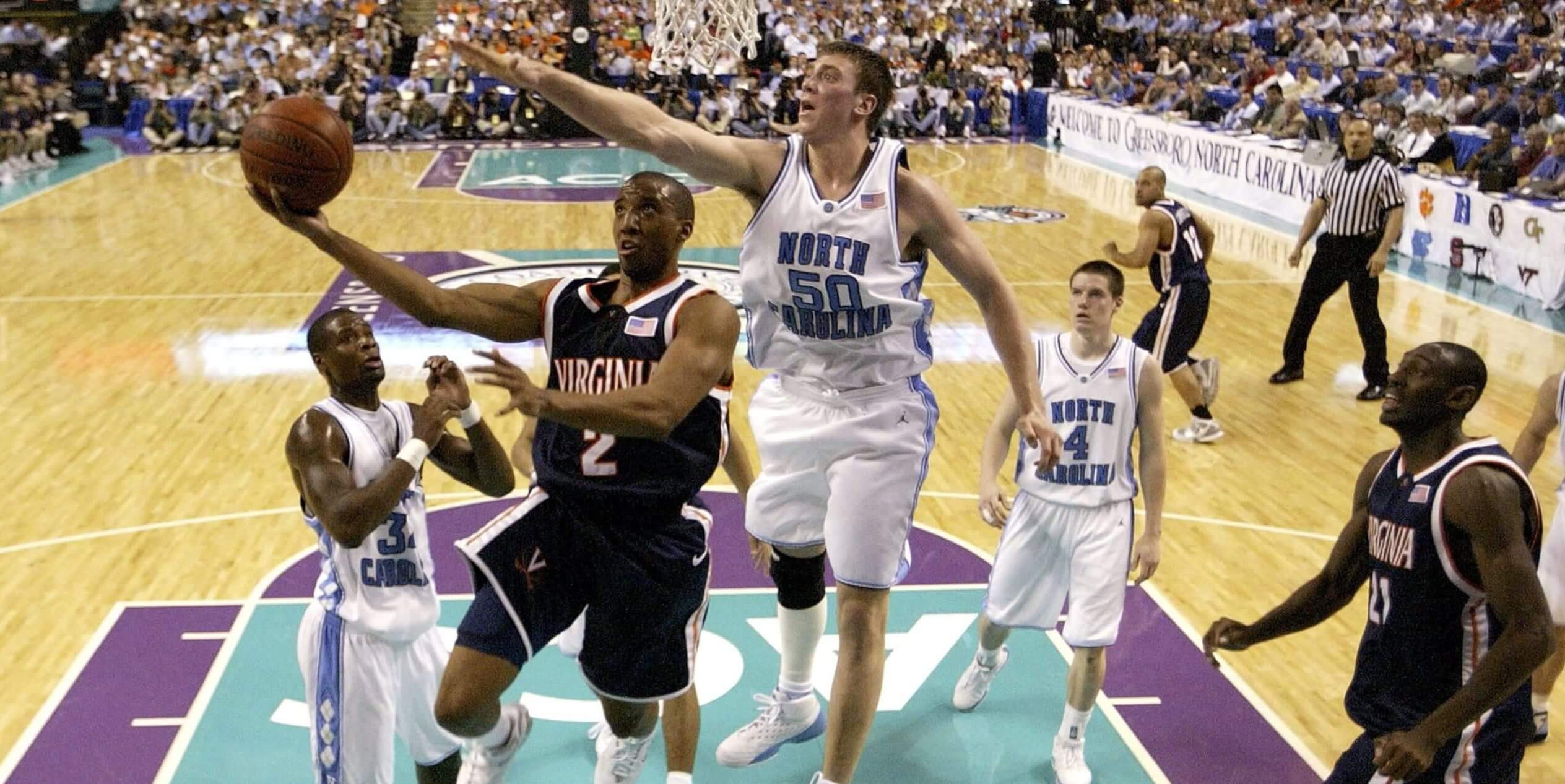
Why it’s here: The football programs compete in the FBS’ second-most-played rivalry (130), and the men’s basketball programs are one matchup away from 200. Virginia-North Carolina has been an annual staple since the ACC’s founding in 1953-54, and the schools played 47 times before that.
There was no more impactful conference series in the early 1980s than Virginia-North Carolina. In an incredible set of back-to-back results, North Carolina beat Virginia 47-45 in the 1982 ACC tournament, then outraced the ’Hoos 101-95 in their first meeting of 1983. Overall, they’ve played 32 games as ranked opponents — 26 of which involved a top-five team — with Carolina winning 18.
Biggest game: On March 28, 1981, the rivals faced off in the Final Four. The Cavaliers had won the first two meetings of the season, and with all-everything center Ralph Sampson, they were confident of advancing to the NCAA title game. Instead, Carolina’s Al Wood stole the show with a 39-point performance in a 78-65 Tar Heels victory.
Photo:
Streeter Lecka / Getty Images
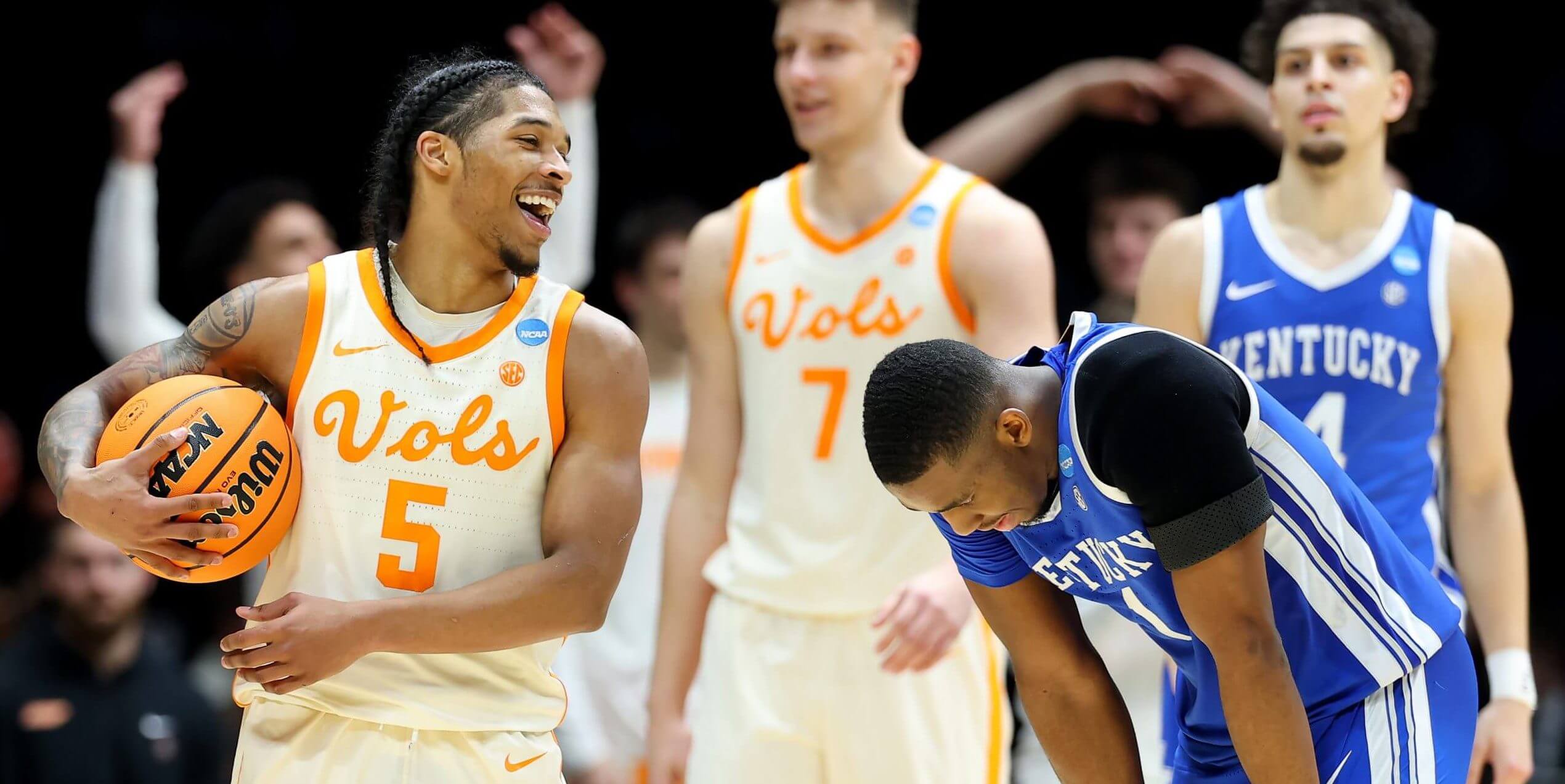
Why it’s here: Kentucky has dominated SEC basketball from its inception, and most of its conference series are one-sided both in the win-loss column and in importance. Tennessee is the only program to beat Kentucky more than 50 times, and there’s a true rivalry feel when they play one another.
The series ranks second among the SEC’s most-played rivalries and has become much more competitive since Rick Barnes took over the Vols in 2015-16. Kentucky still holds a 14-12 edge since then, but Tennessee’s wins are by far the most in the SEC over that span. The Wildcats hold a monumental historic advantage. On Jan. 18, 1969, Kentucky became the first program to record 1,000 victories with a win over Tennessee. In 2009, Jodie Meeks set a Kentucky record with 54 points to bury the Vols.
Biggest game: The teams have met just once in the NCAA Tournament, but it was a big one. In 2025, they faced off in the Sweet 16 in Indianapolis. Tennessee won 78-65 and advanced to the Elite Eight for just the third time in school history. Kentucky has gotten some revenge this year, sweeping the regular-season series.
Photo:
Gregory Shamus / Getty Images
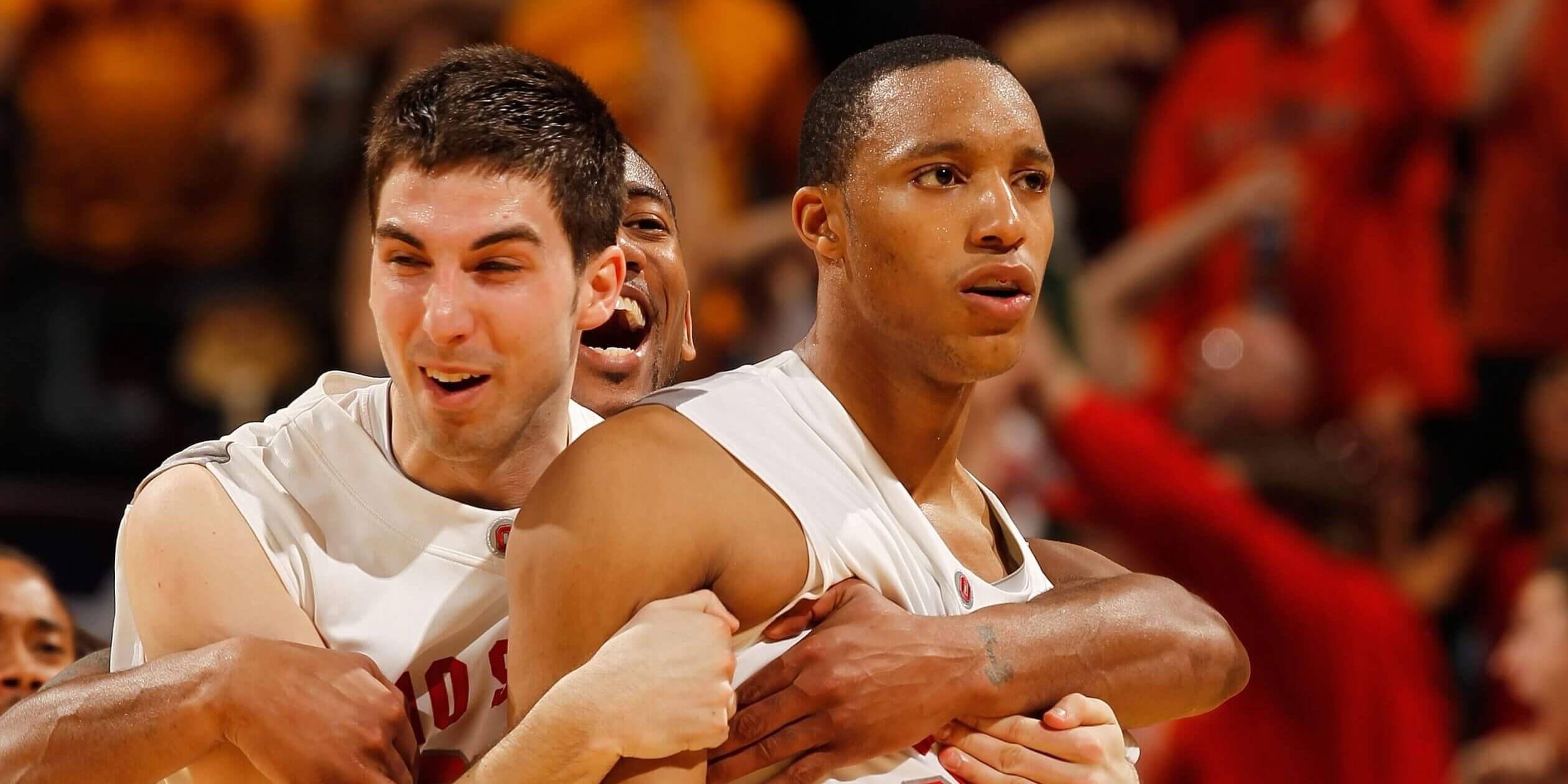
Why it’s here: These two programs are rivals in every sport, not just their annual Thanksgiving weekend clash at the center of the college football universe. In 2021, both meetings on the hardwood were top-10 matchups, and the teams split. In 2010 they produced one of the great Big Ten tournament moments when Ohio State’s Evan Turner took an inbounds pass, drove just past half court and sank a buzzer-beating 3 to beat Michigan 69-68.
Biggest game: On March 29, 1992, No. 15 Michigan and No. 3 Ohio State met in Lexington, Ky., for a spot in the Final Four. The Buckeyes had won both regular-season meetings and led by two points in the final minute before Michigan’s Chris Webber forced overtime. The Wolverines took an 8-point lead in the extra period and held on for a 75-71 win.
Photo:
Jonathan Daniel / Getty Images
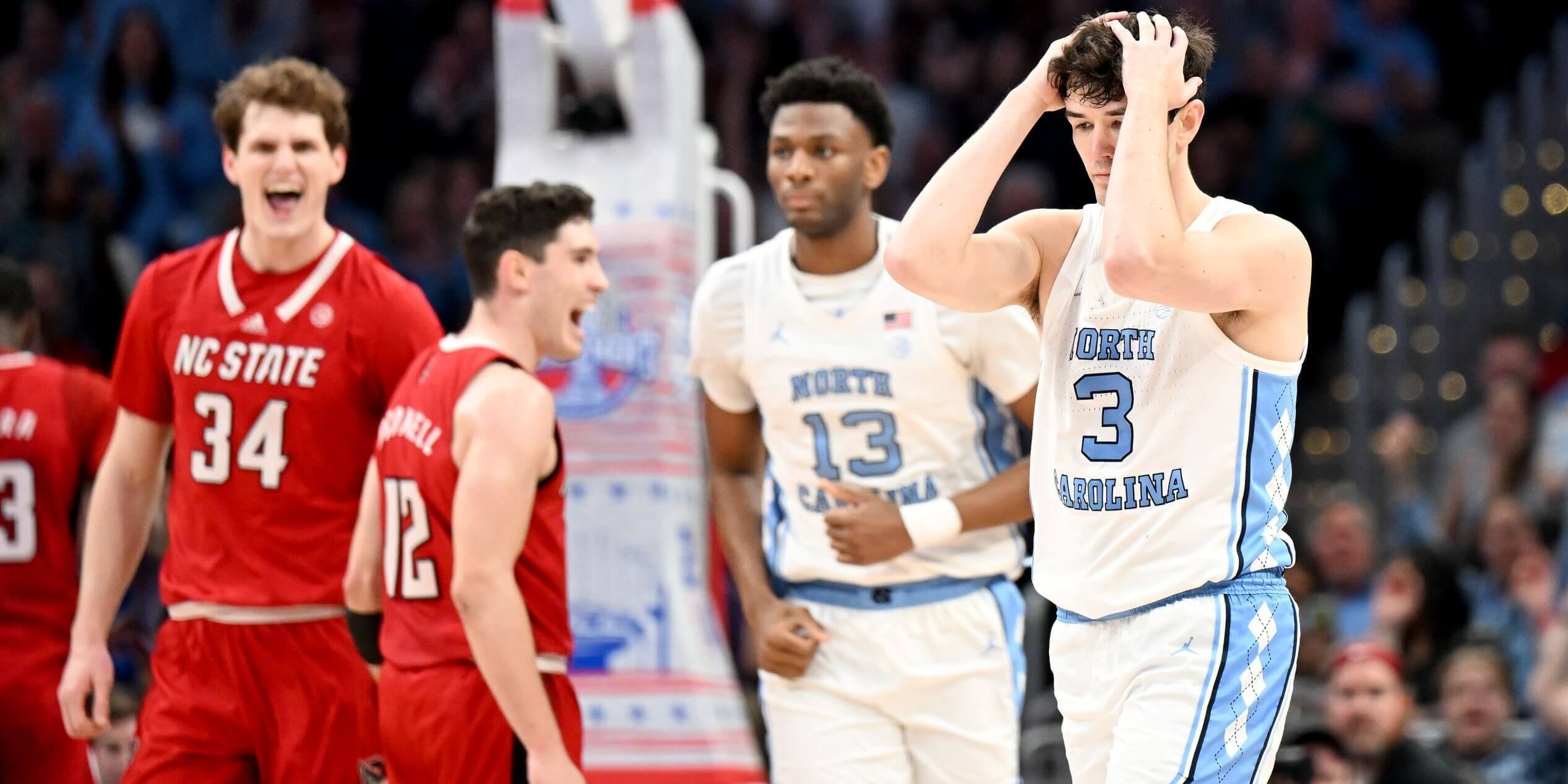
Why it’s here: This series once sat alongside Carolina-Duke as the ACC’s premier rivalry. NC State and North Carolina have played 41 games as ranked opponents, 37 of which came before 1990. Each one has upset the other as a No. 1 squad. In the early 1970s, NC State won eight straight ranked matchups, but since then, the Tar Heels are 18-3 in ranked games in the series.
Biggest game: In 1983, unranked NC State and No. 5 North Carolina faced off in an ACC tournament semifinal that the Wolfpack had to win for any chance at the NCAA Tournament. North Carolina led by six points with two minutes left in overtime, but the Wolfpack put together a furious 15-2 run to win 91-84 and advance to the final. NC State upset Virginia for the ACC’s automatic bid, then won six straight NCAA Tournament games to cap the most improbable championship run in college basketball history.
Photo:
Greg Fiume / Getty Images
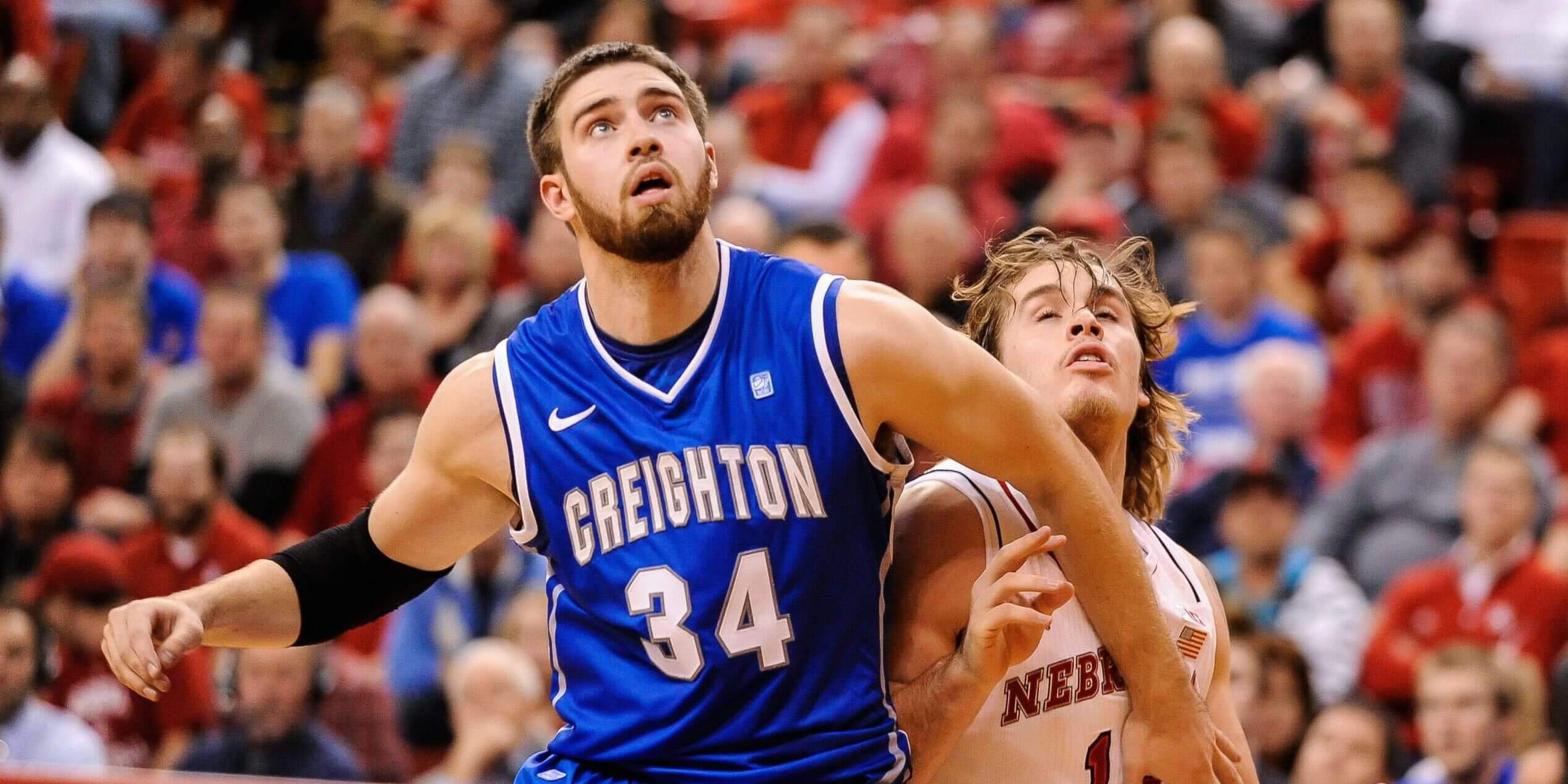
Why it’s here: Only 60 miles of six-lane Interstate 80 separate the state’s two high-major basketball programs. Thanks to Creighton’s on-court success, there are crossover fans in Nebraska who support Huskers football in the fall and Bluejays basketball in the winter. But some of that has changed thanks to Nebraska’s recent surge on the hardwood.
Since 1977, the teams have played every season, usually in November or December, but in 14 of the last 15 years the outcome was decided by double figures. Twice they met in the NIT, with Nebraska winning both by a combined three points. Coincidentally, Nebraska coach Fred Hoiberg once succeeded Creighton coach Greg McDermott at Iowa State after McDermott left Ames for Omaha.
Biggest game: In 1984, the teams met in the NIT’s first round in Omaha and Nebraska center Dave Hoppen tied the score on a bucket with 12 seconds left. Creighton center Benoit Benjamin took the ball, slammed it to the floor and was issued a technical. Nebraska hit two free throws to pull out a 56-54 victory.
Photo:
Eric Francis / Getty Images
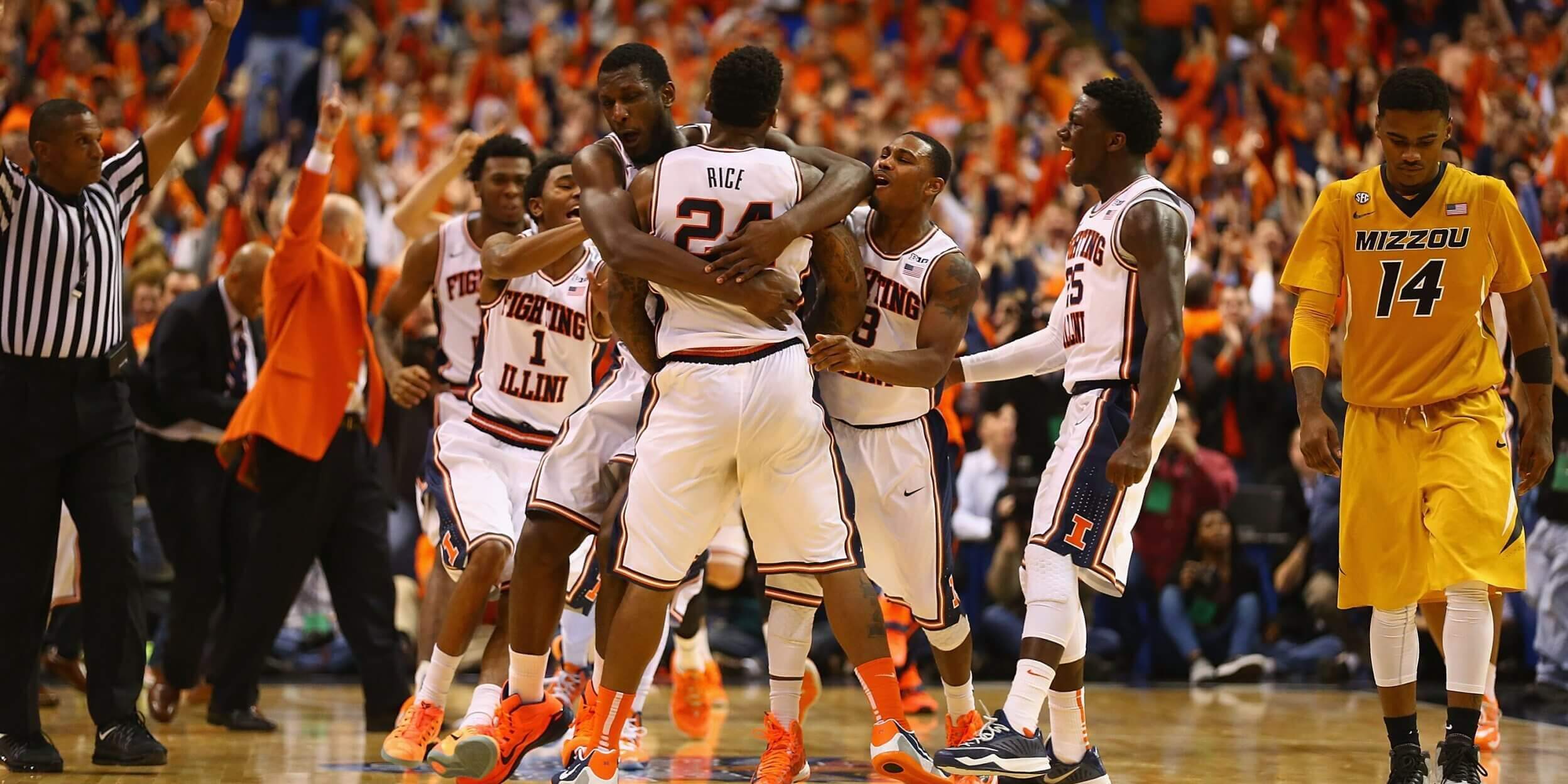
Why it’s here: Known as the “Braggin’ Rights” game, these border foes meet in St. Louis, which is nearly halfway between the campuses, usually the week before Christmas. They have played annually (save for 1982) since 1977, and some of their most memorable games took place in the late 1980s and early 1990s when both were regular national title contenders.
Biggest game: In their first meeting as ranked opponents on Dec. 19, 1988, No. 10 Missouri led No. 5 Illinois by 18 points only for the Illini to storm back and take the lead with 11:15 left. The rest of the game was back-and-forth with All-Americans on both sides hitting big shots. Kenny Battle, who led all scorers with 28 points, put Illinois up 87-84 on a free throw, but the outcome wasn’t decided until Mizzou forward Doug Smith’s 3-point attempt bounced off the backboard and the rim.
Photo:
Dilip Vishwanat / Getty Images
Why it’s here: From 1936 until 1970, Iowa refused to play Iowa State in all sports, including basketball. But once the rivalry resumed that year, the Cy-Hawk has developed into one of the most competitive series in college basketball and a litmus test for both programs and their leagues, though Iowa and Iowa State have met only twice as ranked foes. Since 1984, the longest winning streak for either program over the other is three games.
Biggest game: The first ranked Cy-Hawk battle also was its best. In 1987, Iowa State forward Lafester Rhodes was unguardable against an Iowa lineup consisting of five future first- or second-round NBA Draft picks. Rhodes scored a still-standing school-record 54 points to lift No. 20 Iowa State over No. 7 Iowa 102-100 in overtime.
Photo:
Matthew Holst / Getty Images
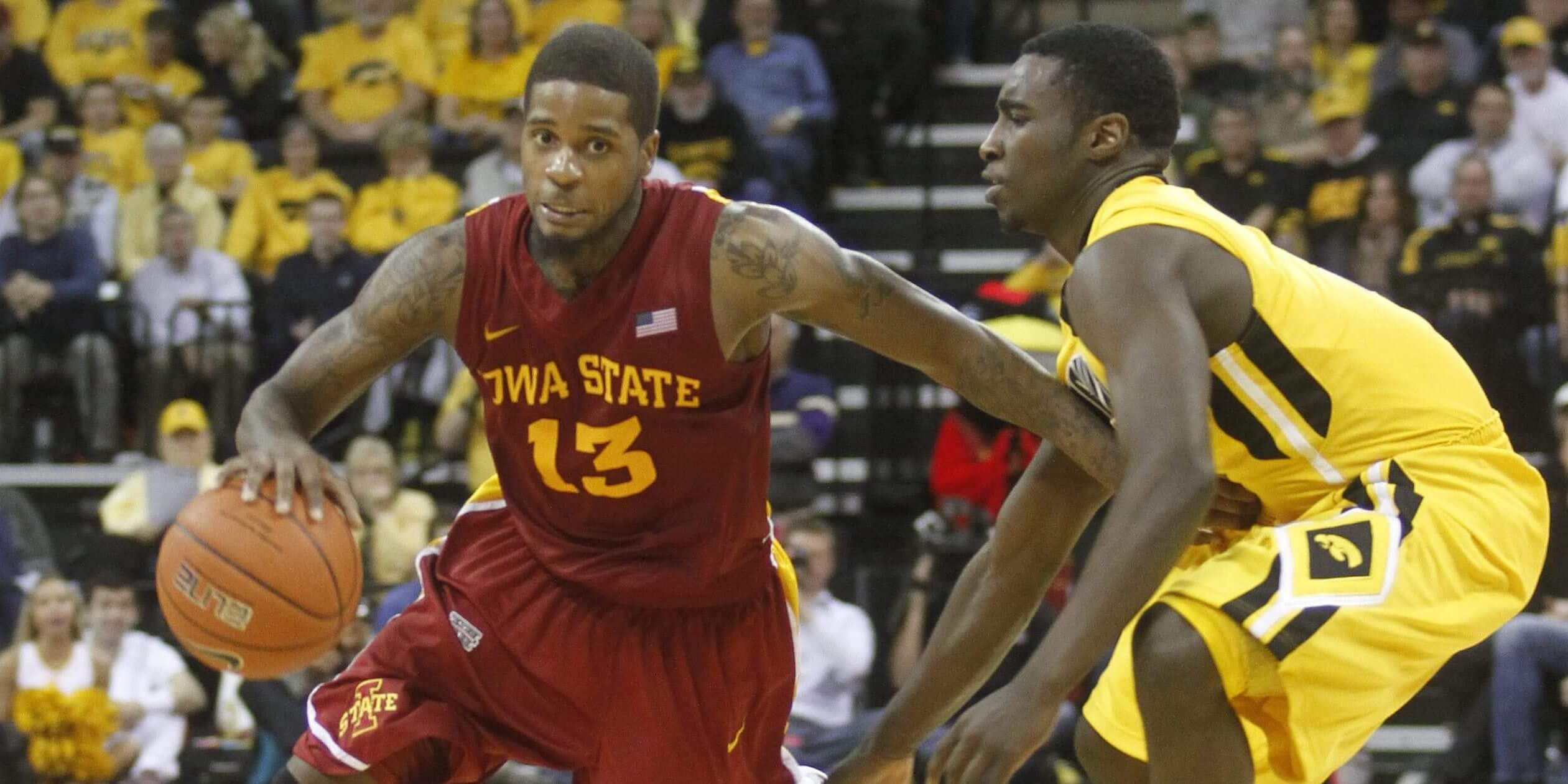
Why it’s here: Outside of a four-year stretch in the mid-1950s, the Golden Eagles and Badgers have played every season since 1930. It has become one of the more highly anticipated early-season in-state rivalry games with sellouts common both in Madison and Milwaukee.
The series has ramped up in importance over the last 25 years as both programs have made trips to the Final Four. They’ve met five times as ranked opponents, including four since 2003. One not in that category took place in 2018 when Marquette’s Markus Howard scored 27 points to best a 34-point, 11-rebound performance from Wisconsin’s Ethan Happ in an overtime win. Overall, the teams have split their last 56 meetings.
Biggest game: The highest-ranked matchup in series history took place in 2024, and No. 11 Wisconsin led No. 5 Marquette at halftime. Fueled by Kam Jones’ 32 points, the Eagles rallied to end a three-game losing streak to the Badgers with a decisive 88-74 win.
Photo:
Stacy Revere/Getty Images
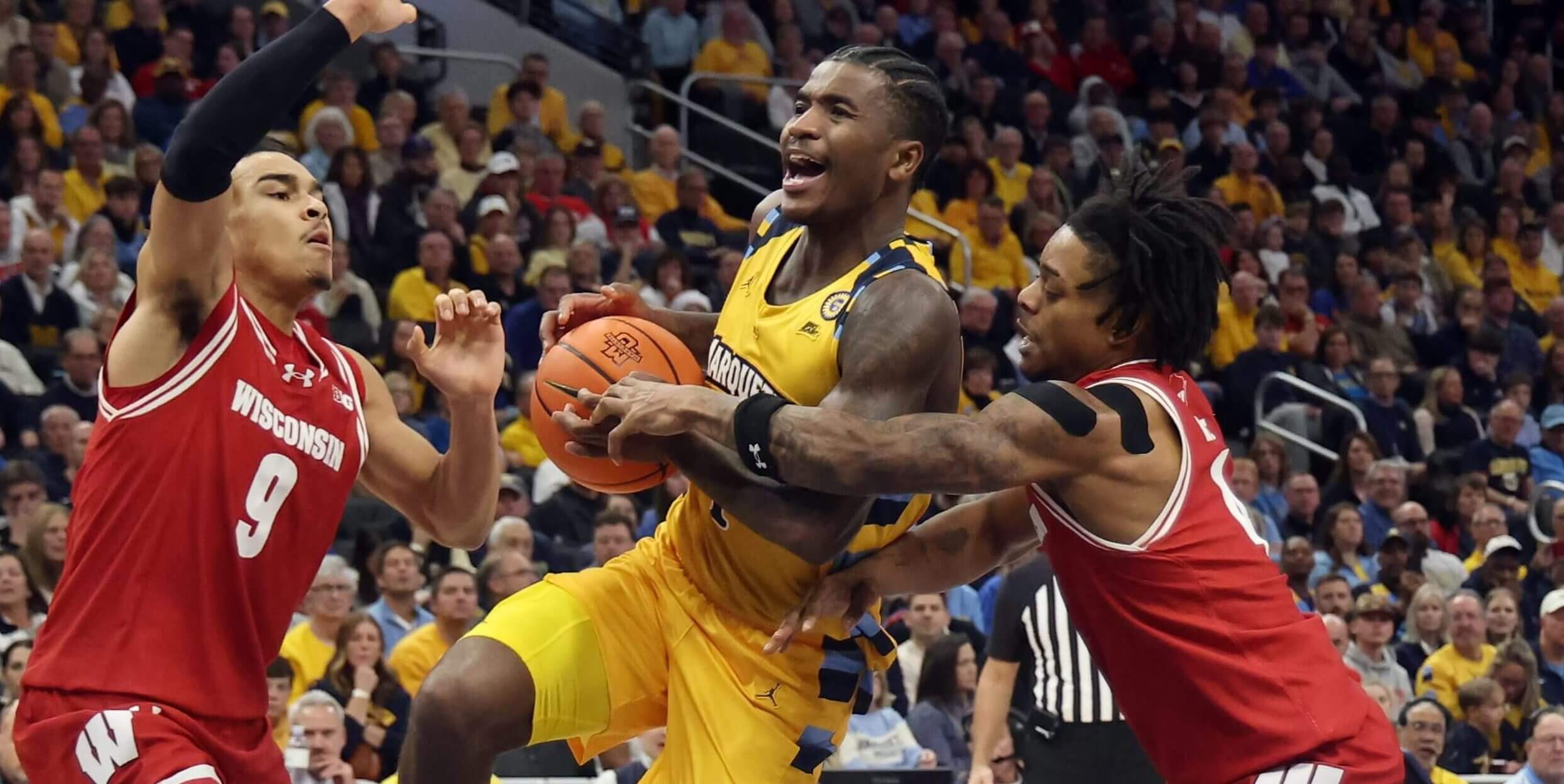
Why it’s here: The basketball version of Bedlam remains an annual affair, two seasons after the Sooners left the Big 12 for the SEC. The in-state rivals have played 99 consecutive years, the last two as nonconference opponents in Oklahoma City.
Both programs have enjoyed competitive spikes. In 2002, the No. 6 Sooners edged the No. 9 Cowboys in Norman, and two weeks later, No. 16 Oklahoma State evened the season series with a 79-72 overtime win against No. 4 Oklahoma. Both teams qualified for the NCAA Tournament that year, and OU reached the Final Four. They’ve played 15 games as ranked foes, with the Sooners leading 8-7.
Biggest game: Bedlam’s final Big 12 edition in 2024 produced the first buzzer beater in the rivalry’s history. Oklahoma State led by eight at halftime, and the Sooners rallied to send the game into overtime. With the Cowboys holding a one-point lead, Oklahoma’s Javian McCollum hit a step-back 3 as time expired to give the Sooners an 84-82 victory.
Photo:
Joshua Gateley / Getty Images
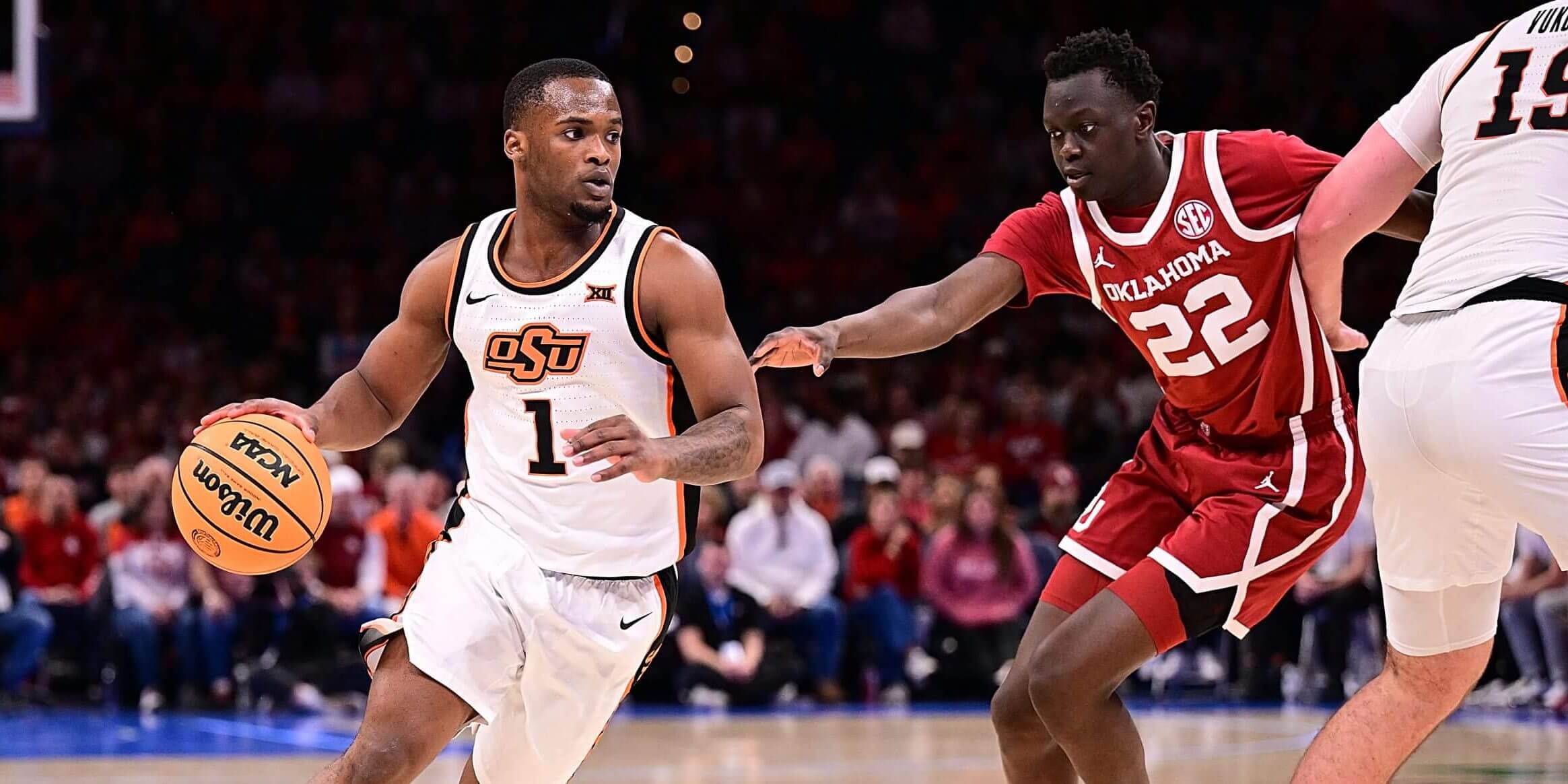
Why it’s here: Kansas has become the Big 12’s standard bearer. Iowa State is the one program that challenges the Jayhawks with regularity. With their raucous home environments, this series becomes must-see TV when both programs are good.
For as competitive as this rivalry can be, Kansas is almost unbeatable in Lawrence. The Jayhawks are 100-16 at home against the Cyclones. Earlier this season at Allen Fieldhouse, unranked Kansas handed No. 2 Iowa State its first loss. Then the Cyclones blew out the No. 9 Jayhawks at Hilton Coliseum. The teams have split their 12 meetings in the Big Eight/Big 12 tournament and played 17 more times as part of the Big Eight Holiday Tournament. They’ve played 29 times as ranked opponents, and the Jayhawks have won 16.
Biggest game: In 2015, Kansas and Iowa State met three times as top-13 opponents and split their first two matchups. They faced off in Kansas City for the Big 12 tournament title, and the regular-season champion Jayhawks led by 17 points early after halftime, but behind tournament MVP Georges Niang, the Cyclones rallied for a 70-66 victory.
Photo:
Jamie Squire / Getty Images
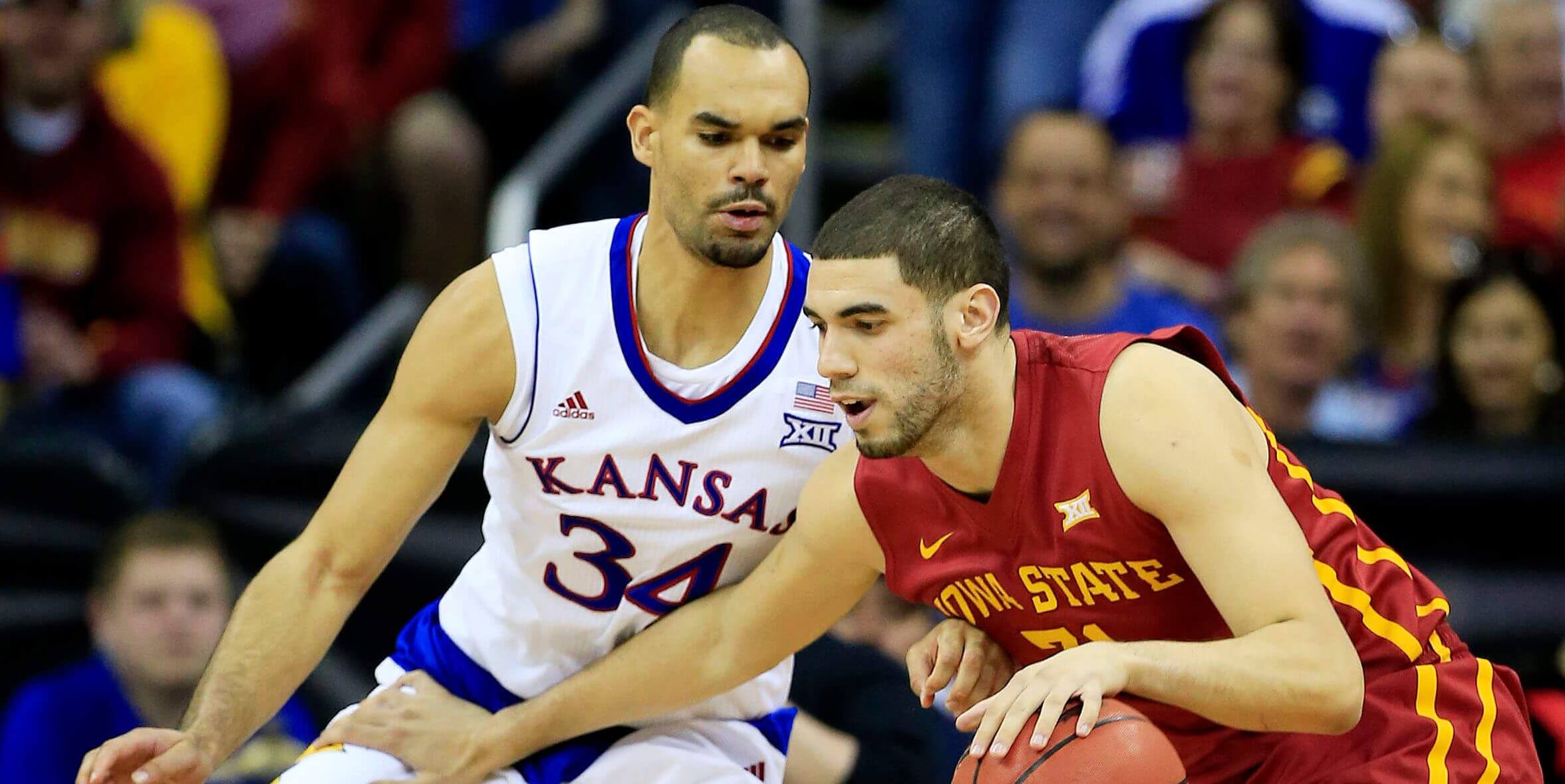
Why it’s here: Like in football, the basketball version of the “Holy War” is one of the closest competitive rivalries. They’ve battled against one another in six different conferences, including the last two seasons as part of the Big 12.
When the Utes played in the Pac-12 and BYU was in the West Coast Conference, Utah coach Larry Krystkowiak chose to cancel the 2016 game after a Utes player was punched during their 2015 matchup. For three consecutive seasons in the mid-1980s, the rivals played at least into double overtime on BYU’s campus, including twice into triple overtime.
Biggest game: In front of the largest crowd ever at the Huntsman Center, No. 11 Utah and No. 23 BYU met with both at 14-1 in the Western Athletic Conference on Feb. 27, 1993. The Utes never trailed, but they never pulled away, either. Phil Dixon’s 28 points helped Utah outpace the Cougars in an 89-83 win.
Photo:
Chris Gardner / Getty Images
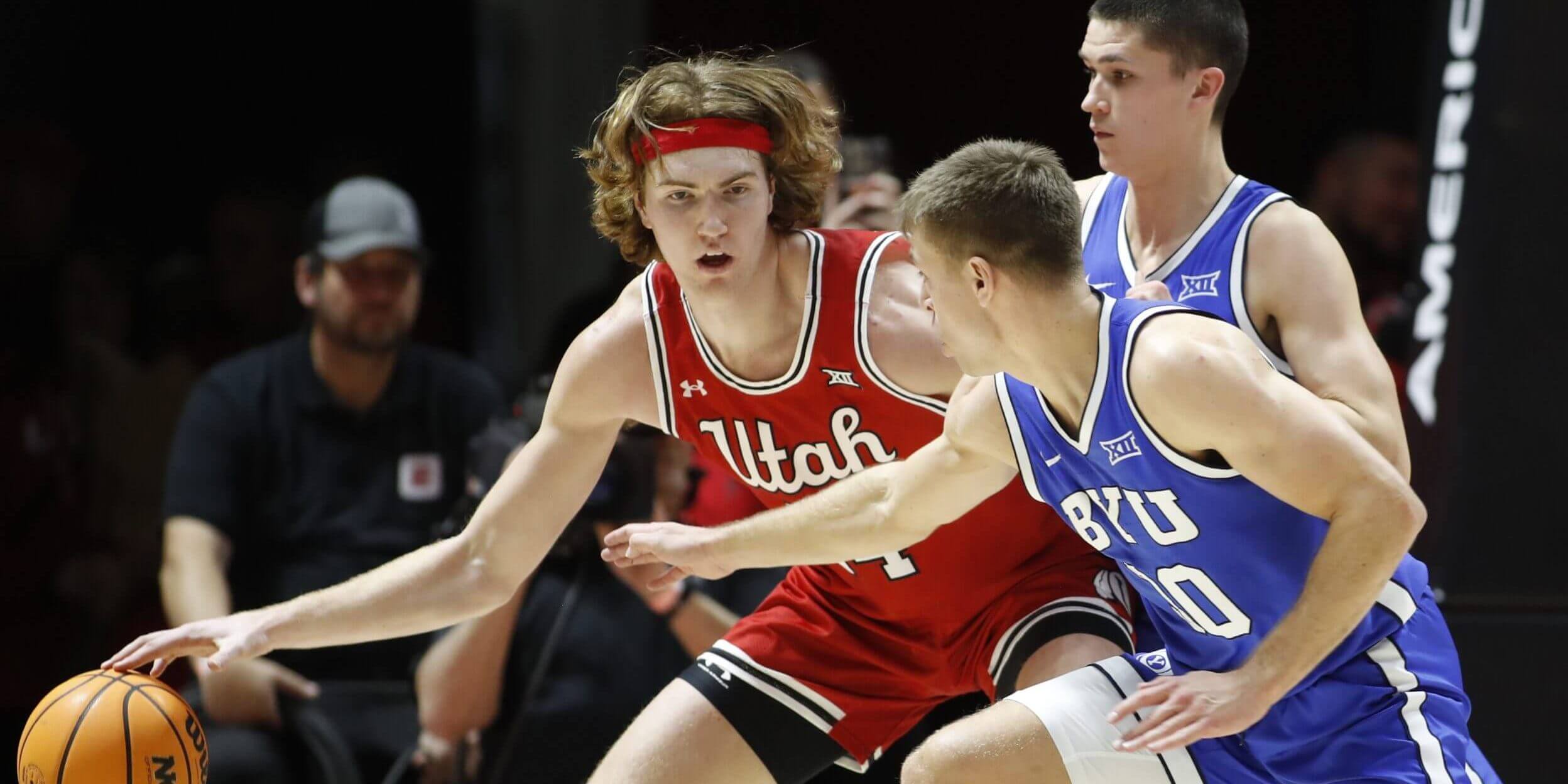
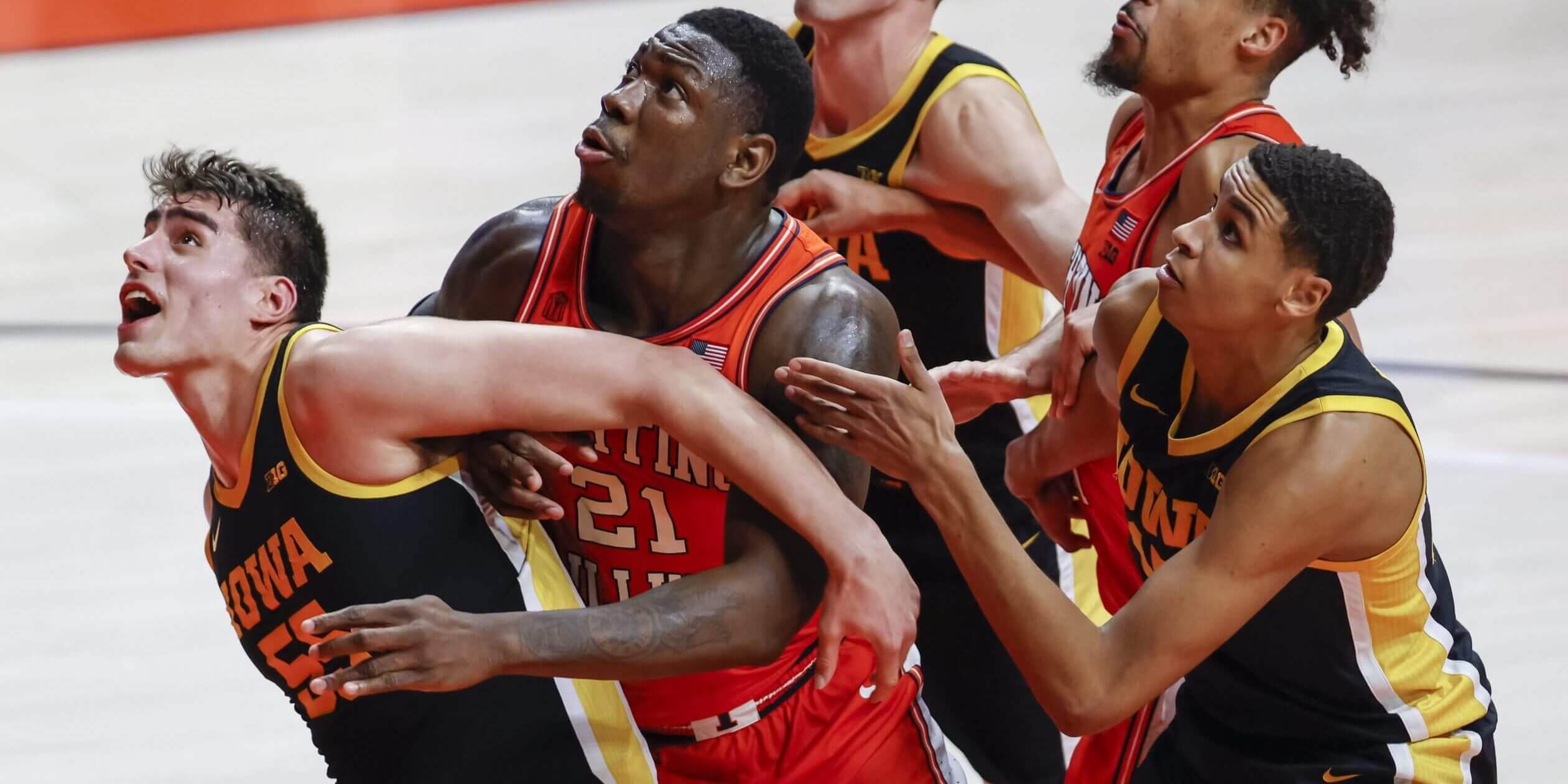
Why it’s here: Welcome to the Big Ten’s version of the Hatfields and McCoys. The teams first met on Valentine’s Day, but there’s never been any love between the programs. The 1980s and 1990s featured fights between players in Maui hotel rooms and coaches Lou Henson and Tom Davis refusing to shake hands. When both programs are good, the intensity skyrockets.
The seminal moment in this feud took place in the late 1980s when Iowa assistant Bruce Pearl recorded a phone conversation with Chicagoland star Deon Thomas ambiguously “uh-huh-ing” to receiving $75,000 and a Chevy Blazer offered by Illinois assistant Jimmy Collins, then sent the tape to the NCAA. Although Illinois was not sanctioned for that incident, it picked up a tournament ban for other irregularities. The controversy led to some of the most vicious environments in basketball.
Biggest game: No. 9 Iowa had won two straight since the tragic passing of forward Chris Street when it visited unranked Illinois on Feb. 4, 1993. Iowa took a two-point lead with 1.5 seconds left when a ball caromed off center Acie Earl and into the net. Taking the ball from under his hoop, Illinois guard T.J. Wheeler tossed a full-length baseball pass to forward Andy Kaufmann, who drilled a 3-pointer for the win, sending the entire Assembly Hall crowd to the court within seconds.
Photo:
Michael Hickey / Getty Images
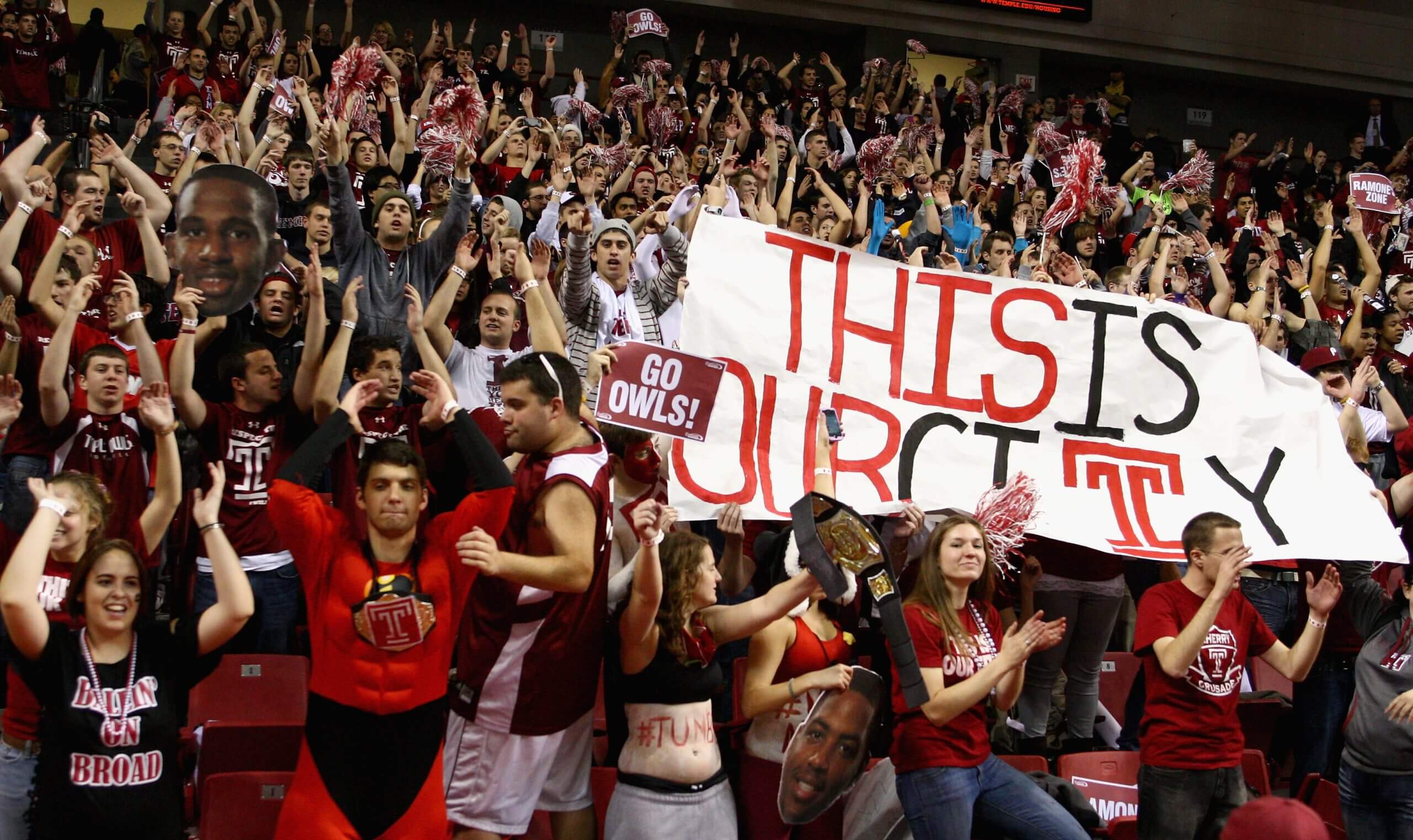
Why it’s here: On Nov. 23, 1954, Philadelphia’s five major men’s basketball programs (Villanova, Penn, La Salle, Temple and Saint Joseph’s) pledged to play one another in a round-robin each year. All of the games would be played at Penn’s 8,000-seat Palestra, and the schools would share the proceeds equally. A statement read, “It is anticipated that the Palestra will become the center of intercollegiate basketball in the East.” For nearly 40 years, it was.
As a collection of teams in different conferences — only Saint Joseph’s and La Salle compete in the same league — the Big 5 was a unique arrangement. By the late 1980s, Villanova and Temple had become nationally recognized programs and preferred to play games on campus. In recent years, the group has added Drexel, and the six schools compete in two pods consisting of three teams that play round-robins on campus. Then the teams play a tripleheader of crossover pod games at Philadelphia’s Wells Fargo Center.
Biggest game: It’s nearly impossible to select one game among so many teams, so we’ll highlight a year instead. In 1971, Villanova, Saint Joseph’s and Penn all qualified for the 25-team NCAA Tournament. Penn was unbeaten and swept through the Big 5 and Ivy League, while Saint Joseph’s won the Middle Atlantic Conference and Villanova earned a bid as an independent. In the NCAA first round at the Palestra, Villanova toppled Saint Joe’s for the second time that season. Villanova then ousted Fordham in the Sweet 16, while Penn beat both Duquesne and South Carolina to set up an all-Philly regional final. In one of the most shocking outcomes in NCAA history, Villanova throttled Penn 90-47 to advance to the Final Four. The Wildcats reached the national title game before losing to UCLA. Villanova’s run was later vacated by the NCAA when a player was discovered to have signed with an agent before the tournament.
Photo:
Chris Chambers / Getty Images
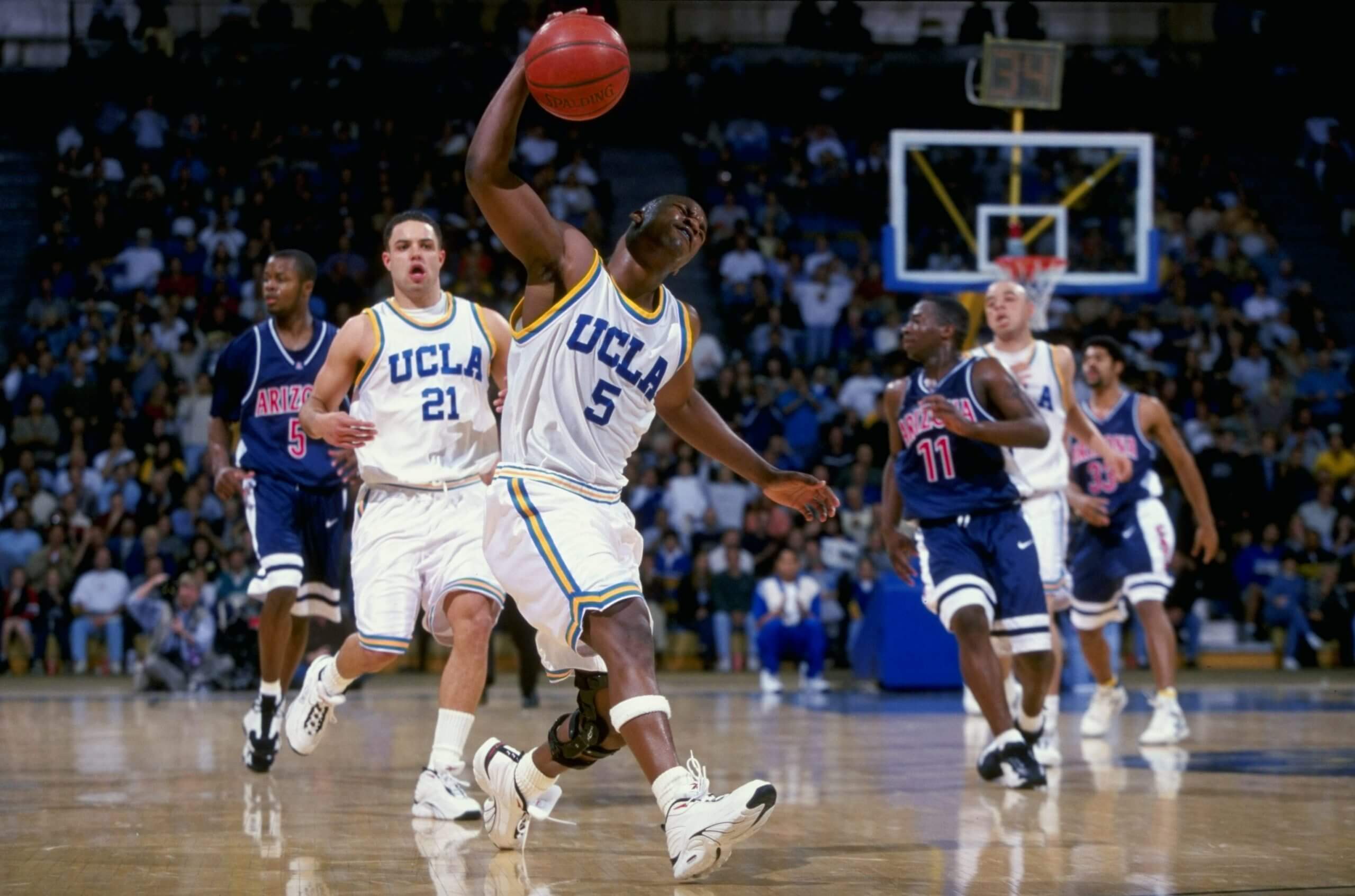
Why it’s here: Few people expected that this series would become the best rivalry in the Pac-10 (and later Pac-12) when Arizona joined the league in 1978. Yet from that expansion until both programs’ Pac-12 departures, they combined for 29 league titles (and never tied with one another) and both won NCAA championships.
UCLA upended Arizona 82-66 in the 1976 Elite Eight, but the series took off when the Wildcats lured Lute Olsen out of Iowa in 1983. On Jan. 11, 1992, No. 2 UCLA edged No. 6 Arizona 89-87 in Tucson to end the Wildcats’ 71-game home winning streak. Following UCLA’s jump to the Big Ten and Arizona’s move to the Big 12, the teams scheduled three nonconference matchups at neutral sites.
Biggest game: In the Pac-12’s penultimate season of 2022-23, UCLA and Arizona played three times, all top-11 showdowns. In the Pac-12 tournament final, No. 8 Arizona led No. 2 UCLA by 2 with 5.8 seconds left. The Bruins went the length of the floor, but Dylan Andrews’ open 3-point attempt bounced off the rim for a 61-59 Arizona win.
Photo:
John Ferry / Allsport
Why it’s here: Only three miles separate the campuses in one of the sport’s most heated — and evenly matched — nonconference rivalries. The teams shifted their series off campus (rather than suspend it) to U.S. Bank Arena in 2012 and 2013 after a benches-clearing brawl in 2011 with 9.4 seconds left.
Biggest game: Top-ranked Cincinnati entered its 1996 Crosstown Shootout as a 17.5-point home favorite, but that didn’t faze the Musketeers, who battled to a draw with 6.7 seconds left. A Bearcats turnover gave Xavier one last shot at an upset, and guard Lenny Brown drilled a 10-foot jumper as time expired for a 71-69 win. For good measure, unranked Xavier repeated the feat over No. 1 Cincinnati in 1999.
Photo:
Joe Robbins / Getty Images
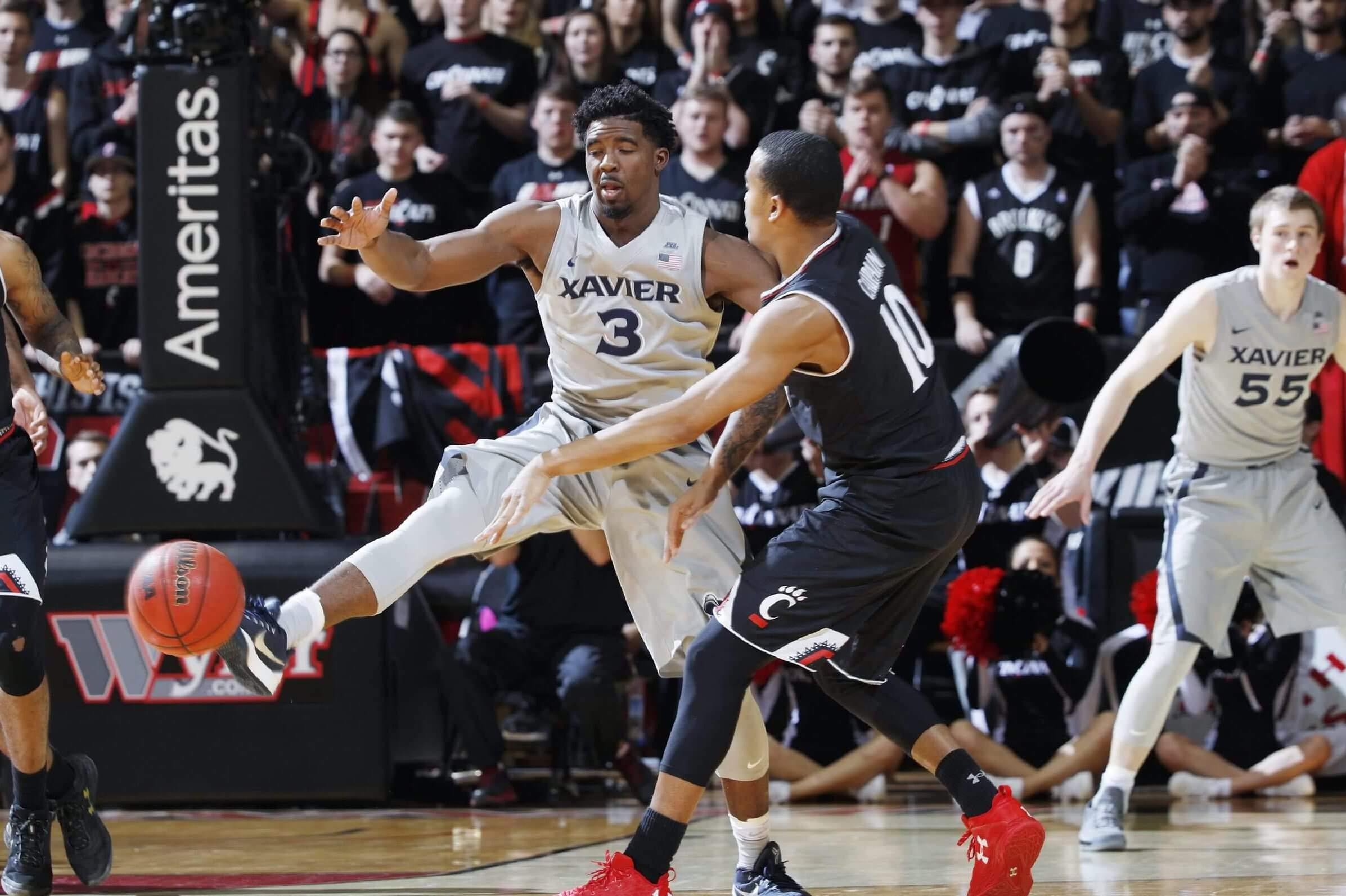
Why it’s here: With only 175 miles separating two basketball-mad campuses, this became a natural pairing of superpowers that engrossed two massive fan bases. Once considered the preeminent nonconference hoops rivalry, Indiana and Kentucky played every season from 1969-70 until 2011-12. In 1971, Bob Knight won his rivalry debut 90-89 in double overtime against Adolph Rupp, who was in his final season. In one of the most dramatic college basketball moments of the century, Indiana’s Christian Watford buried a 3-pointer at the buzzer to shock No. 1 Kentucky 73-72 in 2011. But after that season, the sides couldn’t agree on whether to play on-campus or at neutral sites, so they parted ways until 2025, when a new four-game series began.
Biggest game: In 1975, top-ranked Indiana was unbeaten entering the regional final against No. 5 Kentucky. The Hoosiers had rolled the Wildcats 98-74 earlier in the season, but despite a 33-point, 22-rebound performance from Indiana’s Kent Benson, the No. 5 Wildcats prevailed 92-90, dealing Indiana its only loss over a two-year period.
Photo:
Kevin C. Cox / Getty Images
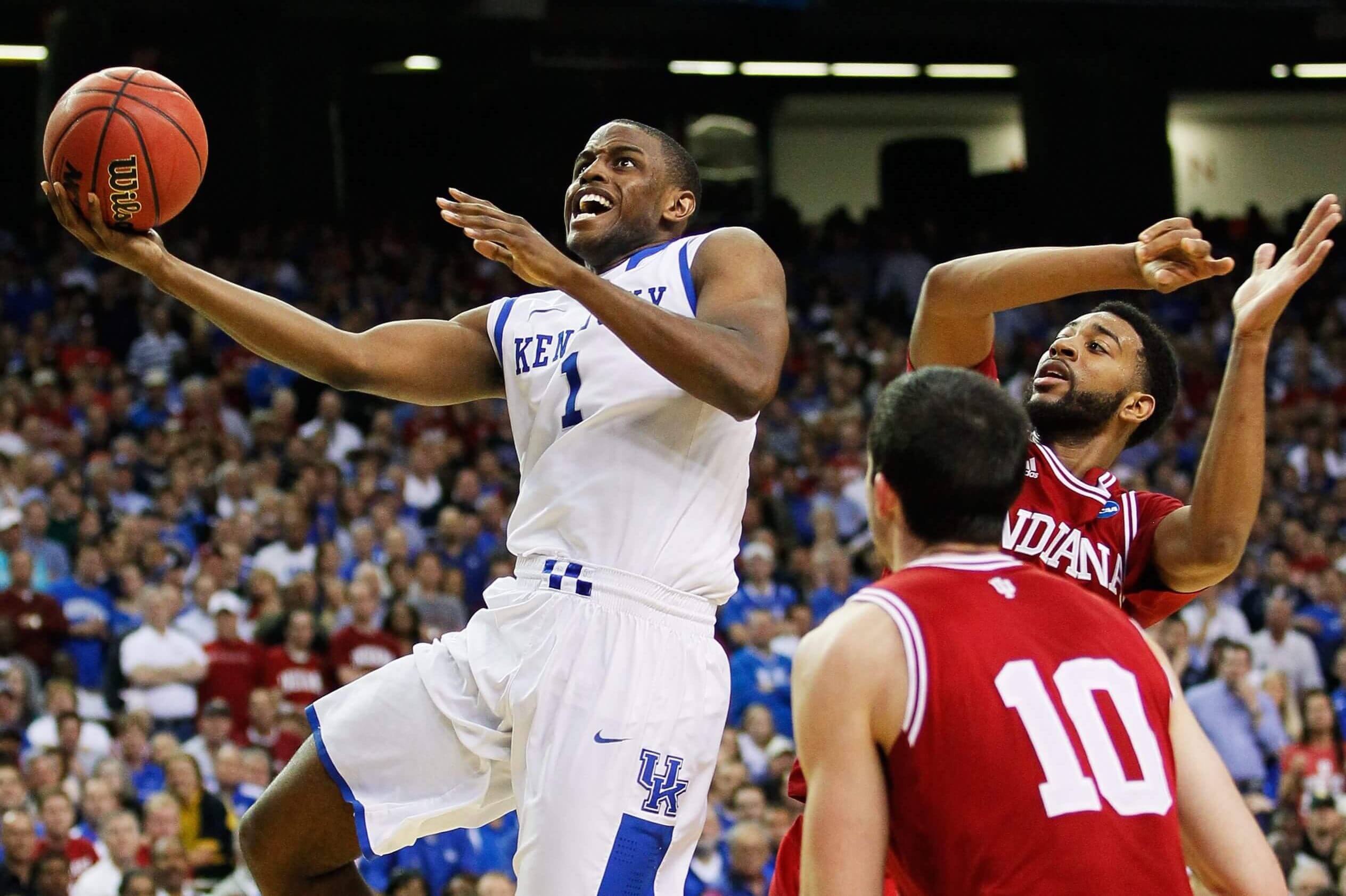
Why it’s here: There are rivalries of codependence and hatred, and then there is Kansas-Missouri. Legendary Missouri coach Norm Stewart notoriously refused to spend a dime in Kansas. The Tigers would have shootarounds at Allen Fieldhouse, then drive across the Missouri River to stay in Missouri hotels. Missouri’s “Antlers” are merciless in riling up their archrivals, and Kansas fans are equally as vicious. The games matter, too. It’s the 13th most-played rivalry, and they’ve met 18 times as ranked foes, with Kansas winning 10. But when the Jayhawks are ranked No. 1 at tipoff, the Tigers own a 3-1 lead, including a win in a No. 1 vs. No. 2 battle in 1990.
Kansas refused to play Missouri following the 2012 season when the Tigers left for the SEC, but the Jayhawks relented with a charity exhibition game in 2017. It sold out. The series resumed with nonconference games starting in 2021.
Biggest game: On Feb. 25, 2012, the teams faced off for the final time as conference foes in Lawrence. No. 3 Missouri built a 19-point second-half lead, but the No. 4 Jayhawks responded with a furious rally and sent the game into overtime when Thomas Robinson blocked Phil Pressey’s shot (or a foul was not called, depending on your perspective) at the buzzer. Kansas won 87-86 in overtime to cap the greatest comeback in program history.
Photo:
Ed Zurga / Getty Images
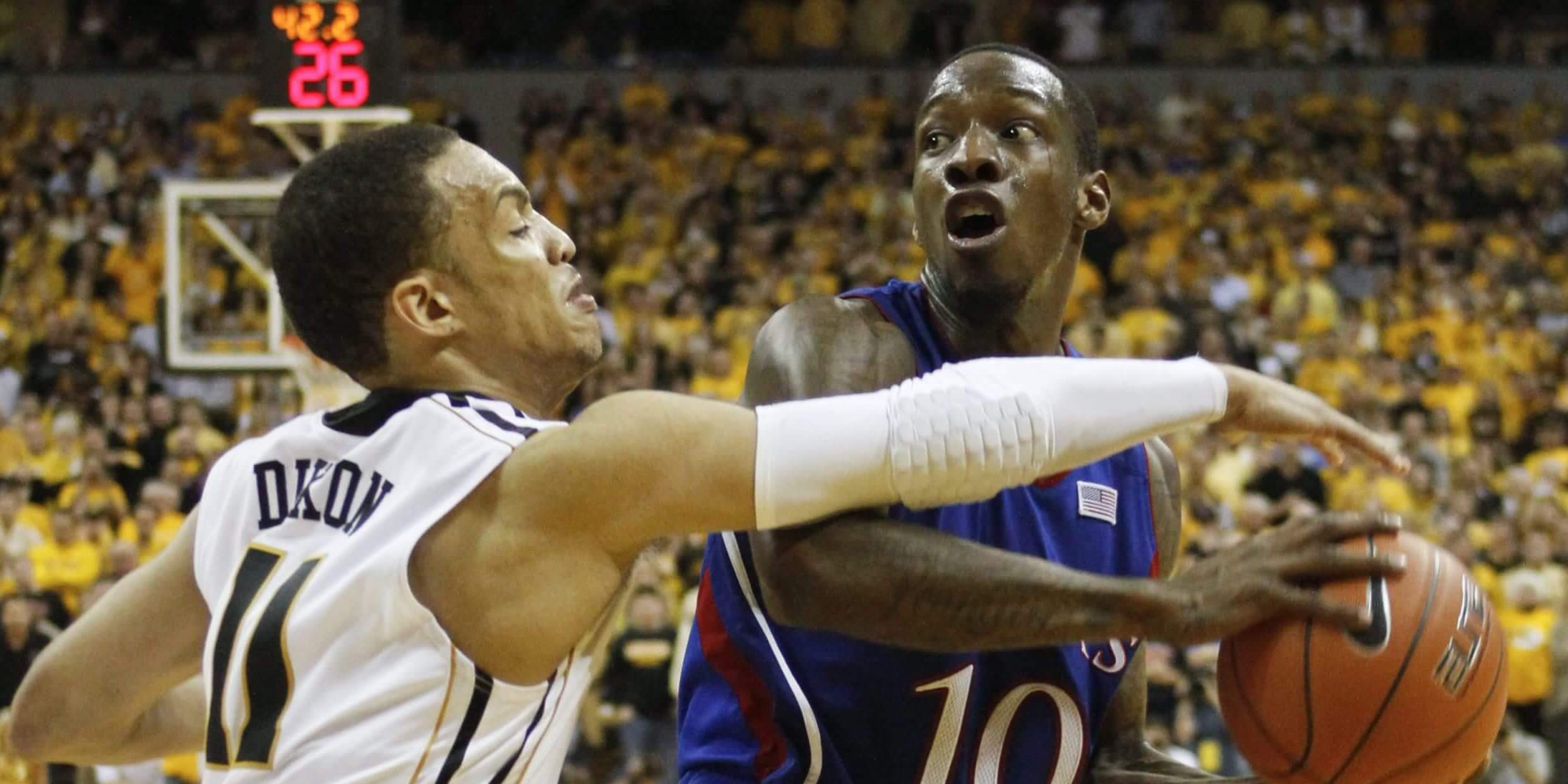
Why it’s here: The Big East, formed as a northeast super league in 1979, elevated college basketball’s national profile with help from fledgling cable network ESPN. The conference’s signature rivalry had Syracuse coach Jim Boeheim on one bench and Georgetown’s John Thompson on the other. Although it has depreciated since Syracuse left for the ACC in 2012, it still has enough history to justify a top-five spot.
These programs were merely opponents in a new conference until the Hoyas upset No. 3 Syracuse in the final home game before the Orange moved to the Carrier Dome, after which Thompson famously said, “Manley Field House is officially closed.” Then, the rivalry was on. Syracuse or Georgetown won a regular-season or tournament conference crown in 12 of the Big East’s first 13 years. In 1989, the foes played three top-10 battles, and the final two were top-five matchups. When Syracuse moved to the ACC, the teams scheduled each other in 10 consecutive seasons as nonconference opponents but did not meet this year.
Biggest game: In the 1984 Big East tournament final at Madison Square Garden, Syracuse guard Dwayne “Pearl” Washington and Georgetown center Patrick Ewing each scored 27 points in a back-and-forth duel won by the Hoyas in overtime. Late in the second half, Georgetown’s Michael Hawkins threw a punch and initially was ejected, only for the officials to trim it to a common foul. Boeheim exploded in a postgame rant, saying, “The refs purely and simply took the game away from us.” Georgetown ultimately won the national title.
Photo:
Jim McIsaac / Getty Images
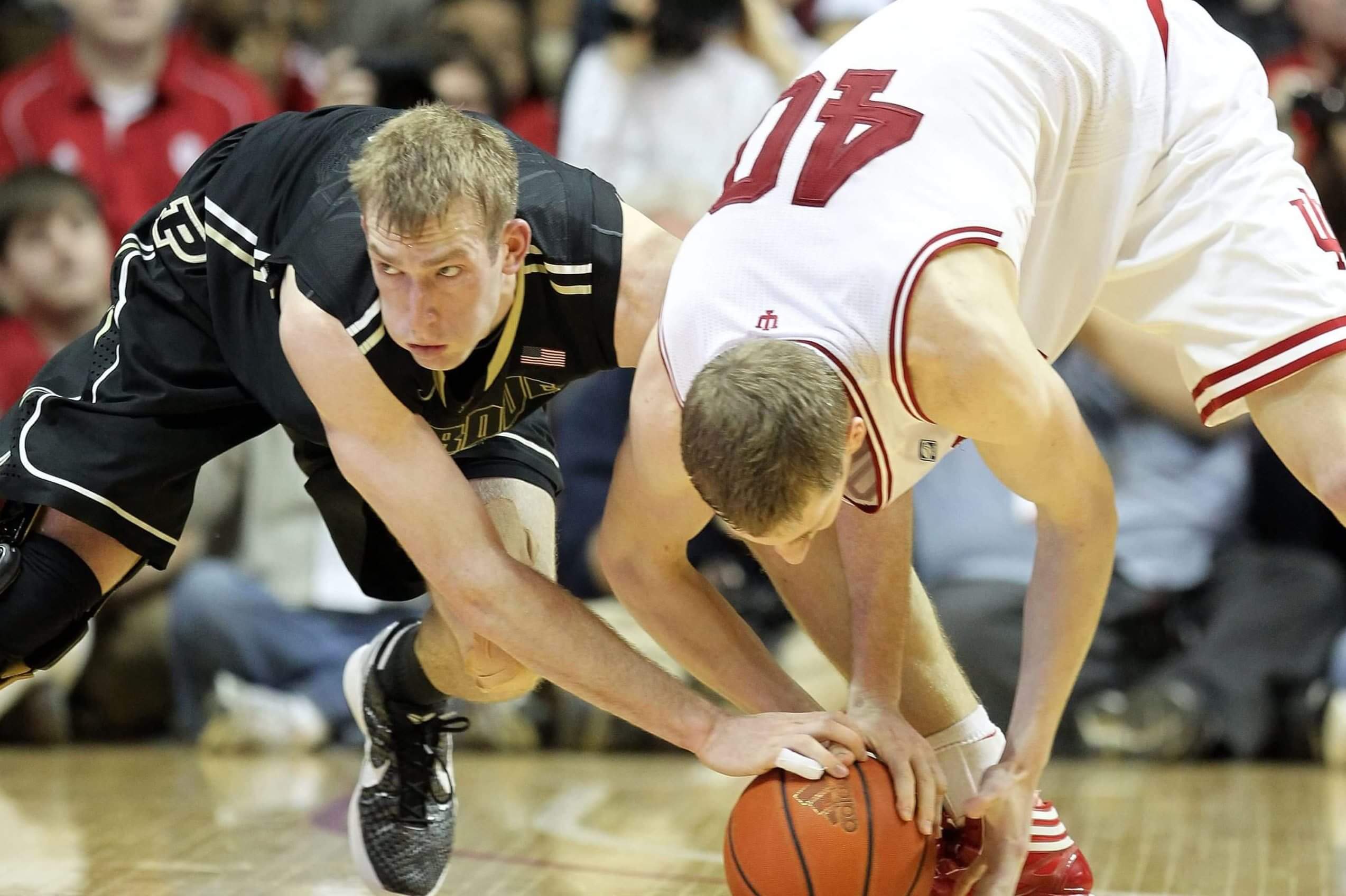
Why it’s here: No state appreciates basketball at every level more than Indiana, and the Hoosiers-Boilermakers men’s basketball rivalry is often the state’s most important winter sporting event. Only 100 miles separate these campuses, and as recently as 2017, they were tied at the top of the Big Ten with 22 conference championships, though Purdue has since won four to take the lead. Indiana, however, has five national title banners while Purdue bears the title of best program without a championship.
They’ve had their share of combustible moments, especially in the 1980s, when Bob Knight guided the Hoosiers against Gene Keady and the Boilermakers. Knight’s infamous launch of a chair across the free-throw line after a technical foul took place against Purdue on Feb. 23, 1985. In 1987, the teams split a pair of top-six battles to tie for the Big Ten championship. Indiana won the NCAA title that year.
Biggest game: The programs have linked up in the NCAA Tournament only once, on March 13, 1980 in the Sweet 16. The Boilermakers, which finished in third place to the Big Ten champion Hoosiers, stormed to a 19-point second-half lead and withstood a late rally to win 76-69 en route to the Final Four.
Photo:
Andy Lyons / Getty Images
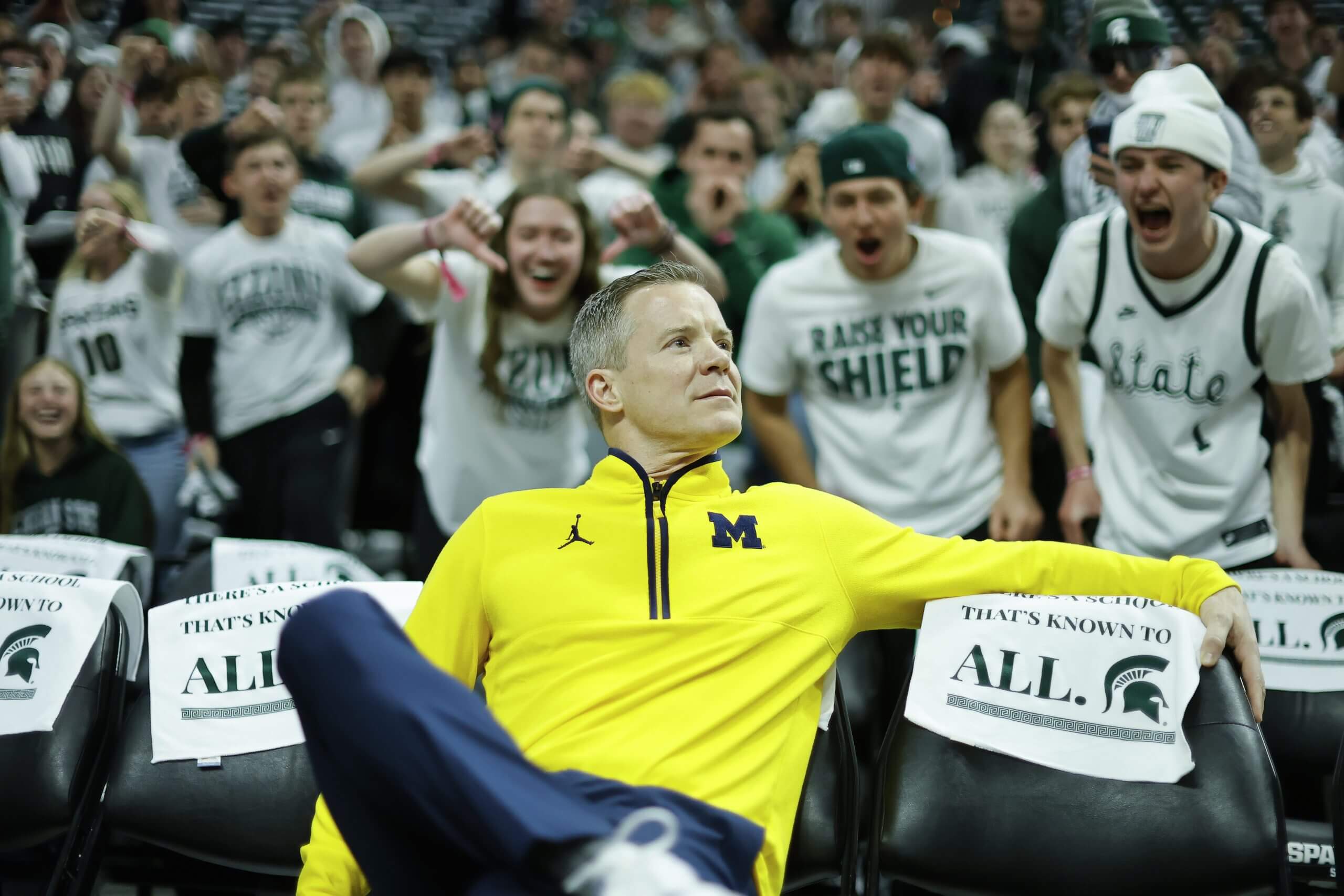
Why it’s here: Michigan-Michigan State has become the Big Ten’s most impactful hoops rivalry, with different dynamics and higher mutual stakes than its football counterpart. These rivals have faced off six times since 2013 as top-10 foes, with Michigan State winning four. Last year, the players were separated at the Breslin Center after Michigan players refused to budge from the center-court logo during a Michigan State senior tradition. Based on a breezy handshake in this season’s first matchup, the Wolverines’ first road win in the series since 2018, there is some real steam between Michigan State’s Tom Izzo and Michigan’s Dusty May.
Biggest game: They played three top-10 matchups in 2019, and the last two were massive: Michigan State won a winner-take-all battle for a regular-season conference title, then beat the Wolverines in the Big Ten tournament final the following week. But this year’s regular-season finale at Ann Arbor could rate as the biggest, with the potential for even bigger battles in March or perhaps early April.
Photo:
Rey Del Rio / Getty Images
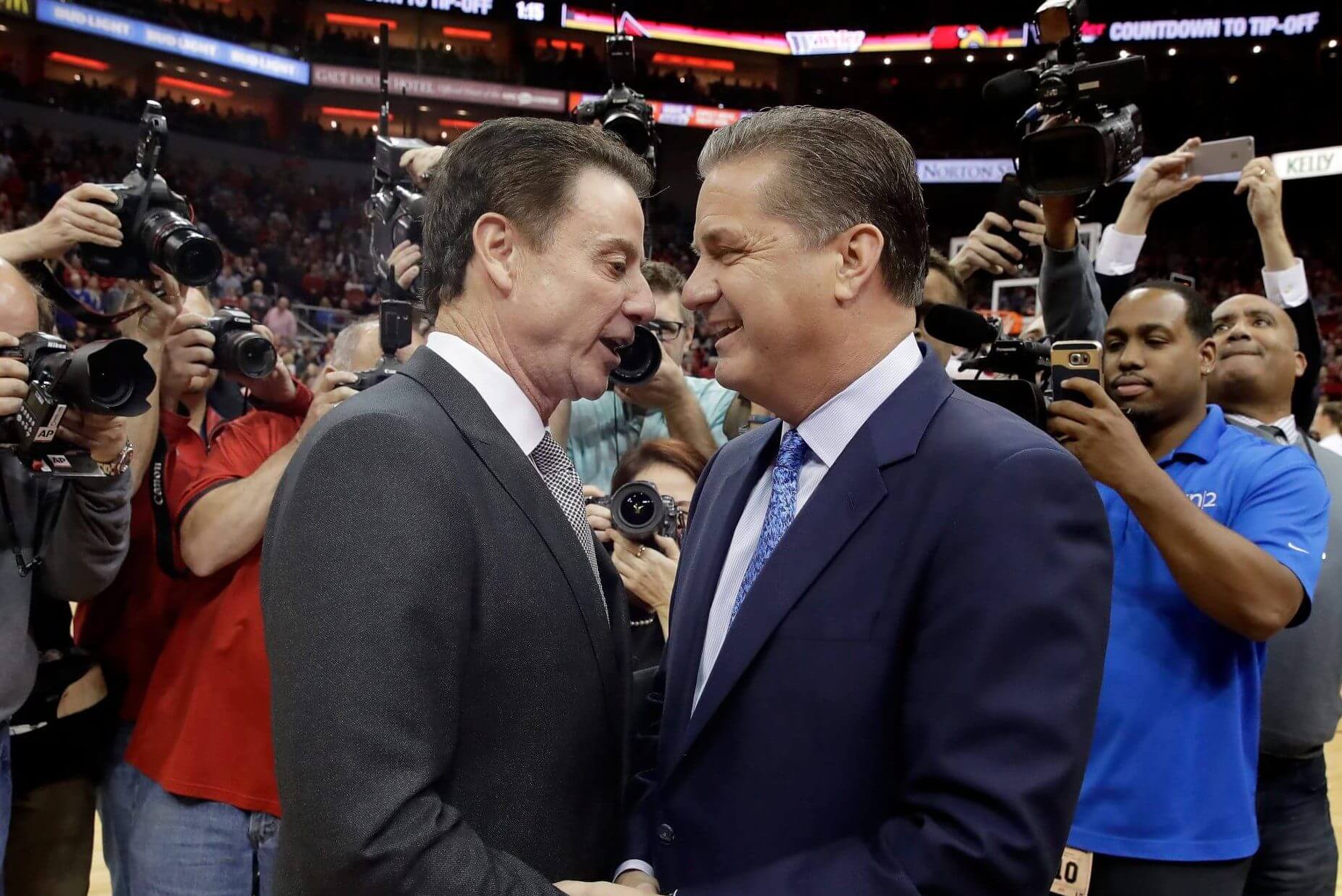
Why it’s here: No rivals have played more meaningful games more often than Kentucky and Louisville. By the time the programs had resurrected their regular-season series after a 61-year hiatus, Kentucky and Louisville had already met four times in the NCAA Tournament.
After the Cardinals toppled the Wildcats in the 1983 Elite Eight, the University of Kentucky Athletic Association ordered UK to drop its opposition to a regular-season game. The sides still quibbled over location, date and even where to hold a news conference, but eventually they tipped off Nov. 26, 1983 in Lexington. They have since added three more NCAA Tournament games against each other. Then there’s Rick Pitino, who led Kentucky to a national title in 1996 and left for the Boston Celtics in 1997 only to become Louisville’s coach in 2001 and lead the Cardinals to the 2013 championship.
Biggest game: It doesn’t get bigger than the Final Four. In 2012, the top-seeded Wildcats withstood a furious second-half rally ignited by Louisville’s Peyton Siva, with All-American forward Anthony Davis’ 18 points and 14 rebounds elevating Kentucky to a 69-61 win in New Orleans. Two days later, Kentucky beat Kansas to win the NCAA title.
Photo:
Andy Lyons / Getty Images
Why it’s here: It’s an 11-mile drive from Duke’s famed Cameron Indoor Stadium to Carolina’s Dean Smith Center, and it’s at least 12 miles from this rivalry to any other on this list.
Over the last five decades, their rivalry has included three of the sport’s most iconic coaches (Duke’s Mike Krzyzewski, North Carolina’s Dean Smith and Roy Williams) plus some of the best players in NCAA history. The Tar Heels and Blue Devils have combined for 11 national titles, 41 Final Four trips, 49 ACC regular-season titles and 38 ACC tournament championships. But this rivalry is shaped by their games against one another. They’ve played 49 times as top-10 opponents — the Tar Heels lead 25-24 — and one of the teams has been ranked No. 1 in 28 matchups, with Carolina owning an 8-1 mark as No. 1 and Duke going 11-8.
Biggest game: The rivals surprisingly had never met in the NCAA Tournament until their 2022 Final Four matchup in New Orleans. In what would be the final game of Krzyzewski’s career, unranked North Carolina upset No. 9 Duke 81-77 in a battle of 12 ties and 18 lead changes. Caleb Love’s 28 points, including a late 3, pushed the Tar Heels to their most important win in college basketball’s greatest rivalry.
Photo:
Streeter Lecka / Getty Images