
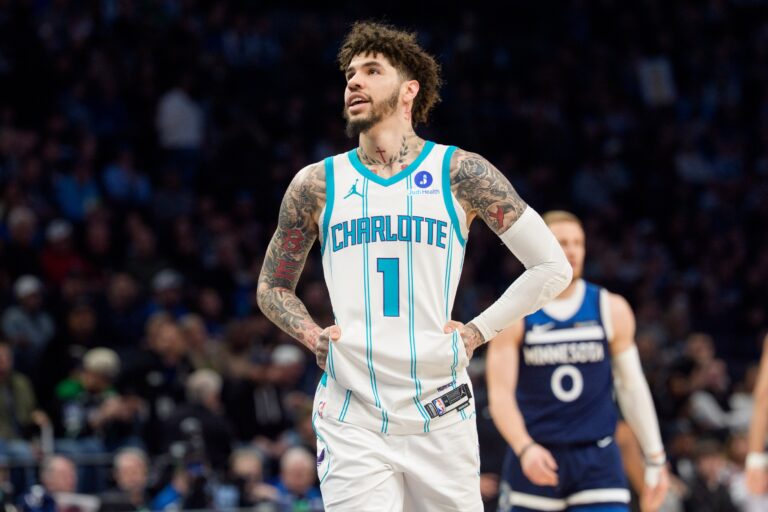
In a league defined by constant evolution, rapid roster turnover, and championship urgency, sustained playoff droughts stand out as stark indicators of organizational instability or transitional rebuilding. The NBA is structured to promote competitive balance through mechanisms like the draft lottery, salary cap, and free agency, yet even within this system, some franchises struggle to regain postseason footing. Whether due to front office missteps, injuries to cornerstone players, or deliberate long-term rebuilds, these droughts often reflect deeper structural challenges rather than simple bad luck.
For teams mired in extended absences, the consequences go beyond wins and losses. Playoff droughts can erode fan engagement, stall player development in high-stakes environments, and place increasing pressure on management to accelerate timelines. At the same time, not all droughts are created equal—some teams are actively rebuilding with a clear strategic vision, while others remain caught in cycles of mediocrity without a defined direction. Context matters, and understanding each franchise’s trajectory is key to evaluating the true weight of their postseason absence.
Advertisement
RELATED: NBA players with most points in single game
As of now, a handful of teams sit atop the list of the NBA’s longest active playoff droughts, each with its own narrative shaped by past decisions and future aspirations. From prolonged struggles to recent resets, these teams illustrate the varied paths that can lead to extended time away from the postseason—and the different challenges that come with finding a way back.
Charlotte Hornets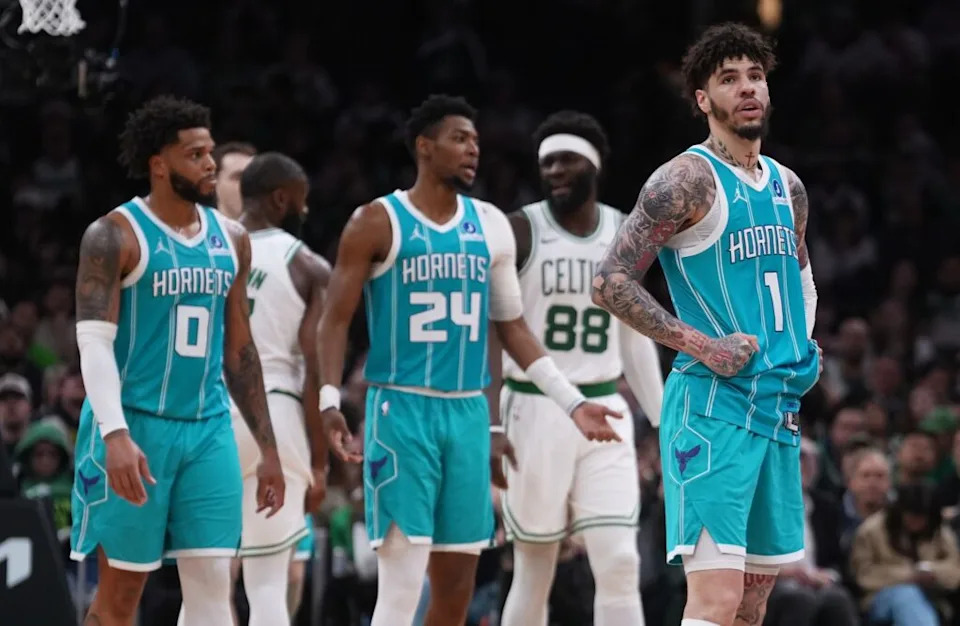
Charlotte Hornets
Last playoff appearance: 2016
The Hornets own the longest active playoff drought in the NBA, having last reached the postseason in 2016 during the Kemba Walker era. Since then, the franchise has struggled to establish continuity, cycling through rebuilds, coaching changes, and roster overhauls. While young talent—most notably LaMelo Ball—has injected optimism, inconsistency and injuries have stalled meaningful progress. Until Charlotte stabilizes its core and identity, its postseason return remains uncertain.
Advertisement
RELATED: Top 15 best contracts in the NBA
Washington Wizards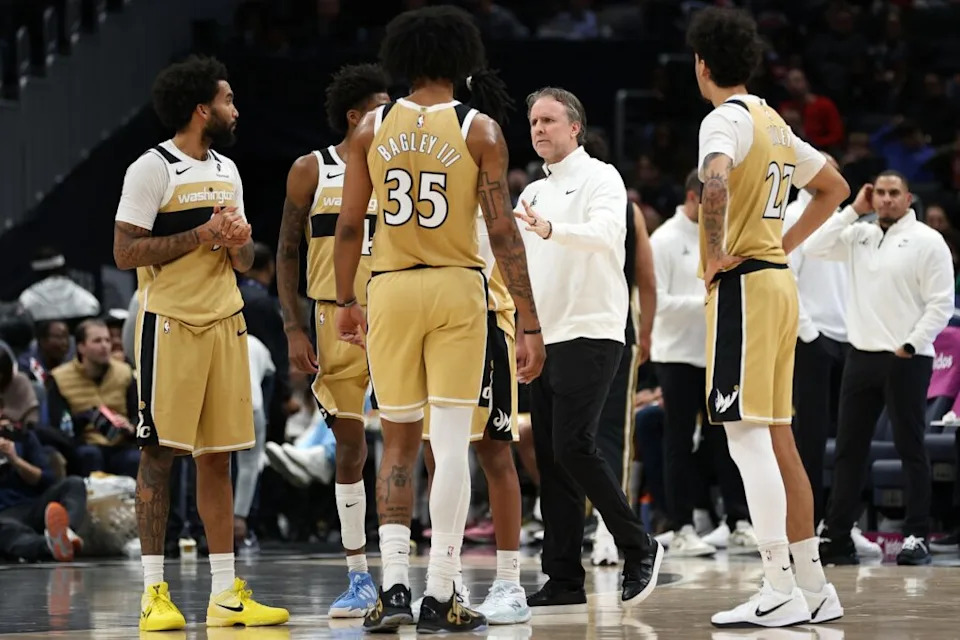
Washington Wizards
Last playoff appearance: 2021
The Wizards’ most recent playoff berth came in 2021, led by the dynamic backcourt of Bradley Beal and Russell Westbrook. In the years since, Washington has pivoted into a full-scale rebuild, parting ways with Beal and reshaping its roster around youth and future assets. The organization appears focused on long-term development rather than immediate contention. As a result, their playoff drought reflects a deliberate reset rather than mere underperformance.
Utah Jazz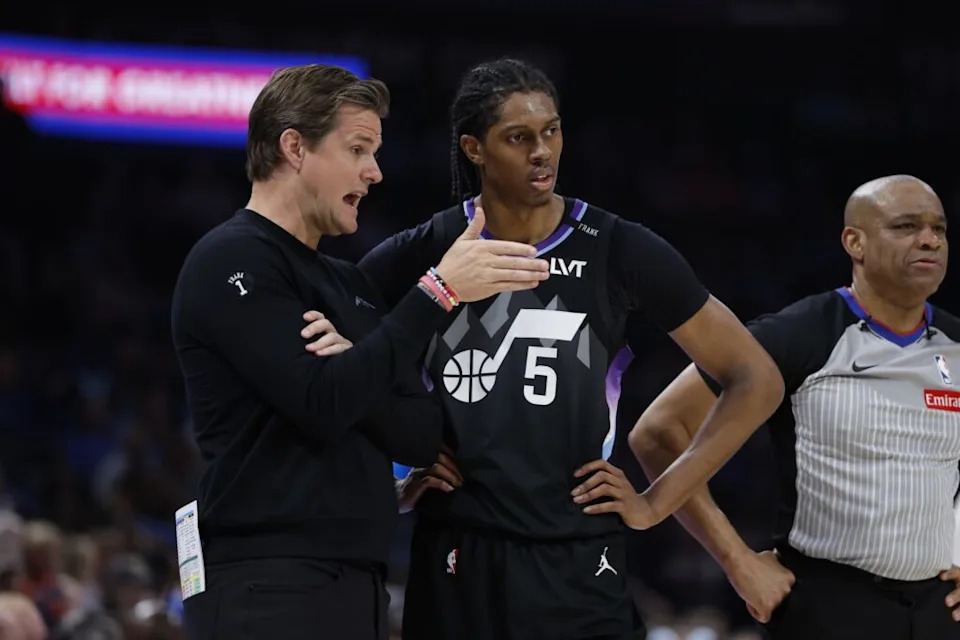
Utah Jazz
Last playoff appearance: 2022
The Jazz were a consistent playoff presence throughout the late 2010s and early 2020s but entered a rebuilding phase after trading cornerstone players like Donovan Mitchell and Rudy Gobert. Since their 2022 appearance, Utah has embraced a youth movement while maintaining surprising competitiveness behind emerging talent. Though no longer a contender, the team has remained structurally sound and flexible. Their drought is relatively brief, and a return to playoff contention could come sooner than expected.
Advertisement
RELATED: Top 15 worst contracts in the NBA
Chicago Bulls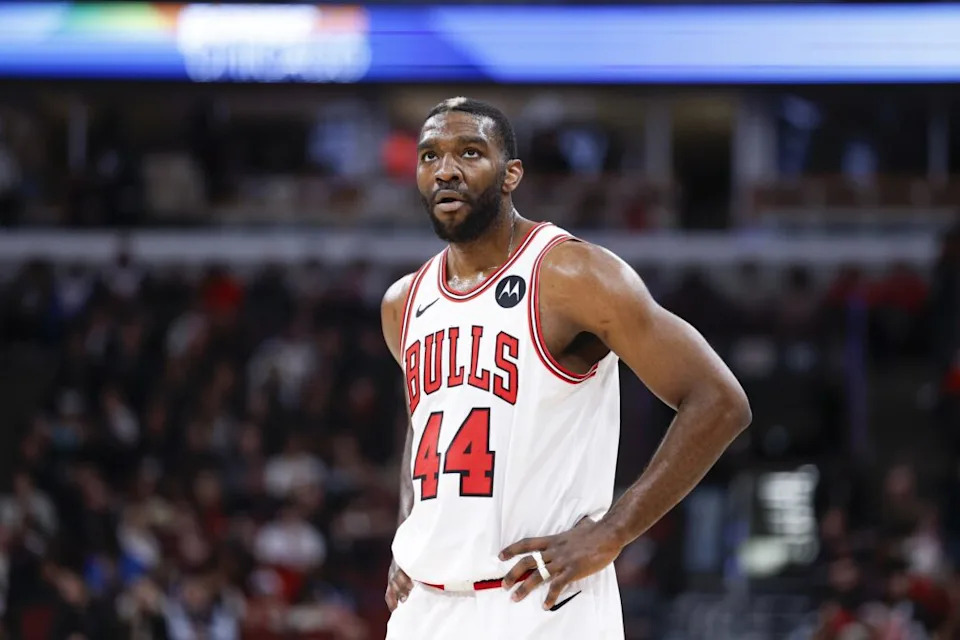
Chicago Bulls
Last playoff appearance: 2022
The Bulls ended a multi-year drought with a 2022 playoff appearance but have since struggled to build on that momentum. Injuries—particularly to Lonzo Ball—along with roster stagnation have left Chicago hovering around the play-in range without breaking through. The team’s core has shown flashes but lacks the consistency needed to compete in a deep Eastern Conference. Without significant roster adjustments, the Bulls risk extending their current playoff absence further.
Conclusion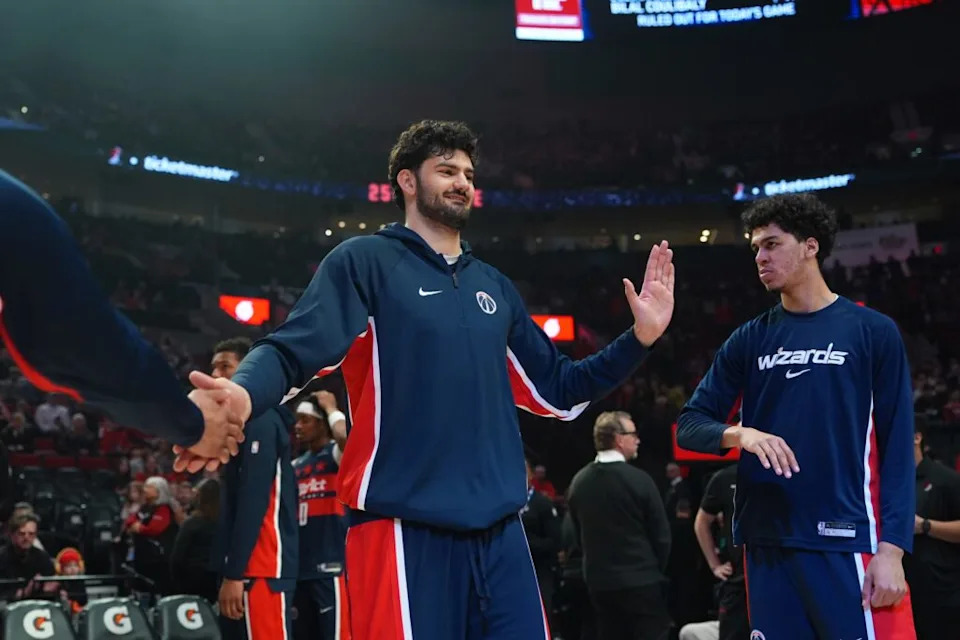
Conclusion
Ultimately, playoff droughts in the NBA are rarely the result of a single factor but rather the accumulation of years of decisions, circumstances, and shifting priorities. While some teams appear closer to breaking through than others, all face the same fundamental challenge of building a sustainable contender in an increasingly competitive league. How each franchise navigates its current position will determine whether its drought ends soon—or stretches even longer.