
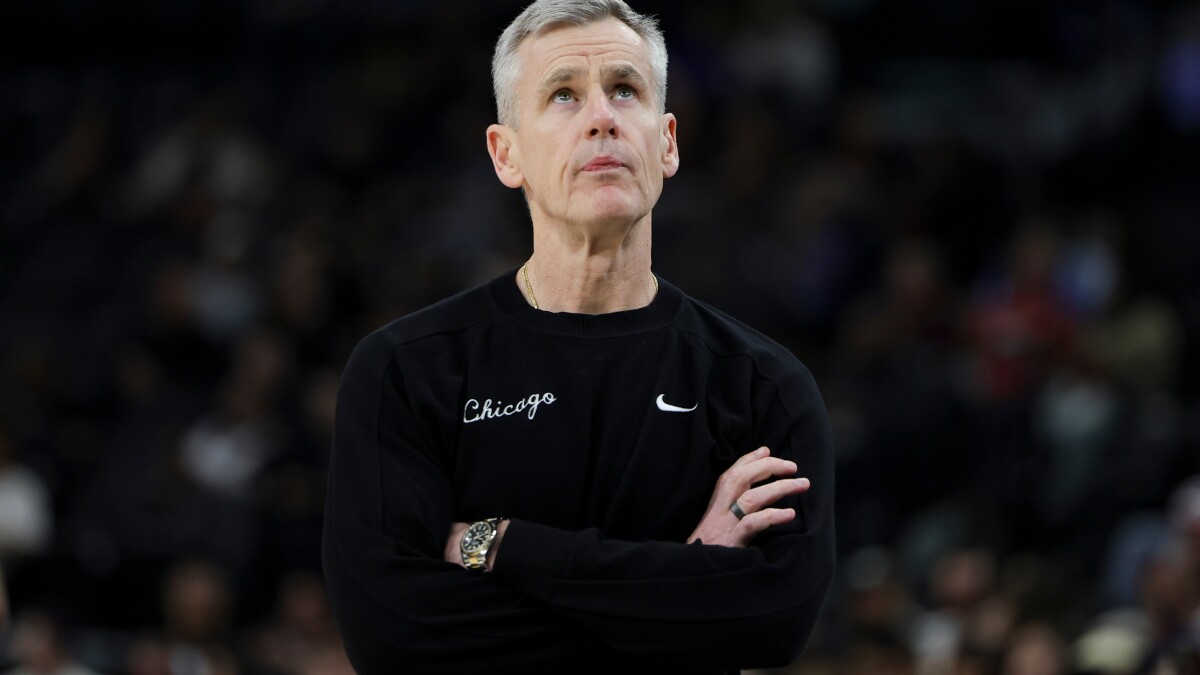
A Franchise in Transition
The Chicago Bulls are officially entering a new era. After six seasons, head coach Billy Donovan has stepped down, marking the final major piece of a sweeping organizational overhaul. While the Bulls ownership, led by Jerry and Michael Reinsdorf, expressed a desire for Donovan to stay, the mutual decision to part ways highlights the necessity of giving a new front office the freedom to shape the franchise’s future.
Donovan’s tenure, while yielding 226 wins—the fourth-most in franchise history—was ultimately defined by a lack of postseason success. With only one playoff appearance in six years, the organization reached a point where the status quo was no longer sustainable. The recent firing of executive vice president Arturas Karnisovas and general manager Marc Eversley set the stage for this complete reset, and Donovan’s departure is the logical conclusion of that process.
The Value of a Clean Slate
In professional sports, the “new head of basketball operations” trope is common, but it is critical for a reason. A new leader needs to align the coaching staff with their own vision, personnel strategy, and team identity. As Michael Reinsdorf noted, if the new leadership and the coach are not perfectly aligned, the entire operation suffers. By stepping aside, Donovan has demonstrated a professionalism that is rare in the high-pressure world of professional coaching.
This scenario provides a case study for organizational change. When an organization is stagnant, partial solutions—firing an executive here or a player there—rarely work. Sometimes, a total house-cleaning, even involving personnel who are well-liked or respected, is the only way to break the cycle of underperformance and instill a new culture.
Donovan’s Bulls Tenure:Total Wins: 226 (4th in team history).Playoff Appearances: 1 (2021-2022 season).Outcome: Mutual separation to allow for a new vision.What Comes Next for the Bulls?
The Bulls are now a team without a head coach, a GM, or an EVP of basketball operations. While this may seem chaotic to outsiders, it represents a blank canvas. The franchise has the resources and the history to be a top-tier destination, but they need the right leadership to execute a coherent plan. For fans in Chicago and around the world, the focus will now turn to the hiring process.
This transition is a reminder that sports teams are businesses. When results do not meet investment, changes must be made. For observers of organizational theory, the Bulls’ situation is a masterclass in the sunk-cost fallacy. Many organizations would have kept Donovan out of loyalty or fear of change, but by ripping the bandage off, the Reinsdorfs are attempting to salvage the franchise’s future. The rebuild will be long, but for a fanbase that has seen its team struggle to remain relevant, it is a necessary, albeit painful, step forward.