
This hasn’t been a “flush-it-and-move-on” offseason for the Tennessee Titans.
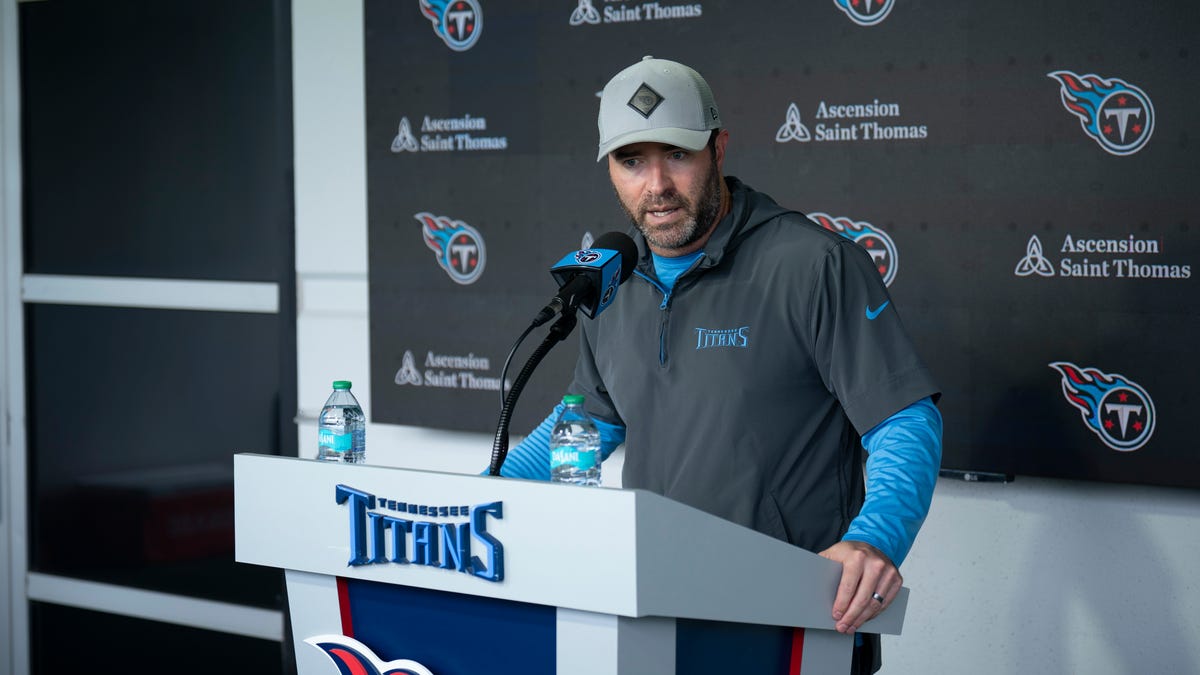
“I don’t really want to burn that taste out of our mouth,” Titans coach Brian Callahan said about his memories of the team’s 3-14 record in 2024. “I feel it every day when I walk in here and our players should too, the ones that were here, because we don’t want to be in that position.
“We don’t want to have the type of season we had last year, we’re determined to make that look different.”
When the Titans reconvened for offseason activities after the NFL draft, Callahan made headlines for the creative ways he’s gone about trying to transform team culture. After fielding a 3-14 squad in Year 1, Callahan is emphasizing leadership, competition and camaraderie in a new way. Most notably, Callahan organized the roster into eight teams, each led by a captain and co-captain. These teams are graded based on a Callahan-devised points system that rewards behaviors that show improvement in areas that hurt the Titans last season and punishes behaviors that contribute to those old struggles.
The immediate takeaway about Callahan’s grand plan, which also includes playing schoolyard games like tug-of-war or rock-paper-scissors for points, required outside-the-building bonding activities and a rearranged locker room where players are no longer siloed by position group, is there’s an increased emphasis on team bonding. But the bigger-picture goals have a football focus too.
In order for the Titans to win more games in 2025, they’ll need to cut down their self-inflicted errors like turnovers, penalties, missed tackles and sacks and negative early-down outcomes that put the offense in second- and third-and-long situations. The Titans hope that gamifying these bad habits with a team-wide competition will keep fixing those bad habits front-of-mind, and in the process will create leadership habits across the locker room as players become more accustomed to interacting with teammates from outside their position room.
“Brian in his second year of being a head coach, his first year was a little bit of a test run,” quarterback Will Levis said. “He’s already made improvements to his philosophy and just his way of going about things which all of us have recognized and appreciated.”
Ideas like these can’t hurt. There’s no world where the Titans get worse because of tug-of-war challenges. But the Titans were more than a few self-inflicted mistakes away from competing in 2024. If the Titans get better in Callahan’s second year, it’ll likely have a lot more to do with drafting Cam Ward to play quarterback, adding veteran help on the offensive line, investing in young pass catchers and building quality depth across the defense.
“Organizations thrive when it’s built from the bottom up,” defensive coordinator Dennard Wilson says. “Not top down. Going through last year, at the end of the year when we fell off a little bit, the depth wasn’t there. Right now we’ve got young guys. We’re creating depth.”
All told, less than half of the Titans’ roster consists of returning players from 2024. Forty-eight players have been added this offseason, including draft picks, undrafted signees, veteran free agent acquisitions and waiver-wire pickups. So when Callahan yearns for his players to remember the bad taste of last season, there aren’t too many people left who experienced it all.
A lot of that’s by design. Last-place teams don’t often run it back with identical rosters. Especially not last-place teams that brought in new general managers with new ideas about team-building.
The point remains, though: Callahan’s emphasis is on building a new culture. That means doing things differently for the players who returned, and doing things differently so the new players don’t have to experience the lows last year’s squad did.
Nick Suss is the Titans beat writer for The Tennessean. Contact Nick at nsuss@gannett.com. Follow Nick on X, the platform formerly called Twitter, @nicksuss.