
The post NCAA football news: Gamers can help their team earn NIL money on College Football 26 appeared first on ClutchPoints.
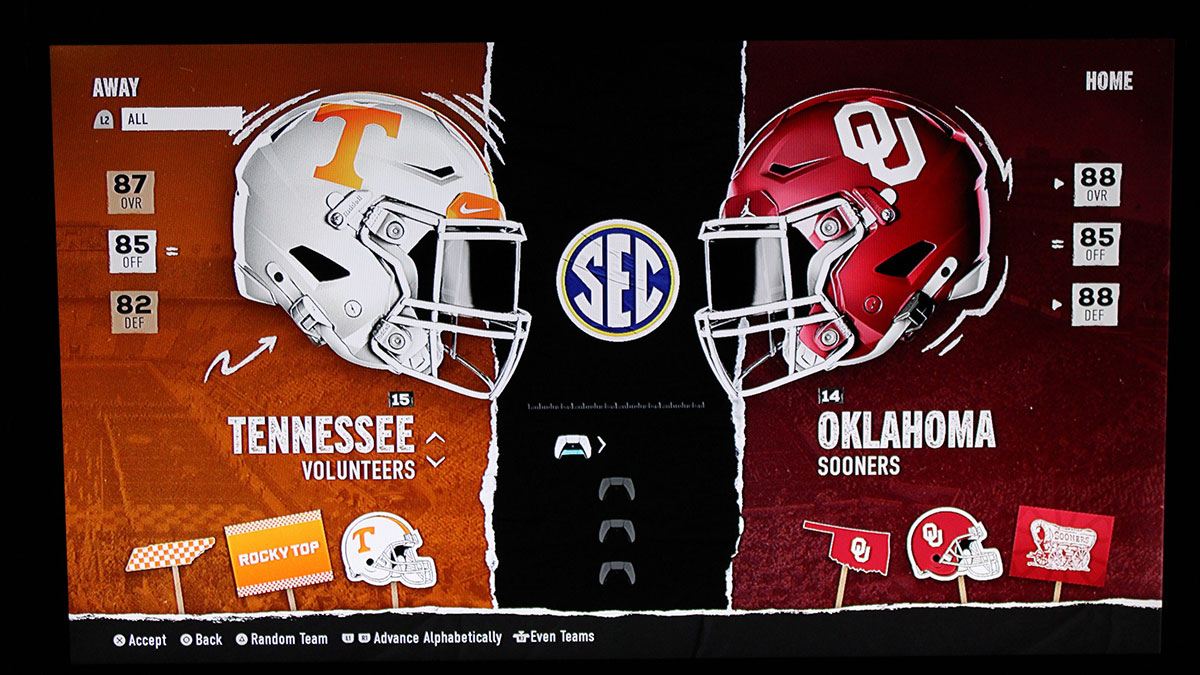
Already, EA Sports College Football 26 is generating plenty of buzz a month before release. Speculation about Bill Belichick’s appearance is certainly palpable.
Advertisement
In addition, players will be paid $ 1,500 for appearing in the game, an increase from $600 in the previous year’s game. Those same players could receive NIL money thanks to the gamers themselves, per Darren Rovell of CLLCT media.
Schools featured in the game could get paid based on how frequently gamers play with their team—a radically innovative approach in the era of NIL for college athletes.
Athletes will be able to showcase their talents broadly through the game. The players’ exposure could land them sponsorship deals as well as grow their fan bases.
Furthermore, the players will have their name, image, and likeness on full display throughout the game. Before the NIL era, gamers would solely have to come up with names for players.
Advertisement
The players also have the option to opt in or opt out of this deal, allowing them to maintain control over how they utilize their NIL. From a gaming perspective, this sparks a significant shift from the way things were prior to NIL.
The evolution of gaming and NIL
Before the NIL era, college athletes were barred from earning money from their name, image, and likeness. That included appearances on EA Sports games.
The straw that broke the camel’s back was the historic O’Bannon vs. NCAA case. In 2009, former UCLA basketball player Ed O’Bannon filed a lawsuit against the NCAA
He claimed its amateurism rules illegally prevented college athletes from being compensated for their name, image, and likeness. This derived after seeing his image featured on EA Sports’ NCAA Basketball 09 without his consent, nor did he receive any compensation.
Advertisement
The outcome resulted in schools being allowed to offer athletic scholarships covering full cost of attendance. In addition, the case ruled that schools could place up to $5,000 into a trust for each athlete to use their NIL.
Thus paving the way for where we are now regarding video games.
Related: Former MLB exec to be new head of College Sports Commission
Related: Judge approves NCAA House Settlement allowing schools to pay players