
When Keanu Reeves was doing press for Bill & Ted Face the Music in 2020, he had to explain the narrative tension underpinning the film. In essence, it was about facing your own mortality. Bill and Ted had failed to write a song that would unite the world. This had consequences for them and their families. They now had to come up with one to save the universe — otherwise it would end.
After giving a light-hearted, semi-serious answer in keeping with his character Ted, Reeves was asked a serious follow-up question by the late-night host Stephen Colbert: “What do you think happens when we die?”
Reeves leaned back, inhaled, thought about it for a second and gave an unexpectedly excellent and profound answer.
“I know that the ones who love us will miss us,” he said, a sweet and moving sentiment.
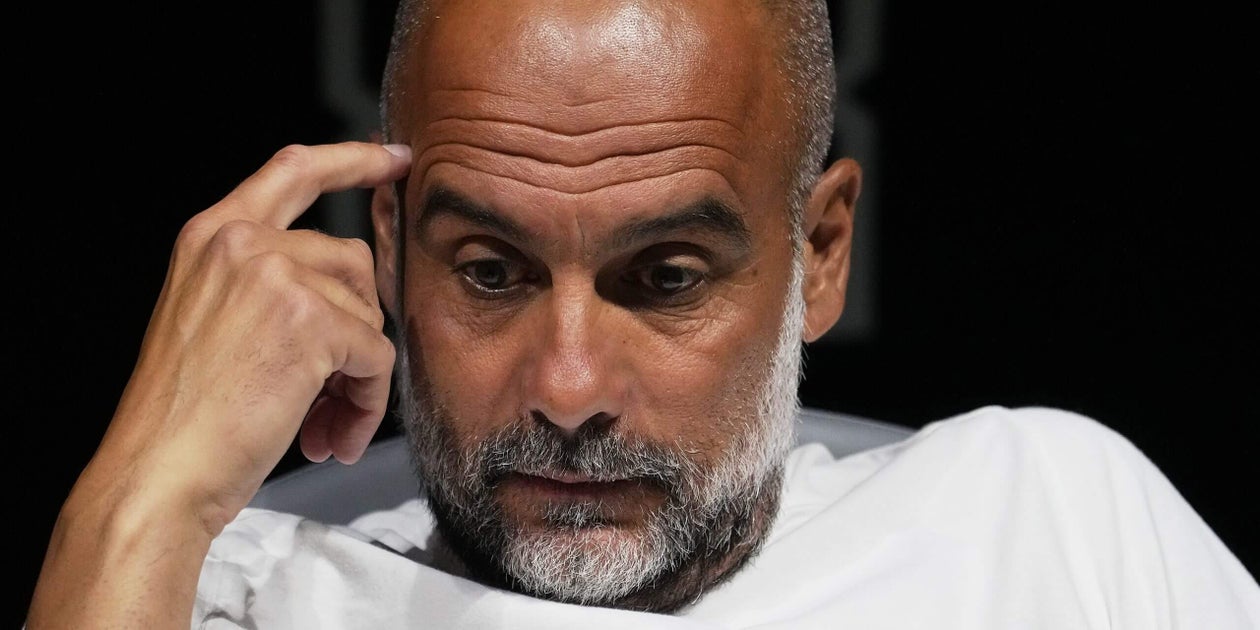
Manchester City coach Pep Guardiola doesn’t seem to share it. In the build-up to the FA Cup final in May, Guardiola did not get the same question as Reeves. But he did reflect on his life and legacy up until now.
“When we die,” he said. “Our families cry for two or three days and then that’s it — you’re forgotten. In the careers of coaches, there are good and bad ones, the important thing is that the good ones are remembered.”
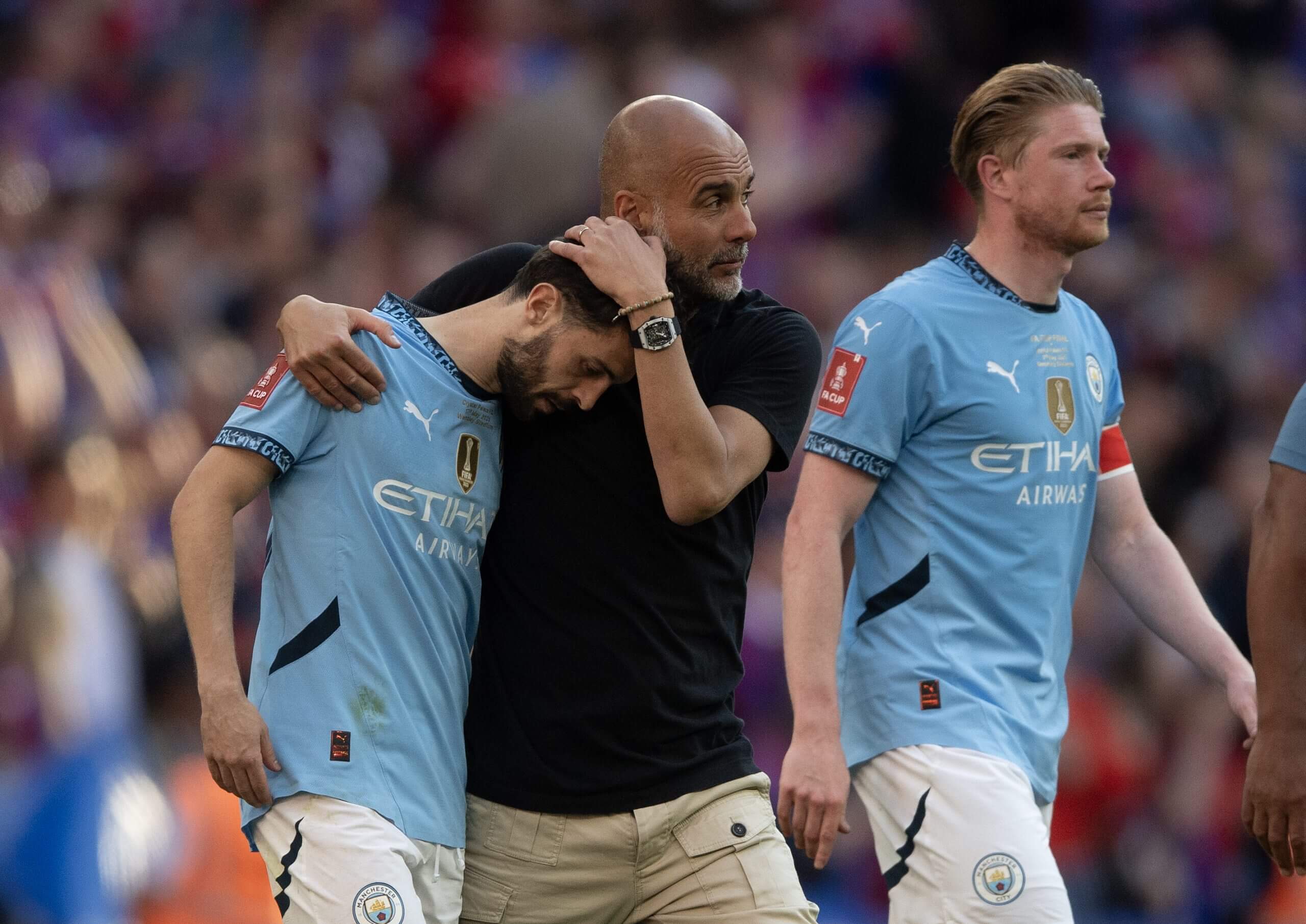
The FA Cup fina, a painful memory for Guardiola or no memory at all? (Photo: Visionhaus/Getty Images)
Guardiola’s place in football history is assured. He has won trebles, plural. He is credited with changing the game. The Spanish and German national teams lifted the World Cup during his time working in their leagues, an indicator of his influence. England have yet to do so. Next year perhaps?
Regardless of whether England do or not, Guardiola’s eight seasons with City have undeniably altered the football landscape in the U.K. And yet, his bleak outlook on remembrance appears to have been greatly shaped by how quick some corners of the football world were to forget Istanbul and the treble of 2023.
How much of that was City-specific — Wasn’t it about time they did it? — is one thing. How much of it is due to our ever-decreasing attention spans is another. As the calendar gets more congested, teams play more and more games and the turnaround time from one season to another shortens, football is, perhaps, entering its own age of digital amnesia — the phenomenon whereby the abundance of information on the internet is apparently affecting our ability to retain and remember it.
Every game risks becoming like a reel on Instagram or a TikTok video. We scroll through it, laugh or smile, share it, forget it, go blank. Onto the next one. Wydad, Al-Ain, Juventus again.
They played each other in December, didn’t they? Yes, in the new, extended Champions League ‘League Phase’? Feels like another season ago, doesn’t it. Dusan Vlahovic scored. Weston McKennie too. Remember it well?
Prior to City and Juventus meeting in Orlando, Guardiola was asked by a reporter from La Repubblica about the Club World Cup and how invested he is in winning it.
“Well, now we’re here we want to do well. I don’t know,” he said in Italian.
“Maybe after two or three days at the end of the tournament it’ll be forgotten.” Covered by the sands of time, buried by the scirocco of a new season, the golden edge of a Tiffany trophy poking through a dune as the Premier League nears on the horizon. After all, there’s Wolves away already on August 16.
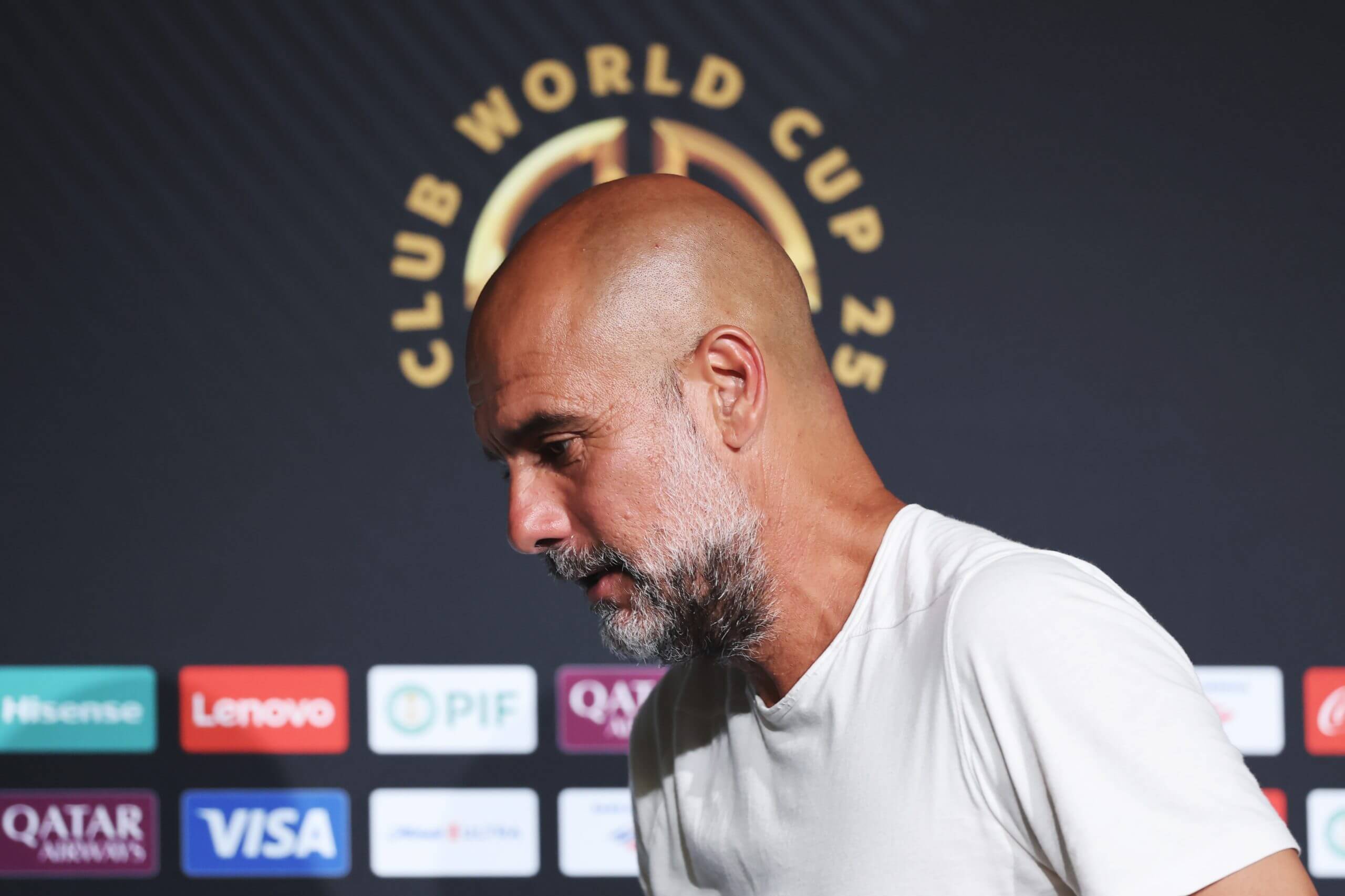
“Maybe after two or three days at the end of the tournament it’ll be forgotten,” Guardiola said of the Club World Cup (Photo: Hector Vivas – FIFA/FIFA via Getty Images)
If City win the Club World Cup, it will no doubt be a source of pride within the club. But Guardiola is probably right. The newness of the competition and the dismissive reception of the Club World Cup back in the UK — being able to say you’re world champion seemed to mean little to English clubs even in the smaller, old format — mean it probably wouldn’t be heralded as significant.
That’s in part the island mentality of England, the belief our competition is best and its only rival is the Champions League, not the Club World Cup. Not yet.
“I don’t think we should ever live thinking about whether we’re going to be remembered,” Guardiola said in that interview in May.
So what’s the purpose? Why renew for another two years? Does Guardiola keep doing what he does because he doesn’t know anything else? Only football. Or is there meaning beyond being remembered?
Guardiola said after City’s 5-2 win over Juventus his players made a statement to themselves. The challenge this coming season, he added, is to redefine themselves too. Whether people remember City’s season or not is out of his control. The 6-0 against Wydad and 2-0 over Al Ain isn’t and while they will be swiftly forgotten, they are part of the process he is overseeing.
The bigger question is more for us — and the football calendar:
Less still feels like more. Meaning isn’t to be found in the many, but the few. More than amnesia, there is nostalgia for how the game used to be; smaller World Cups, shorter seasons, competitions that genuinely did boast the best teams from their respective continents.
What will happen to football then if it dies? It won’t perish, surely. The game goes on and on. But if it did, the ones who loved it will probably remember those, apparently, better days when the memories made were memories that lasted.