
The backlash wasn’t quiet. It was loud, coordinated, and deliberate.
Across the country, diversity, equity, and inclusion programs have become political targets. Major corporations that once made public commitments to justice have started walking them back under pressure. Jobs have been eliminated, goals erased, and values rewritten. The question is no longer who promised to do better. The question is: who meant it?
In Minnesota, we are seeing two very different answers.
Earlier this year, Target, one of the state’s largest and most recognizable companies, dismantled key elements of its DEI infrastructure. The company eliminated leadership roles focused on equity, ended partnerships with external DEI consultants, and disbanded its Racial Equity Action and Change committee. This shift came after months of pressure, including boycotts and political attacks.
What followed was a decline in foot traffic, a drop in consumer trust, and a growing sense of disillusionment. Target’s silence spoke volumes. The same company that once stood at the forefront of corporate social responsibility after the murder of George Floyd was now retreating, without explanation or clarity. Leadership, it seemed, had chosen safety over courage.
But just a few miles away in Eagan, another Minnesota institution was making a very different choice.
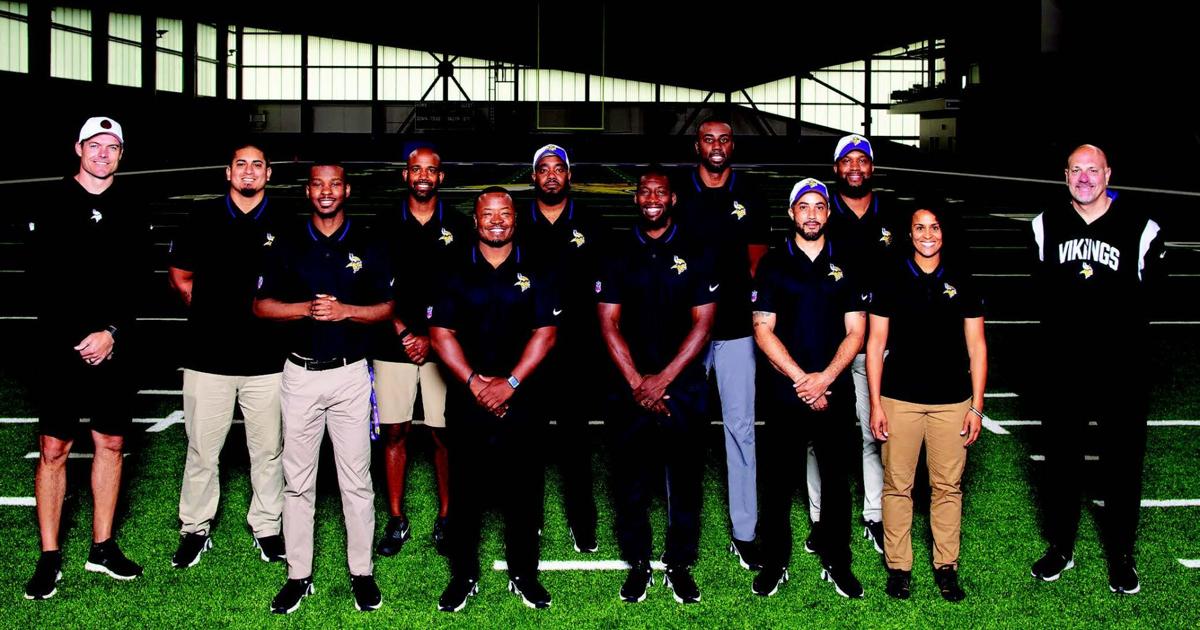
The Minnesota Vikings recently held their fourth annual Diversity Coaching Summit. The program, created and led by Assistant Head Coach Mike Pettine, brings early-career coaches from underrepresented backgrounds into the heart of NFL operations. Participants spend three days immersed in the work, attending practices, meeting with senior staff, giving presentations, and building the relationships that are often the difference between a closed door and an open one.
And they are doing it without a mandate from the league. In fact, while the NFL paused its own diversity accelerator program this year, the Vikings pressed forward. There was, as Pettine put it, “never any doubt” that the summit would continue.
That is what leadership looks like.
This commitment did not come out of nowhere. It is supported at every level of the organization, from owners Zygi and Mark Wilf, to Head Coach Kevin O’Connell, to General Manager Kwesi Adofo-Mensah. Their support is not symbolic. It is structural. It is sustained. And it is working.
In a league long criticized for its lack of diversity in coaching and front office roles, the Vikings are showing what intentional investment can do. Not just for one team, but for the entire culture of the sport. And they are doing it right here in Minnesota.
I do not write this as a football analyst. I write this as a young Black woman, an attorney, and someone who has seen firsthand how often doors are closed to those who do not fit the mold. I have watched organizations abandon their values as soon as they become inconvenient. I have heard the language of equity reduced to branding.
But I have also seen what happens when people choose to stand firm.
The contrast between Target and the Vikings is not just about corporate decisions. It is about who we trust to lead us forward. One company responded to pressure by cutting ties and cutting back. The other responded by doubling down and showing up.
Target helped set the standard for corporate equity in 2020. But in 2025, that standard is being rewritten by the Vikings.
In moments like this, we learn what leadership really means. It is not about what you say when the world is watching. It is about what you do when the pressure rises, when the cameras turn away, and when the easy thing is to step back.
The Vikings did not step back. They stepped forward.
And in doing so, they have reminded us that equity is not a trend. It is a test. One that Minnesota, and America, is still taking.