
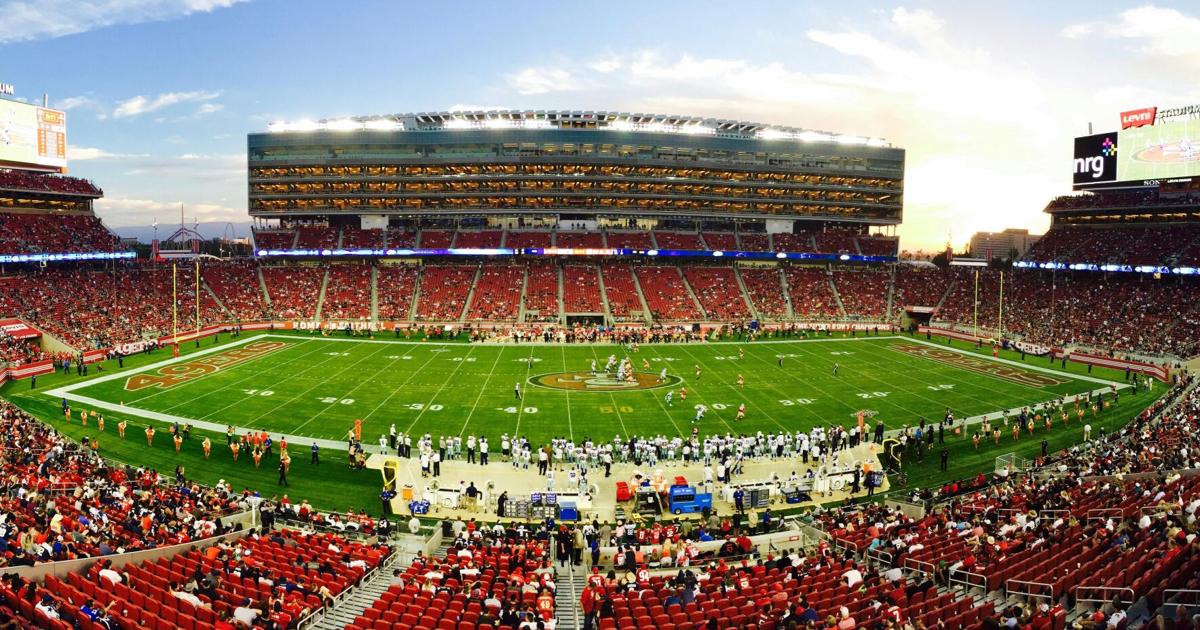


The scene is familiar to any San Franciscan. It’s a crisp Sunday at a bar in the Mission, the game is on, and the 49ers are driving down the field. A touchdown seems imminent. But instead of a unified roar, the celebration is fractured. One person cheers for the Niners, another groans because the touchdown was scored by a player on their fantasy opponent’s team, and a third is furiously checking their phone, ecstatic that their fantasy quarterback on the opposing team just threw for 30 yards. It’s a moment of pure chaos that begs the question: in the age of fantasy football, what does it even mean to be a fan anymore?
How Did Platforms Affect This?
The allegiance is no longer straightforward. It’s a complicated web of loyalties, stretched between hometown pride and the personal investment of a fantasy lineup. This complexity extends to the very platforms we use. While major Daily Fantasy Sports (DFS) operators face legal hurdles in California, other platforms thrive.
A service like Sleeper, which can be found on FantasyLabs, for instance, is widely considered legal in the state because its pick’ems games are structured differently and are often seen as contests of skill. Newcomers might see a Sleeper promo and find a legal way to participate, while other DFS options remain in a gray area. This creates a splintered digital experience that mirrors the splintered fandom on display every Sunday.
The Mercenary Fan
The modern NFL fan, especially one deeply invested in fantasy, has become something of a mercenary. Your favorite players are not necessarily the ones wearing the red and gold of the 49ers, but the ones you drafted onto your fictional team. A 49ers fan might find themselves passionately rooting for a last-minute touchdown from the Seattle Seahawks’ star receiver because it’s the only thing that can save their fantasy week. It’s a strange, almost transactional relationship with the sport.
This shift changes the entire viewing experience. It’s less about the collective emotional rollercoaster of a single team’s season and more about a constant, frantic calculation of stats across multiple games. The television screen becomes a data feed. Every catch, every yard, and every touchdown is a point for you or against you. The purity of rooting for one outcome is gone, replaced by a dozen smaller, self-interested hopes and prayers.
Your New Favorite Player
The fantasy quarterback is the most potent symbol of this new fandom. This single player, chosen during a draft months before the season, becomes the anchor of your weekly hopes. An outstanding performance from your chosen QB can single-handedly win you a matchup, making them your hero for the week, regardless of the jersey they wear. This creates some truly bizarre rooting interests.
A lifelong Niners devotee might spend their Sunday tracking the performance of the Green Bay Packers’ quarterback with an intensity they once reserved for Joe Montana or Steve Young. This leads to a different kind of football knowledge, one that is broad but not as deep. You might know the third-string running back for the Jacksonville Jaguars, but forget the name of the 49ers’ starting right tackle. The focus moves from team dynamics to individual statistics.
Team Allegiance: Rooting for a single franchise, like the San Francisco 49ers.Player Allegiance: Rooting for individual players on your fantasy roster, regardless of their team.Statistical Allegiance: Rooting for specific statistical outcomes that benefit your fantasy score.Can Two Truths Coexist
So, is it possible to be a “true” 49ers fan while also managing a fantasy team? The answer is likely as complicated as the situation itself. For many, fantasy football deepens their connection to the league as a whole. It provides a reason to care about a meaningless Thursday night game between two out-of-market teams, transforming every minute of NFL action into something compelling. It creates new conversations and new rivalries with friends and coworkers.
Yet, there is no denying that something is lost. That singular, unifying passion that fills a stadium with one voice is harder to find in a living room full of fantasy managers. This may be the evolution of fandom in a data-driven world. The love for the laundry, the red and gold, can still be the primary driver, but it now has to share headspace with the urgent, nagging needs of your fantasy quarterback. The heart and the head are rooting for two different things, and that internal conflict is the new soundtrack of the NFL season for a San Francisco fan.
*The San Francisco Weekly newsroom and editorial were not involved in the creation of this content.