
LOS ANGELES — A few years ago, Mike Schroder and Michael Gold — lifelong sports fans and young dads — were trying to pass their love of the game to their kids. It wasn’t working.
So they built Future Fans: a brand that helps little kids become big sports fans. What started as a personal project is now a fast-growing startup helping parents share their passion — and helping teams and leagues build the next generation of fans.
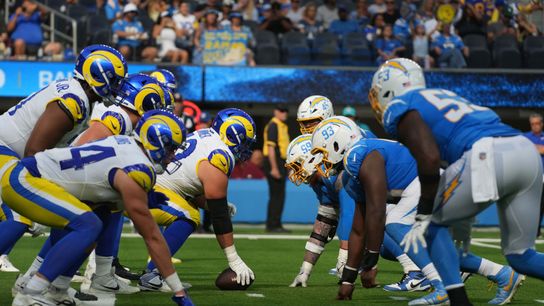
With the Rams and Chargers facing off in today’s preseason game, there’s no better time for L.A. football fans to bring their kids into the fold.
Here’s how it started — and why Schroder and Gold believe Future Fans makes learning sports easier, more fun, and way more meaningful.
What inspired Future Fans? Mike Schroder: I’m a lifelong Bengals fan, and during their Super Bowl run a few years ago, my wife was 36 weeks pregnant with our third child. I was at their first playoff win in 31 years — it was magical. All I wanted was to watch the rest with my daughter Ella, who was five at the time.
But despite loving gameday traditions, she had no interest in the actual game. I’d tried to teach her, but it wasn’t clicking. That’s when I started wondering: is there a better way to help kids connect with sports — and give parents like me a way to share something we love?
How does Future Fans solve the problem you experienced?
Mike Schroder: The key to unlocking real engagement in young kids is helping them understand the game — whether they’re watching on TV or a first-time participant on the field. If kids don’t understand they get bored and confused and quickly lose interest. We teach in ways that make sense to a kid — through stories, games, and rhymes.
Can you say more about how your products work?
Michael Gold: We teach through play — using fun, story-based games to help kids grasp the basics of sports. For example, one of our beanbag toss games introduces the idea of downs and touchdowns: four throws to score six points. It’s simple, fun, and rooted in how the sport actually works.
These games are part of our activity boxes, digital content, and live experiences. Kids think they’re just playing — but they’re actually learning the game.
How is Future Fans different from books or tools that try to explain the game?
Michael Gold: A lot of what’s out there is really straightforward — like books that try to explain all the rules or flashcards with positions and terms. And honestly, that stuff just doesn’t land with most young kids. It’s too dry, too literal. You end up with a bunch of facts but no real understanding.
What we do is flip that. Instead of starting with the rules, we start with play. We build the concepts into games and stories so kids are having fun first — and learning without realizing it. Then we connect it to the real game. That’s the moment where it clicks. And that’s what makes this work so well for parents who’ve tried everything else.
Mike Schroder: We often say we’re built for the kid — but made for the parent. Our primary customer is usually a dad who loves sports and wants to share that with his kid but has hit a wall trying to explain the game. That said, the idea of making sports click for kids — and making gameday more meaningful — resonates with anyone who loves the game and wants to pass it on.
What kind of response have you seen so far?
Michael Gold: The most common thing we hear from parents is some version of, “I’ve tried everything else — and this is the first thing that worked.” We’ve had dads tell us their kid now insists on watching the whole game with them, and that time together is super special. That’s the magic — we help kids understand so they want to be part of the experience.
Why does this make sense for teams and leagues?
Mike Schroder: We’re highly aligned to teams’ and league’s interests, as our content helps create new young fans and reinforce the fandom of adults. Today teams and leagues focus on two paths to engaging young kids — youth participation and novel presentations of the game (think NFL Slimetime with Nickelodeon). What we provide is scalable youth fan development that is accretive to existing efforts. Kids understanding the rules makes them more likely to participate in youth sports and get value out of the creative simulcasts the leagues produce.
What was it like getting some buy-in from the Cincinnati Bengals early on here? How has that helped you?
Mike Schroder: Their run to the Super Bowl is the reason this company exists, so it has been really cool that we’re working together with them. We are heading into our third season together and we’ve created some cool offerings for them. They’ve been fantastic partners, and having their support has opened doors with other teams. It gives us credibility — they can see our stuff in action and know it works.
Why do you think now is the right time for Future Fans?
Michael Gold: There’s a perfect storm happening. Sports are more accessible than ever — you can stream a game on your phone from anywhere — but at the same time, the actual experience of being a fan together is getting harder to pass down. Prices are up, attention spans are short, and there are so many other things competing for kids’ attention. Parents are looking for ways to connect that go beyond handing over a screen. And teams and leagues are more focused than ever on growing their fanbase from the ground up. That’s where we come in.