
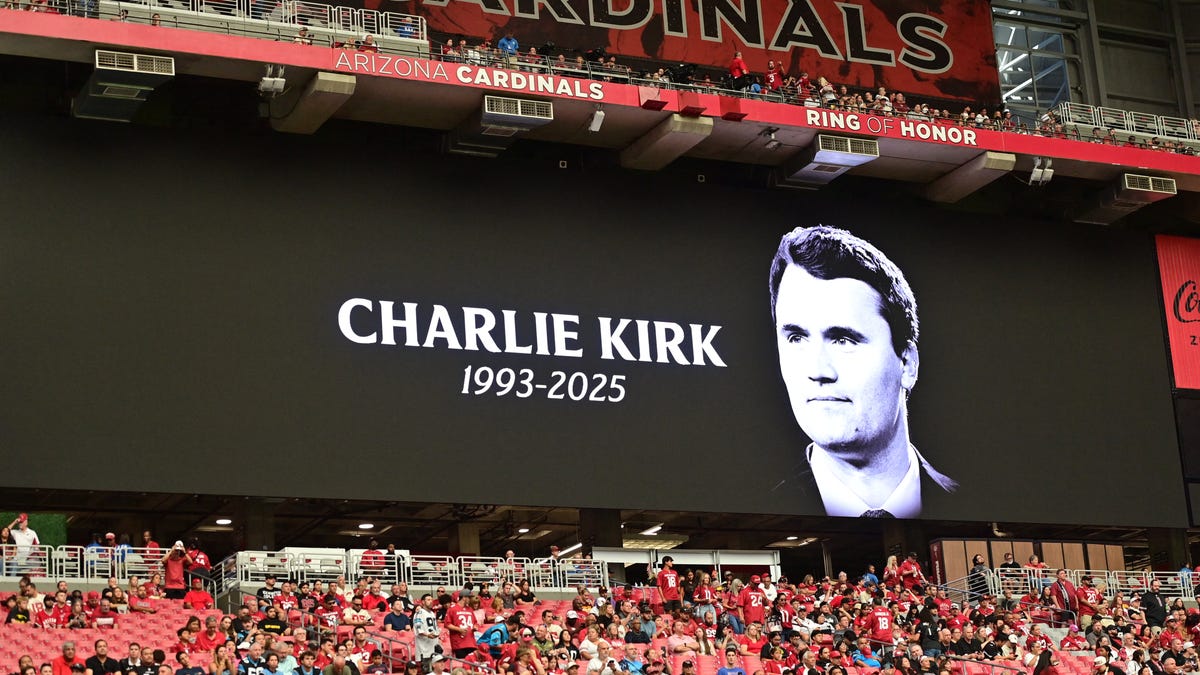
When a team is asked to single out a person who built a career around partisan combat, it’s no longer an act of civic unity − it’s a political endorsement.
Dennis Doyle
| Opinion contributor
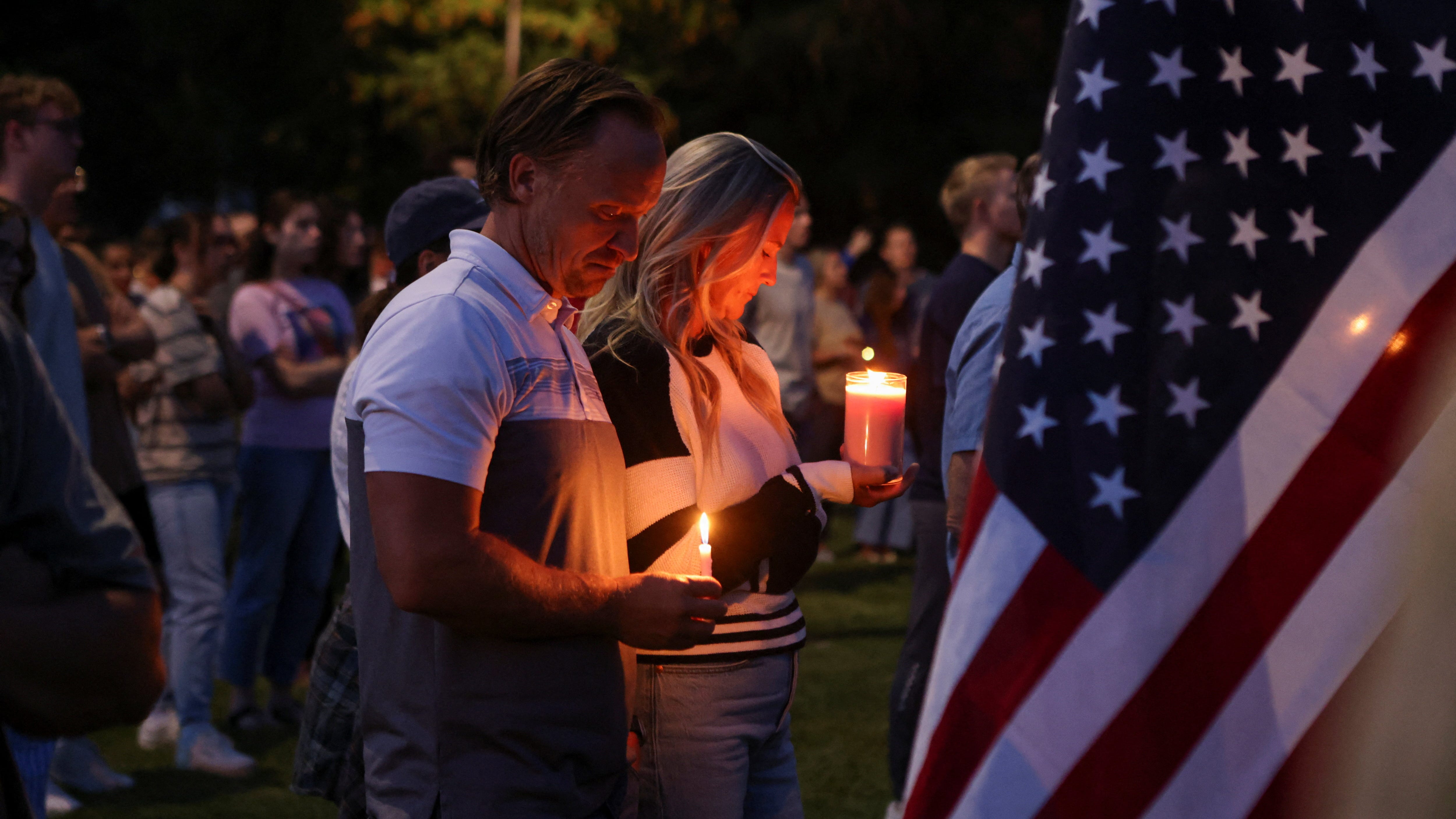

Mourners honor Charlie Kirk in Utah candlelight vigil
In the wake of the killing of conservative activist Charlie Kirk, vigils and gatherings to honor him have sprung up around the country.
The Enquirer recently published a letter blasting Bengals owner Mike Brown for failing to honor Charlie Kirk at the team’s Sept. 14 home opener. The writer called Brown a “penny-pinching bully,” and accused the franchise of serving “money and power” instead of God. He even pledged to boycott games until the team apologizes. The underlying claim is that an NFL franchise is morally obligated to commemorate a deeply polarizing political figure. That’s a dangerous presumption.
First, let’s be honest about who Kirk actually was. He was not a fallen soldier, a first responder, or a victim of a terror attack. He was a high-profile political activist who made his name − and his fortune − by inflaming America’s culture wars. Millions of Americans, including many Christians, found his words divisive and his tactics corrosive. You don’t have to celebrate that to acknowledge his death, but you also don’t have to rewrite reality by treating him as a nonpartisan national hero.
Second, most people go to a Bengals game to get away from the shouting matches of social media and cable news. Football has already been through anthem controversies, flag controversies, and endless debates about what kind of protest is acceptable on the field. Fans are not asking the team to arbitrate which pundits deserve moments of silence. Adding a “who deserves a tribute?” test is a recipe for endless division.
Third, there’s a real difference between a franchise marking a collective tragedy and a franchise endorsing a polarizing figure. When a team pauses to remember victims of a mass shooting, or a natural disaster, or the death of one of its own players or coaches, that’s an expression of civic grief. But when a team is asked to single out a person who built a career around partisan combat, it’s no longer an act of civic unity − it’s a political endorsement. And it’s exactly the kind of endorsement most fans are trying to escape for three hours on Sunday.
The Bengals showed respect with their restraint
The religious framing in the letter doesn’t change the core issue. Invoking the Sabbath or accusing a team of being “godless” because it won’t honor a partisan firebrand confuses personal devotion with public entertainment. Compassion is not a compulsory ritual. You can mourn Kirk in your church, your home, or your heart without demanding that 60,000 fans join you at the 50-yard line.
Mike Brown did not “miss an opportunity.” He exercised restraint. In a moment when sports teams are constantly pressured to signal political virtue, restraint is a form of respect − for the diversity of the fan base and for the basic purpose of sports itself. The same can be said for the other franchises that stayed silent. That isn’t cowardice. It’s an acknowledgment that in a pluralistic country, not every death requires a public tribute from a football team.
If we want civility, we have to stop demanding that our teams − and our neighbors − take sides in every political battle. Sports can’t heal our divisions if we insist on turning every game into a referendum on the latest outrage. Sometimes, the most compassionate, most respectful thing a team can do is simply play the game.
Dennis Doyle lives in Anderson Township and is a member of the Enquirer Board of Contributors.