

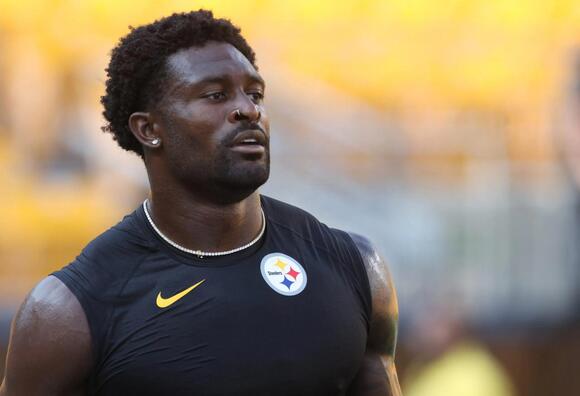
Seattle’s spring overhaul reached a dramatic turning point when the franchise decided to part ways with one of its most recognizable offensive weapons. The Seahawks dealt DK Metcalf to Pittsburgh in March 2025, transforming an NFC West headliner into the centerpiece of a retooled Steelers attack that desperately needed elite receiving talent.
How Did the DK Metcalf Trade to Pittsburgh Steelers Unfold?
DK Metcalf was traded from the Seahawks to the Steelers in March 2025, ending a six-season run in Seattle that included three 1,000-yard campaigns and two Pro Bowl selections. As widely reported at the time, the primary driver behind the move centered on contract negotiations and future direction.
With Metcalf’s deal set to expire after the 2025 season, Seattle proved unwilling to meet the top-of-market extension he sought. Meanwhile, Metcalf preferred joining a contender positioned for immediate playoff success. In preparing an aggressive reset on offense, Pittsburgh moved decisively to land its target.
Trade terms reported by reputable outlets indicate that Pittsburgh received Metcalf, while Seattle received a 2025 second-round pick (No. 52), a seventh-round pick (No. 223), and a sixth-round pick in exchange. Shortly after completing the deal, the Steelers signed Metcalf to a four-year, $132 million extension. The new contract included an $18 million raise on his 2025 salary and $60 million guaranteed across the first two seasons, placing him among the league’s highest-paid receivers.
The trade created ripple effects throughout both organizations. Seattle pivoted its receiving room around Jaxon Smith-Njigba and later added Cooper Kupp on a three-year, $45 million deal after his release from the Rams. Pittsburgh, meanwhile, filled its WR1 role with Metcalf as part of a comprehensive win-now build.
According to detailed trade retrospectives, Seattle packaged the No. 52 pick acquired in the deal with No. 82 to move up to No. 35 and selected South Carolina safety Nick Emmanwori. This move continued the franchise’s defense-first emphasis in the draft. The transaction reflected two distinct philosophies: Seattle’s cap management and roster recalibration versus Pittsburgh’s willingness to pay premium prices for a premier perimeter threat.
What Changes Did the Steelers’ Offense Experience After DK Metcalf’s Arrival?
Metcalf’s arrival completely reset Pittsburgh’s passing game dynamics. He immediately stepped into the WR1 role, providing the Steelers with a physical, vertical threat who excels at contested catches and creating separation at the line of scrimmage. That skill set aligned perfectly with Pittsburgh’s broader plan to upgrade the offensive skill positions and build a receiving corps around a valid No. 1 option.
Reports at the time also noted the Steelers’ willingness to reshape their entire WR group, including dealing George Pickens to the Cowboys, to commit financially and structurally to Metcalf as their focal point.
From a tactical standpoint, Metcalf’s presence changes how opposing defenses approach Pittsburgh. His ability to stretch the field vertically forces coverages to adjust and dictates safety depth, creating fuller route trees for complementary receivers and tight ends. His contract guarantees signal Pittsburgh’s intent to keep him at the center of the offense through the near term, matching the organization’s timeline to push for deep postseason runs.
For Seattle, moving Metcalf represented a larger organizational shift, including importing Kupp and resetting quarterback and receiver roles throughout the depth chart. The second-round capital gained in the trade was strategically leveraged to reinforce the defensive side of the ball.
The trade has settled into two distinct narratives that reflect different organizational priorities. Pittsburgh bet big on an elite boundary weapon, making him both the financial and schematic priority at receiver. At the same time, Seattle avoided a significant WR cap outlay, redistributed assets via the draft, and reshaped its offense with a combination of veteran leadership and young talent.
The final verdict will ultimately hinge on postseason performance, but the motivations and immediate impacts have become clear through the early portion of the 2024-25 season.