
With the New York Jets sitting at a brutal 2-8 and their 2025 season all but over, fans have turned Sundays into Tankathon watch parties.
At this point, many fans feel that winning games only hurts the future and that draft position is the only thing that matters for the remainder of the year.
But here’s the reality: Gang Green’s spot in this year’s draft isn’t nearly as make-or-break as many think, and there are two key reasons why.
The draft is far more of a crapshoot than people think
Fans often lose sight of a simple truth: the NFL draft is a gamble every single year, and no position proves that more than quarterback.
There are no guarantees. Josh Rosen was a highly touted first-round selection who went 22 spots before Lamar Jackson, while Tom Brady lasted until the sixth round. Their careers went in opposite directions, and that contrast perfectly shows how unpredictable this process really is.
Those are just two of many examples that prove a quarterback’s draft position does not determine his likelihood of success. In 2017, Patrick Mahomes was the second quarterback selected, taken eight spots after Mitchell Trubisky. The list goes on and on.
NY Jets film breakdown: Young silver linings emerge in Pats loss
Success at quarterback is almost always tied to factors far beyond draft status: the coaching, the development plan, the roster around them, and the stability of the organization.
Jalen Hurts is the clearest modern example. Through six NFL seasons, he has appeared in two Super Bowls and is the reigning Super Bowl MVP after knocking off Patrick Mahomes and the Chiefs in January.
Hurts was a second-round pick who stepped into a well-built structure in Philadelphia, surrounded by sharp offensive minds and one of the league’s strongest supporting casts. The environment is everything to a young quarterback, regardless of when he was picked.
Yes, the first round has produced plenty of great quarterbacks. But the idea that the “can’t-miss” prospect always becomes the franchise savior simply isn’t supported by reality. Recent first-overall picks include Kyler Murray, Trevor Lawrence, and Bryce Young, who each rank outside the top 25 in yards per pass attempt during the 2025 season.
The draft is unpredictable, and fans should begin to realize it.
The Jets have enough assets to “get their guy”
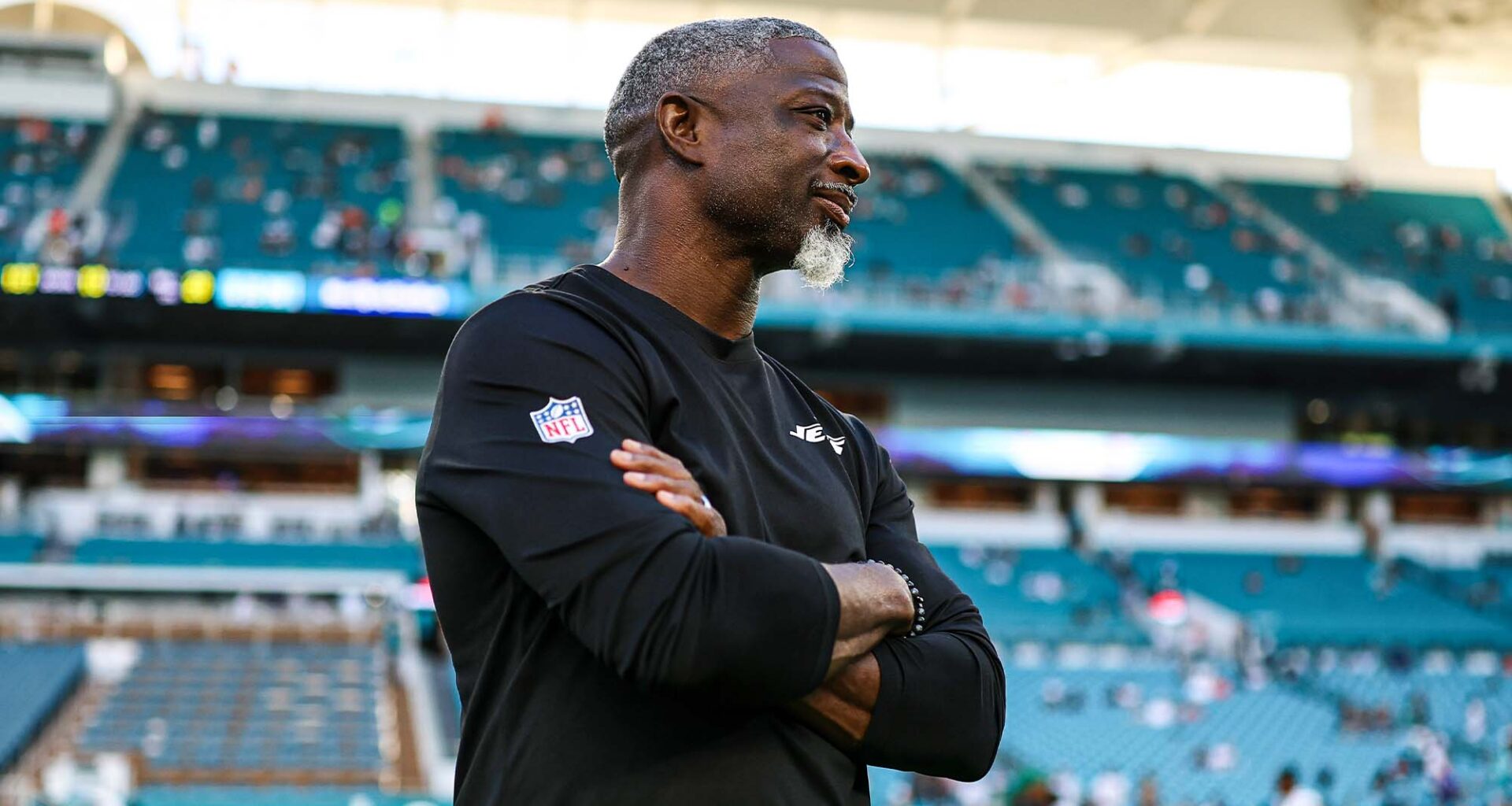
Aaron Glenn isn’t tanking.
Winning as many games as possible still matters for a first-year regime. Glenn is coaching to win every week, which is why he made the decision to bench Justin Fields for 36-year-old veteran Tyrod Taylor.
Fans have grown weary of winning “meaningless” late-season games to ruin their team’s draft position. However, because of the Jets’ deadline fire sale, New York no longer has to fear “winning themselves out” of a franchise quarterback. Even if the Jets slide a few spots and end up in the back half of the top 10, they’re still in a position of flexibility.
New York owns eight draft picks within the first two rounds of the next two drafts, including five first-rounders. With that amount of capital, the Jets have the ammunition to move up for their quarterback if needed.
In other words, Glenn doesn’t have to choose between competing now and planning for the future. The front office has already built the runway for both. That’s what all of this comes down to.
Whoever the Jets ultimately turn to at quarterback will shape everything: the direction of the franchise, the fate of their rebuild, and the legacies of both Darren Mougey and Aaron Glenn. For now, the Jets have positioned themselves to continue pursuing victories in 2025 without compromising their future, but eventually, they have to get the quarterback position right.
That’s what will determine this regime’s success.
Glenn and Mougey’s quarterback choice will define their era in New York. Getting it right is essential—but history shows that the Jets don’t have to “tank” for a high draft pick to get it done.