
The Miami Dolphins are in a bind that feels familiar to NFL front offices: they’ve given Tua Tagovailoa a massive contract that, by design, keeps him tied to the franchise, yet the team’s on-field performance this season has raised real questions about whether Tua is the long-term answer.
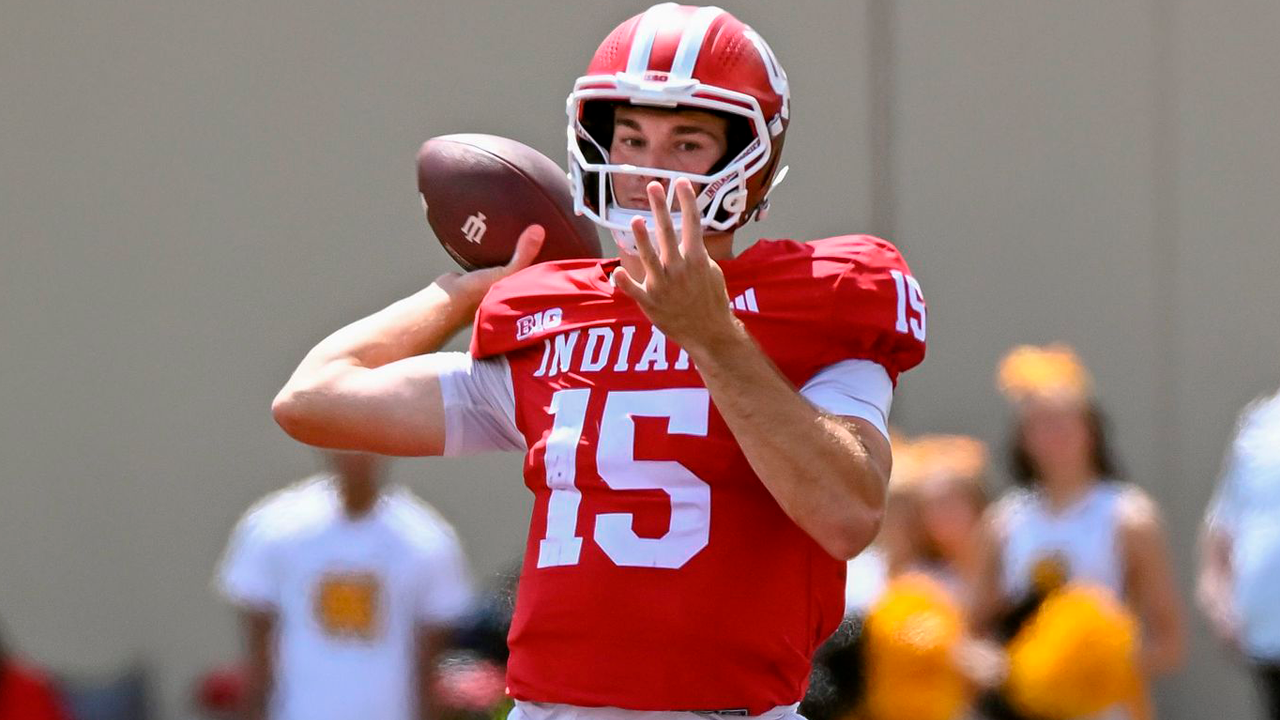
That tension is exactly why drafting a high-upside quarterback like Fernando Mendoza in the 2026 draft is a sensible, even urgent, option for Miami.
Mendoza offers an insurance policy and a possible midseason course correction, while Tua’s contract forces the team to balance patience with planning.
More NFL Content From TWSN
2026 First Round NFL Mock Draft –
The Philadelphia Eagles Need to Make One Key Change
Miami Dolphins Replace Tua Tagovailoa With Quarterback
Let’s set the financial facts first. Tua’s extension is not a short-term bet: the deal included a large guaranteed package at signing and rolling guarantees that have locked in significant money into 2026.
That structure makes it practically impossible to simply cut ties without severe cap consequences, so Miami is legally and economically incentivized to keep Tua on the roster and give him every chance to succeed.
But “keep and hope” is not the same as “ignore the future” — and that’s the main logic motivating a draft-and-develop strategy.
Dolphins Next Franchise QB: Fernando Mendoza
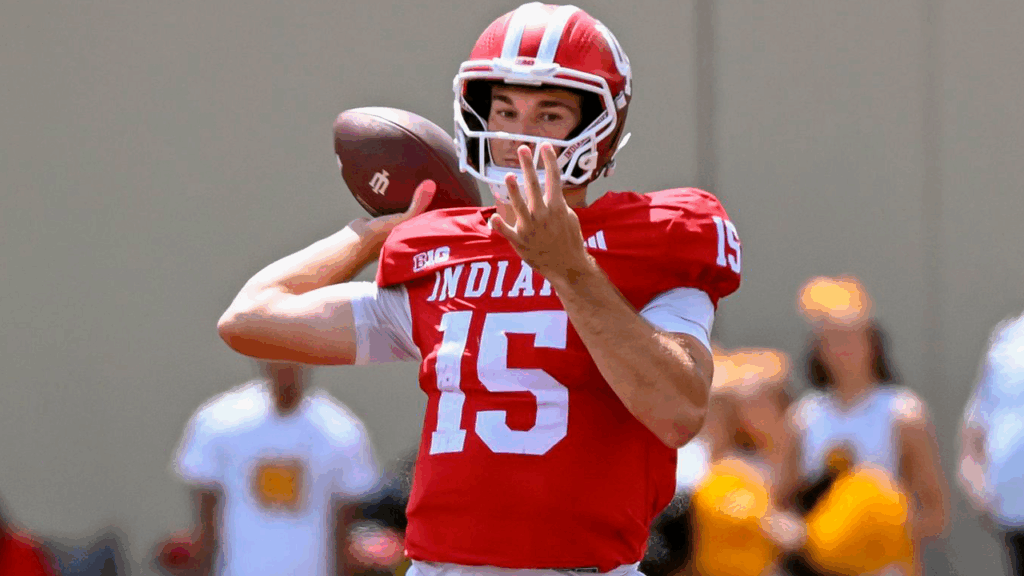
Enter Fernando Mendoza, the 6-foot-5 transfer turned Indiana star who has vaulted into many 2026 mock drafts and Heisman chatter. Through mid-October, Mendoza’s box score is the sort teams covet: he’s thrown for 2,641 yards with 30 touchdowns and only five interceptions, boasting an efficient completion rate and an ability to make both tight-window throws and off-platform throws when needed.
Those numbers are why scouts are talking about Mendoza as a possible top pick in a deep QB class. Drafting him would give Miami a legitimate long-term prospect to groom behind Tua.
Why Draft a Quarterback?
Why draft a quarterback when you’re financially committed to another? Because leagues and seasons are messy. Contracts protect players and teams from instant changes; they don’t protect rosters from poor performance.
If Miami continues to sputter through the 2025 season (and the early slate suggests they’re trending in the wrong direction), the club could be forced into a tough decision midway through the following season: accelerate a rebuild at quarterback or double down on fixing surrounding pieces.
Drafting Mendoza gives Miami optionality. He could sit, learn the pro game and become a ready-made starter when the timing and cap picture align — or, if Tua’s play deteriorates markedly, Mendoza could be fast-tracked into meaningful snaps.
There’s also a plausible scenario many fans dream about: Mendoza gets the call to start or midway through his rookie year. If the Dolphins’ record and locker-room confidence have eroded by then, and if the rookie looks the part in practice, starting Mendoza over Tua could be framed as a football decision predicated on immediate performance rather than pure financial logic.
That move would be ugly on the balance sheet but defensible in football terms: if Mendoza injects accuracy, a downfield threat, or fewer turnovers, the team might accept the cap pain for the chance to salvage a season and jump-start the next window. The team’s leadership would have to weigh optics, development curves, and how much longer they believe Tua can be the team’s best chance to win.
Of course, this plan has risk. Mendoza is unproven against NFL talent; college efficiency and SEC/Big Ten pedigree are promising but not guarantees. Using a high pick on a quarterback also means delaying fixes elsewhere — defensive upgrades, offensive line help, and pass-catchers who reduce pressure on a rookie signal-caller.
If Tua rebounds spectacularly, the Dolphins could be left holding a premium rookie contract with limited trade value. That’s the tradeoff between buying for the present and building for the future.
Final Thoughts
Miami’s cap situation makes an immediate, clean replacement of Tua unlikely. But football decisions are rarely made on paper alone. Drafting Fernando Mendoza gives the Dolphins a path that respects the financial realities of Tua’s deal while still creating a credible succession plan, one that could culminate in Mendoza getting starts midway through his rookie season if team performance and tape warrant it.
For a franchise stuck between the present commitment and the future promise, that’s about as pragmatic and ambitious a plan as you can ask for.