
Rejoice readers ― it’s that time of the year!
No, I’m not talking about Christmas: NCAA postseason football is upon us.
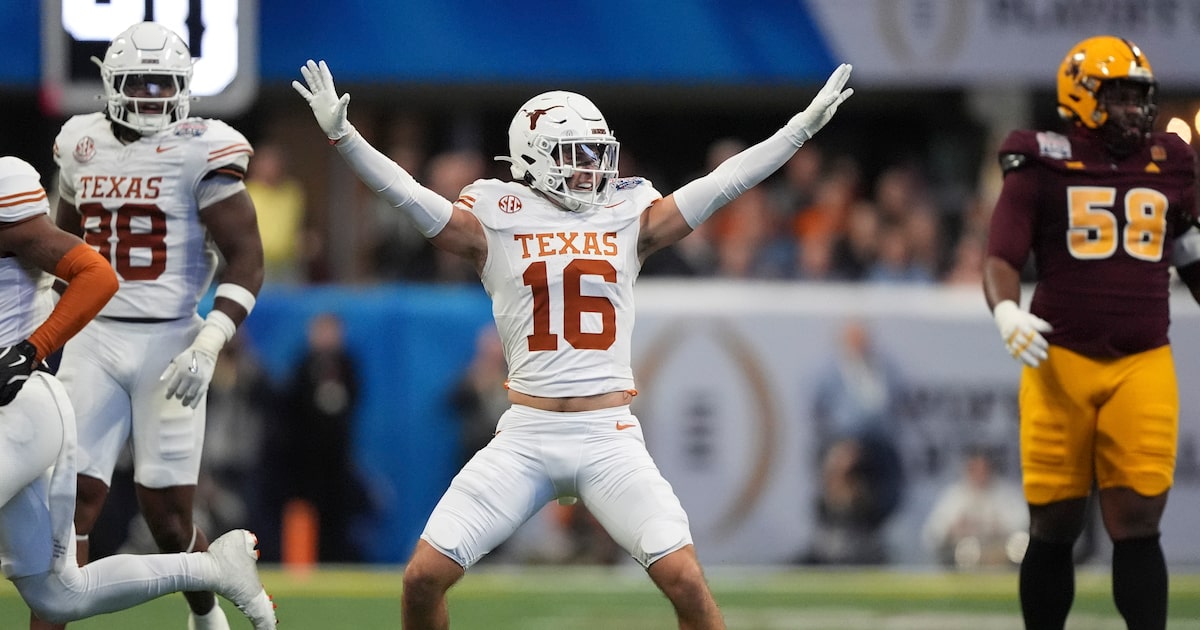
People agree on very little these days, but nothing quite manages to unite us as a country like our national obsession over sports. And nothing quite feeds said obsession like College Football Playoff rankings, and, of course, which teams are worthier of clinching a playoff berth than others.
In some ways, NCAA storylines rival their counterparts in the NFL, which is currently in the throes of one of the most unpredictable and maddening seasons of recent memory (alas, my beleaguered Pittsburgh Steelers appear at the cusp of a turning point — and not a good one).
All of which makes our lead Business Sunday story an especially propitious read. Written by Cheryl Hall in her cover story debut, we peek at the life and responsibilities of Rich Clark, the executive director of the CFP and a retired lieutenant general in the U.S. Air Force.
Business Briefing
“Now I have the chance to do something that could help others gain the benefits that I gained,” Clark said in an interview from his office in Las Colinas. “Being part of football and making that my job every day is simply fantastic.”
Clearly, having an ex-soldier lead a sprawling, money-minting sports organization has its virtues. Kevin Sherrington, The Dallas Morning News’ sports columnist, tells Hall that Clark “indeed [does] run a tight ship.”
To be sure, Clark’s role appears ceremonial in nature. But with any luck, some of his good, old-fashioned military discipline will trickle down to the increasingly wild and woolly world of college football writ large.
The advent of CFP season is a great reminder that ― much like professional football ― college sports has become a big business that mints a whole lot of money for a whole lot of people ― one of the major reasons why we created a sports business beat here at The News (hi Eric Prisbell!). It’s a subject we’ll be covering with increasing frequency in the months to come.
Thanks in large part to Name, Image and Likeness (NIL) contracts that have turned young athletes into millionaires overnight, NCAA sports are more awash in money and publicity than they’ve ever been.
But as The Notorious BIG once eloquently rhapsodized, when more money flows, more problems are sure to follow. It’s not just the athletes getting paid buckets of cash; coaches are also getting in on the act. And in a growing number of instances, the latter are making out like bandits.
The saga of Louisiana State University parting ways with Brian Kelly ― and simultaneously luring Lane Kiffen away from rival University of Mississippi ― affords an opportunity to shine a spotlight on how some athletic programs are shelling out NFL-levels of money, despite having a smaller and much less diverse revenue base.
In fact, colleges are paying eye-watering sums to show the door to underperforming coaches, with the value of severance packages rising nearly fourfold over the last decade.
Revealing data from the Knight Commission on Intercollegiate Athletics shows that FBS institutions have paid out a staggering $228 million to 15 dumped coaches this season; when adding in the $852 million paid out between 2012 and 2024, the current season’s buyouts will push the cumulative number over $1 billion.
Those figures are all the more surprising when you consider the institutions enjoy tax-exempt status ― and some of the golden parachutes are being feathered by deep-pocketed alumni.
“As Congress debates the merits of federal legislation to place limits and guardrails on college athlete compensation, it should also examine the conditions that allow for the continued growth of excessive compensation and severance for football coaches at nonprofit universities,” Amy Privette Perko, the Commission’s CEO, said in a statement.
More money boosts resources and opportunities for worthy athletes. But it’s also opening a Pandora’s Box for NCAA football’s business model. It’s a state of affairs best summarized by Scott Hodge, a fiscal policy expert and president emeritus of the Tax Foundation.
In a recent Washington Post article, Hodge wrote how “colleges can now pay athletes. Athletes can profit from their NIL. The transfer portal makes them free agents every year looking for the best deal. One-and-done athletes see college as a springboard to the pros. And private equity firms are looking to get a piece of these lucrative media deals.”
Consider yourselves warned.
 Greed breeds Texas ghost deer and endangers hunting economy
State should increase penalties for violations that spread wasting disease.
 Dallas Mavericks bring fancy restaurants to AAC in sports-food shakeup
Dinner could come from Carbone or Avra for a ‘great price’ before a basketball game, said one exec.
 North Texas World Cup team about to ‘ramp up in every area’ with draw on Friday
Efforts to secure teams to train and reside at D-FW base camps coming into focus.