


See how to find out if you have unclaimed funds in Ohio
Ohio’s new budget gives the state control of $1.7 billion in unclaimed funds. Here’s how to check if your money is in that pool.
A legal challenge to Ohio’s plan to use unclaimed funds to pay for a new Cleveland Browns’ stadium hit a roadblock when a federal judge decided the money could start transferring on Jan. 1.
U.S. District Judge Edmund A. Sargus Jr. ruled on Dec. 9 that Ohioans with unclaimed funds don’t face irreparable harm because they can still claim their money through 2036. However, the legal challenge will continue because Sargus rejected the state’s attempt to dismiss the lawsuit entirely.
This lawsuit began when four people with unclaimed funds sued the state to prevent it from moving between $1.7 billion and $1.9 billion to a new fund. From there, Ohio would then dole out $600 million for the Cleveland Browns’ new domed stadium project.
The state holds more than $4 billion in dormant bank accounts, uncashed checks and utility deposits. Individuals with unclaimed funds can submit paperwork and claim them. However, any money left unclaimed for 10 or more years would be deposited into an account to pay for cultural and sports projects, such as the Browns’ stadium.
Ohio lawmakers OKed using unclaimed funds for the Browns’ project as part of the state’s two-year budget, passed in June.
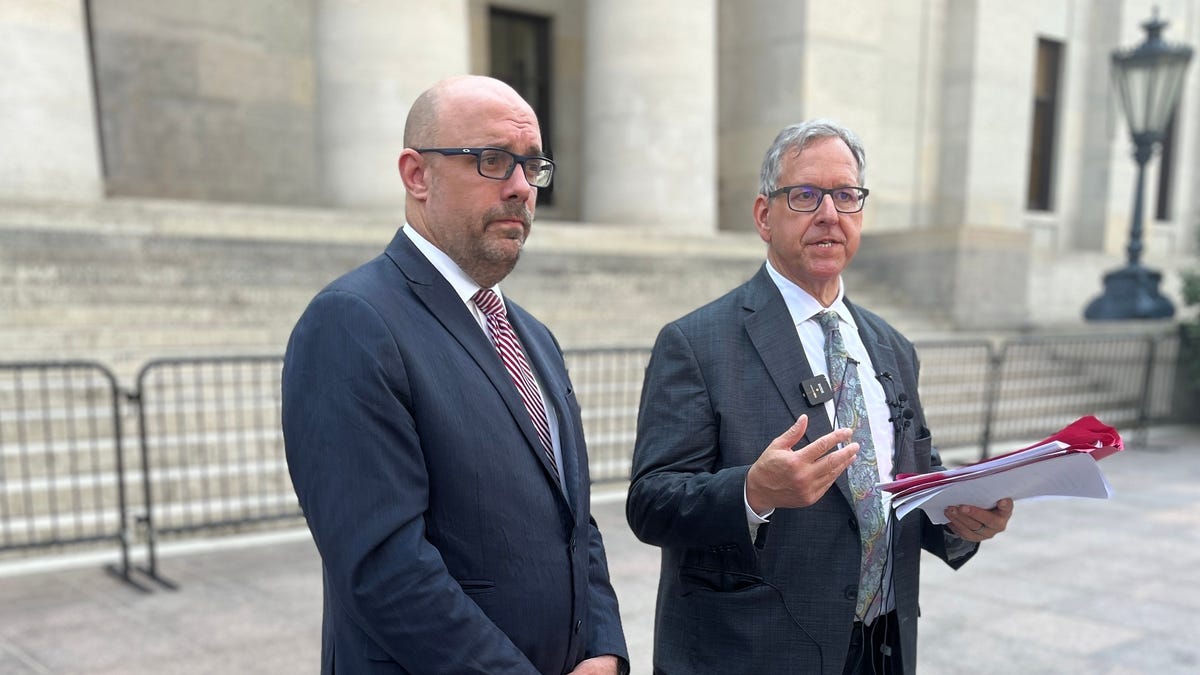
But attorneys Marc Dann and Jeff Crossman argued that the state is seizing Ohioans’ money without just compensation or due process. They also contended that the state hasn’t adequately informed Ohioans that their money could be used for a new Cleveland Browns stadium.
“We are pleased that the case will proceed. We are reviewing our options regarding next steps,” said Dann, who served as Ohio attorney general. Crossman and Dann are Democrats who served in the Ohio General Assembly.
Whoever holds the unclaimed funds, such as a credit card company or landlord, must inform anyone owed $50 or more that they might have unclaimed funds. Each year, the state publishes a list of individuals with unclaimed funds in local newspapers reaching 88 counties. The state also has marketing campaigns and a booth at the Ohio State Fair to notify people about missing money.
Amy Schellhammer, finance manager for the Ohio Division of Unclaimed Funds, testified that the goal is to “give the money back to the original owners.” She added: “We want to reach as many owners as we can.”
But the Ohio Division of Unclaimed Funds hasn’t reached out to everyone with unclaimed money to inform them that their old utility deposits could pay for the Browns’ stadium. And as many as 35,000 of the 7.9 million unclaimed funds could belong to people living abroad, testified Jan Peters, a German IT specialist who sued California over Amazon stock that the state seized.
Peters compared Ohio’s unclaimed funds website to a local dog shelter’s. “I don’t see any intention or any action done on that database to make it actually usable,” Peters testified.
Even so, Sargus ruled that the unclaimed funds could be claimed for years to come − even if the Browns’ project gets a $600 million check. Sargus was appointed to the federal bench by former President Bill Clinton.
Individuals can check to see if they have any unclaimed funds at unclaimedfunds.ohio.gov. The website allows individuals to claim their funds, provide the required paperwork and check on the status of their claims.
State government reporter Jessie Balmert can be reached at jbalmert@gannett.com or @jbalmert on X.